



Japan JESTA Authorization 2028 | Critical Impact on Cross-Border Seller Operations
- Accelerated to 2028 from 2030, affects 71 visa-exempt countries, $20 processing fees, residence renewal costs surge 1,567% ($6,000 to $100,000 yen)









概览
Japan's government has accelerated implementation of JESTA (Japan Electronic System for Travel Authorization) to fiscal 2028, creating significant operational and compliance implications for cross-border e-commerce sellers. Announced February 20, 2026, by Prime Minister Sanae Takaichi, this mandatory pre-departure screening system mirrors the U.S. ESTA and applies to nationals of 71 visa-exempt countries and territories, including major trading partners: United States, Canada, Australia, United Kingdom, EU members, South Korea, Singapore, and Thailand. The system requires online applications and advance authorization before boarding transportation to Japan, with an estimated processing fee of approximately 3,000 yen (USD $20) per application.
Operational Impact for E-Commerce Sellers: The policy creates direct cost and timeline implications for cross-border sellers managing Japan operations. Business travelers, supply chain personnel, and international staff now require advance JESTA authorization before travel, potentially adding 3-7 business days to trip planning cycles. For sellers conducting frequent inventory management visits, attending trade shows, or managing fulfillment center operations in Japan, this represents a new operational constraint. Companies must budget for processing fees ($20 per traveler per trip) and adjust travel schedules to accommodate authorization processing windows. The acceleration from 2030 to 2028 creates a compressed 24-month preparation window for sellers to update travel protocols and staff training.
Complementary Fee Structure Changes: The immigration reform bill simultaneously increases residence renewal fees dramatically, effective end of fiscal 2026. Standard residence renewals cap at 100,000 yen (approximately $645), up from 6,000 yen—a 1,567% increase. Permanent residence permits jump to 300,000 yen, up from 6,000 yen. These fee increases directly impact foreign-national employees and long-term expatriate staff managing Japan operations. Sellers with permanent staff in Japan face significantly higher compliance costs. However, provisions include fee reductions or exemptions for foreign residents experiencing financial hardship, creating potential compliance documentation requirements.
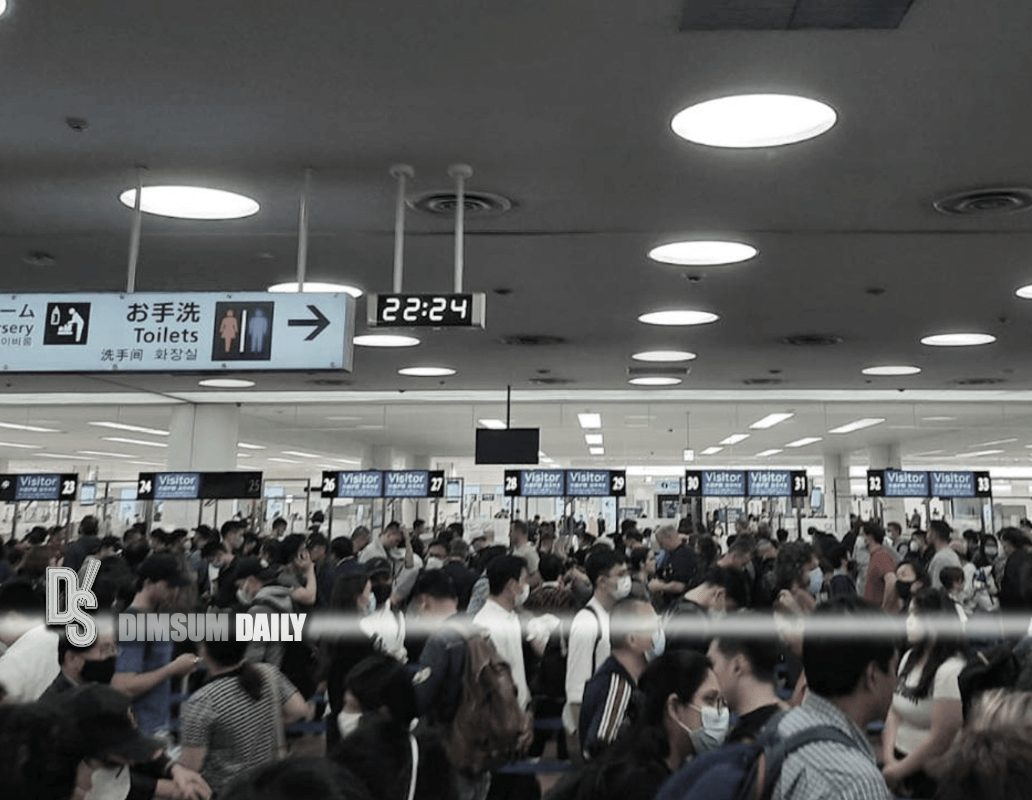
Market Context and Timing: The policy acceleration coincides with Japan's ambitious goal of welcoming 60 million foreign tourists annually by 2030, indicating the government prioritizes streamlining legitimate travel while strengthening security vetting. The dual-objective framework—preventing entry of "undesirable foreign nationals" while facilitating smoother entry for compliant travelers—suggests JESTA will operate as a low-friction system for legitimate business travelers once implemented. Airlines, shipping companies, and transportation providers must deny boarding to unauthorized travelers, creating enforcement mechanisms that sellers must coordinate with when arranging business travel. The system includes biometric data registration (photos and fingerprints) and automated facial recognition gates, indicating Japan's digital transformation of border control infrastructure.
Strategic Seller Segments Affected: Small to medium-sized sellers (SMBs) with direct Japan operations face proportionally higher compliance costs due to fixed per-traveler fees. Large multinational sellers with established Japan subsidiaries can absorb costs more easily but face operational complexity in coordinating multi-person travel authorization. Sellers using third-party logistics (3PL) providers in Japan may experience delays if 3PL staff require JESTA authorization for inventory management or quality control visits. E-commerce sellers on Amazon Japan, Rakuten, and Yahoo Shopping Japan who conduct in-person business development or attend Japan-based trade shows (Tokyo Game Show, Japan Expo, etc.) must factor JESTA processing into event planning timelines.
問題 8
Are there exemptions or fee reductions available for JESTA or residence renewal fees?
The immigration reform bill includes provisions for fee reductions or exemptions for foreign residents experiencing financial hardship, though specific eligibility criteria have not been formally confirmed. Standard JESTA processing fees are estimated at 3,000 yen ($20) with no announced exemptions for business travelers. However, sellers should monitor official announcements from Japan's Immigration Services Agency for any hardship provisions or business traveler exemptions. The government will use increased residence renewal fee revenue to cover inspection system maintenance and personnel expenses, suggesting the fee structure is designed to be permanent.
How should sellers prepare for JESTA implementation before fiscal 2028?
Sellers should immediately begin updating travel authorization procedures and staff training protocols. Recommended actions include: (1) Audit current Japan travel frequency and staff to calculate JESTA processing costs; (2) Update travel booking procedures to include 3-7 day JESTA authorization processing windows; (3) Establish JESTA application workflows for staff and contractors; (4) Budget for $20 per traveler per trip in processing fees; (5) Review residence renewal requirements for foreign staff and plan for 1,567% fee increases effective end of fiscal 2026; (6) Coordinate with airline partners and 3PL providers regarding JESTA compliance procedures; (7) Monitor official announcements from Japan's Ministry of Justice for implementation details and any business traveler provisions.