




Winter Storm Hernando Disrupts 2,727+ Flights | Air Freight Delays Impact Cross-Border Sellers
- 1,614 cancellations across major US hubs (Newark, JFK, LaGuardia, Boston) through Feb 24-25 create 5-7 day air cargo delays; sellers face $15-45/kg premium routing costs and inventory shortages in Northeast fulfillment centers






















概览
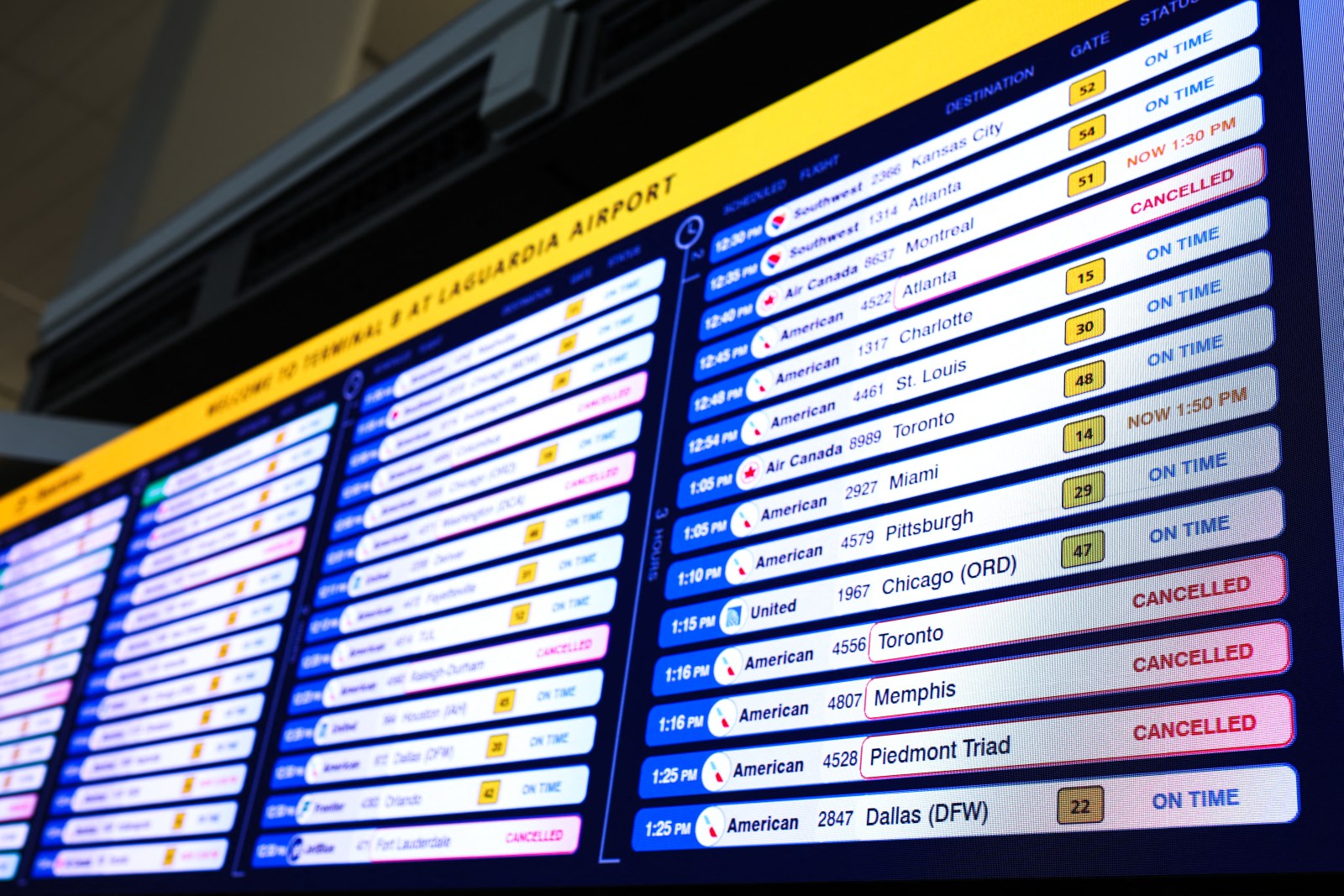
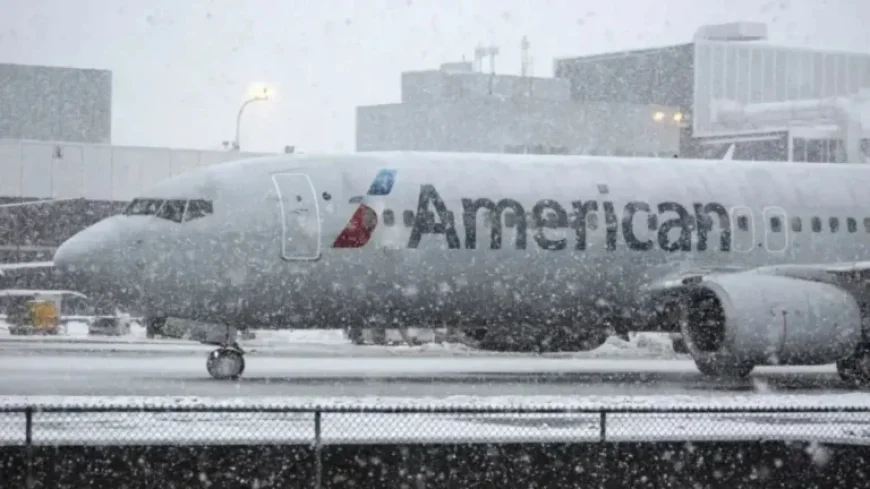
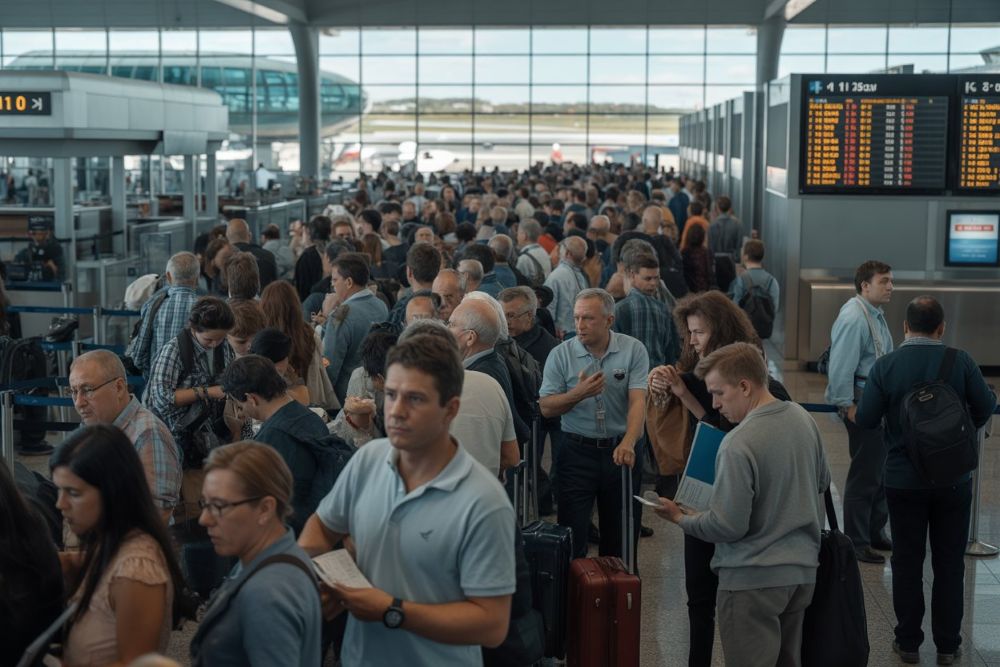
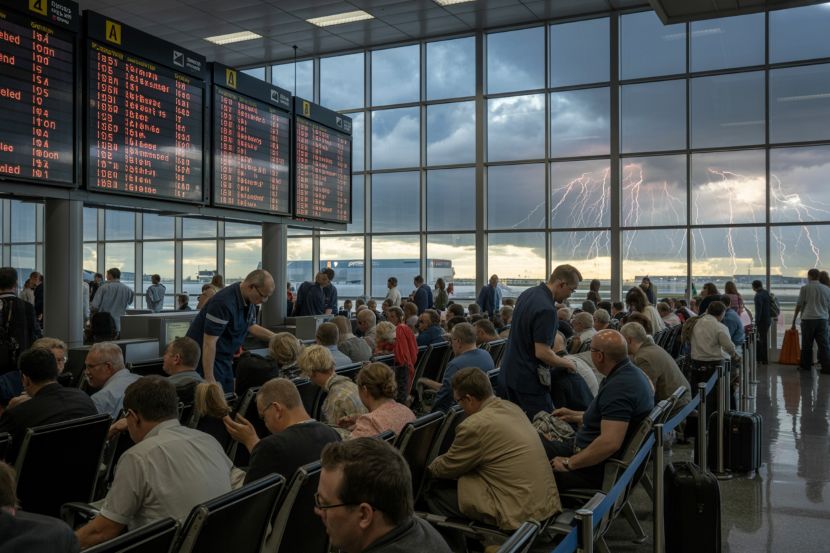
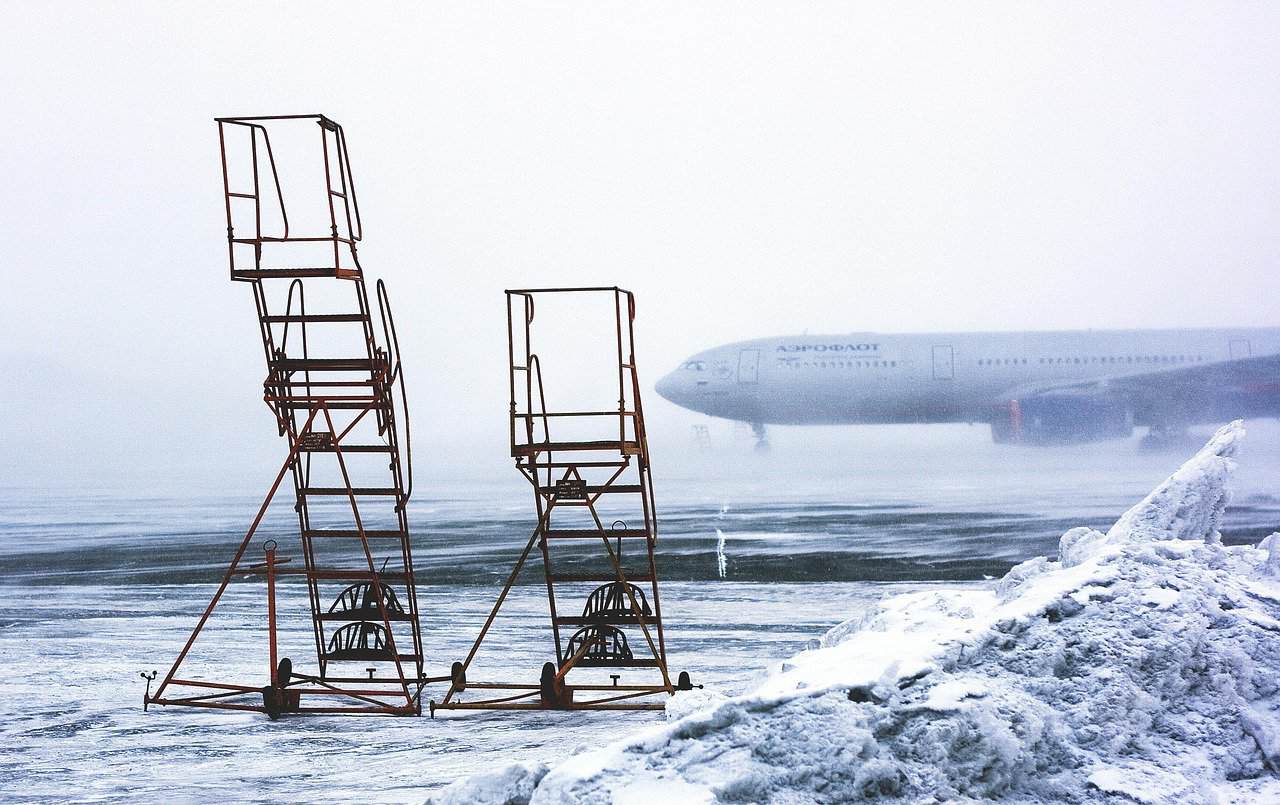
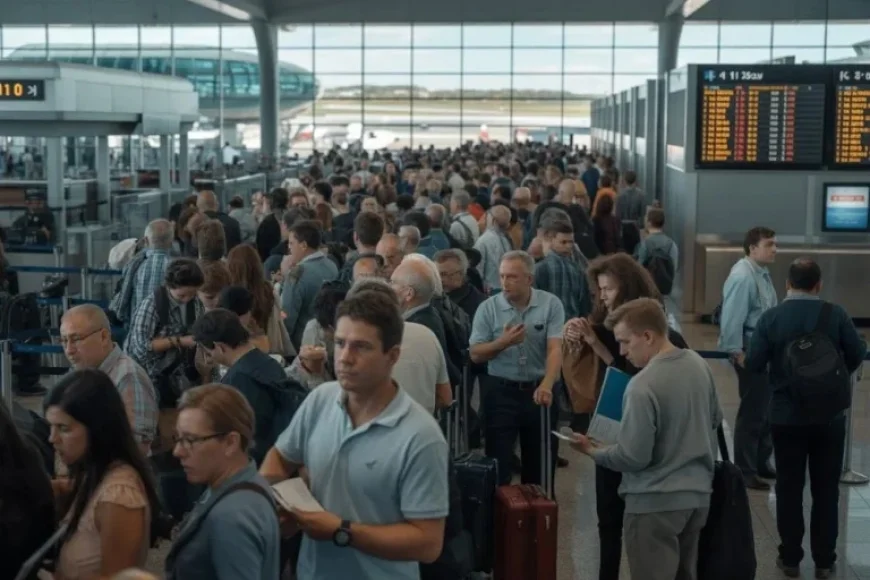
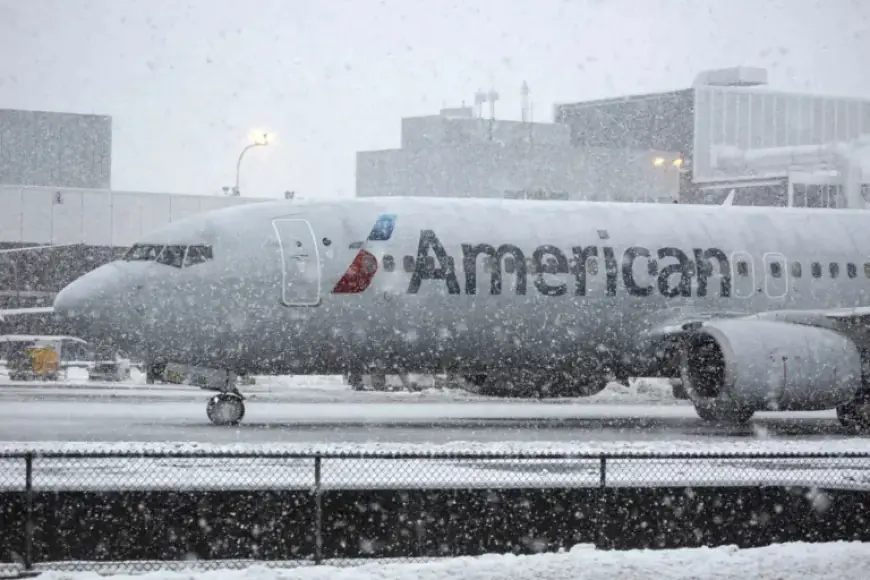
Winter Storm Hernando created a critical logistics crisis for cross-border e-commerce sellers from February 21-24, 2026, with cascading disruptions across the entire U.S. air freight network. The nor'easter generated 1,614 flight cancellations across major hubs—Newark (395), JFK (673), LaGuardia (546), and Boston Logan—plus 2,587 additional delays on February 22 alone, with Delta Air Lines accounting for 346 cancellations and 578 delays by February 23. The National Weather Service warned of "historic" impacts including 12-23 inches of snow accumulation, damaging winds, and coastal flooding extending through Monday, February 24. This represents the most significant air cargo disruption to Northeast distribution infrastructure since the 2022 winter weather events.
For sellers relying on air freight, the operational impact is severe and immediate. International shipments routed through affected East Coast hubs (JFK, Newark, Boston) experienced 5-7 day delays minimum, with some cargo diverted to alternative hubs (Atlanta, Miami, Dallas-Fort Worth) at premium rates of $15-45/kg above standard pricing. Time-sensitive inventory categories—electronics, perishables, fashion (seasonal items), and expedited fulfillment orders—faced extended transit times that directly impact customer delivery promises and Amazon FBA/Walmart fulfillment deadlines. Sellers with just-in-time inventory models dependent on Northeast distribution centers (New Jersey, Connecticut, Massachusetts) faced critical stockouts as inbound air cargo was suspended through February 24-25. The disruption affected both inbound inventory from international suppliers (China, Vietnam, India) and outbound shipments to customers, creating a dual supply chain squeeze.
The broader logistics infrastructure vulnerability is now evident to sellers. Delta Cargo operations remained constrained despite waived rebooking fees for passenger flights, indicating cargo capacity was severely limited. Alternative logistics providers (FedEx, UPS, DHL) experienced similar capacity constraints, forcing sellers to either accept extended delivery timelines or pay premium rates for rerouting through secondary hubs. The cascading nature of Delta's network—with 346 cancellations creating downstream delays across connecting routes to Miami, Los Angeles, Chicago, and Atlanta—demonstrates how single-point weather disruptions can paralyze the entire U.S. air freight system. Sellers should expect similar disruptions during future winter weather events (March-April nor'easters, December holiday season storms), signaling a structural vulnerability in relying on Northeast air hubs for time-sensitive fulfillment.
問題 7
Which product categories face the highest risk from Northeast air freight delays?
Perishable goods (fresh food, specialty items), electronics with time-sensitive demand (seasonal tech, holiday inventory), and fashion/apparel with short selling windows face critical risk. Perishables have 3-5 day shelf life windows—delays beyond 7 days result in total loss. Electronics destined for Amazon FBA with inventory performance index (IPI) scoring face penalties if delivery deadlines slip. Fashion sellers miss seasonal selling windows (Valentine's Day, spring collections). Sellers should prioritize rerouting for these categories while accepting delays for non-perishable, non-seasonal inventory (home goods, office supplies, bulk commodities).
Should sellers shift inventory away from Northeast fulfillment centers?
Yes, for time-sensitive categories. Redistribute 20-30% of high-velocity inventory (electronics, perishables, fashion) from Northeast 3PL facilities to secondary hubs in Atlanta, Miami, or Dallas-Fort Worth through February 28. This requires 2-3 day ground transit but avoids air cargo bottlenecks. For slower-moving inventory (home goods, bulk items), maintain Northeast positioning as air cargo normalizes by March 1. Calculate landed costs: ground redistribution ($0.50-1.50/unit) vs. premium air rerouting ($2-5/unit) to determine optimal strategy by SKU.