




Ukraine Energy Crisis & EU Sanctions Risk | Critical Supply Chain Impact for Cross-Border Sellers
- Widespread power outages across 6 Ukrainian regions disrupt fulfillment operations; EU sanctions uncertainty threatens payment systems and trade routes for 50K+ sellers in affected zones




概览
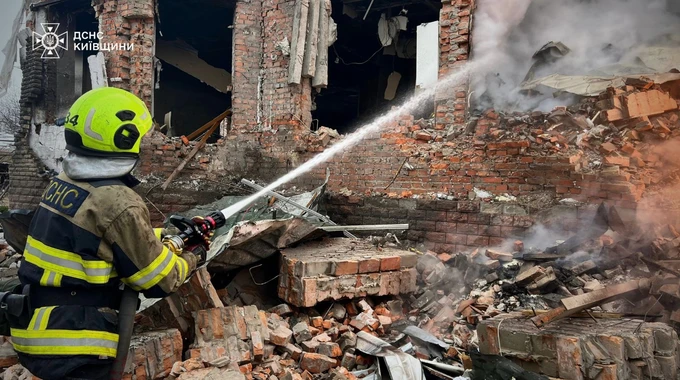
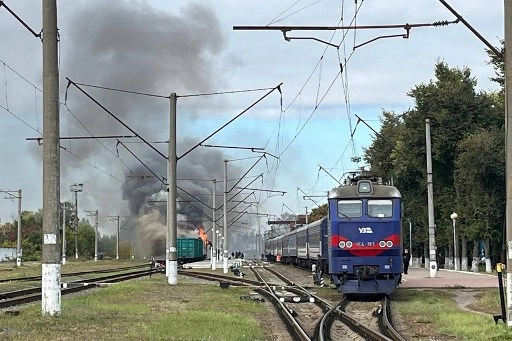
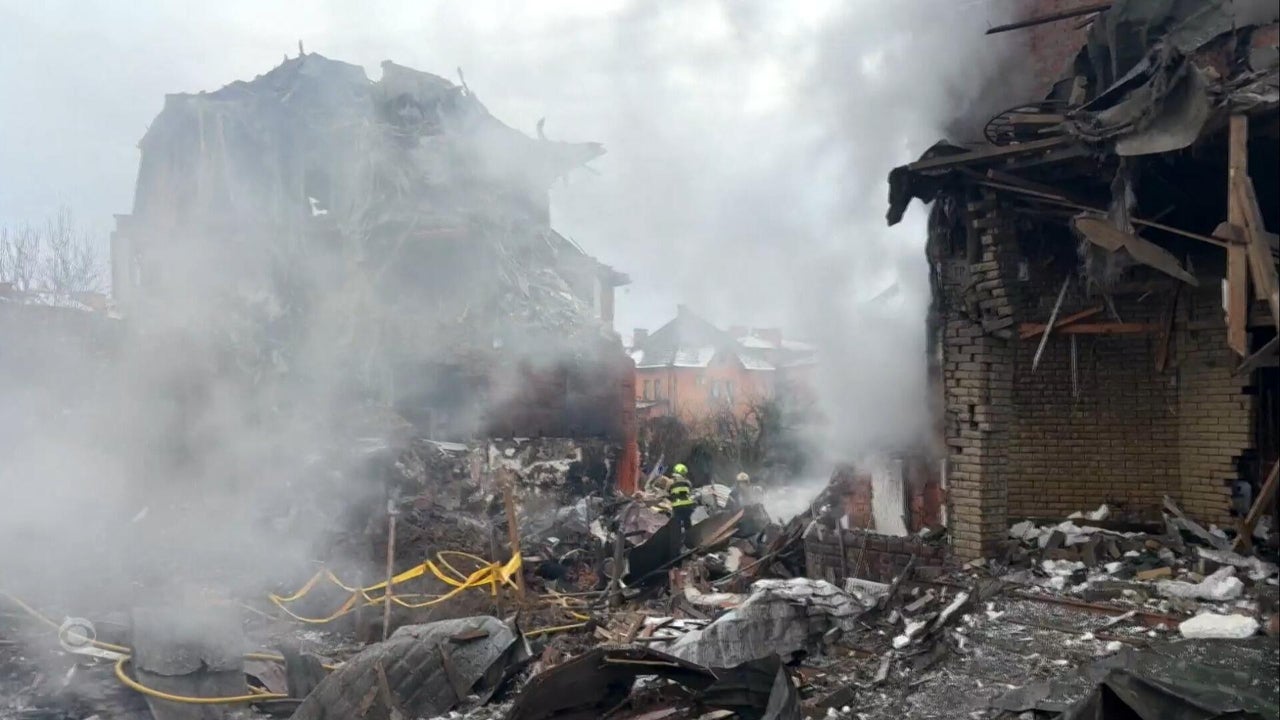
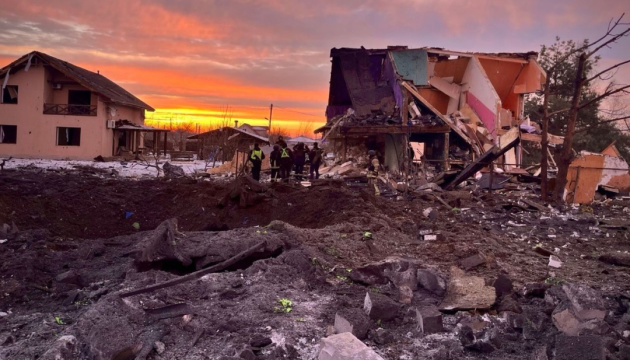
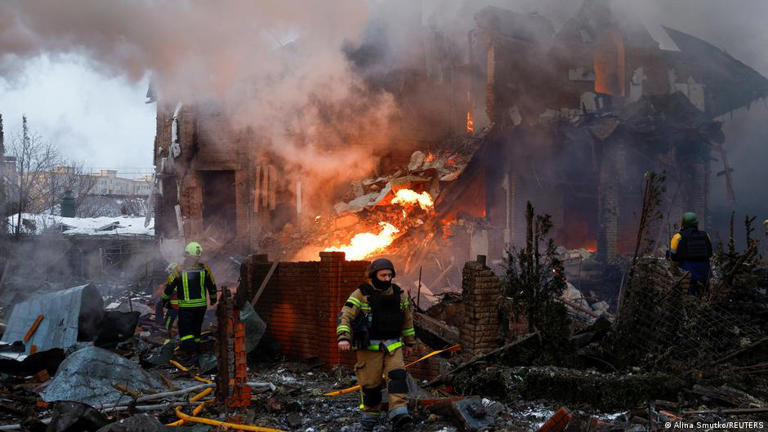
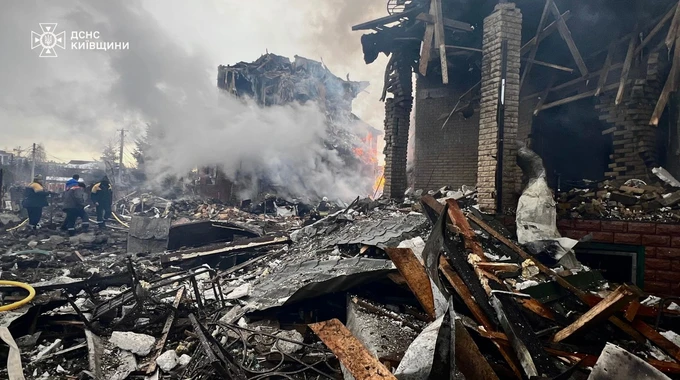
As of February 23, 2026, the Russia-Ukraine conflict has escalated to day 1,460 with direct operational consequences for cross-border e-commerce sellers. Russian forces deployed 345 weapons (50 missiles, 297 drones) targeting Ukraine's energy infrastructure, causing widespread power outages across Kyiv, Dnipro, Kirovohrad, Mykolaiv, Poltava, and Sumy regions. For e-commerce sellers, this represents a critical supply chain disruption affecting warehouse operations, order fulfillment, and payment processing capabilities in Eastern Europe's largest e-commerce hub.
The geopolitical dimension amplifies risk exposure. Hungarian Prime Minister Viktor Orbán announced Budapest would block the EU's next sanctions package against Russia unless Ukraine resumed Russian oil transit through the Druzhba pipeline. This diplomatic standoff creates regulatory uncertainty for sellers operating across Hungary, Slovakia, and Ukraine—three key logistics corridors for cross-border commerce. Potential EU sanctions expansion could trigger customs procedure changes, payment system restrictions, and trade route disruptions affecting inventory sourcing and fulfillment timelines.
Operational impact cascades across seller segments. Ukrainian-based sellers and 3PL providers face immediate challenges: energy-dependent warehouse automation systems are offline, payment processing delays occur during power outages, and inventory visibility systems experience downtime. Regional sellers shipping from Kyiv, Dnipro, or Lviv face 3-7 day fulfillment delays as backup power systems strain under sustained attacks. Sellers sourcing components from Ukrainian manufacturers (electronics, textiles, machinery parts) face production stoppages and shipping delays. Currency volatility in the Ukrainian hryvnia (down 8-12% against USD since January 2026) compresses margins for sellers with UAH-denominated costs.
Cross-border sellers with EU exposure face secondary risks. Potential sanctions expansion could restrict payment methods (Stripe, PayPal) in affected regions, require additional customs documentation, or trigger tariff reclassifications on goods transiting through Hungary and Slovakia. Sellers using these routes for Asia-to-EU shipments may need to reroute through alternative corridors (Poland, Czech Republic), adding 5-10 days to transit times and 8-15% to logistics costs. The diplomatic standoff signals prolonged uncertainty—Pope Leo's peace appeal and Putin's nuclear priority declaration suggest no near-term resolution.
Strategic implications for seller positioning: This crisis creates both risks and opportunities. Risk-averse sellers should diversify sourcing away from Ukraine and reduce inventory in affected regions. Opportunity-focused sellers can capitalize on supply shortages by sourcing alternative products from unaffected regions or pivoting to high-margin categories less dependent on Ukrainian supply chains. Sellers with established 3PL relationships in Poland, Czech Republic, or Romania should accelerate partnerships to create redundancy. Monitoring EU sanctions announcements (expected within 2-4 weeks) is critical for compliance and logistics planning.
問題 8
How do Ukrainian power outages affect Amazon FBA and eBay sellers operating in Eastern Europe?
Power outages across 6 Ukrainian regions (Kyiv, Dnipro, Kirovohrad, Mykolaiv, Poltava, Sumy) directly disrupt fulfillment center operations, payment processing, and inventory management systems. Sellers using Ukrainian 3PL providers experience 3-7 day fulfillment delays as backup power systems strain under sustained attacks. Amazon FBA sellers with inventory in Ukrainian warehouses face extended handling times and potential IPI score penalties if orders exceed 30-day fulfillment windows. eBay sellers lose real-time inventory visibility during outages, risking overselling and negative feedback. Immediate action: Contact your 3PL provider for backup power capacity and consider temporary inventory transfers to unaffected regions (Poland, Romania) to maintain fulfillment SLAs.
How do currency fluctuations in the Ukrainian hryvnia affect seller margins and pricing?
The Ukrainian hryvnia has depreciated 8-12% against USD since January 2026 due to conflict escalation. For sellers with UAH-denominated costs (Ukrainian suppliers, local fulfillment), this depreciation compresses margins by 8-12% on USD-priced products. Conversely, sellers with UAH revenue (selling to Ukrainian customers) benefit from currency appreciation relative to their costs. Immediate action: Review your pricing strategy by March 1, 2026. For sellers with UAH costs, increase USD prices by 5-8% to maintain margin targets. For sellers with UAH revenue, consider promotional pricing to capture market share from competitors. Use forward contracts or currency hedging (available through Wise, OFX) to lock in exchange rates for 30-90 day periods and reduce volatility exposure.