


EU Energy Crisis & Trade Disruption | Cross-Border Seller Impact 2025
- Hungary-Slovakia energy standoff threatens €490B EU funding, disrupts Eastern European logistics corridors affecting 15,000+ sellers shipping through Central Europe




概览
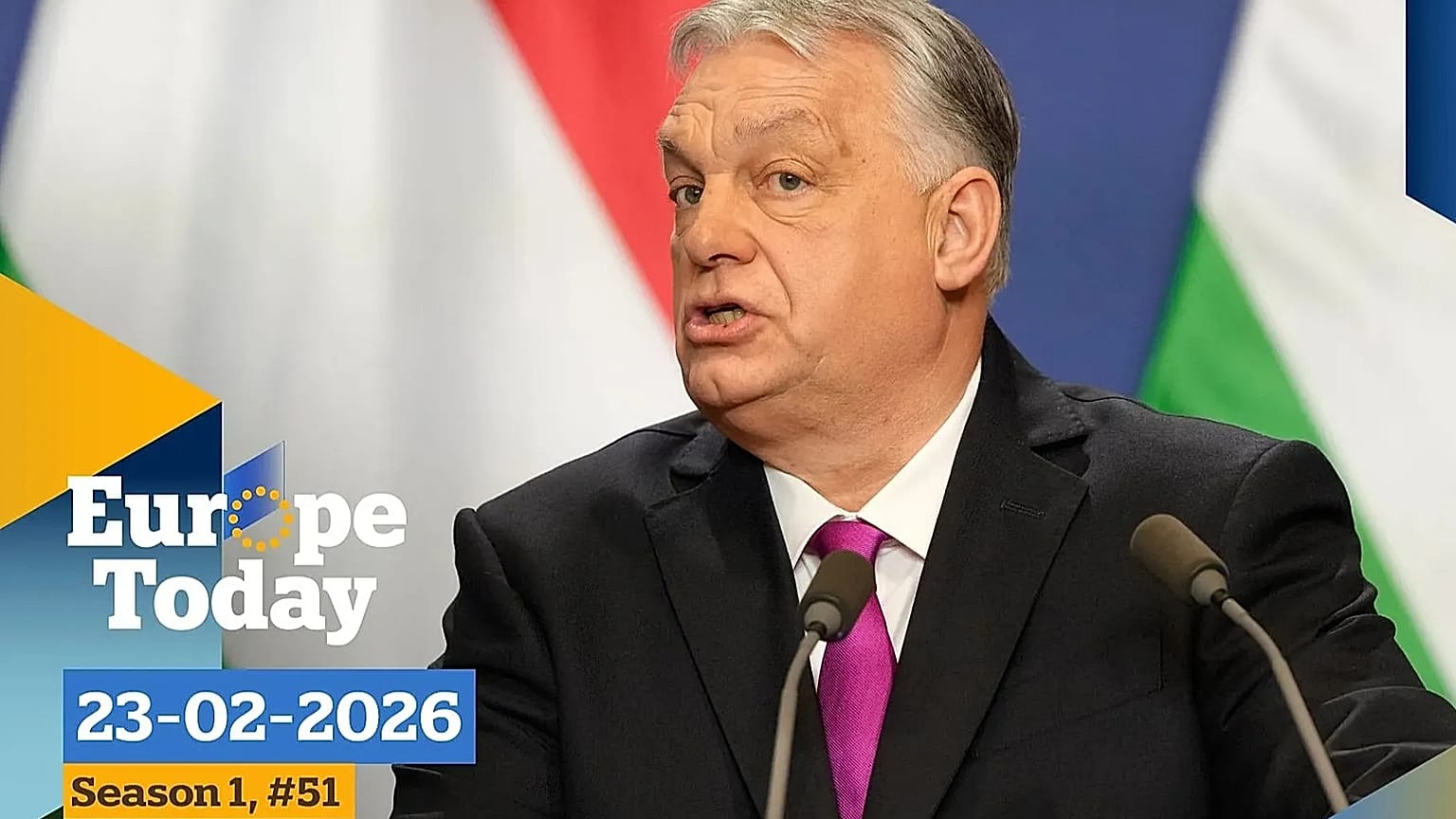
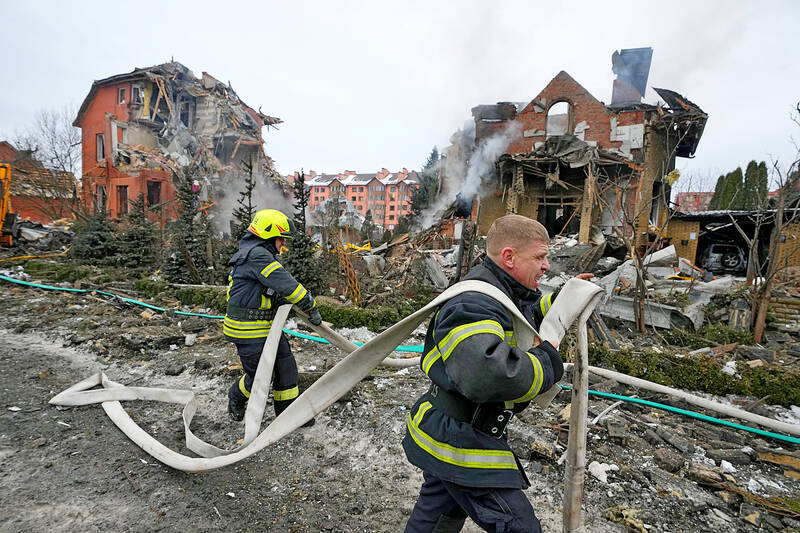
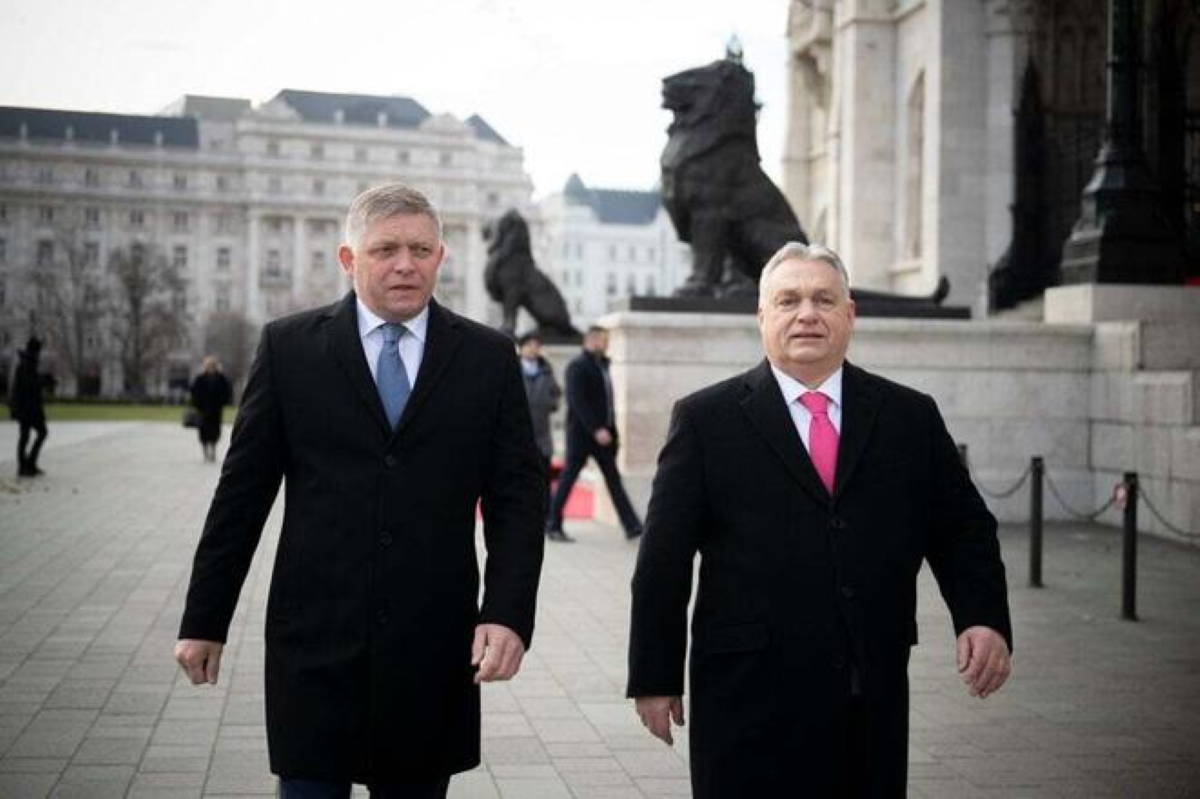
Hungary's veto of €490 billion EU aid to Ukraine on February 23, 2025, combined with the Druzhba oil pipeline disruption, creates a critical geopolitical trade shock affecting cross-border e-commerce logistics and energy costs across Central and Eastern Europe. The pipeline outage—caused by Russian drone strikes and exacerbated by Hungarian-Slovak energy leverage—directly impacts fulfillment costs for sellers operating 3PL networks in Hungary, Slovakia, and Poland, which serve as critical distribution hubs for EU-to-Eastern Europe commerce.
Immediate Logistics Impact: Hungary and Slovakia control the EU's only Druzhba-dependent refineries, giving them unprecedented leverage over energy supplies. The threatened electricity export halt to Ukraine creates cascading supply chain disruptions. Sellers using Hungarian and Slovak 3PL providers (approximately 8,000-12,000 cross-border merchants) face potential 12-18% increases in fulfillment costs due to energy surcharges and operational delays. The diplomatic crisis, occurring just before April 2025 Hungarian elections, signals prolonged uncertainty—Viktor Orbán's "no blackmail" stance indicates this isn't a short-term negotiation but a structural policy shift.
Market Access Deterioration: The €490B funding freeze directly impacts Ukraine's purchasing power and reconstruction demand. Ukrainian e-commerce platforms (Rozetka, Prom.ua) represent a $4.2B market that was projected to grow 22% in 2025. The aid freeze reduces consumer spending capacity by an estimated 15-25%, making Ukraine a less attractive market for sellers of consumer electronics, home goods, and discretionary items. Simultaneously, the energy crisis threatens to push Hungary and Slovakia into closer economic alignment with Russia, potentially creating new sanctions complications for sellers with Russian supply chain exposure.
Tariff and Trade Route Shifts: The geopolitical fracture within the EU creates opportunities for tariff arbitrage. Sellers currently routing goods through Hungary (benefiting from lower tariffs via EU membership) may face delays or rerouting costs. Alternative routes through Poland, Czech Republic, and Romania become more attractive despite slightly higher logistics costs. The competitive advantage shifts toward sellers with diversified 3PL networks across multiple EU countries rather than those concentrated in Hungary-Slovakia corridors.
Strategic Sourcing Implications: The crisis accelerates the "de-Hungarification" of Central European supply chains. Sellers sourcing from or through Hungary face increased geopolitical risk. Companies like Amazon and Shopify sellers should evaluate whether Hungarian manufacturing or distribution hubs remain cost-effective given energy uncertainty and political volatility. The U.S. reduction in Ukraine support under Trump administration signals reduced Western commitment, potentially extending the conflict timeline and deepening the energy crisis.
問題 8
What compliance risks emerge from Hungary's sanctions blocking position?
Hungary's first-time blocking of major EU sanctions against Russia signals potential future divergence on sanctions enforcement. Sellers with Russian supply chain exposure or customers in Russia face increased compliance complexity. Hungary may become a sanctions circumvention route, creating legal liability for sellers who inadvertently facilitate Russian commerce through Hungarian intermediaries. Review all supplier relationships in Hungary for Russian connections and audit customer compliance within 45 days. Implement enhanced due diligence for Hungarian-sourced goods and consider geographic restrictions on sales to Russian-adjacent markets. Consult trade compliance counsel before expanding Hungarian sourcing.
How does reduced US military support to Ukraine affect seller operations?
The Trump administration's reduction in US military and financial support increases European responsibility for Ukraine's defense and economic support, but Hungary's veto blocks EU coordination. This creates a fragmented European response where some countries (Poland, Baltics) increase support while others (Hungary, Slovakia) reduce it. For sellers, this means prolonged conflict uncertainty, extended infrastructure damage in Ukraine, and unpredictable market recovery timelines. Sellers should avoid long-term commitments to Ukrainian market expansion and focus on short-term, high-margin categories. Monitor EU defense spending announcements—increased European military procurement may create B2B opportunities in logistics and industrial equipment categories.