




Supreme Court Strikes Trump Tariffs | 150-Day Window for Sellers to Restructure Supply Chains
- 15% replacement tariffs create $130B refund uncertainty and 12-18 month cash flow delays for importers; Section 122 authorities limit policy flexibility while opening negotiation windows














概览
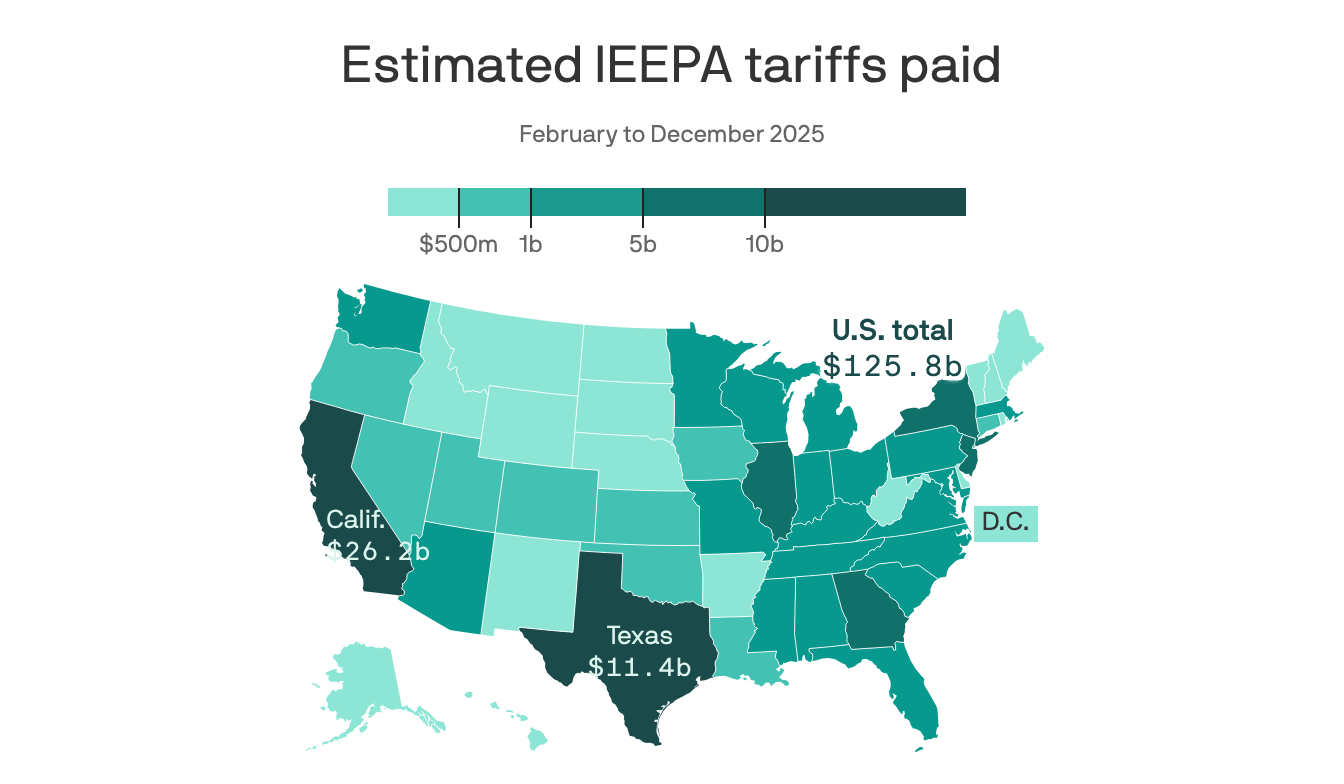
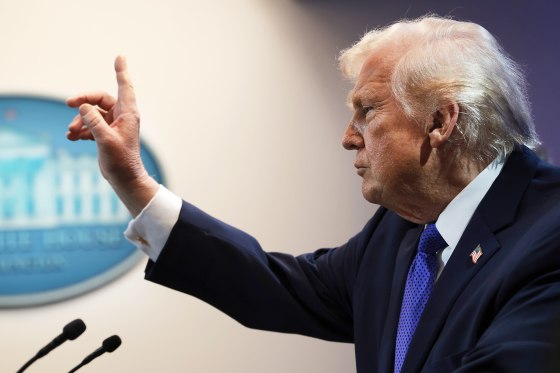
The U.S. Supreme Court's 6-3 decision invalidating President Trump's unilateral tariff authority under emergency powers has fundamentally reshaped cross-border e-commerce trade dynamics, creating both immediate cost pressures and strategic opportunities for sellers. The ruling established that tariff-setting power constitutionally belongs to Congress, not the Executive Branch, striking down tariffs that generated $130 billion in duties. However, rather than retreating, the Trump administration immediately pivoted to Section 122 of the 1974 Trade Act, imposing a 15% global blanket tariff for 150 days—the maximum allowed without congressional approval—while exploring Section 301 (unlimited tariffs following investigations) and Section 338 (up to 50% tariffs on discriminatory practices) as alternative mechanisms.
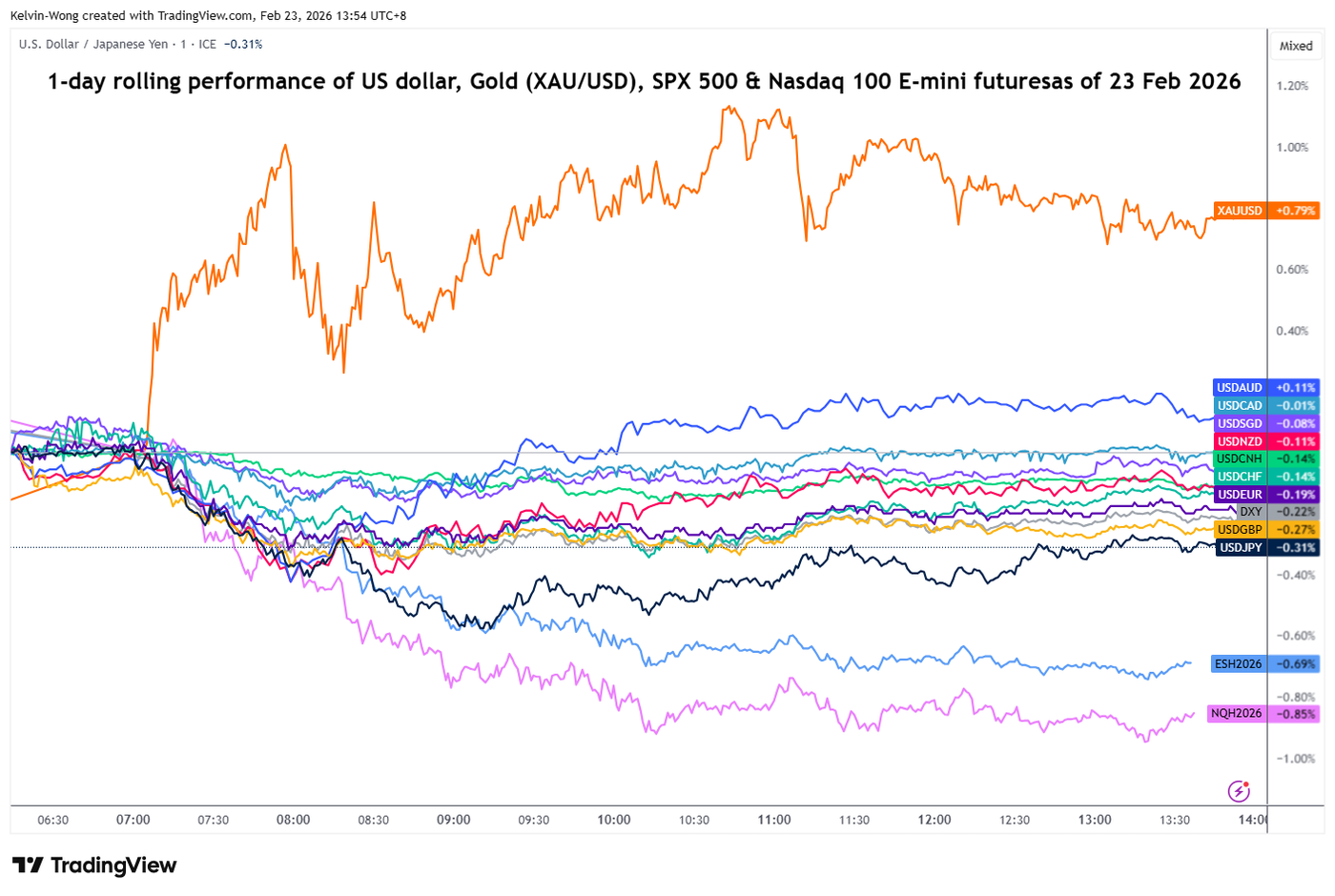
For cross-border e-commerce sellers, this creates a three-layer impact structure. First, the immediate cost layer: sellers importing goods face the new 15% blanket tariff, though this is partially offset by dollar weakness (DXY declined to 97.50 in March 2025, down 9% through 2025). US exporters benefit from currency depreciation making their products more competitive internationally, while importers relying on foreign materials face increased costs. The European Commission's demand that the US honor zero-tariff agreements on aircraft and spare parts signals selective tariff relief may emerge for specific categories, creating arbitrage opportunities for sellers in those corridors.
Second, the refund uncertainty layer creates operational risk. The Supreme Court did not rule on whether the $130 billion in already-collected duties must be refunded, leaving this to lower courts. TD Securities estimates the refund process could take 12-18 months, creating extended cash flow uncertainty. Critically, refunds will flow to importing companies, not consumers—meaning sellers who absorbed tariff costs gain competitive advantage over those who passed increases to customers. This creates a bifurcated market where cost-absorption capacity becomes a competitive moat.
Third, the procedural constraint layer opens negotiation windows. Unlike the previous IEEPA emergency authority, Section 301 and Section 122 require public hearings, stakeholder comments, and trading partner consultation before tariff implementation. This extends timelines but creates defined investigation periods where sellers can submit comments, request exemptions, or negotiate category-specific relief. The 150-day Section 122 limitation creates a hard deadline for policy reassessment, signaling that tariff structures will likely shift again by mid-2025. Manufacturing employment declined 80,000+ jobs in 2024 (weakest outside recessions since 2003), with economists attributing this to tariff-related business paralysis—indicating sellers who maintain supply chain flexibility will outperform those locked into fixed sourcing.
問題 8
Will importers receive refunds for the $130 billion in tariffs already paid?
Trade lawyers predict importers will likely receive refunds, but the timeline remains highly uncertain. The Supreme Court remanded the refund determination to lower courts, and TD Securities estimates the process could take 12-18 months to complete. U.S. Customs has never managed simultaneous refunds for thousands of importers and billions of dollars, creating significant operational challenges. Critically, refunds will go to importing companies, not consumers—meaning sellers who absorbed tariff costs during the period gain competitive advantage over those who passed increases to customers. Sellers should immediately consult trade counsel to document tariff payments and prepare refund claims, as the process will likely require detailed entry-level documentation.
Which product categories might receive tariff exemptions or relief?
The European Commission has demanded the US honor its zero-tariff agreement on aircraft and spare parts, signaling selective tariff relief may emerge for specific categories. Section 301 investigations require public hearings and stakeholder comments, creating opportunities for sellers to request category-specific exemptions. High-value categories like semiconductors (Taiwan), batteries (South Korea), and automotive components face particular scrutiny, as these are critical to US manufacturing. India's postponed trade delegation suggests potential relief for Indian goods (textiles, pharmaceuticals, IT services) if negotiations resume. Sellers should monitor Federal Register notices for Section 301 investigation openings and submit comments requesting exemptions for their product categories during the 30-60 day comment periods.