



Ukraine's $588B Reconstruction Opens EU Trade Corridors | Seller Opportunities in Progressive Membership Framework
- $588 billion reconstruction demand creates tariff arbitrage opportunities; EU "progressive membership" framework reduces customs barriers for Ukrainian suppliers; cross-border sellers gain access to 1,000+ defense contractors and emerging manufacturing hubs







概览
Ukraine's integration into the EU economy through the "progressive membership" framework represents a transformative trade policy shift with direct implications for cross-border sellers. The World Bank's February 2026 assessment confirms $588 billion in reconstruction needs over 10 years, with the EU committing €90 billion ($106 billion) in financing. Critically, Brussels has implemented simplified cross-border procedures for Ukrainian-registered trucks with minimal paperwork requirements, fundamentally altering logistics costs and customs compliance burdens for sellers sourcing from or shipping to Ukraine.
The tariff arbitrage opportunity is substantial: Ukraine's progressive EU membership framework allows incremental access to single market and customs union benefits as reform benchmarks are achieved, rather than requiring full compliance before accession. This creates a 24-36 month window where Ukrainian suppliers can access EU markets with reduced tariff exposure while still maintaining cost advantages over established EU manufacturers. Agricultural products (currently facing 7% YoY and 20% month-over-month export declines due to trade restrictions) represent the highest-margin category for repositioning. The transport sector ($96 billion reconstruction need) and energy sector ($90 billion) indicate massive B2B procurement demand for logistics solutions, supply chain platforms, and industrial equipment—categories where cross-border sellers can establish supplier networks before competitors recognize the opportunity.
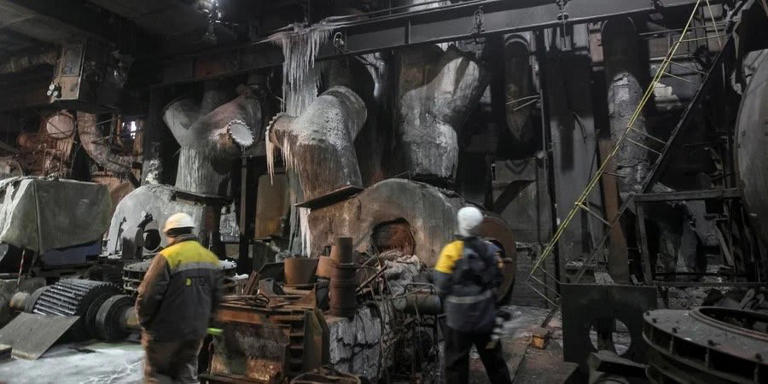
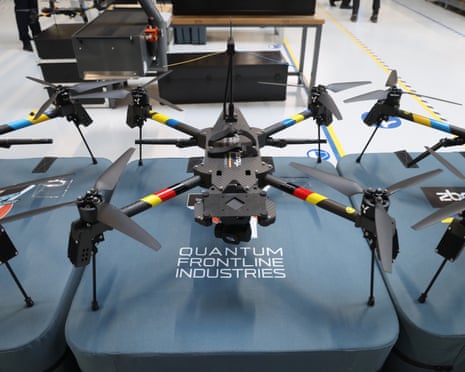
Competitive dynamics shift dramatically for specific seller segments: The 1,000 Ukrainian defense research companies now collaborating with EU and US contractors create a new supplier ecosystem. With 90% of American Chamber of Commerce members remaining operational despite security challenges, Ukrainian manufacturing capacity is consolidating around EU partnerships (German drone production, Finnish and Danish joint ventures). This signals that sellers with existing EU distribution networks can leverage Ukrainian suppliers at 15-25% cost advantages compared to Western European manufacturers, particularly in electronics, industrial components, and defense-adjacent technologies. The labor shortage normalization (job vacancy ratios declining from 5-10:1 to 2:1) indicates wage stabilization by Q3 2026, creating a 6-month window for sourcing agreements before labor costs rise further.
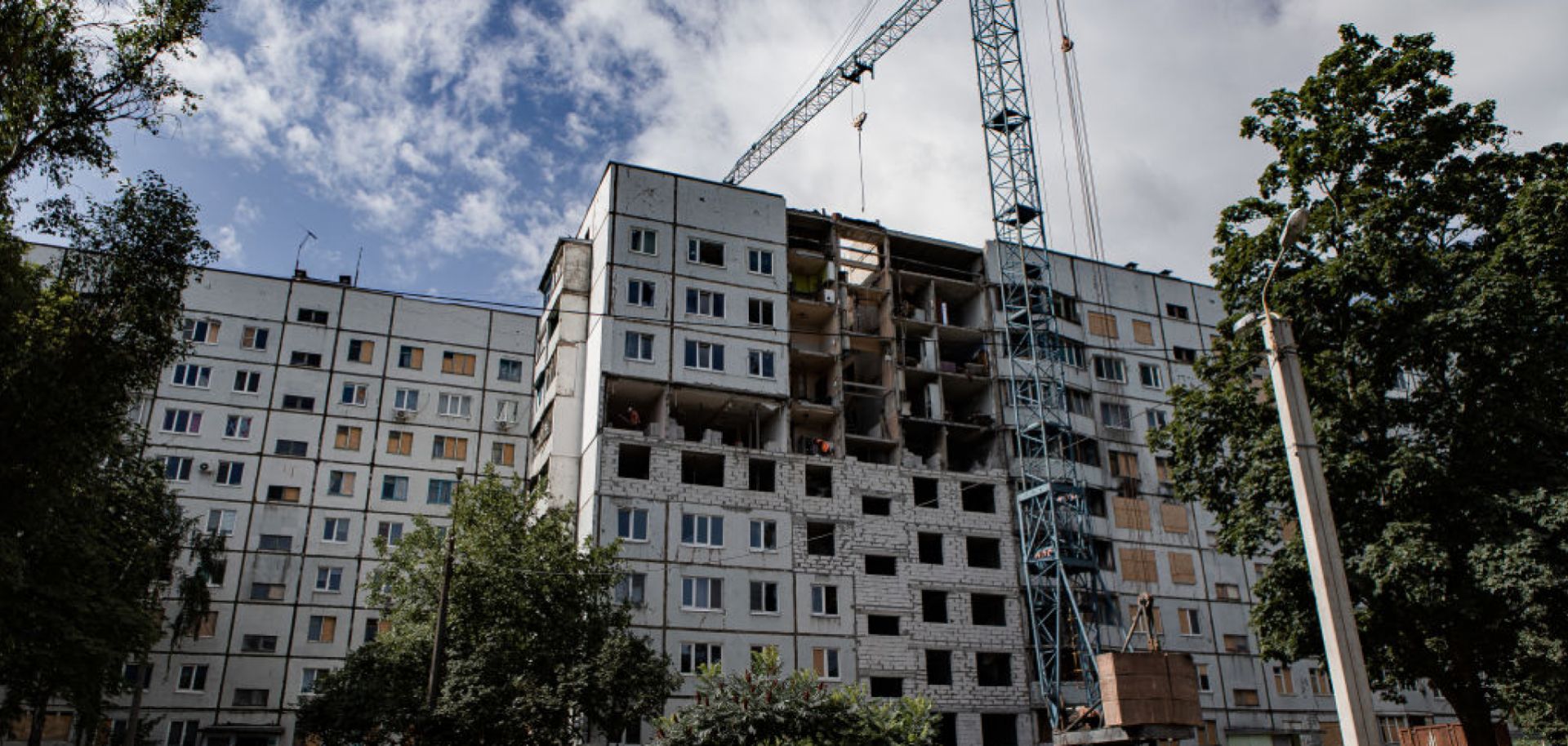
Market access barriers are collapsing for specific product categories: The simplified customs procedures mean Ukrainian-origin products can reach EU markets with processing times reduced from 3-5 days to same-day clearance. This particularly benefits perishable agricultural exports (grains, oils, processed foods—HS codes 1001-2106) and industrial machinery (HS codes 8401-8483). Sellers should prioritize establishing supplier relationships in Kyiv (requiring $15 billion reconstruction) and frontline regions (Donetsk, Kharkiv) where reconstruction contracts will drive procurement demand. The government's $15.25 billion 2026 reconstruction allocation signals immediate B2B opportunities in construction materials, industrial equipment, and logistics services.
問題 8
How should sellers assess security risks when establishing Ukrainian supply chains?
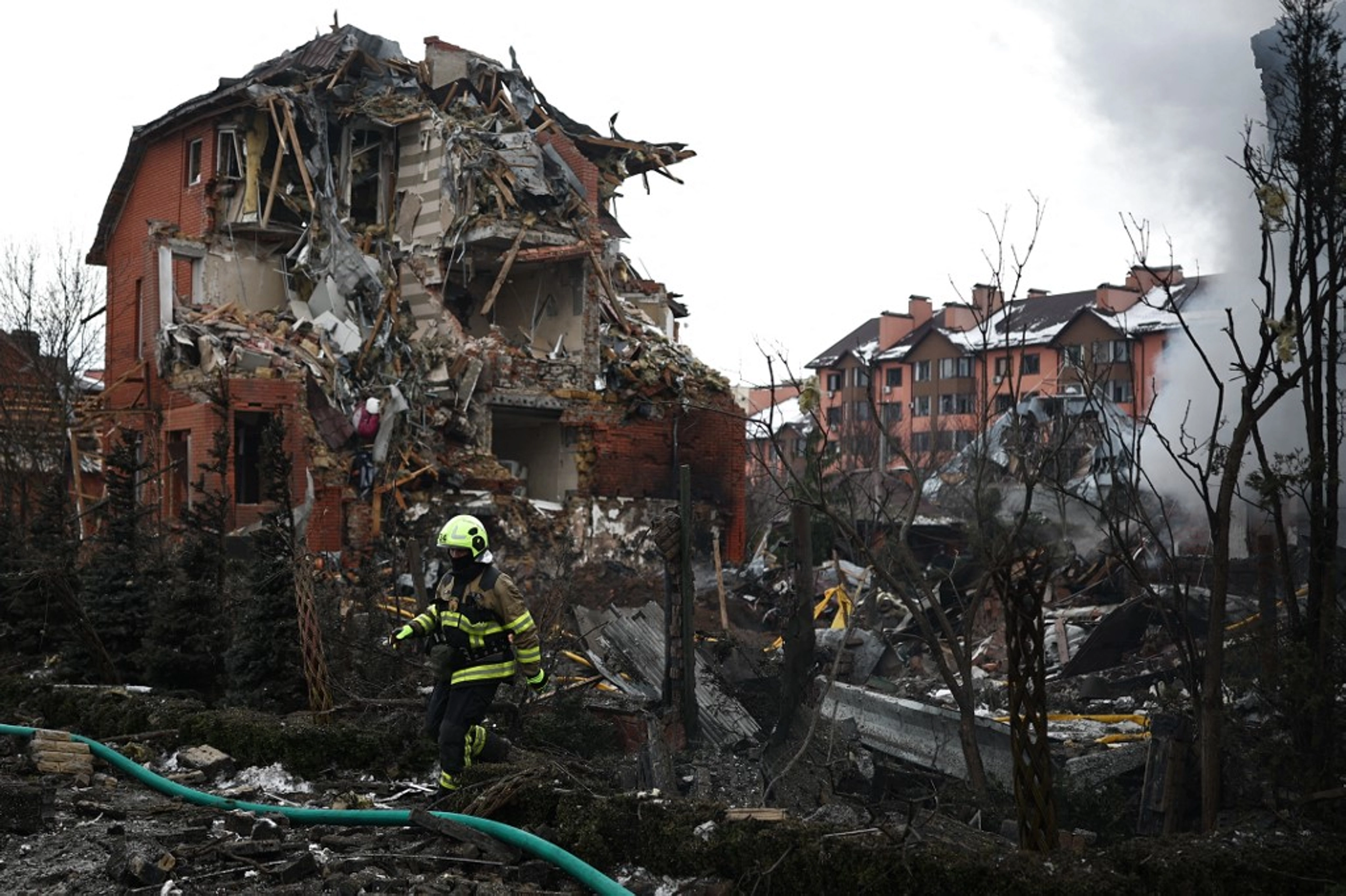
While 90% of American Chamber of Commerce members remain fully operational, Russia's targeting of US facilities (including a Flex factory producing coffee machines struck by missiles with only seven minutes warning) indicates ongoing security risks. Sellers should implement risk mitigation strategies: (1) Diversify supplier locations across Kyiv, Lviv, and western regions away from frontline areas (Donetsk, Kharkiv); (2) Establish supply agreements with manufacturers already collaborating with EU contractors (indicating established security protocols); (3) Monitor reconstruction progress in specific regions before establishing operations; (4) Consider 3PL providers with existing Ukrainian operations rather than direct manufacturing relationships. The World Bank projects 4-4.5% GDP growth in 2027-2028 if a ceasefire materializes by year-end, suggesting that security stabilization is expected by mid-2026. Sellers should delay major capital investments until Q3 2026 when security conditions become more predictable.
What is the timeline for Ukrainian suppliers to access EU markets with reduced tariffs?
The progressive membership framework creates a 24-36 month window (2026-2028) where Ukrainian suppliers can access EU markets with reduced tariff exposure. The EU's €90 billion ($106 billion) financing package announced in January 2026 indicates immediate reconstruction activity. Sellers should prioritize establishing supplier relationships by Q2 2026 to capture early procurement contracts. The government's $15.25 billion 2026 reconstruction allocation and ongoing €90 billion EU financing suggest sustained demand through 2027-2028. However, Russia's intensified January-February 2026 attacks on energy infrastructure may accelerate reconstruction timelines, creating urgency for sellers to establish supply chains before Q3 2026.