


Trade Order Collapse Creates Tariff Arbitrage Windows | Cross-Border Sellers Face Fragmented Markets
- Tariff volatility surges as US abandons rules-based system; middle powers (40% global GDP) build alternative trade blocs creating 6-18 month opportunity windows for sellers to exploit tariff differentials and market access gaps








概览
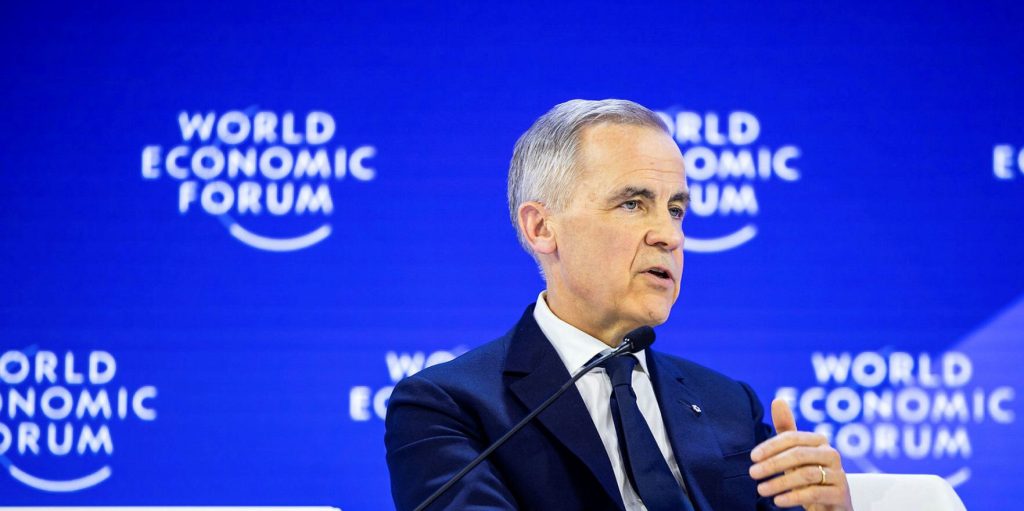
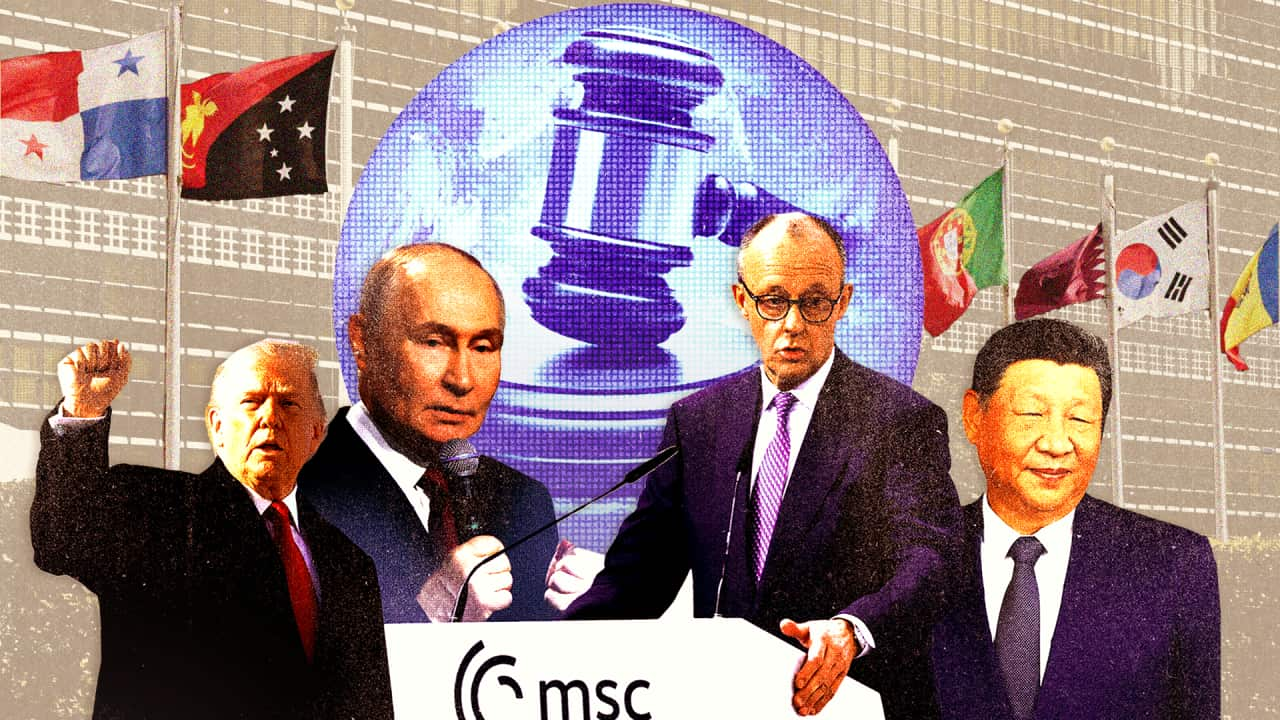
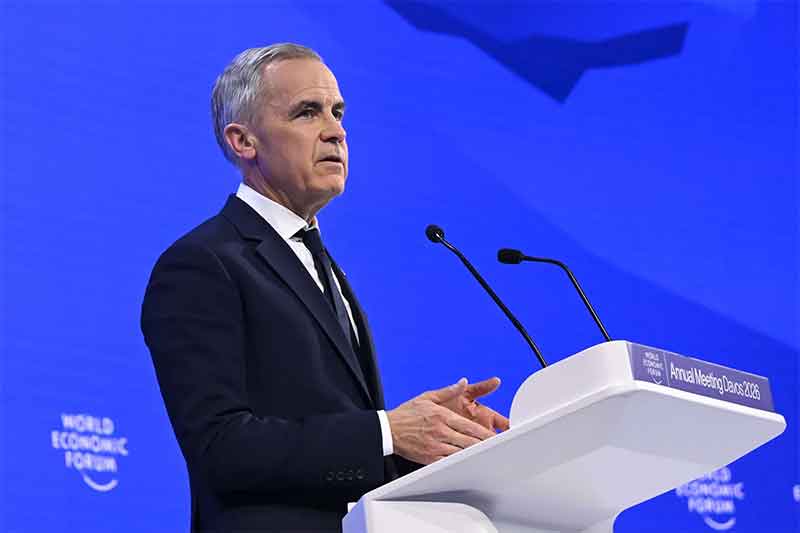
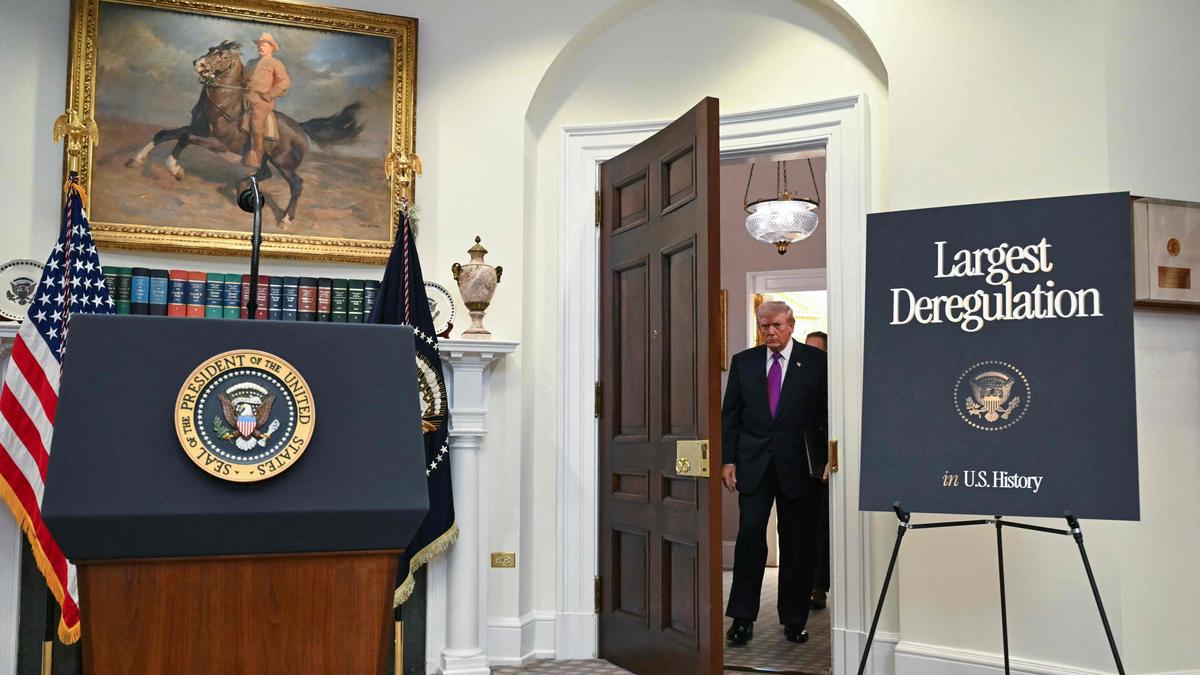
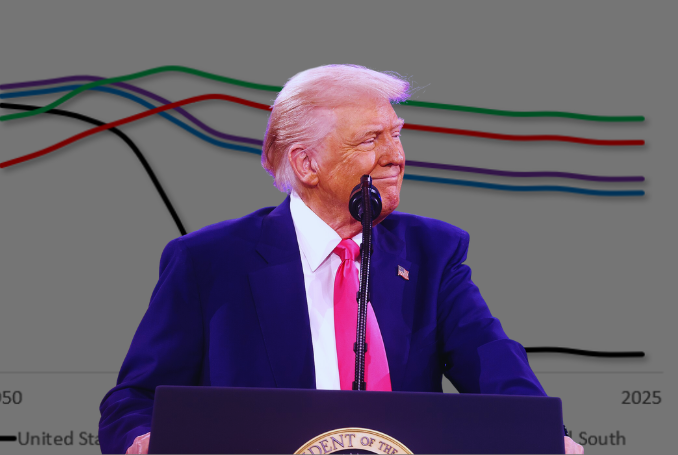
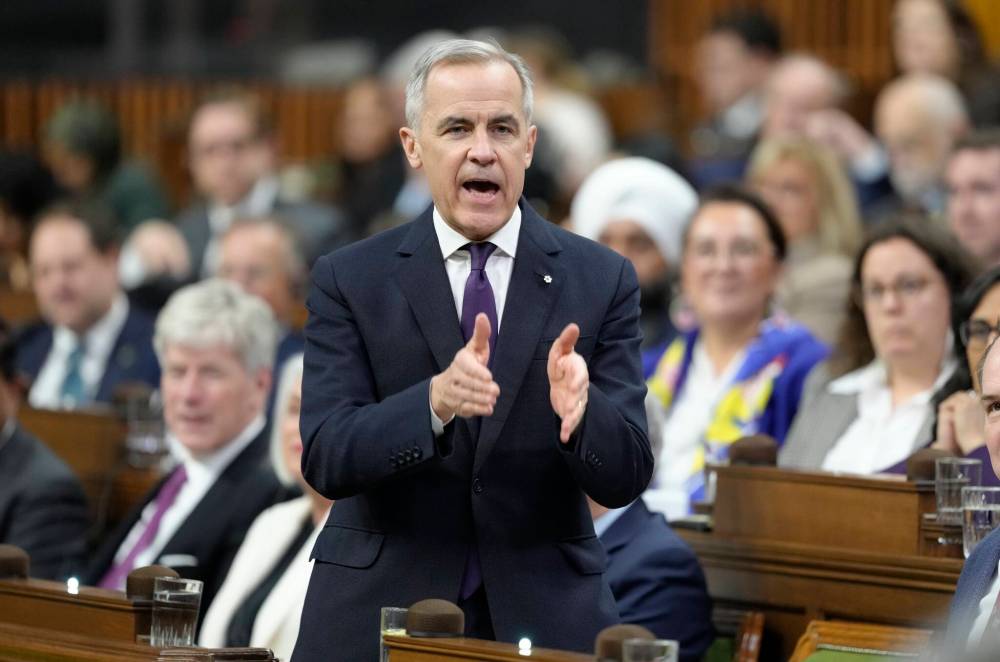
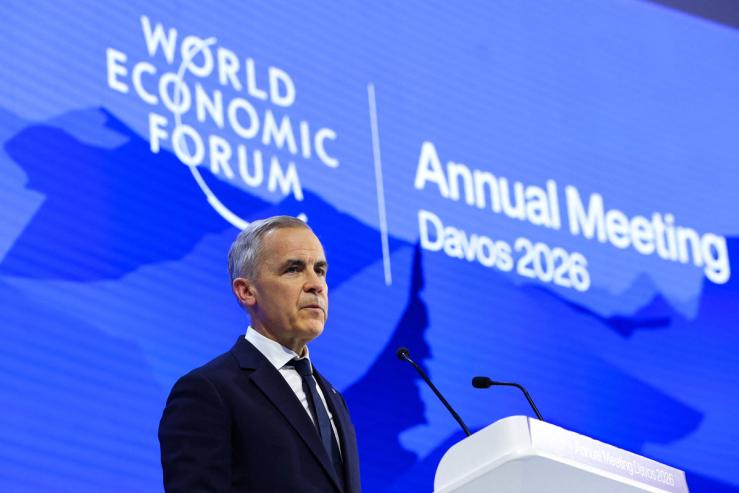
The collapse of the post-WWII rules-based trade order, declared by Canadian PM Mark Carney at Davos 2025 and confirmed by German Chancellor Friedrich Merz at Munich Security Conference, fundamentally reshapes cross-border e-commerce dynamics. The Trump administration's weaponization of tariffs, financial infrastructure, and supply chains as coercive tools has dismantled 80+ years of predictable trade frameworks, creating unprecedented volatility for sellers operating across multiple jurisdictions.
Specific tariff arbitrage opportunities are emerging immediately: Canada's landmark China deal permits 49,000 electric vehicles at 6.1% most-favored-nation tariff (vs. US tariffs exceeding 25%), while Chinese tariffs on Canadian canola collapsed from 85% to 15%. The EU-India free-trade agreement, stalled 20 years, accelerated by January 2025 due to tariff concerns, signaling rapid bilateral deal-making. These tariff differentials create 15-25% margin improvement windows for sellers sourcing from or selling to these markets before competitive arbitrage closes the gap.
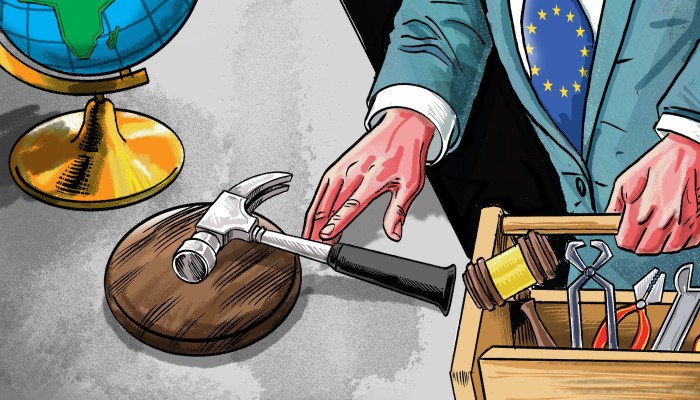
Middle-power consolidation (Canada, EU, Japan, Australia, India, Brazil—40% of global GDP) is building alternative trade infrastructure through CPTPP expansion (Thailand, Philippines, Indonesia, South Korea queued for membership) and EU-led frameworks. This fragmentation creates three distinct competitive zones: US-centric (declining predictability), EU-CPTPP bloc (emerging stability), and China-aligned corridor (rapid growth). Sellers must immediately audit which tariff regime their supply chains fall under and reposition inventory accordingly.
The operational impact is severe: Logistics costs become unpredictable as countries implement protectionist measures favoring domestic sellers. Currency instability intensifies as nations discuss financial decoupling from the dollar toward euro and yuan alternatives. Compliance requirements diverge sharply—what satisfies EU standards may trigger US tariffs, and vice versa. Sellers face 8-15% cost increases from tariff volatility alone, plus 3-6 week delays from customs uncertainty.
The timing window is critical: The 6-18 month period before alternative trade blocs stabilize represents maximum arbitrage opportunity. Sellers who reposition supply chains toward CPTPP-EU corridors or exploit China-Canada tariff reductions can capture 12-18% margin improvements before competitors follow. However, Trump's threatened tariff retaliation on Canada and EU creates counter-risk, requiring hedging strategies and dual-sourcing approaches.
問題 7
How should I adjust my sourcing strategy given supply chain fragmentation?
The collapse of unified trade rules means single-source supply chains are now high-risk. Implement dual-sourcing immediately: maintain primary sourcing from one trade bloc (e.g., CPTPP for electronics) and secondary sourcing from another (e.g., EU for components). This hedges against tariff shocks and supply disruptions. Canada's tariff deals with China create sourcing opportunities in Chinese EVs and clean tech—but Trump's threatened retaliation means you need US-based alternatives as backup. For sellers currently sourcing 100% from China, shift 20-30% to CPTPP countries (Vietnam, Thailand, Indonesia) by Q2 2025. For US-based sellers, evaluate EU sourcing for products facing Trump tariffs. The cost of dual-sourcing (5-8% premium) is justified by tariff volatility risk (8-15% swings). Timeline: Complete sourcing audit by January 2025, implement dual-sourcing by Q2 2025, before tariff windows close and competitors follow.
Which product categories benefit most from the China-Canada tariff reduction?
Agricultural products and electric vehicles see immediate tariff arbitrage. Chinese tariffs on Canadian canola dropped from 85% to 15%—a 70-percentage-point reduction creating massive margin improvement for sellers exporting Canadian agricultural goods to China or importing Chinese EVs to Canada. Electronics, clean technology components, and energy-related products also benefit from the Canada-China collaboration agreement. However, sellers must move quickly: these tariff windows typically close within 6-18 months as competitors exploit the same arbitrage. Consider repositioning 20-30% of inventory toward CPTPP-aligned sourcing (Thailand, Philippines, Indonesia, South Korea) before these markets fully integrate and tariff advantages normalize.