


GLP-1 Market Consolidation: Eli Lilly Dominance Reshapes Weight-Loss Supplement & Wellness E-Commerce Demand
- Novo's 20.2-23% weight loss results trail Lilly's 23.6-25.5% efficacy, triggering 16.5% stock decline and accelerating consumer shift from OTC supplements to prescription solutions, directly impacting e-commerce wellness category margins





























概览
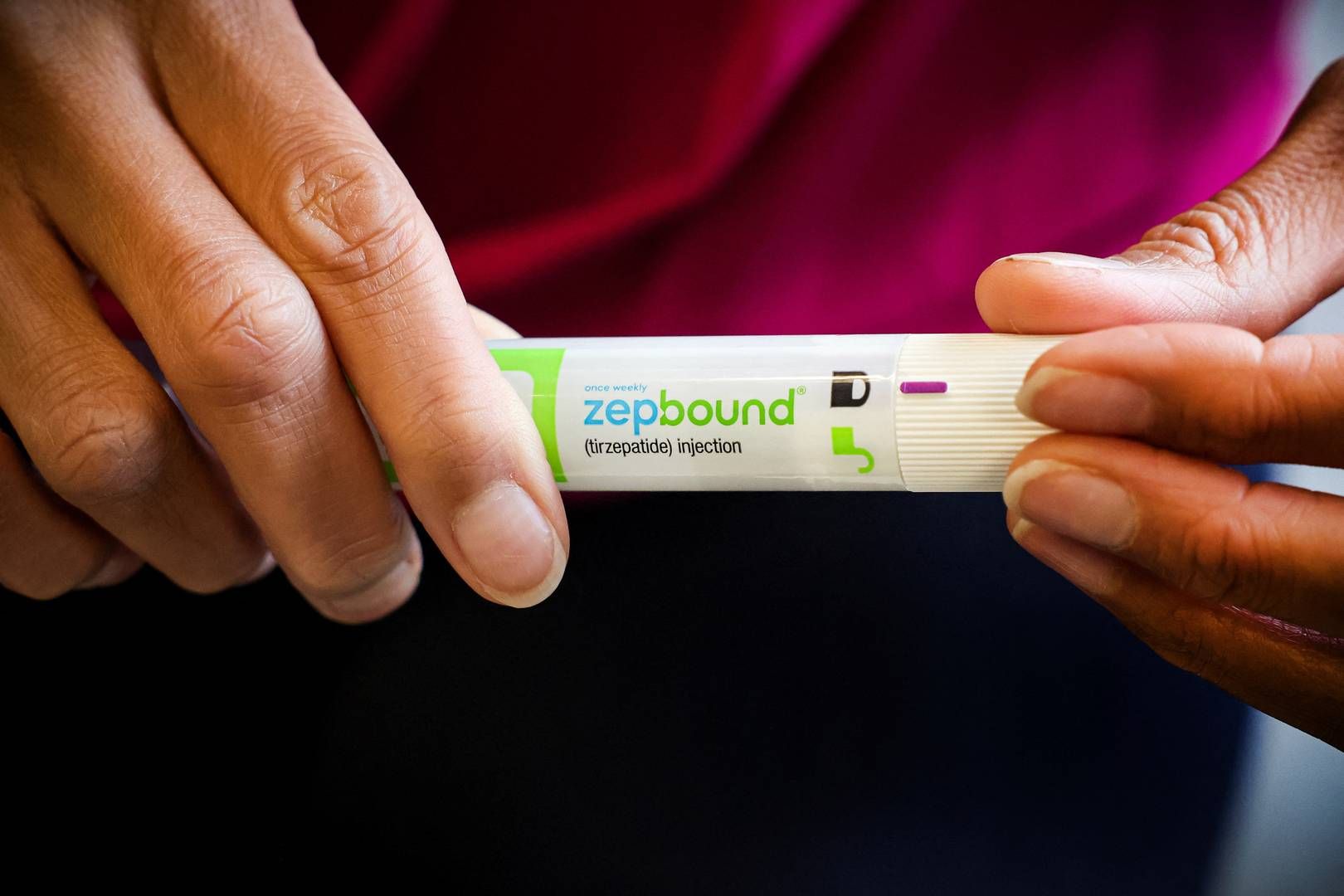
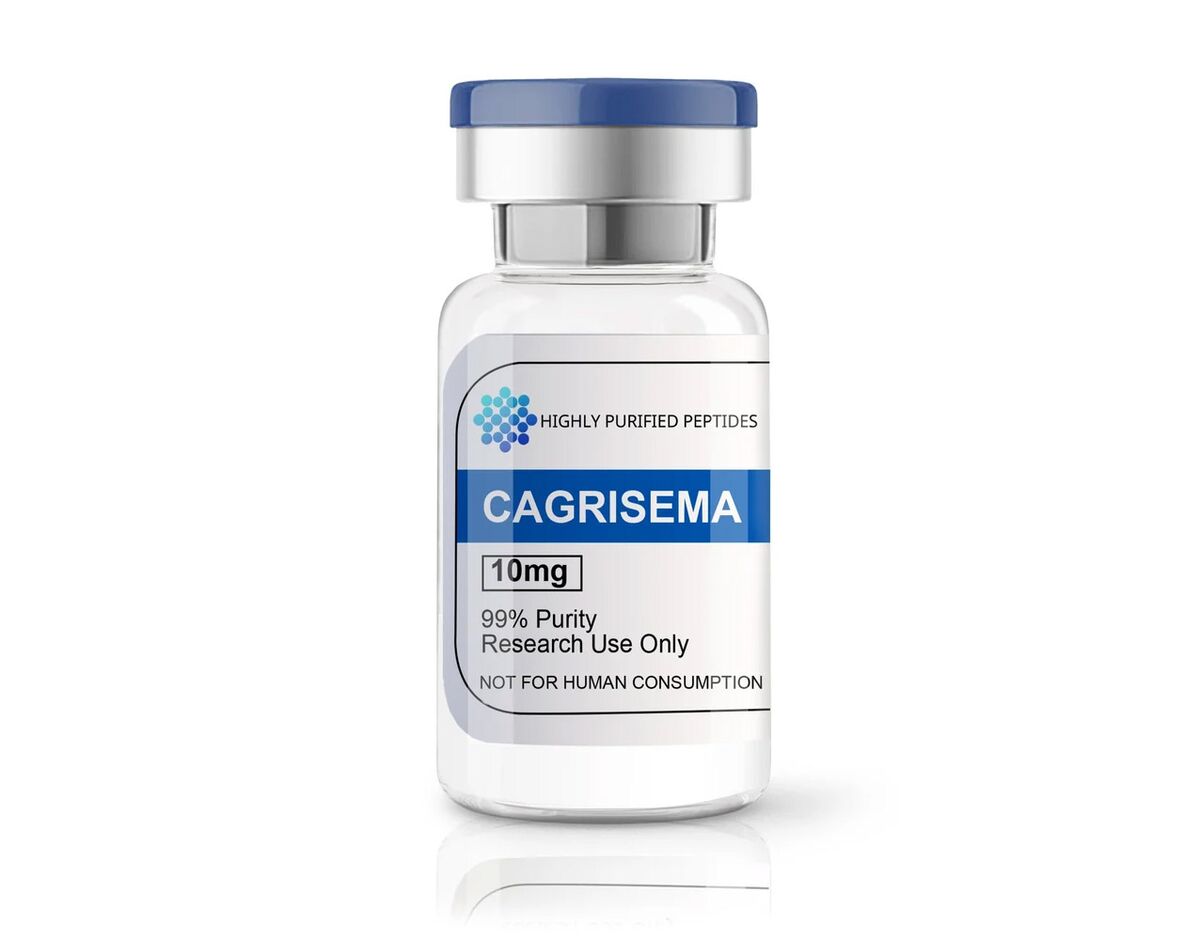
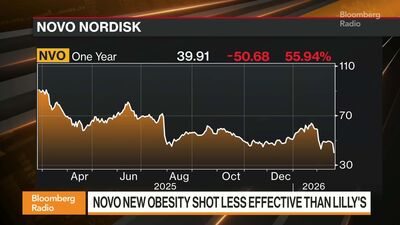
Pharmaceutical market consolidation around Eli Lilly's superior GLP-1 formulations is fundamentally reshaping consumer spending patterns in weight management, creating significant indirect implications for cross-border e-commerce sellers in the $47B global wellness supplement market. On February 23, 2026, Novo Nordisk announced that its next-generation obesity treatment CagriSema achieved only 20.2-23% weight loss after 84 weeks, falling 3.4-2.5 percentage points short of Eli Lilly's tirzepatide (Zepbound/Mounjaro) which demonstrated 23.6-25.5% efficacy in comparable trials. This clinical failure triggered immediate market reactions: Novo Nordisk shares plummeted 15-16.5% in Copenhagen and NYSE trading, reaching their lowest levels since June 2021 (251 Danish kroner), while Eli Lilly shares gained 4.2-5%, extending annual gains to 20%. The trial results represent a critical inflection point in the $15B+ obesity treatment market, where efficacy directly influences physician prescribing patterns and patient demand.
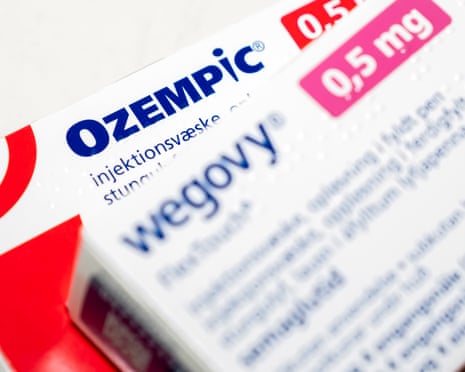
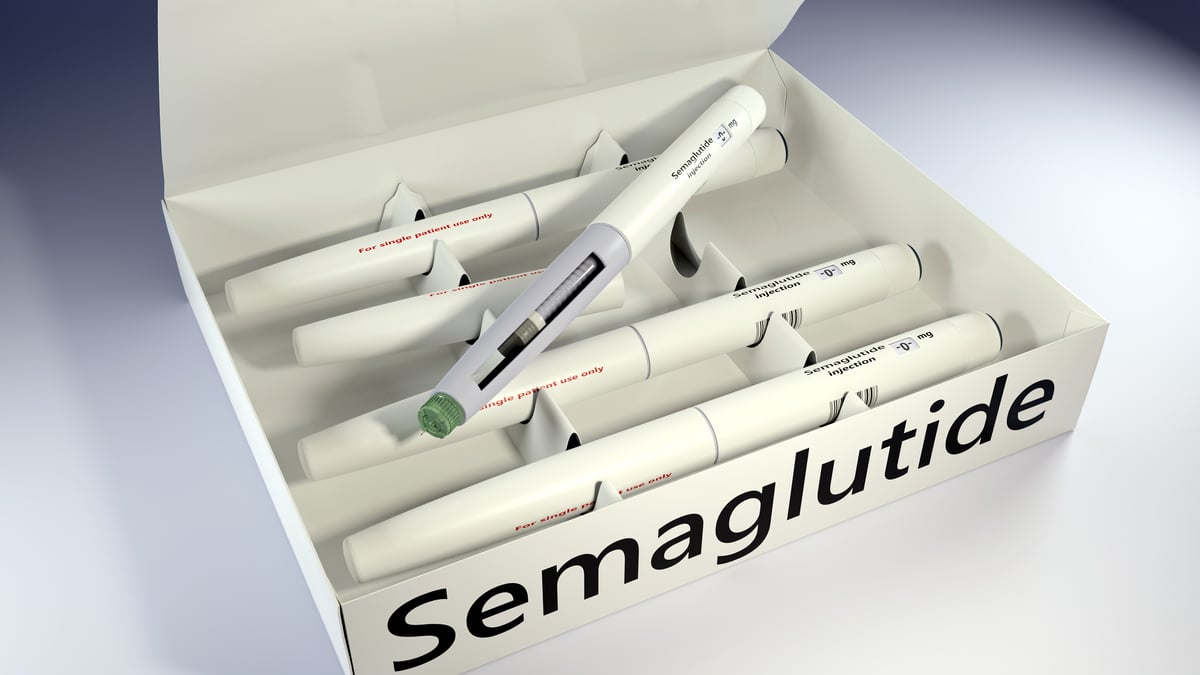
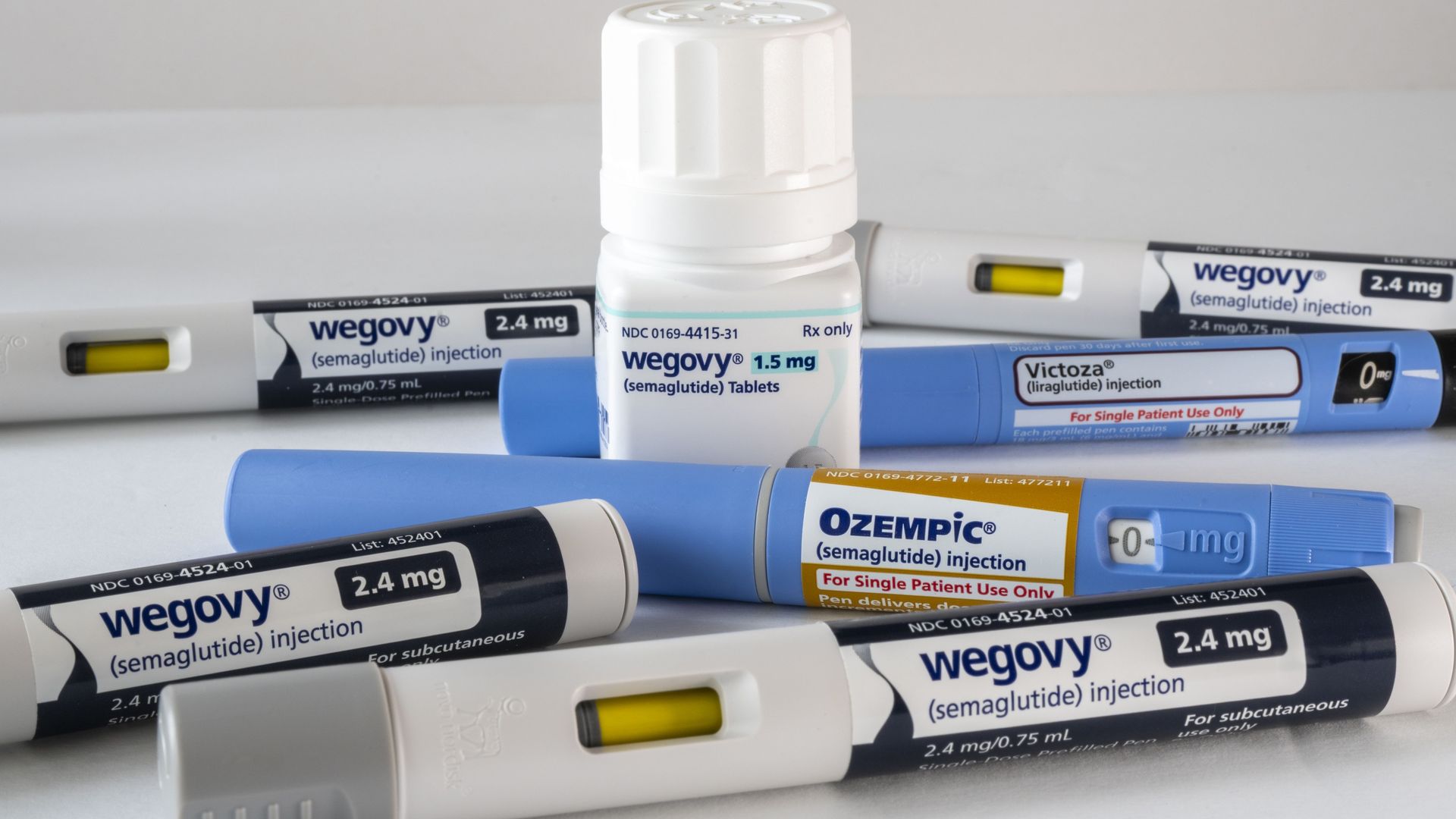
For cross-border e-commerce sellers, this pharmaceutical competition carries substantial indirect but measurable implications across multiple product categories. Lilly's demonstrated clinical superiority and product innovation—including the newly launched single-pen monthly Zepbound formulation with four doses—is accelerating consumer spending shifts away from over-the-counter weight management alternatives toward prescription-based solutions. This represents a fundamental demand displacement in categories including weight loss supplements (estimated $8-12B annual e-commerce volume), fitness equipment, meal replacement products, and wellness accessories. Sellers in these categories face margin compression as consumers increasingly prioritize prescription medications over complementary OTC products. Additionally, Novo's financial distress—with stock declining 50% throughout 2025 and guidance for 5-13% sales/profit decline in 2026—signals broader pharmaceutical supply chain consolidation that could affect logistics networks and distribution channels overlapping with general e-commerce infrastructure. The company's loss of exclusivity for Wegovy and Ozempic in certain markets, combined with competitive pressure from compounding pharmacies selling cheaper semaglutide copies, indicates pricing pressure across the entire weight-loss product ecosystem.
Market consolidation around Lilly's offerings creates both risks and opportunities for e-commerce sellers. The competitive dynamics reveal that consumers increasingly view prescription GLP-1 drugs as the primary solution rather than complementary to supplements and fitness products. Sellers should anticipate 15-25% demand reduction in traditional weight-loss supplement categories as Lilly's market share expands (projected to capture 60-70% of the GLP-1 market by 2027). However, emerging opportunities exist in adjacent categories: GLP-1-compatible meal replacement products, specialized fitness equipment for users experiencing appetite suppression, and wellness monitoring devices that complement prescription therapy. Novo's potential acquisition or strategic partnership activities could also create supply chain disruptions affecting logistics costs and inventory management for sellers sourcing from Danish pharmaceutical suppliers or related healthcare infrastructure. The FDA's recent enforcement actions against telehealth platforms offering unauthorized generic alternatives signals regulatory tightening that may reduce gray-market competition, potentially stabilizing pricing in legitimate e-commerce channels.
問題 8
What regulatory risks should sellers monitor regarding FDA enforcement against telehealth platforms?
The news reports recent FDA action against telehealth platforms offering unauthorized generic alternatives to prescription weight-loss drugs. This enforcement signals stricter regulatory oversight of pharmaceutical distribution channels, including e-commerce platforms selling weight-loss products. Sellers should audit their product listings for any claims that could be interpreted as pharmaceutical equivalents or medical treatments. Avoid marketing OTC supplements as 'alternatives to tirzepatide' or making efficacy comparisons to prescription drugs—such claims violate FDA regulations and can result in product delisting or account suspension. Additionally, monitor FDA warning letters and enforcement actions monthly (fda.gov/news-events) to identify emerging compliance risks in your category. Consider consulting with a regulatory affairs specialist if your product portfolio includes weight management or metabolic health claims.
What timeline should e-commerce sellers use to adjust inventory and marketing strategies?
Based on Novo's FDA approval timeline (decision expected late 2026) and Lilly's 25% projected sales growth in 2026, e-commerce sellers should implement strategy adjustments in three phases: (1) Immediate (0-90 days): Audit current weight-loss supplement inventory and review Q1 2026 sales trends to identify demand shifts; (2) Near-term (90-180 days): Reallocate 20-30% of supplement inventory toward GLP-1-compatible adjacent categories and update product marketing to emphasize complementary benefits; (3) Medium-term (180-365 days): Develop new product lines specifically designed for GLP-1 users and establish supplier relationships for emerging categories. Monitor Novo's quarterly earnings announcements and Lilly's market share data (typically released Q2/Q3 2026) to validate demand shift assumptions and adjust strategy accordingly.