


Humanoid Robot Surge 2026 | AI Automation Opportunities for E-Commerce Sellers
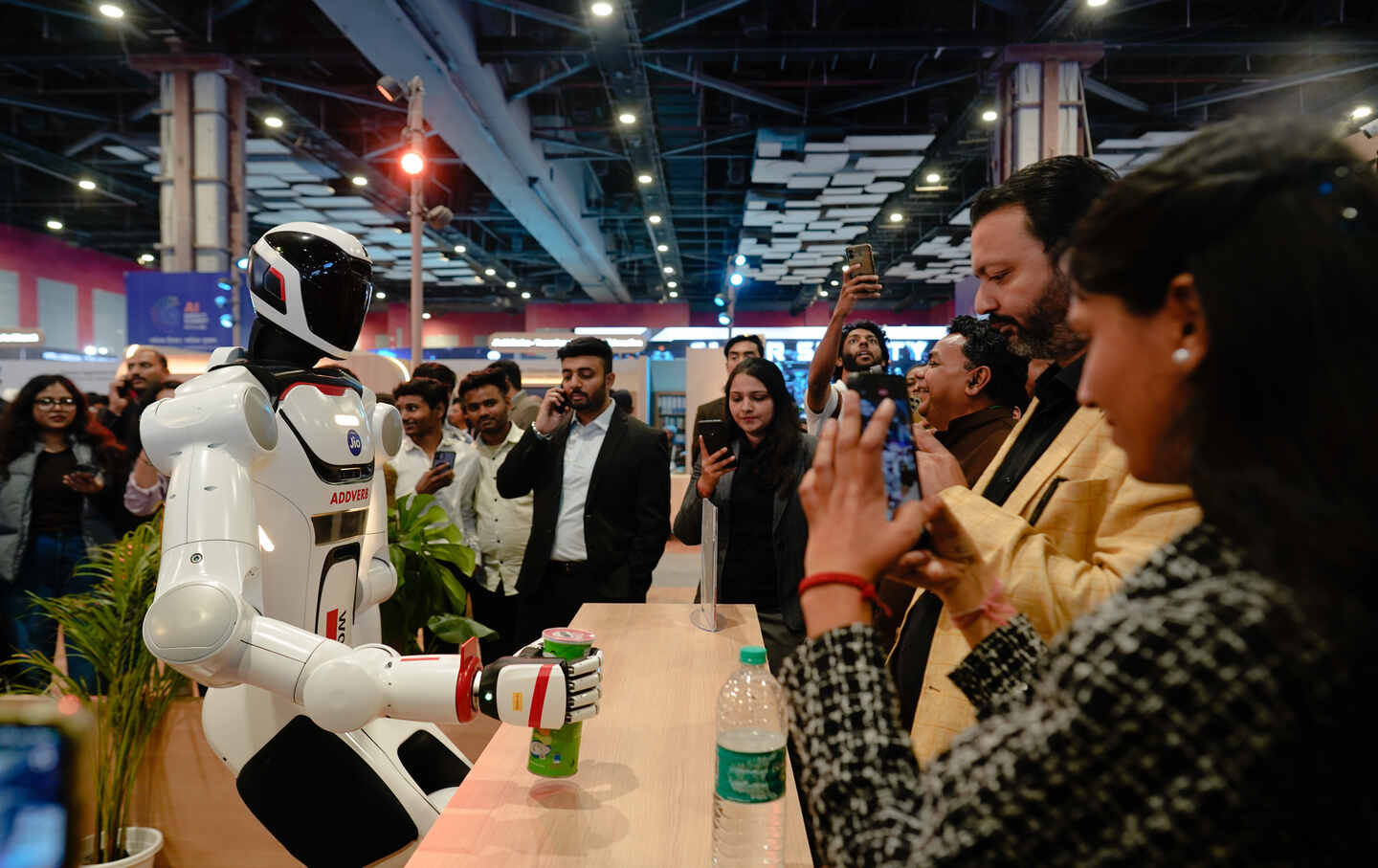
- Addverb's Elixis-W showcases warehouse automation potential; sellers can leverage robotics for fulfillment efficiency and competitive advantage in high-volume operations



概览
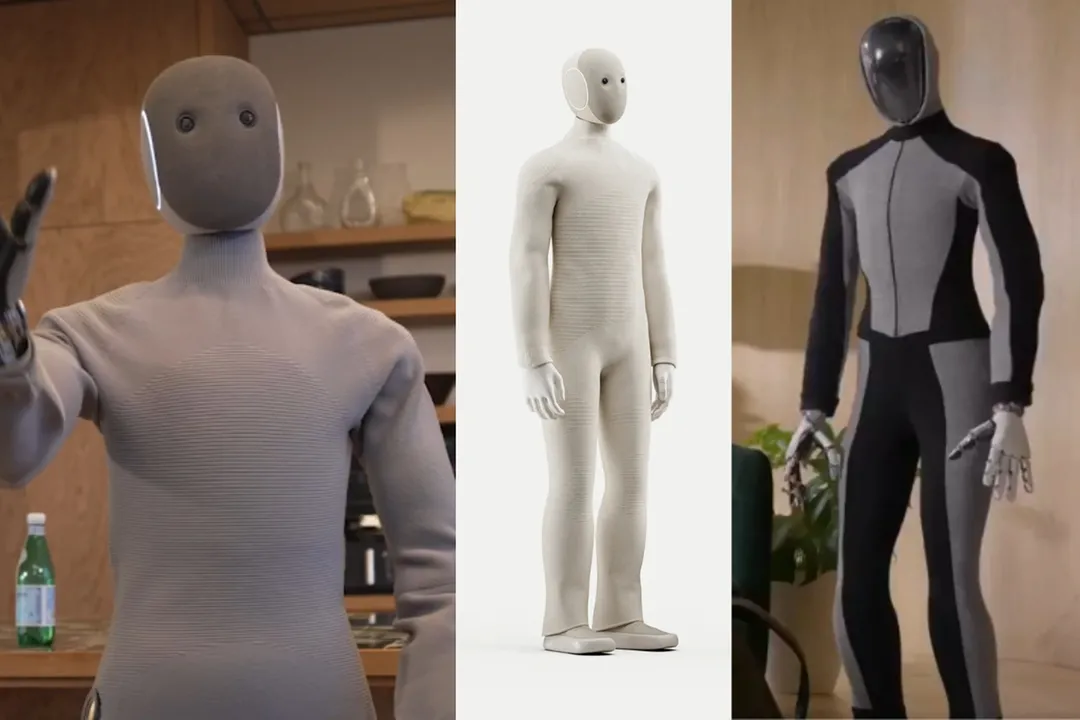
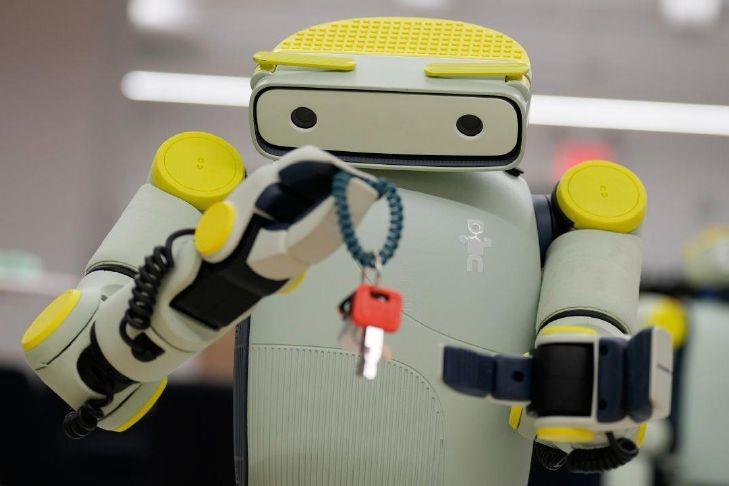
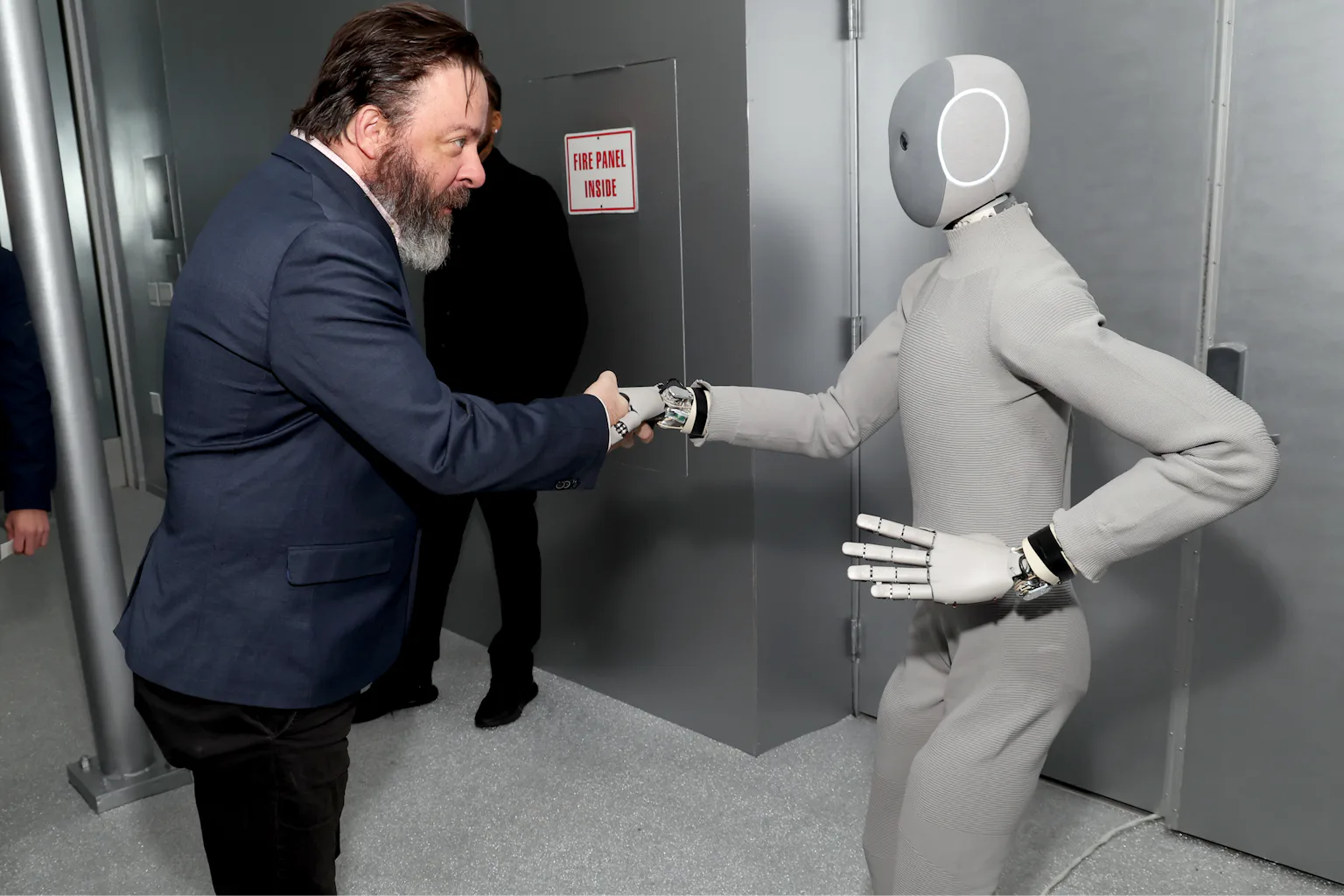
The surge in humanoid robot development, highlighted at the AI Impact Summit in New Delhi on February 20, 2026, represents a transformative opportunity for e-commerce sellers seeking to automate warehouse operations and customer service functions. Addverb Technologies' Elixis-W humanoid robot demonstrates practical applications in human-machine interaction and task automation—capabilities directly applicable to fulfillment centers, inventory management, and customer engagement. As companies invest significantly in developing robots capable of performing varied tasks from simple interactions to complex operations, e-commerce sellers face both competitive pressure and opportunity to adopt these technologies for operational efficiency.
For e-commerce sellers, the immediate automation opportunity centers on warehouse and fulfillment operations. Humanoid robots can handle repetitive picking, packing, and sorting tasks that currently consume 30-40% of fulfillment labor costs. Sellers operating their own 3PL facilities or managing high-volume inventory (1,000+ units daily) can reduce fulfillment costs by 15-25% through robotic automation. The technology enables sellers to maintain competitive pricing while improving delivery speed—critical factors for Amazon Buy Box eligibility and eBay Best Match rankings. Additionally, humanoid robots with enhanced human-machine interaction capabilities can power next-generation customer service automation, handling product inquiries, returns processing, and order status updates 24/7 without human intervention.
The competitive intelligence angle is equally significant. Sellers who adopt humanoid robotics in their fulfillment operations gain a 2-4 week speed advantage in order processing compared to manual operations, directly improving customer satisfaction metrics and platform algorithmic ranking. Large sellers (10,000+ monthly units) can achieve 8-12% margin improvement through labor cost reduction, enabling aggressive pricing strategies that smaller competitors cannot match. The technology also addresses the employment displacement concerns raised by tech critics like Paris Marx—sellers can position robotic adoption as workforce augmentation rather than replacement, retraining displaced workers for quality control and customer service roles that robots cannot yet perform effectively.
Strategic sellers should monitor three key developments: (1) Humanoid robot pricing and availability timelines—current prototypes cost $150K-300K per unit, but mass production could reduce costs to $50-80K by 2027-2028; (2) Integration capabilities with existing warehouse management systems (WMS) and inventory platforms like Shopify, Amazon Seller Central, and eBay; (3) Regulatory frameworks around robot deployment in commercial settings, which will determine adoption speed across regions. The ethical considerations highlighted in the summit discussion—employment impact, robot deployment guidelines, and worker retraining—will shape policy decisions affecting robot accessibility and cost for sellers.
問題 8
How do humanoid robots improve customer service automation for online sellers?
Humanoid robots with enhanced human-machine interaction capabilities can handle product inquiries, returns processing, and order status updates 24/7 without human intervention. Unlike traditional chatbots, humanoid robots can physically interact with customers in showroom or fulfillment center settings, creating memorable brand experiences that improve customer lifetime value. For sellers operating physical locations or pop-up experiences, robots can reduce customer service labor costs by 20-30% while improving response times from hours to seconds. This capability is particularly valuable for sellers in electronics, home goods, and luxury categories where product demonstrations drive conversion rates.
When will humanoid robot costs become affordable for mid-size e-commerce sellers?
Current humanoid robot prototypes cost $150K-300K per unit, making them economical only for sellers processing 500+ orders daily. Industry projections suggest mass production will reduce costs to $50-80K per unit by 2027-2028, expanding accessibility to mid-size sellers processing 200-300 daily orders. At $50-80K price points, payback periods compress to 12-18 months for mid-volume operations. Sellers should monitor Addverb Technologies and competing manufacturers for production timeline announcements, as cost reduction will trigger rapid adoption waves across fulfillment categories. Early investment in WMS integration planning now positions sellers to deploy robots immediately when affordable units become available.