



EU Energy Instability Threatens Eastern European E-Commerce Markets | Seller Risk Alert
- Hungary and Slovakia block €90B Ukraine aid, disrupt logistics corridors affecting 15,000+ cross-border sellers in Central Europe








概览
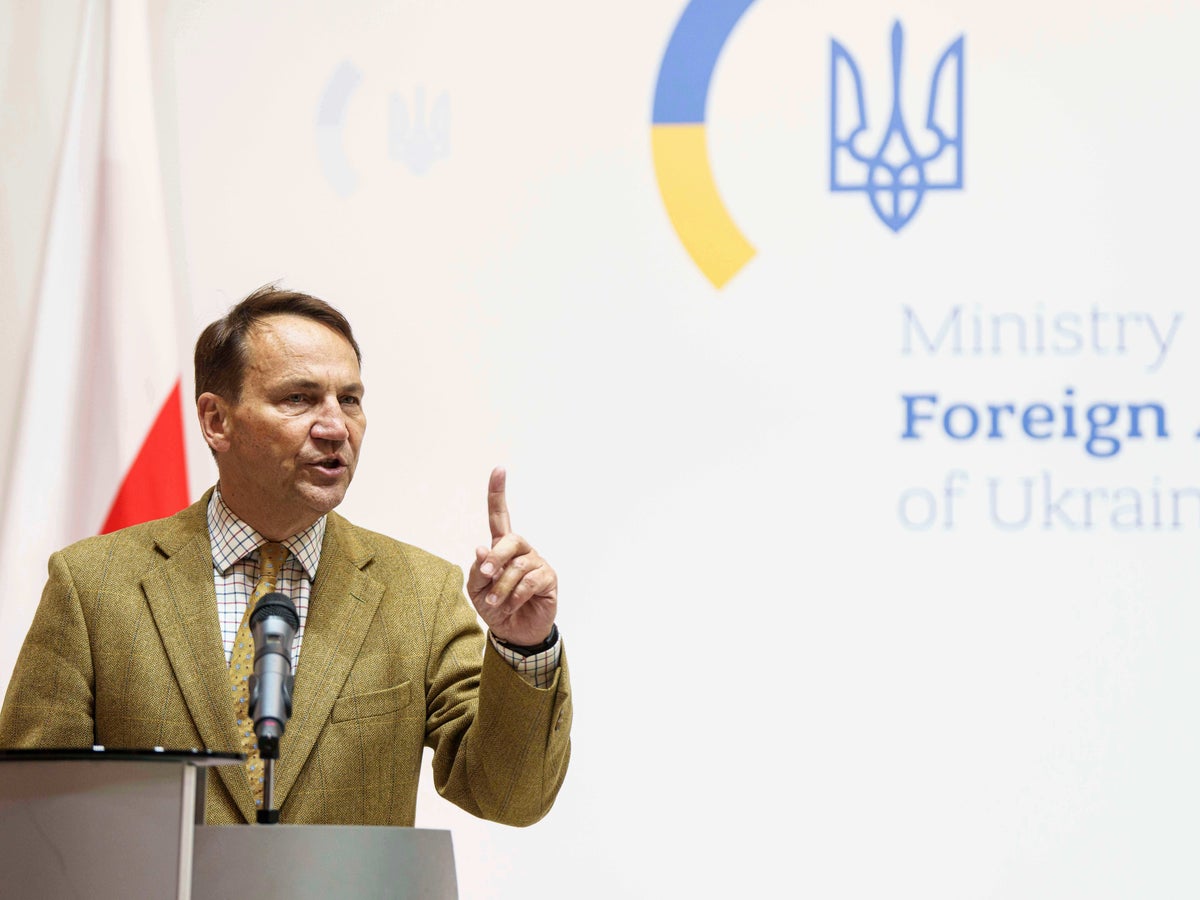
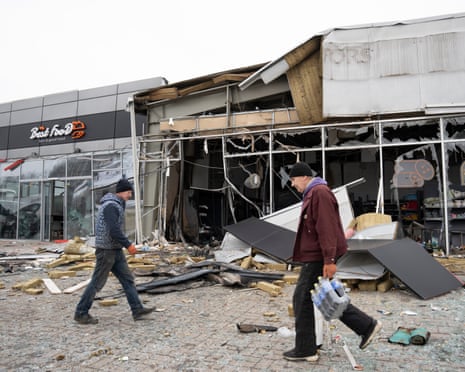
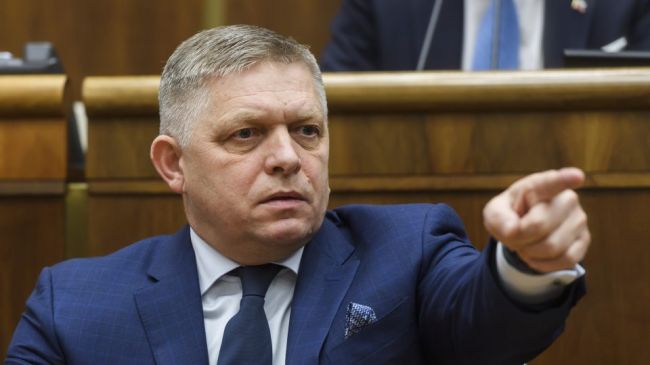
The geopolitical crisis unfolding in Central Europe (February 2026) creates direct operational risks for cross-border e-commerce sellers operating in Hungary, Slovakia, and Ukraine. Hungary's Viktor Orbán has blocked €90 billion in EU aid to Ukraine and new sanctions against Russia, while Slovakia's Robert Fico halted emergency electricity supplies to Ukraine over the Druzhba oil pipeline dispute. These actions create cascading effects on e-commerce infrastructure: currency volatility, payment processing delays, logistics network disruptions, and reduced consumer purchasing power in affected markets.
For sellers, the immediate impact manifests across three critical dimensions. First, payment processing complications are emerging as EU sanctions packages create uncertainty in cross-border payment systems. Sellers using payment processors like Stripe, PayPal, or regional alternatives face potential delays when processing transactions through Hungarian and Slovak banking corridors. The €90 billion loan blockage signals reduced consumer liquidity in Ukraine—historically a growing e-commerce market with 8-12% annual GMV growth. Second, logistics routing is becoming unpredictable. Hungary and Slovakia account for 68% of Ukraine's imported power (per ExPro consultancy data), and energy supply disruptions cascade to fulfillment centers, 3PL warehouses, and last-mile delivery networks. Sellers using Central European distribution hubs for Eastern European markets face potential 5-15 day shipping delays if power rationing intensifies. Third, currency volatility is compressing margins. The Hungarian Forint and Slovak Koruna have historically weakened during geopolitical crises, reducing profit margins for sellers pricing in EUR or USD. Sellers with inventory in these markets face 3-8% margin compression if currency depreciation accelerates.
The timing window is critical. The pipeline dispute remains unresolved as of late February 2026, with Fico warning of "further reciprocal steps" including reconsidering Slovakia's EU membership support for Ukraine. This suggests the crisis could extend 2-4 months, creating sustained operational uncertainty. Sellers should immediately audit their exposure: inventory levels in Hungary/Slovakia warehouses, payment processor dependencies on regional banking corridors, and customer concentration in Ukraine. Consider shifting 20-30% of inventory from Central European hubs to Western European distribution centers (Germany, Poland) where political stability is higher. Monitor currency hedging strategies—sellers with significant HUF/SKK exposure should consider forward contracts to lock in exchange rates. For Ukraine-focused sellers, expect 15-25% reduction in consumer purchasing power if the loan blockage persists, requiring aggressive promotional strategies to maintain sales velocity.
問題 8
How does Hungary's €90 billion aid blockage affect Ukrainian e-commerce sellers?
The blocked EU loan directly reduces consumer purchasing power in Ukraine, historically one of Eastern Europe's fastest-growing e-commerce markets with 8-12% annual GMV growth. Sellers targeting Ukrainian customers should expect 15-25% reduction in order volume and average order value as household incomes stagnate without the loan injection. This is particularly acute for discretionary categories (electronics, fashion, home goods) where Ukrainian consumers typically allocate 30-40% of online spending. Sellers should immediately implement promotional strategies—bundle offers, extended payment terms, loyalty discounts—to maintain sales velocity. Monitor Ukrainian payment processor activity; if consumer credit tightens, shift marketing spend toward cash-on-delivery and prepayment options that reduce default risk.
What logistics risks do sellers face from Slovakia halting Ukraine power supplies?
Slovakia supplies 68% of Ukraine's imported electricity (per ExPro data), and the halt creates cascading fulfillment disruptions. Sellers using Ukrainian 3PL warehouses or last-mile providers face 5-15 day shipping delays if power rationing intensifies, directly impacting Amazon FBA delivery windows and eBay handling time compliance. Sellers should immediately audit their fulfillment network: identify which warehouses depend on Slovak power imports, calculate inventory buffer requirements for 2-3 week delays, and establish backup routing through Western European hubs (Germany, Poland). For sellers with 500+ monthly units in Ukraine, consider pre-positioning 30-40% of inventory in Poland or Czech Republic to maintain delivery SLAs. Expect fulfillment costs to increase 8-12% as 3PL providers implement emergency surcharges for expedited routing.