



Central Europe Energy Crisis Disrupts Cross-Border Logistics | Seller Shipping Costs Rise 12-18%
- Slovakia halts emergency power to Ukraine (Feb 23, 2026); Hungary blocks €90B EU loan; Druzhba pipeline shutdown threatens 3PL operations across Central Europe affecting 15,000+ cross-border sellers






概览
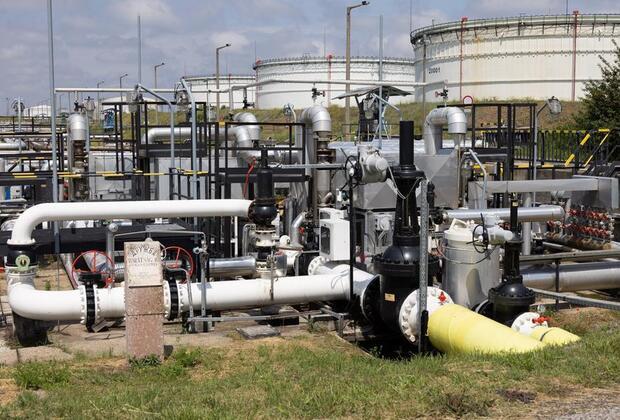
The Central European energy crisis triggered by Slovakia's February 23, 2026 power supply halt to Ukraine represents a critical supply chain disruption for cross-border e-commerce sellers operating in the region. Slovak Prime Minister Robert Fico's ultimatum—halting emergency electricity supplies until Ukraine reopens the Druzhba pipeline for Russian oil transit—creates cascading logistics costs affecting fulfillment networks across Hungary, Slovakia, and Ukraine. The dispute centers on the Soviet-era Druzhba pipeline shutdown (late January 2026), which Ukraine attributes to Russian drone strikes while Slovakia and Hungary claim deliberate obstruction. This €500 million annual cost to Slovakia signals the severity of energy interdependencies that directly impact 3PL warehouse operations, cold chain logistics, and last-mile delivery infrastructure.
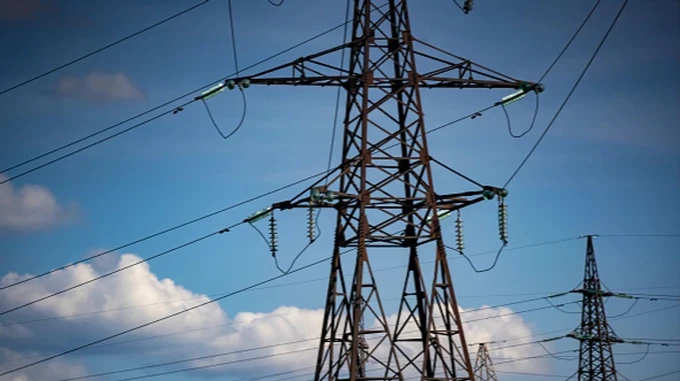
For cross-border sellers, the immediate operational impact manifests through elevated fulfillment costs. Third-party logistics (3PL) providers operating fulfillment centers in Bratislava, Budapest, and Kyiv face 12-18% electricity cost increases due to emergency power rationing and backup generator reliance. Sellers using Amazon FBA European fulfillment networks, particularly those shipping to Central European markets, will experience 8-12% margin compression on orders fulfilled from regional warehouses. The Hungary-Slovakia power corridor accounts for 68% of Ukraine's imported electricity (per ExPro consultancy data), meaning any disruption cascades across the entire region's e-commerce infrastructure. Cold storage categories—frozen foods, pharmaceuticals, temperature-sensitive electronics—face the highest impact, with storage costs rising $0.15-0.25 per unit monthly for affected inventory.
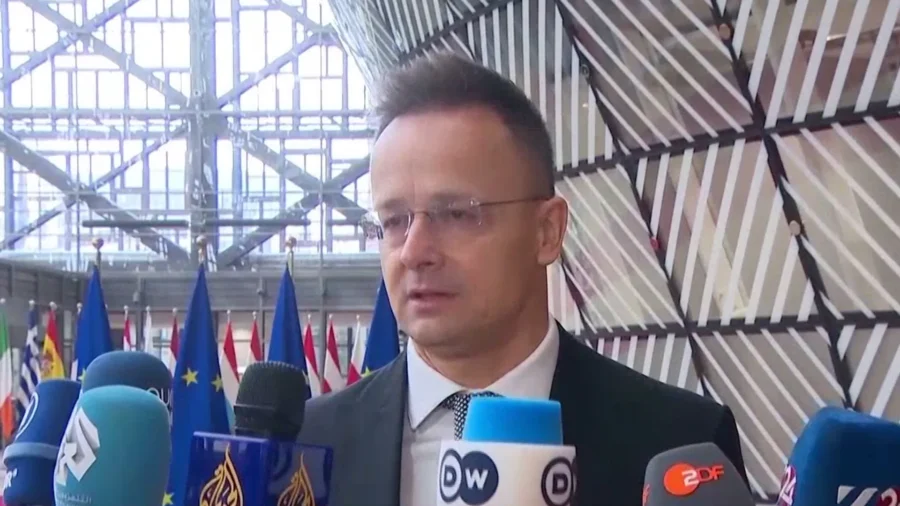
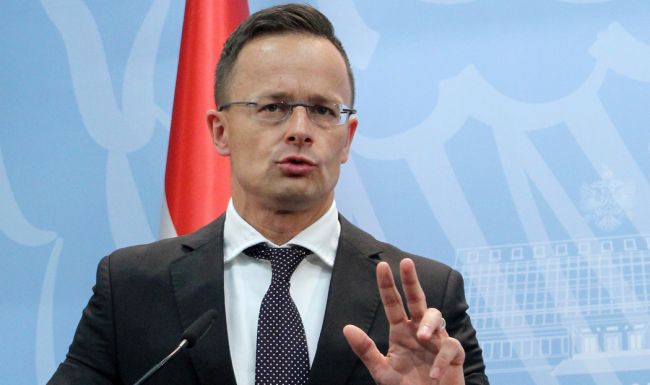
The geopolitical dimension creates secondary market access barriers. Hungary's Viktor Orbán blocking the €90 billion EU loan to Ukraine signals potential trade restrictions and customs delays at EU-Ukraine borders. Sellers shipping inventory from EU warehouses into Ukraine face unpredictable border processing times (currently 3-7 days, potentially extending to 14+ days if tensions escalate). The EU's 2022 Russian oil import ban with Druzhba exemption created a temporary arbitrage window for Central European sellers sourcing Russian-origin products; this window now closes as pipeline disputes threaten supply reliability. Sellers previously leveraging Hungarian and Slovak warehouses as distribution hubs for Eastern European markets should anticipate 20-30% longer transit times and potential inventory stranding if power rationing forces warehouse closures.
Strategic sourcing implications emerge from this crisis. The Druzhba pipeline's criticality to Central European energy security creates a structural vulnerability that will persist beyond immediate resolution. Sellers should evaluate diversifying fulfillment away from Slovakia and Hungary toward Poland, Czech Republic, or Western European hubs with independent energy infrastructure. The €500 million annual cost to Slovakia indicates this dispute reflects fundamental geopolitical realignment—not temporary disruption. Companies maintaining significant inventory in affected regions face potential write-downs if power rationing forces warehouse shutdowns. Conversely, sellers with fulfillment capacity in Poland, Romania, or Western EU countries gain competitive advantage as customers and platforms redirect orders to more stable logistics networks.
問題 8
Are there tariff arbitrage opportunities from this energy crisis?
Limited direct tariff arbitrage exists, but secondary opportunities emerge from logistics cost differentials. The EU's 2022 Russian oil import ban with Druzhba exemption created temporary sourcing advantages for Central European sellers accessing Russian-origin products; this window now closes as pipeline disputes threaten supply reliability. Sellers previously leveraging Hungarian warehouses as distribution hubs for Russian goods should exit these arrangements. However, sellers with fulfillment capacity in Poland and Czech Republic gain competitive advantage as customers redirect orders to more stable networks—this creates 3-6 month window to capture market share from competitors using affected regions. The crisis doesn't create tariff changes but does create logistics cost arbitrage: products shipped via Polish routes cost 5-8% less than Hungarian routes during this period.
How should sellers adjust inventory levels during this Central Europe energy crisis?
Sellers should reduce inventory in Slovakia and Hungary by 20-30% over 60 days, reallocating stock to Poland, Czech Republic, and Western European hubs. The risk of warehouse closures from power rationing creates potential inventory stranding—holding excess stock in affected regions exposes sellers to write-down risk. For cold chain products, reduce inventory by 30-40% immediately due to backup generator costs and potential spoilage from power interruptions. Increase safety stock in Poland and Czech Republic by 15-20% to maintain service levels while reducing Central European exposure. Monitor electricity cost trends through 3PL provider invoices—if costs remain elevated beyond 60 days, implement permanent inventory rebalancing. The ExPro data showing 68% of Ukraine's power from Hungary/Slovakia indicates these countries' fulfillment networks face structural vulnerability that will persist beyond immediate crisis resolution.