

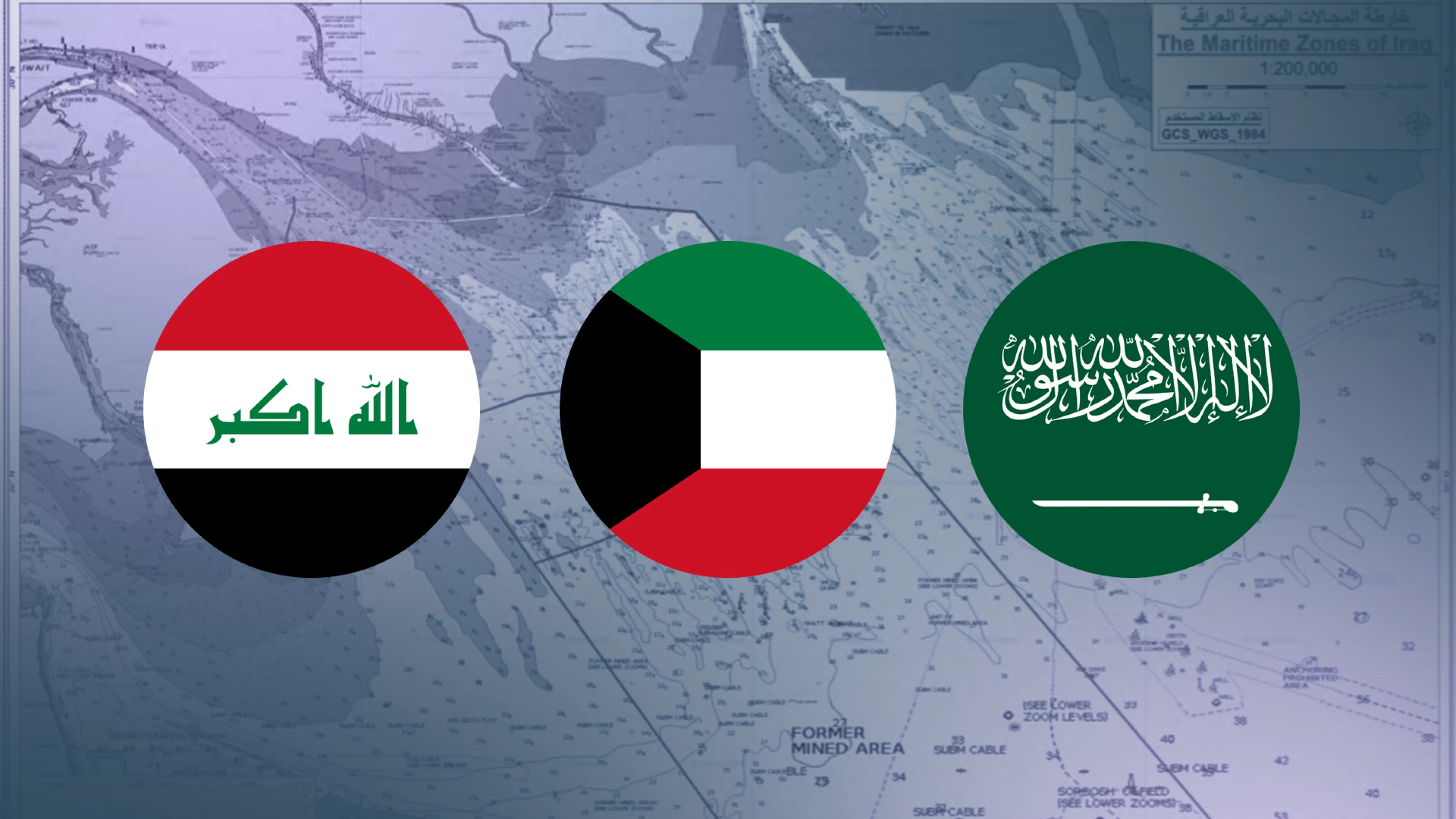


Persian Gulf Shipping Disruption Risk | Cross-Border Sellers Face 8-12% Logistics Cost Surge
- Iraq's 2026 maritime boundary submission threatens Strait of Hormuz shipping lanes critical for 40% of global seaborne trade; sellers shipping to/from GCC markets face insurance premium increases and potential route diversions














概览
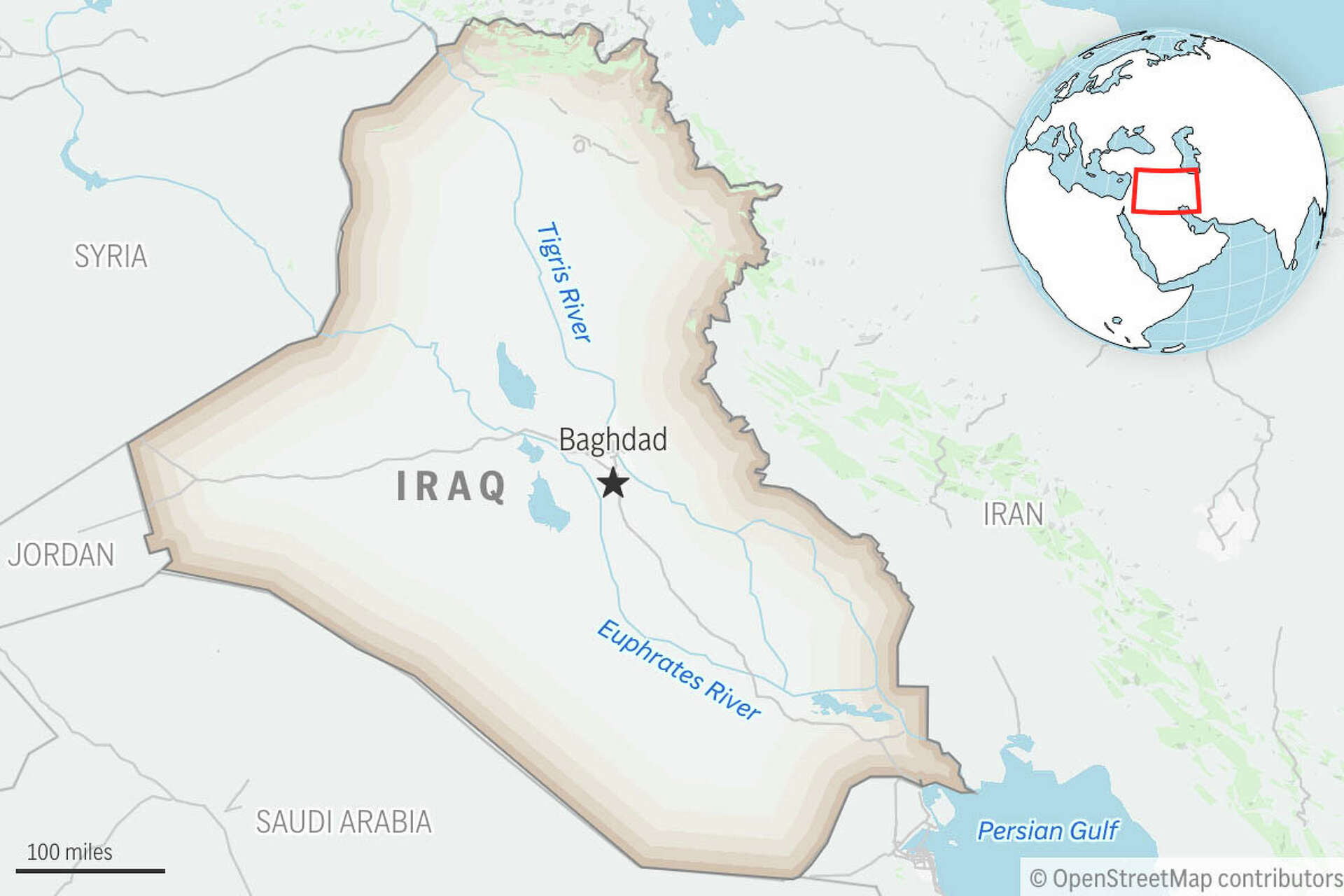
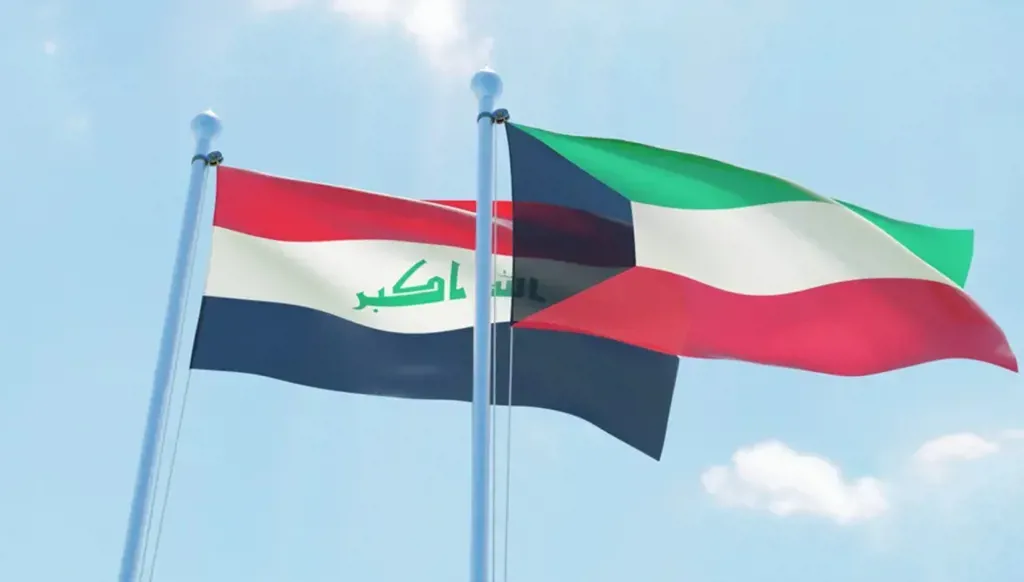
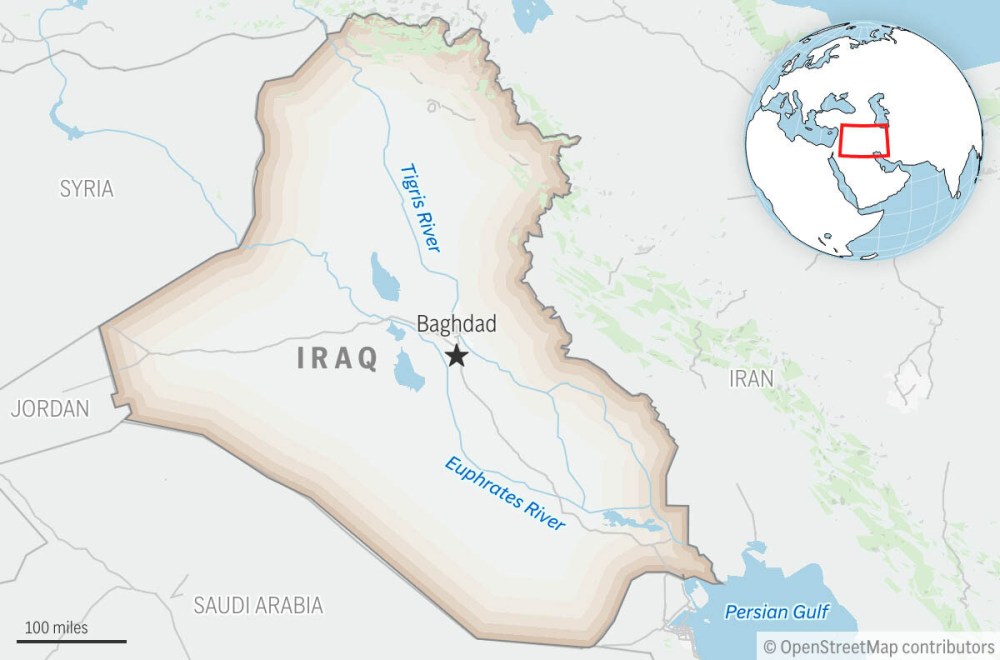
The escalating Iraq-Kuwait maritime border dispute, with Iraq's January-February 2026 UN submission challenging the 2012-2013 maritime agreement, creates significant operational risks for cross-border e-commerce sellers operating in Gulf Cooperation Council markets (Saudi Arabia, UAE, Kuwait, Qatar, Bahrain, Oman). The dispute centers on contested maritime zones including Fasht al-Qaid and Fasht al-Aij, with Saudi Arabia expressing particular concern as Iraq's coordinates encroach on the Saudi-Kuwaiti Neutral Zone where natural resource agreements exist. This geopolitical tension directly impacts the Strait of Hormuz and Persian Gulf shipping lanes—critical corridors handling approximately 40% of global seaborne oil trade and substantial containerized cargo volumes.
For e-commerce sellers, this dispute creates three immediate operational challenges: First, shipping cost inflation of 8-12% for sellers relying on sea freight through the Persian Gulf, driven by increased marine insurance premiums, longer transit times due to potential route diversification, and port congestion risks. Sellers using Amazon FBA services with regional warehouses in Saudi Arabia, UAE, or Kuwait face elevated fulfillment costs and potential inventory delays. Second, market access uncertainty in Iraq specifically—already a challenging market due to sanctions and regulatory complexity—becomes riskier as diplomatic tensions escalate. Sellers with existing inventory in Iraqi warehouses or those planning market entry should reassess risk exposure. Third, supply chain volatility for sellers sourcing products from Asia-Pacific regions destined for Gulf markets; alternative routing through the Suez Canal or around Africa adds 2-3 weeks to transit times and increases costs by 15-20%.
Strategic implications for seller segments: Large sellers (1000+ monthly units) with established 3PL networks can absorb cost increases through margin compression or price adjustments, but small-to-medium sellers (100-500 units monthly) face margin pressure of 3-5 percentage points. Sellers in high-margin categories (electronics, luxury goods, specialty items) have more flexibility to pass costs to consumers, while commodity sellers face severe margin compression. The dispute also signals broader GCC political fragmentation—Saudi Arabia's leadership in supporting Kuwait suggests potential trade policy divergence within the GCC, historically a unified trading bloc. This could lead to differential tariff treatment or customs procedures across member states, complicating regional distribution strategies.
Timeline considerations: The dispute remains unresolved as of early 2026, with Iraq's Federal Supreme Court having invalidated the 2013 ratification in 2023. The GCC Secretary-General's call for Iraq to withdraw its UN submission suggests diplomatic negotiations will continue, but resolution timelines are uncertain. Sellers should implement contingency planning immediately rather than waiting for resolution, as maritime disputes in this region have historically persisted for years (the 1993 UN demarcation of the 216-kilometer land border took decades to implement fully).
問題 8
How does the Iraq-Kuwait maritime dispute affect shipping costs for sellers?
The dispute increases marine insurance premiums by 8-12% for vessels transiting the Persian Gulf, as insurers price in geopolitical risk. Sellers shipping to Gulf markets via sea freight face elevated costs immediately, even without active conflict. Alternative routing through the Suez Canal adds 2-3 weeks transit time and 15-20% cost premium. For sellers moving 500+ units monthly to Saudi Arabia or UAE, this translates to $3,000-8,000 monthly cost increases. Immediate action: obtain quotes from 3PL providers for alternative routing and lock in rates before further escalation.
How should sellers adjust inventory strategy for Gulf markets during this dispute?
Reduce inventory commitments in Iraq by 30-50% immediately, as the market faces elevated political risk and customs uncertainty. For Saudi Arabia and UAE, maintain current inventory levels but shift 20-30% to 3PL providers with alternative routing capabilities rather than concentrating in single regional warehouses. Increase safety stock buffers by 2-3 weeks to account for potential shipping delays. For sellers using Amazon FBA in the region, monitor fulfillment center capacity and consider hybrid strategies combining FBA with 3PL for risk diversification. Implement quarterly inventory audits to identify slow-moving stock that could become stranded if shipping routes change.