


The Ripple Effect of Key Personnel Dynamics in High-Performance Teams
- How Individual Contributions Transform Organizational Performance and Strategic Resilience



















概览
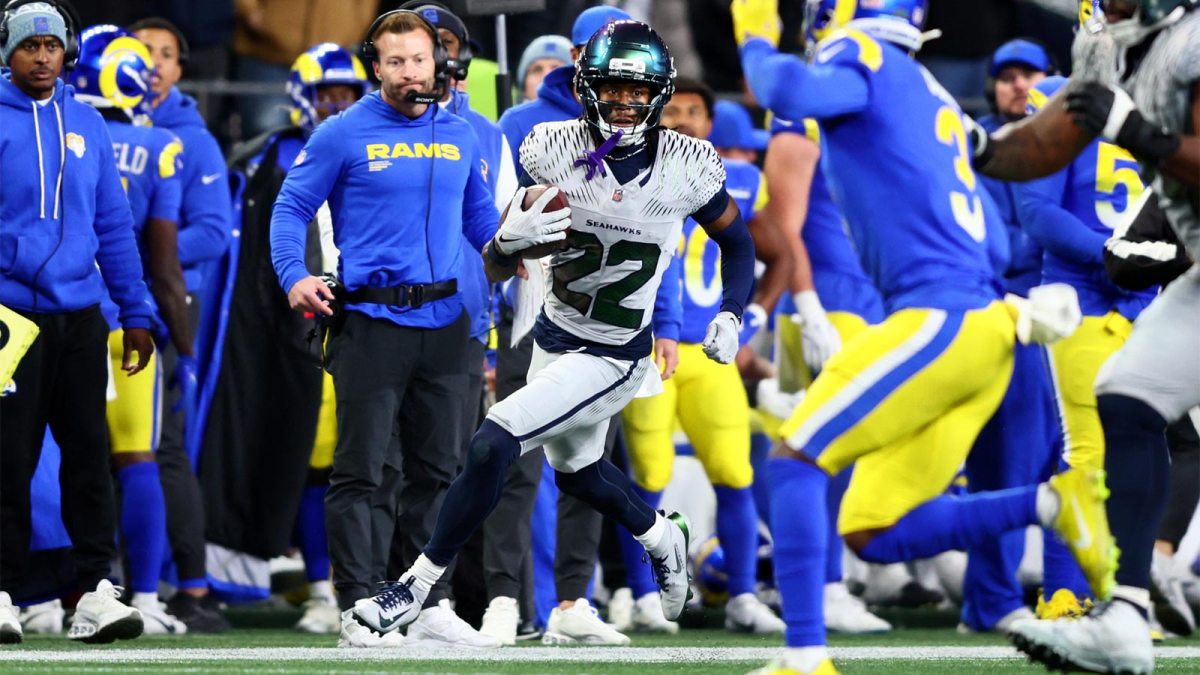
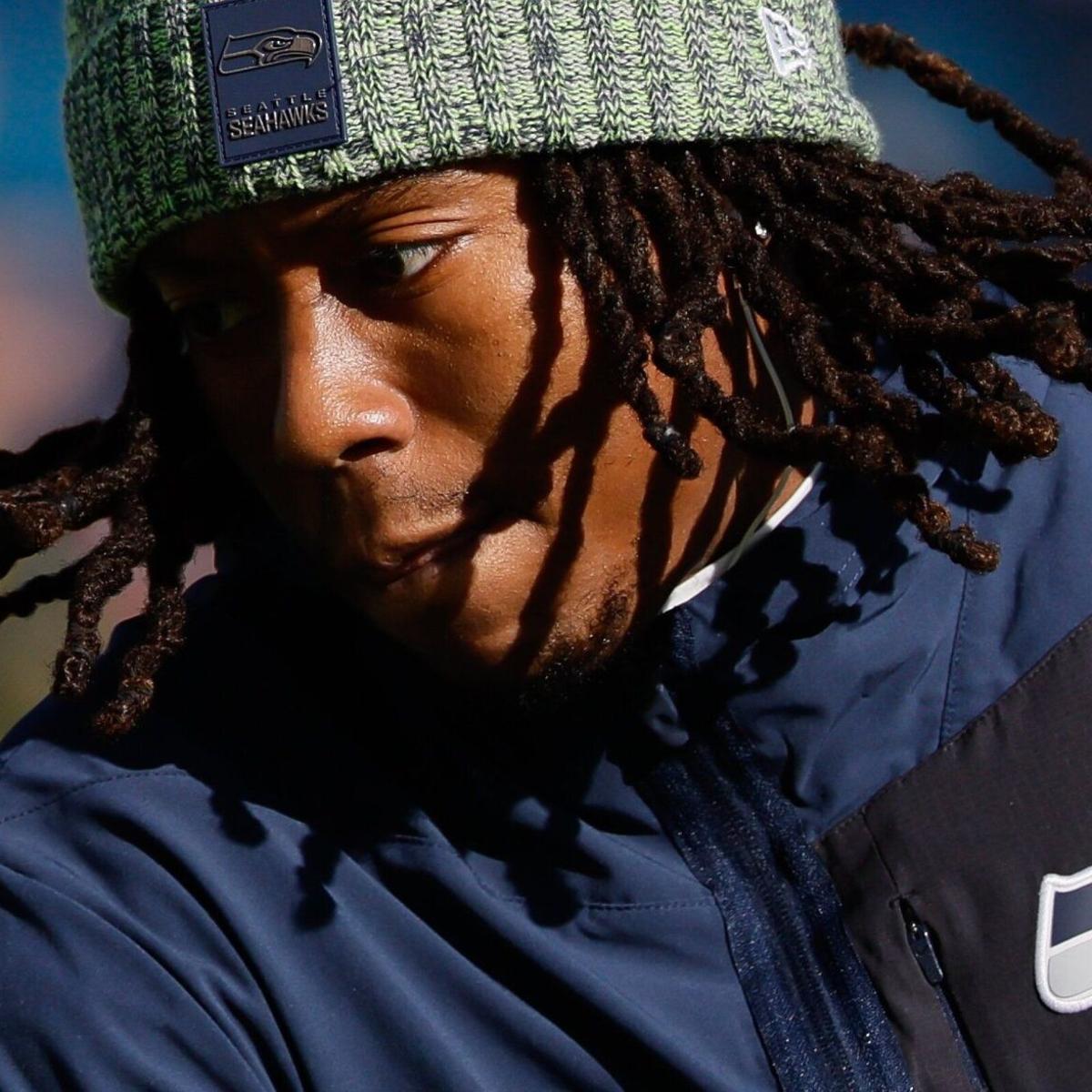
In the complex ecosystem of high-performance organizations, the impact of individual talent can be both transformative and fragile. The case of Rashid Shaheed, a Pro Bowl return specialist for the Seattle Seahawks, offers a compelling microcosm of how specialized personnel can dramatically alter team dynamics and strategic capabilities.
Strategic Personnel Leverage emerges as a critical insight from Shaheed's narrative. Despite being a midseason acquisition, he accumulated an impressive 180 yards and a touchdown on punt returns, plus 384 yards and a touchdown on kick returns in just eight games. His performance was so pivotal that commentator Michael Bumpus noted the team "feels different" when he's returning kicks—a testament to the outsized influence of strategic talent deployment.
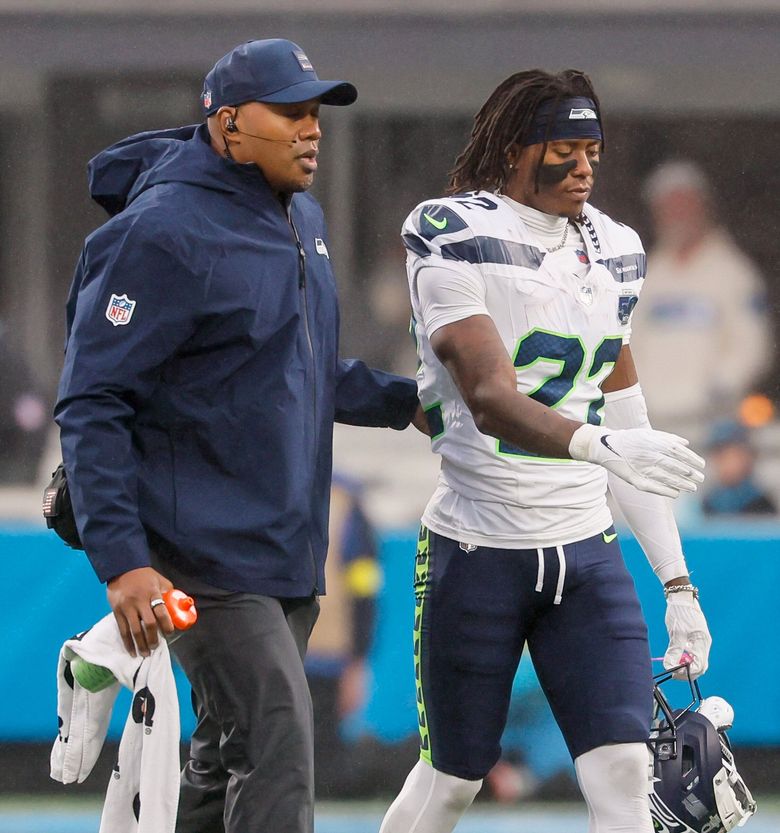
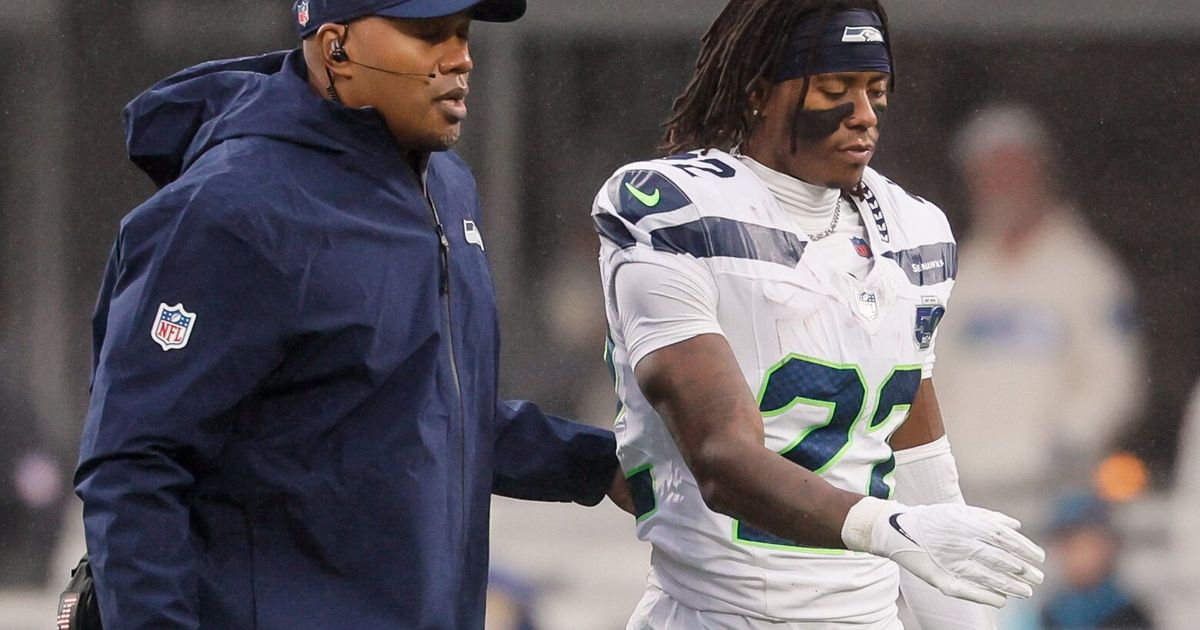
The potential absence of Shaheed for a crucial game against the San Francisco 49ers reveals the delicate balance of team performance. Replacement returner Cam Akers lacks Shaheed's explosive potential, potentially reducing the team's field position advantages. This scenario underscores a fundamental organizational principle: exceptional individual contributors can create asymmetric value that extends far beyond traditional role expectations.
The broader implications transcend sports, offering a universal lesson about talent strategy. Organizations must recognize that critical roles are not just about filling positions, but about identifying and nurturing individuals who can fundamentally reshape team capabilities. Shaheed's journey—from midseason acquisition to transformative special teams player—demonstrates how targeted talent acquisition can rapidly recalibrate an organization's strategic potential.
Ultimately, this narrative is a powerful reminder that in complex systems, individual performance can create disproportionate impact. The ability to identify, integrate, and leverage specialized talent becomes a critical competitive advantage across domains—whether in professional sports, technology, or business ecosystems.
問題 3
How quickly can a single talent transformation impact organizational performance?
As demonstrated by Shaheed's midseason acquisition, transformative talents can create immediate and significant performance shifts. His eight-game impact on the Seahawks' special teams shows that strategic talent integration can rapidly recalibrate an organization's capabilities.
How can organizations identify and leverage high-impact individual contributors?
Organizations should focus on identifying specialized skills that create asymmetric value, like Shaheed's exceptional return capabilities. This involves looking beyond traditional role definitions, understanding nuanced performance metrics, and creating flexible integration strategies that allow unique talents to reshape team dynamics.