




China's Dual-Use Export Ban on 20 Japanese Firms | Critical Supply Chain Disruption for Cross-Border Sellers
- 40 Japanese companies blacklisted/monitored effective February 24, 2026; 70% Japan rare earth dependency creates $2-4B supply chain vulnerability for electronics, automotive, and industrial goods sellers
)
































概览
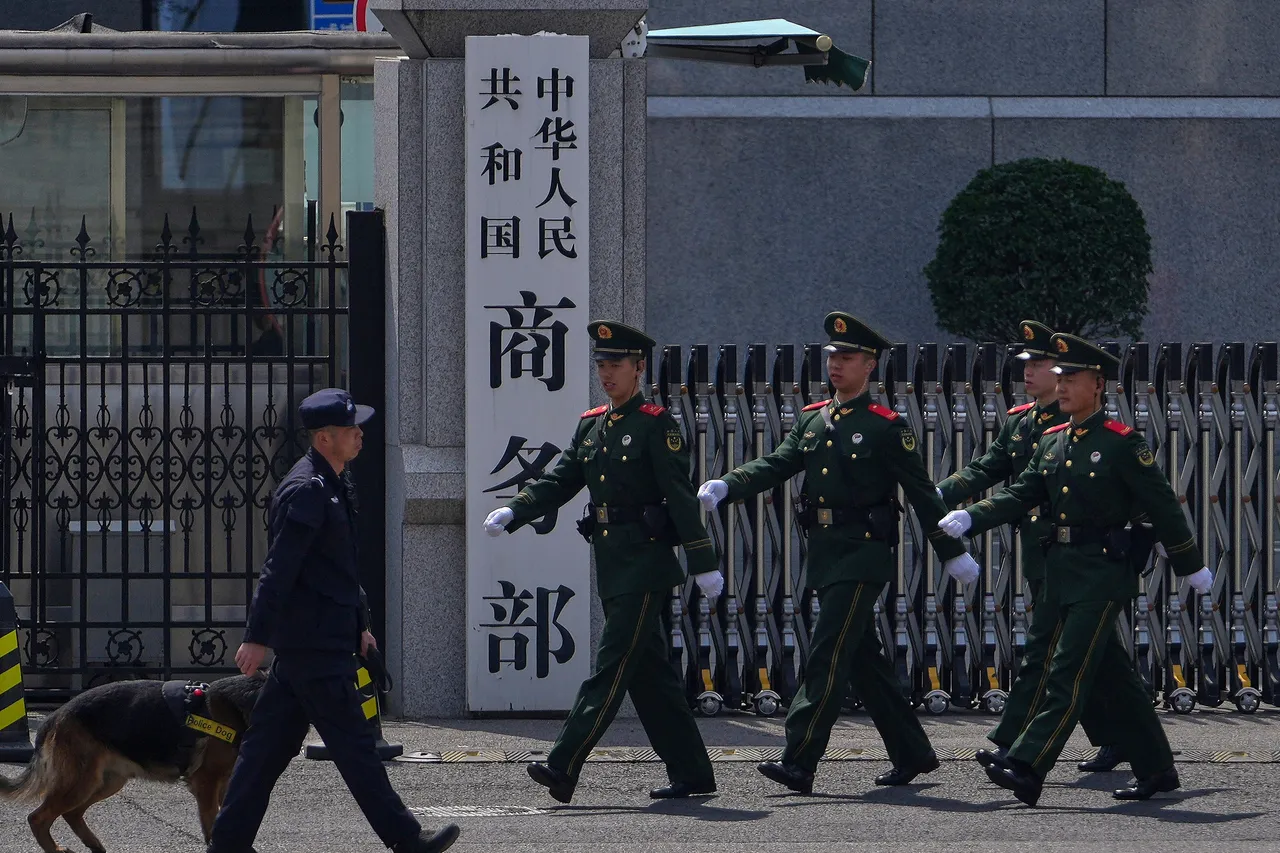
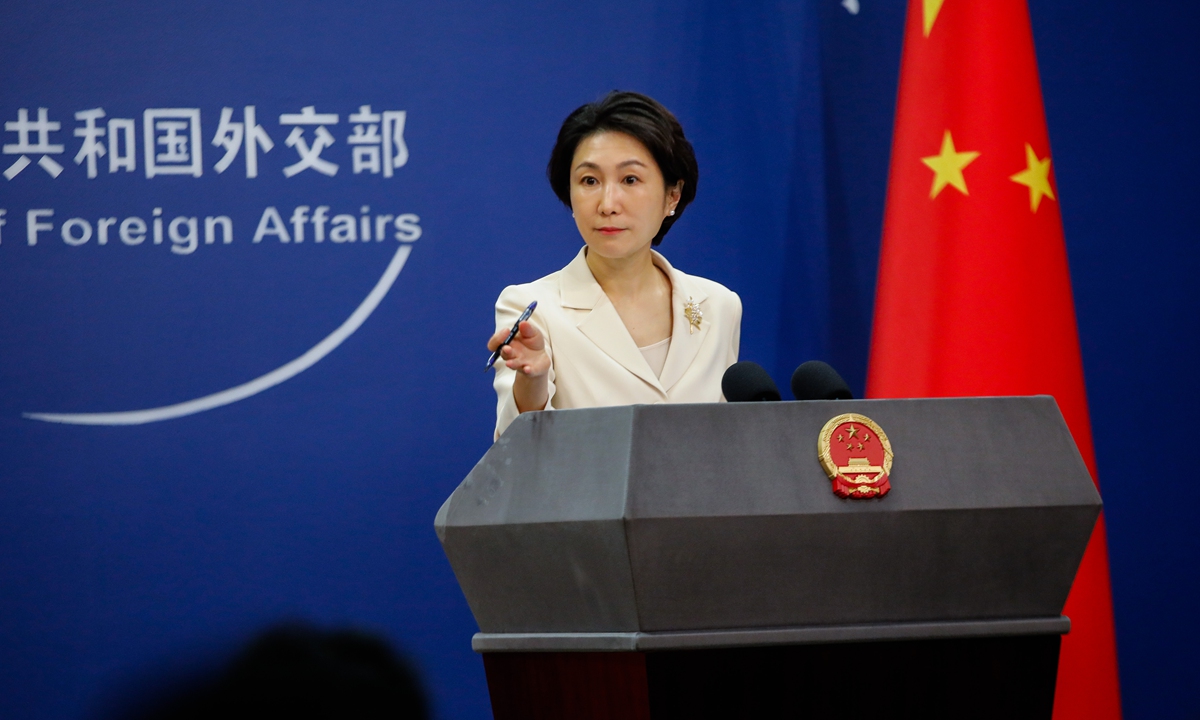
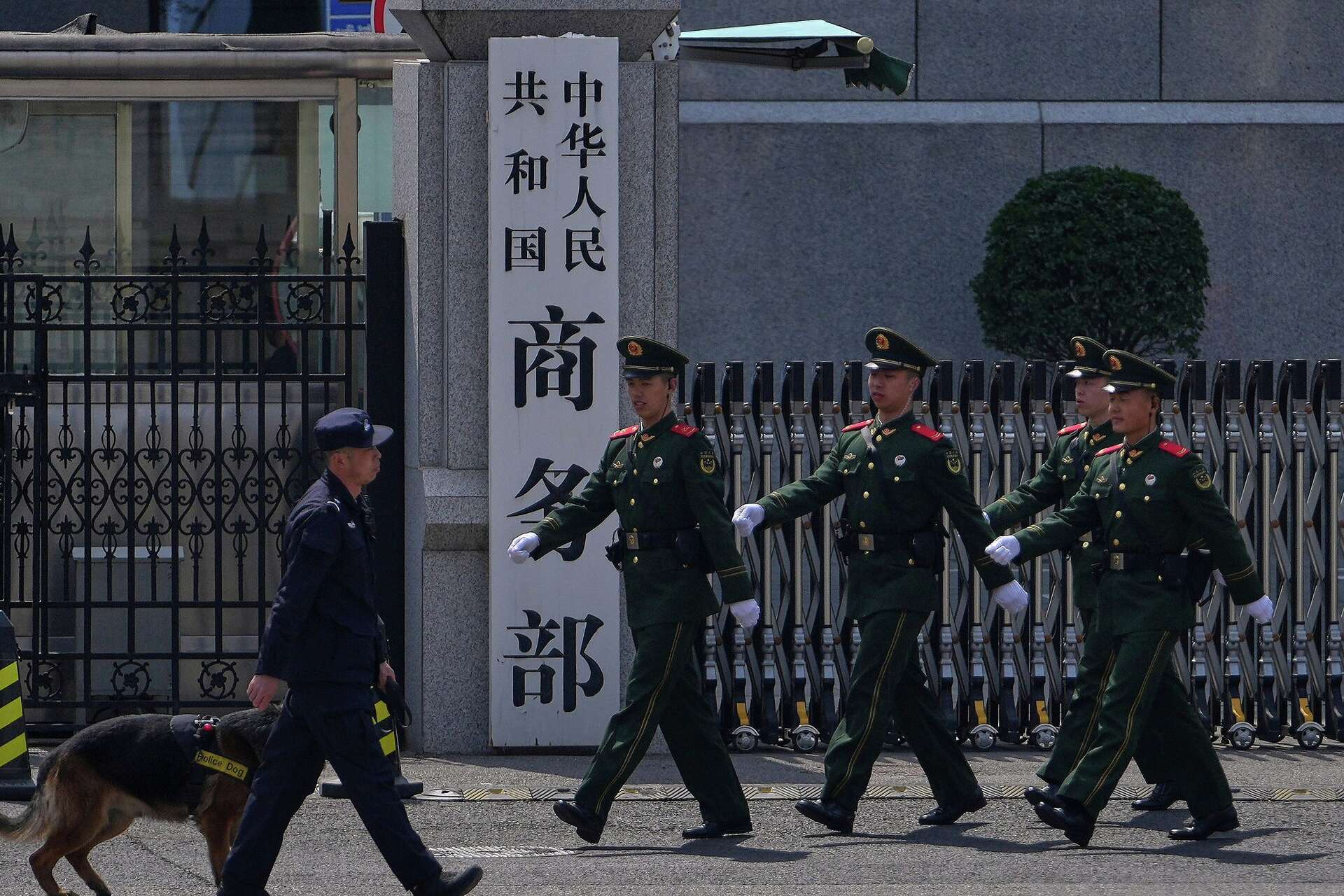
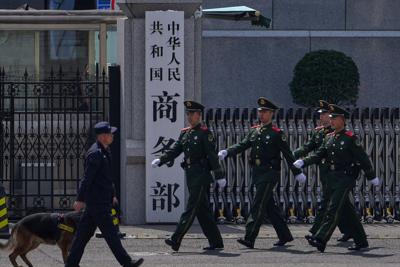
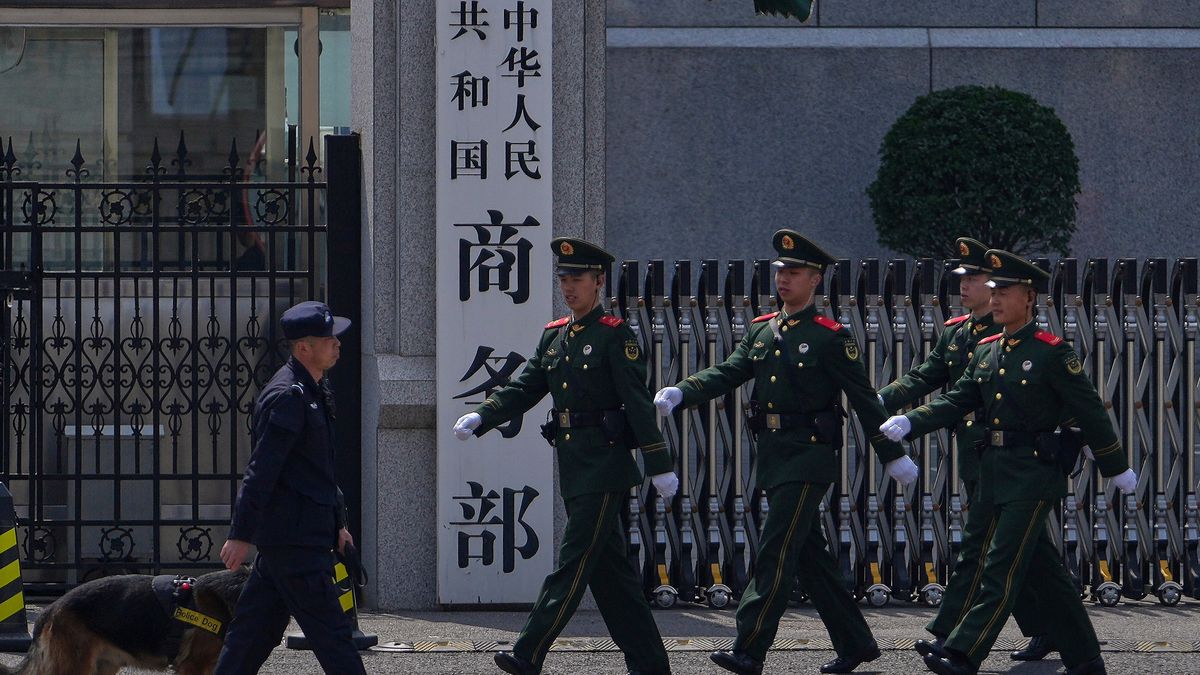
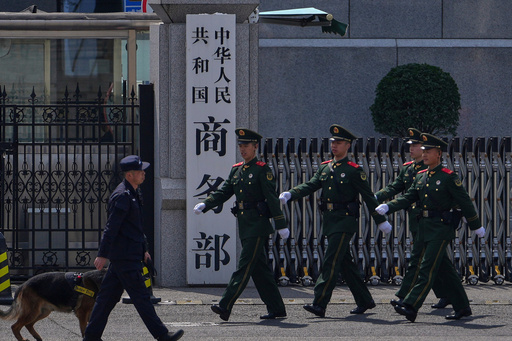
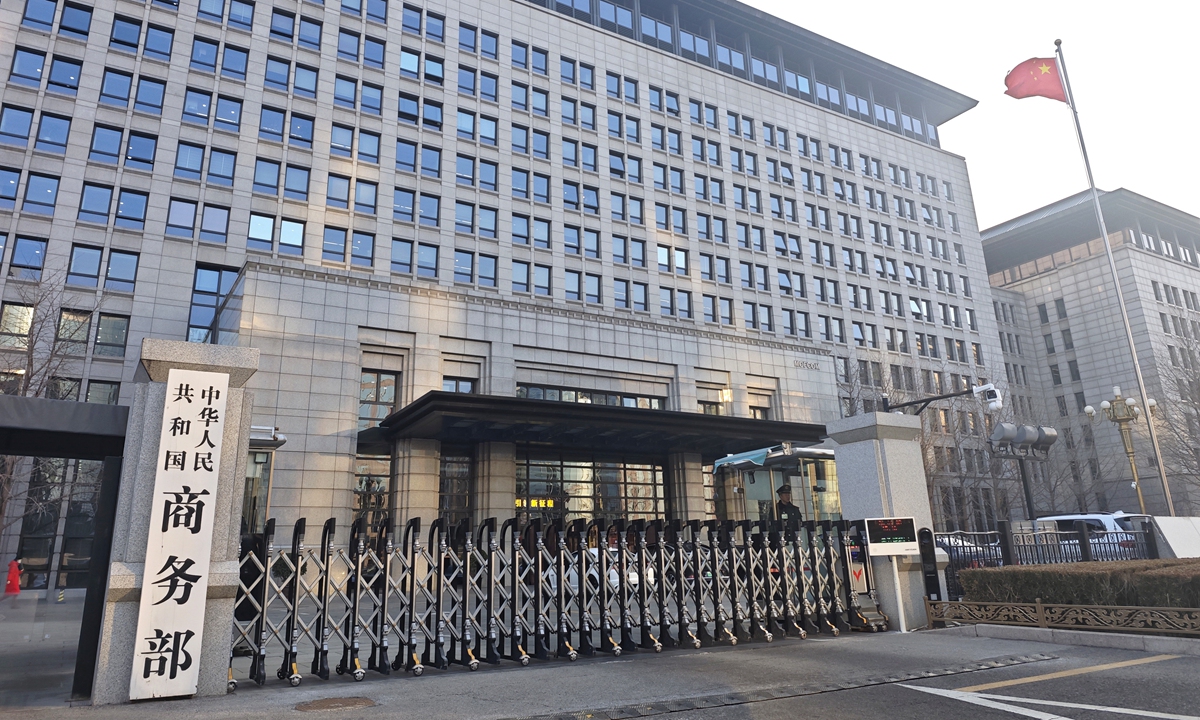
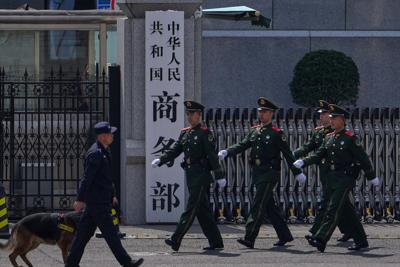
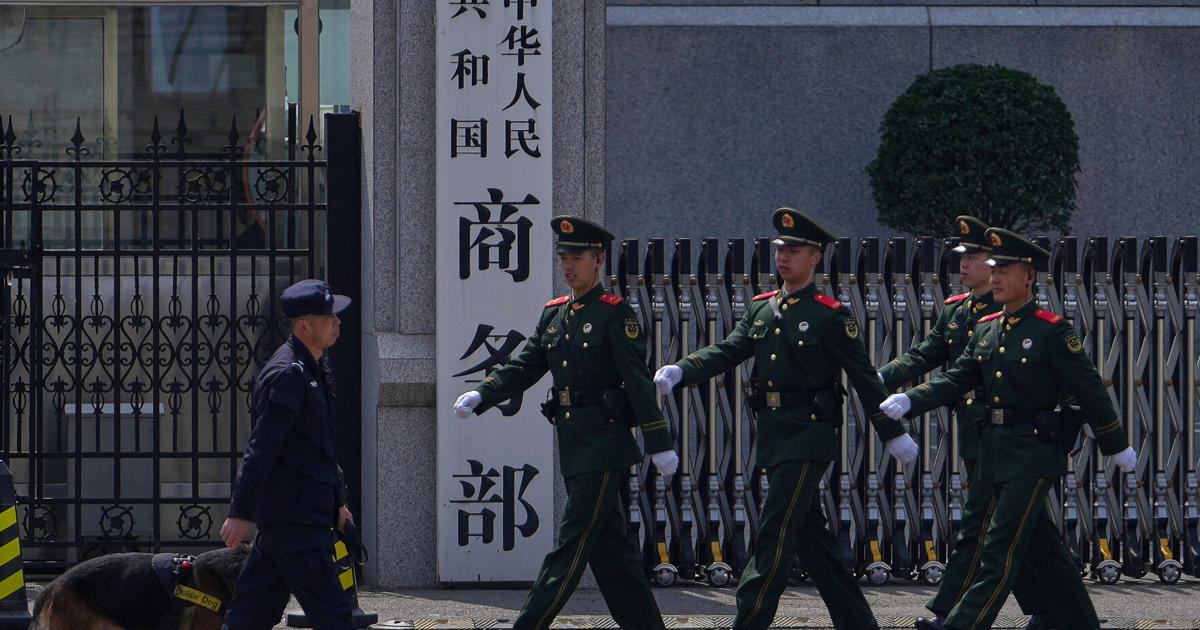
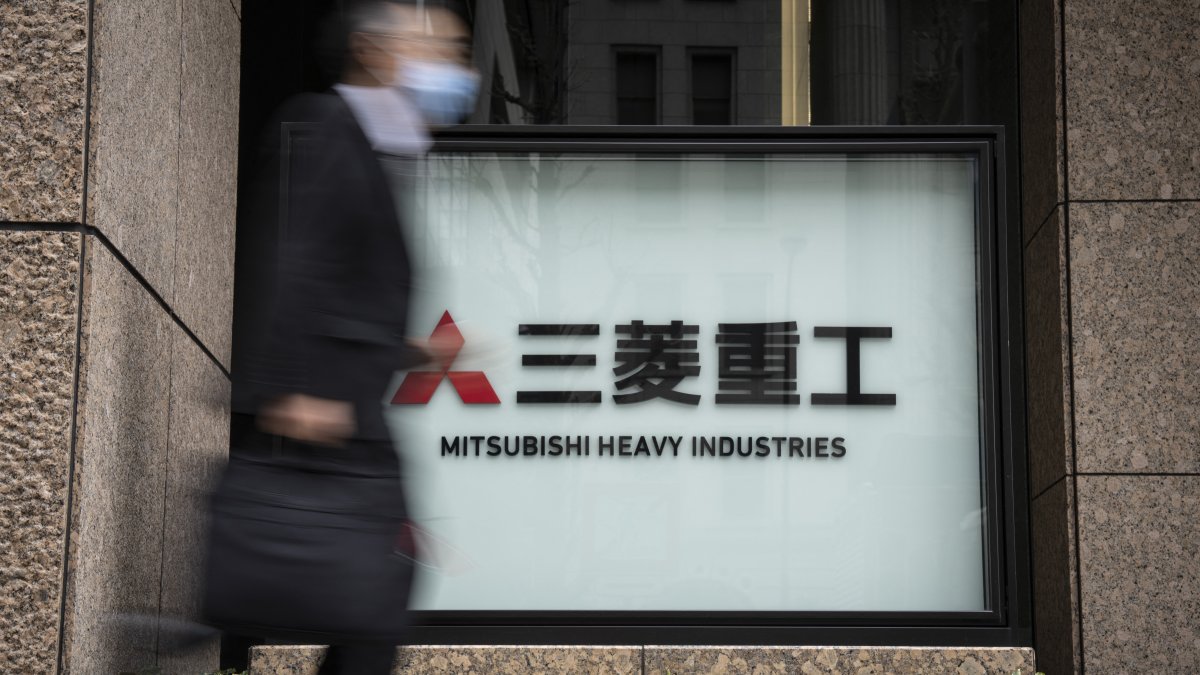
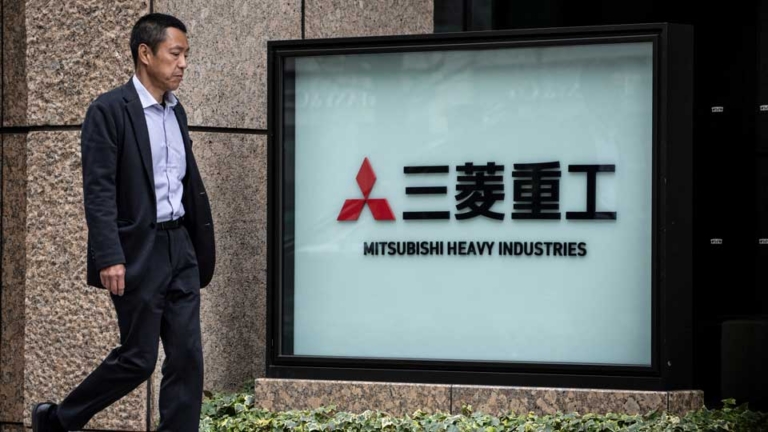
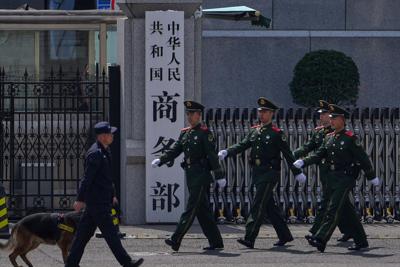
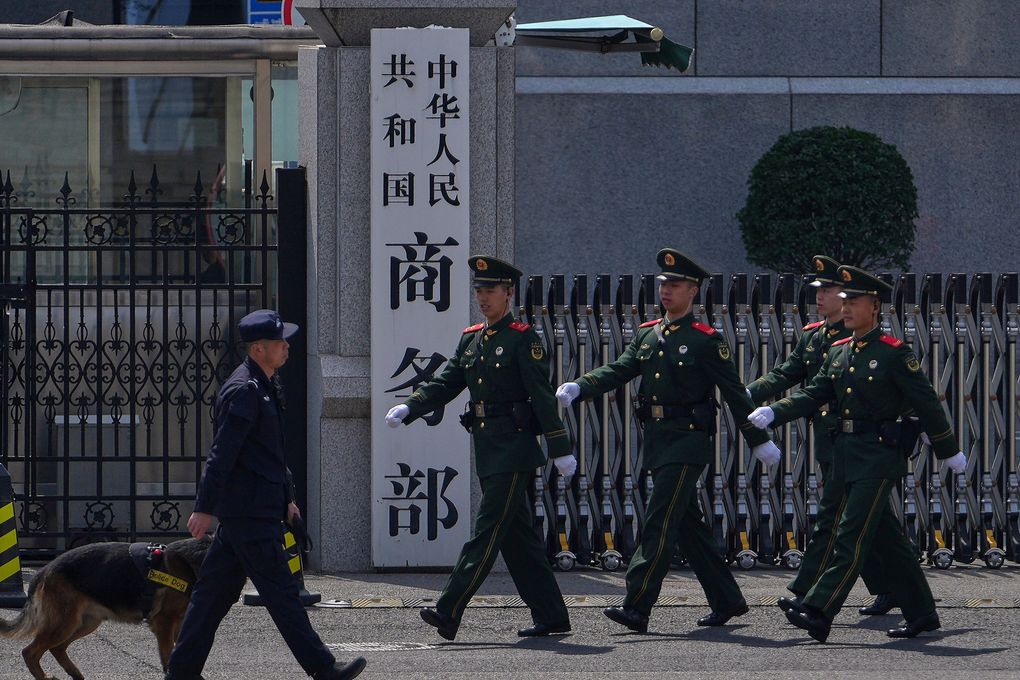
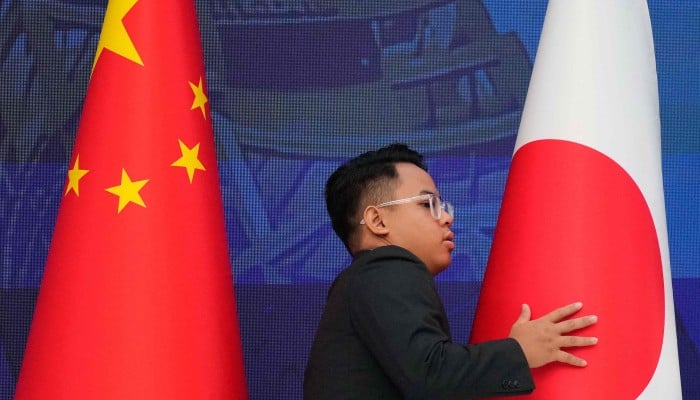
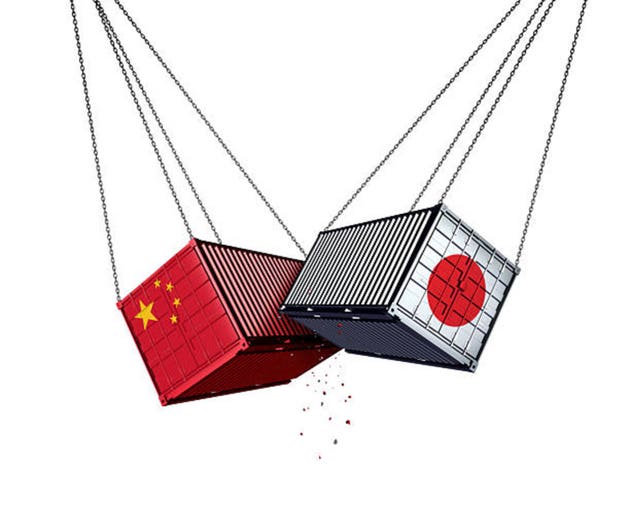
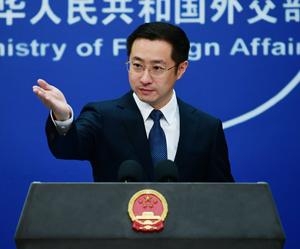
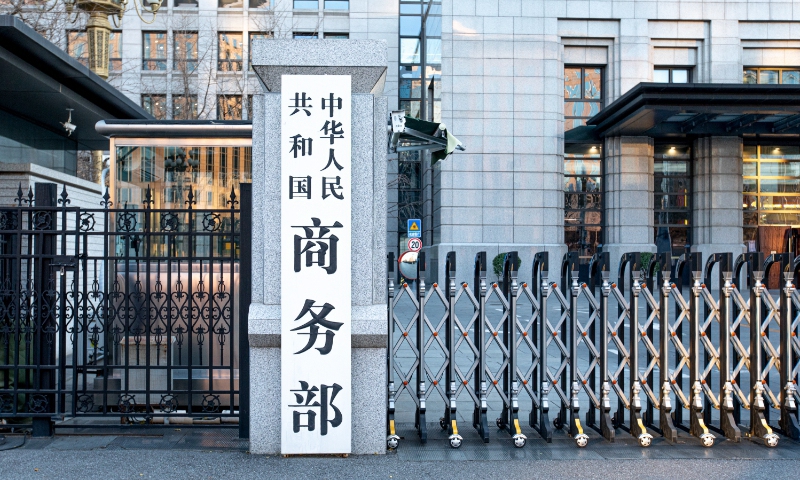
China's Ministry of Commerce announced a sweeping export control action on February 24, 2026, targeting 40 Japanese companies across two enforcement tiers—a watershed moment for cross-border e-commerce supply chains. The blacklist includes 20 firms (Mitsubishi Heavy Industries, TDK Corp., Hino Motors) prohibited from accessing China's dual-use export control list covering 800+ restricted items: rare earth elements, chemicals, electronics, sensors, and aerospace equipment. An additional 20 firms (Subaru, Mitsubishi Materials Corp.) face heightened monitoring requiring end-user certificates and risk assessments. This marks the first Japanese targeting since the export control list's January 2025 debut, signaling Beijing's willingness to weaponize supply chains in geopolitical disputes.
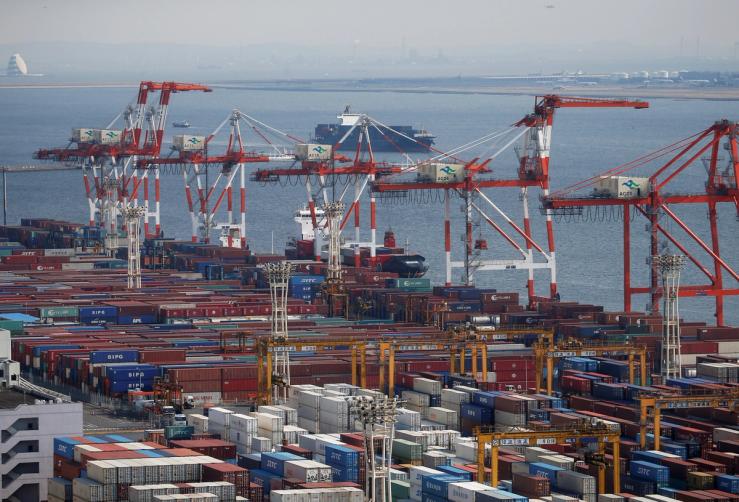
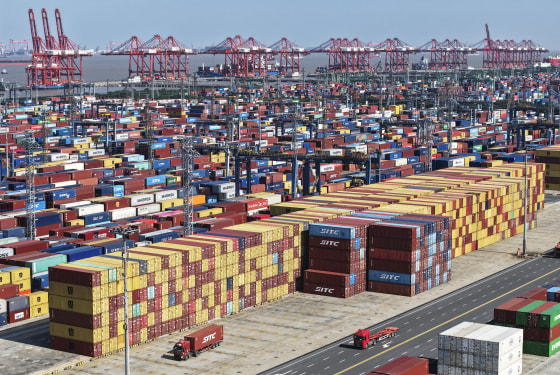
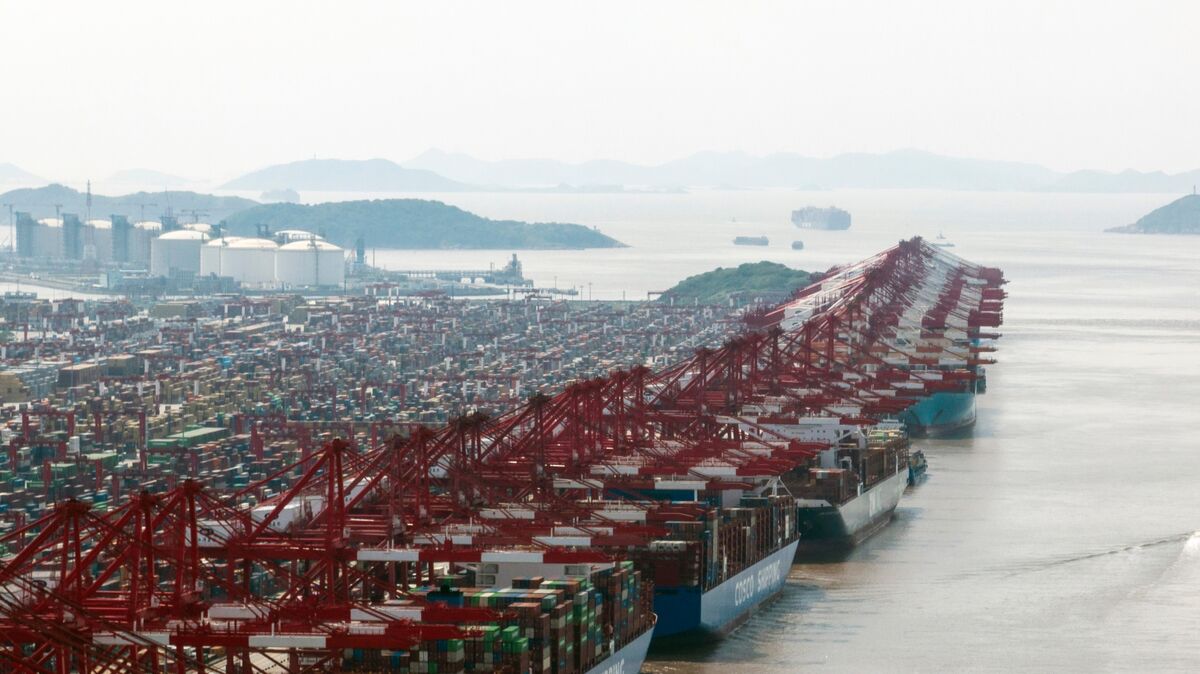
The tariff arbitrage and sourcing implications are immediate and severe. Japan relies on China for approximately 70% of rare earth imports as of 2024—materials critical for electric vehicle motors, semiconductor manufacturing, and advanced electronics. For cross-border sellers, this creates a three-tier impact: (1) Direct supply disruption: Sellers sourcing components from affected Japanese manufacturers (automotive parts, electronics, industrial equipment) face 3-6 week lead time extensions and 15-25% cost increases due to alternative sourcing requirements. (2) Downstream cost compression: Japanese manufacturers absorbing higher input costs will raise export prices 8-12%, compressing margins for sellers importing finished goods. (3) Market access uncertainty: The watchlist designation suggests potential future restrictions, creating inventory planning paralysis for sellers dependent on Japanese suppliers.
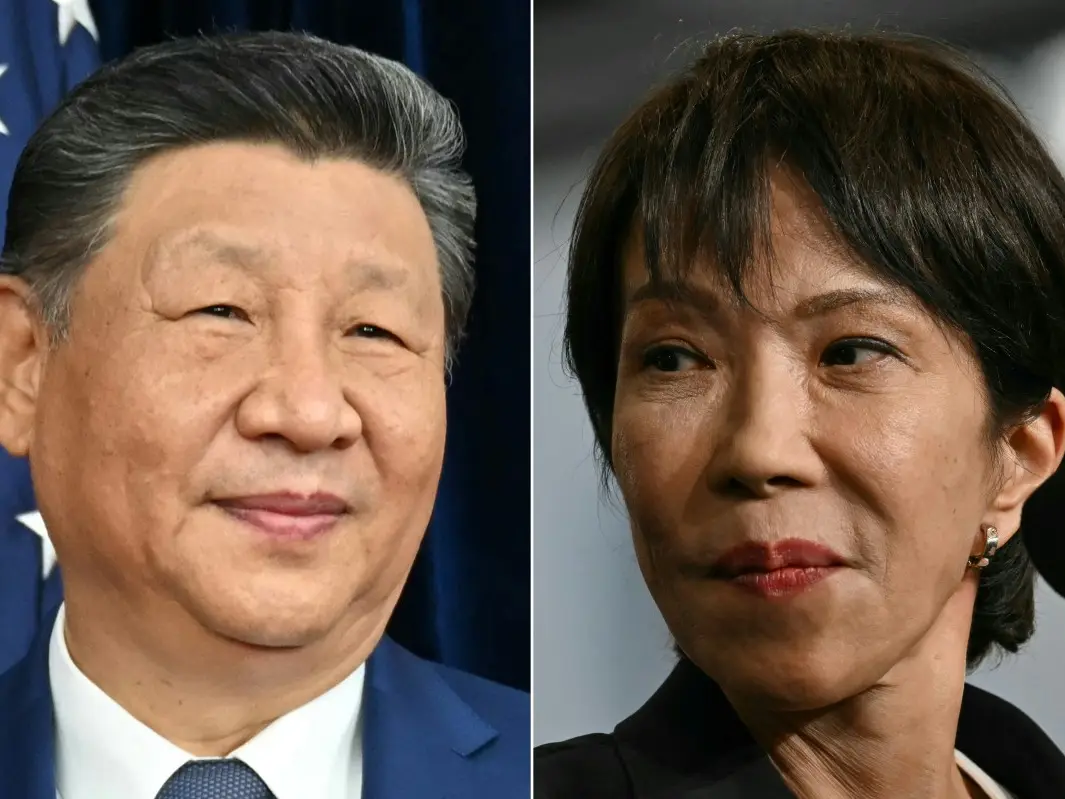
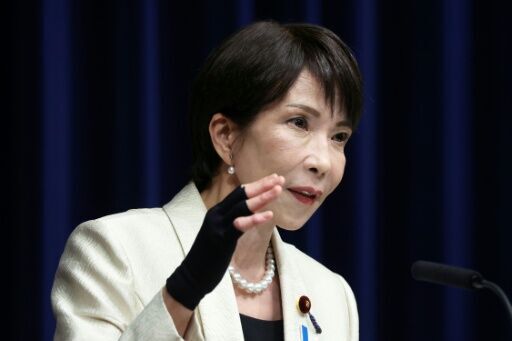
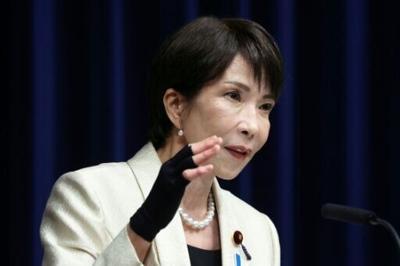
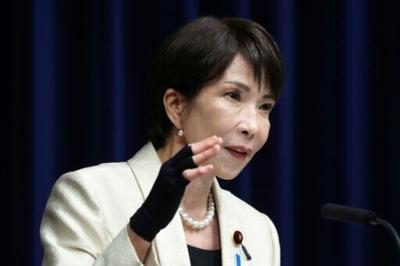
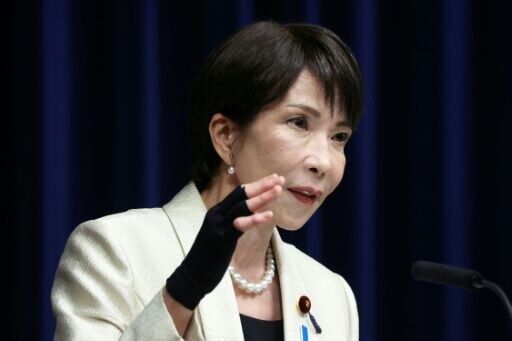
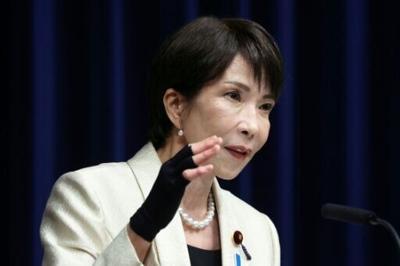
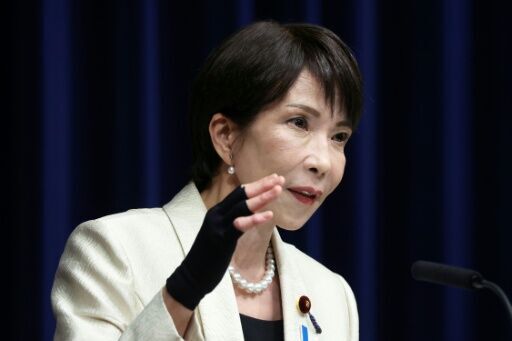
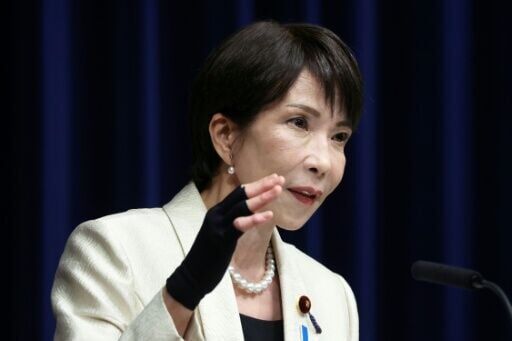
Competitive dynamics shift dramatically toward non-affected sourcing regions. Sellers currently sourcing from China-dependent Japanese suppliers should immediately pivot toward: South Korea (semiconductor components, rare earth processing), Vietnam (electronics assembly, automotive parts), and India (rare earth refining). Historical precedent from 2010 rare earth export restrictions shows 4-6 month supply normalization timelines. The geopolitical tension indicates prolonged friction—Takaichi's Taiwan comments are politically impossible to retract domestically, meaning Beijing will likely maintain or escalate restrictions. Stock market reaction confirms severity: Mitsubishi Heavy dropped 3.6%, Kawasaki Heavy and IHI fell 5%+, Subaru declined 4.6%, signaling investor recognition of sustained supply chain damage. For sellers with exposure to Japan-China trade corridors, this represents a 6-12 month window to execute diversification before competitors saturate alternative supply chains and pricing normalizes.
問題 8
What is the timeline for sellers to execute supply chain diversification before competitors?
The competitive window is 30-90 days. Immediate actions (0-30 days): audit supplier lists, identify exposure, contact alternative suppliers in Vietnam/South Korea/India. Short-term actions (30-60 days): negotiate contracts with alternative suppliers, place initial orders, update FBA inventory forecasts. Medium-term actions (60-90 days): receive first shipments from alternatives, validate quality, adjust pricing in Seller Central. After 90 days, alternative suppliers will face capacity constraints as competitors execute similar diversification, leading to 15-25% price premiums and 4-8 week lead time extensions. Sellers delaying action beyond 60 days risk margin compression of 3-5 percentage points as alternative sourcing costs normalize upward. Execute diversification immediately—this represents a 6-12 month window before supply chain equilibrium re-establishes at higher cost levels.
How should sellers adjust Amazon FBA inventory planning given supply chain uncertainty?
Sellers should immediately implement three FBA adjustments: (1) Reduce safety stock targets by 20-30% for affected Japanese components, shifting to just-in-time ordering from alternative suppliers; (2) Increase reorder points by 3-6 weeks to account for extended lead times from Vietnam/South Korea alternatives; (3) Implement dynamic pricing in Seller Central to capture 8-12% price increases as input costs rise. For sellers with $50K+ monthly FBA inventory, this requires updating inventory management systems within 15 days. Monitor IPI scores closely—extended lead times may trigger storage fee penalties if inventory velocity declines. Consider shifting 20-30% of inventory to 3PL providers with Vietnam/South Korea logistics networks to reduce Amazon storage dependency and improve flexibility during transition period.