




US-France Diplomatic Crisis Threatens Cross-Border Trade | Tariff & Customs Risk
- Ambassador access restrictions signal policy uncertainty for US sellers in EU markets; potential tariff negotiations delays affecting 50K+ cross-border merchants shipping to France













概览
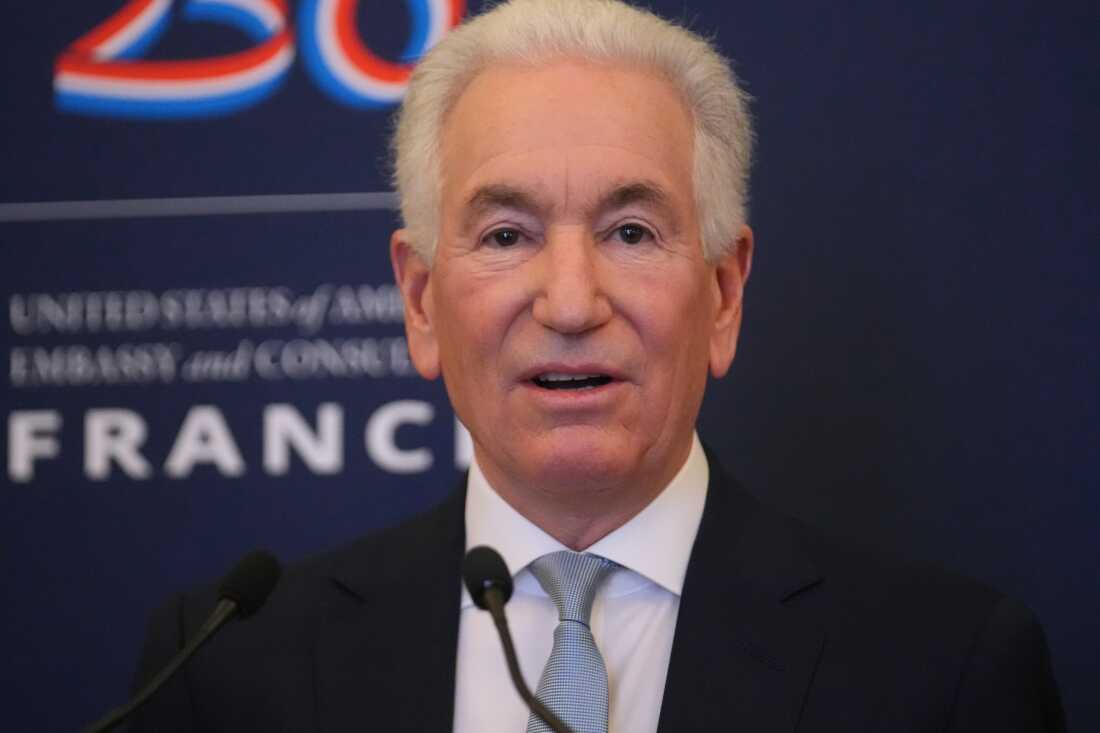
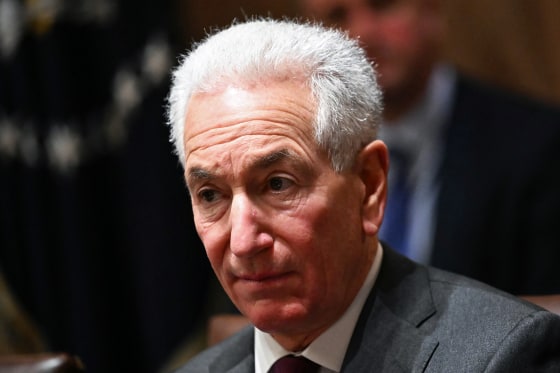
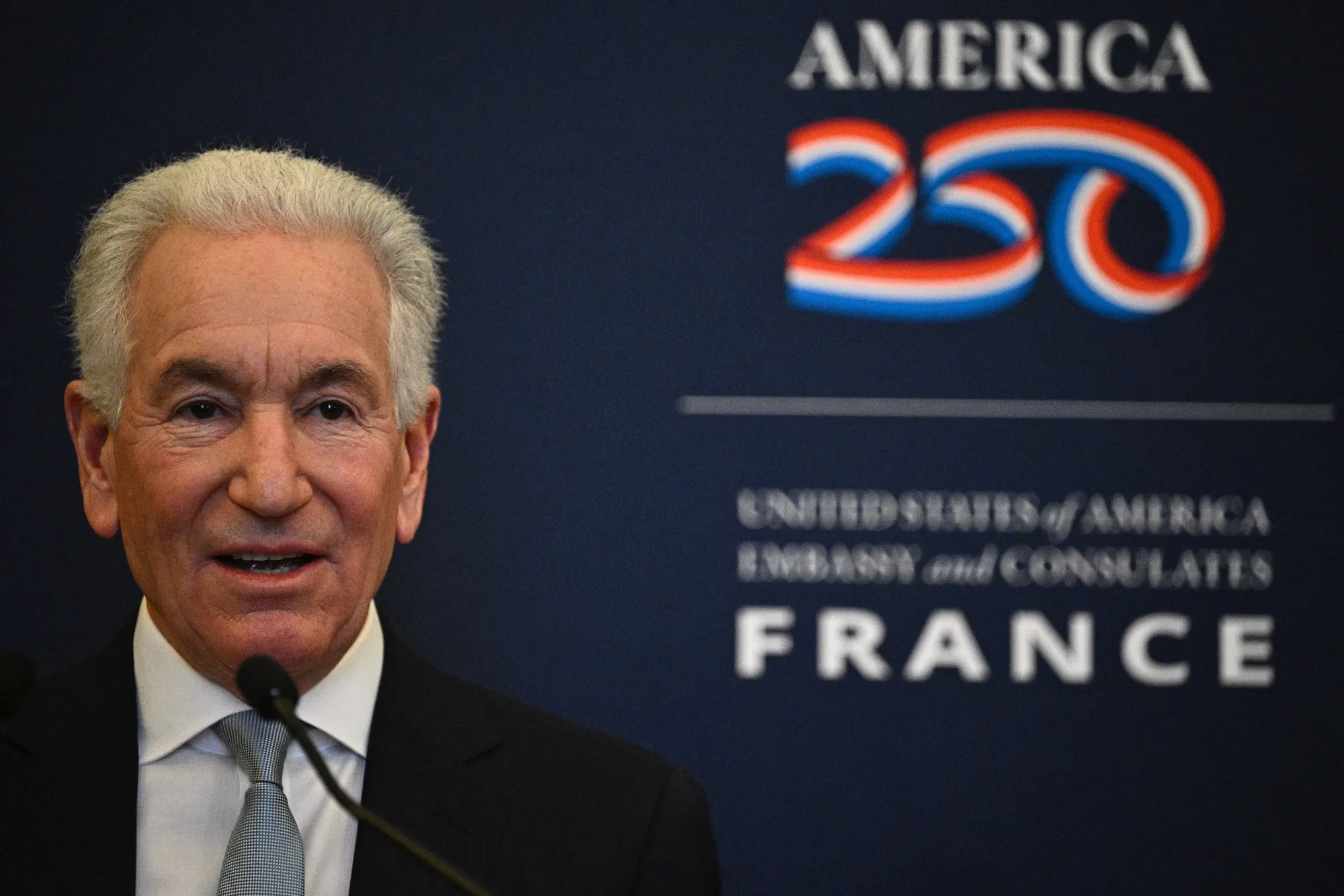
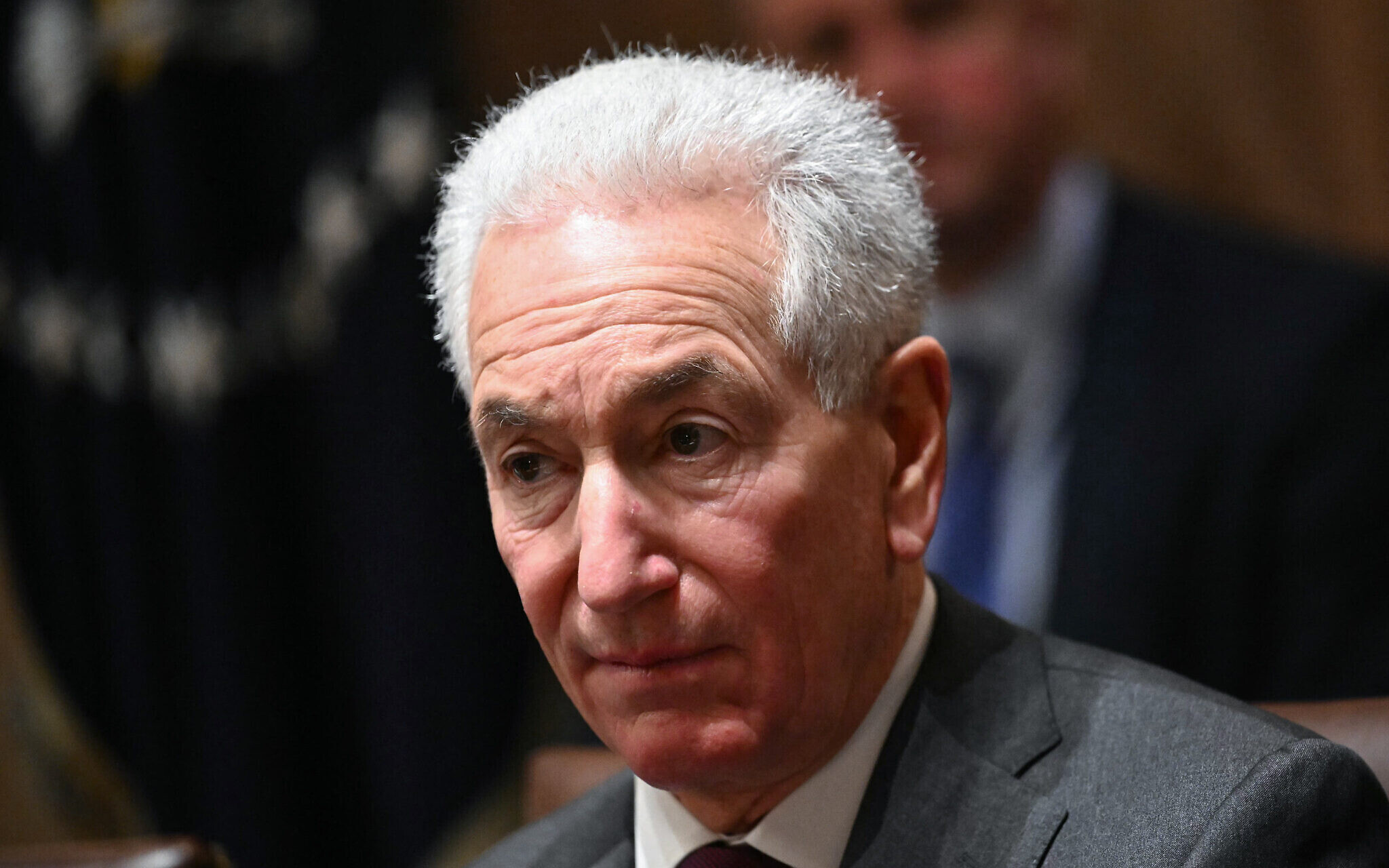
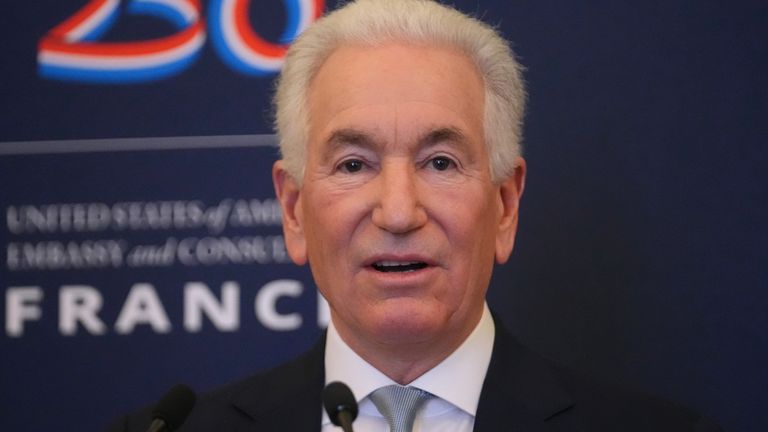
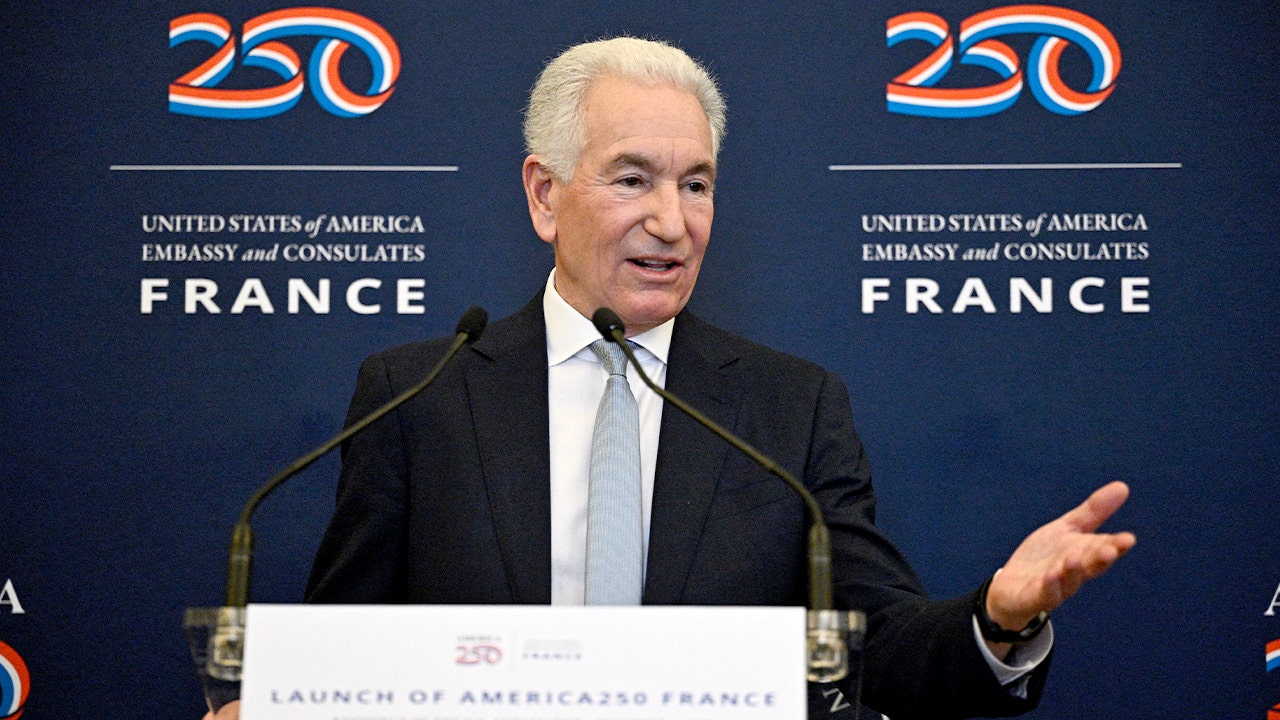
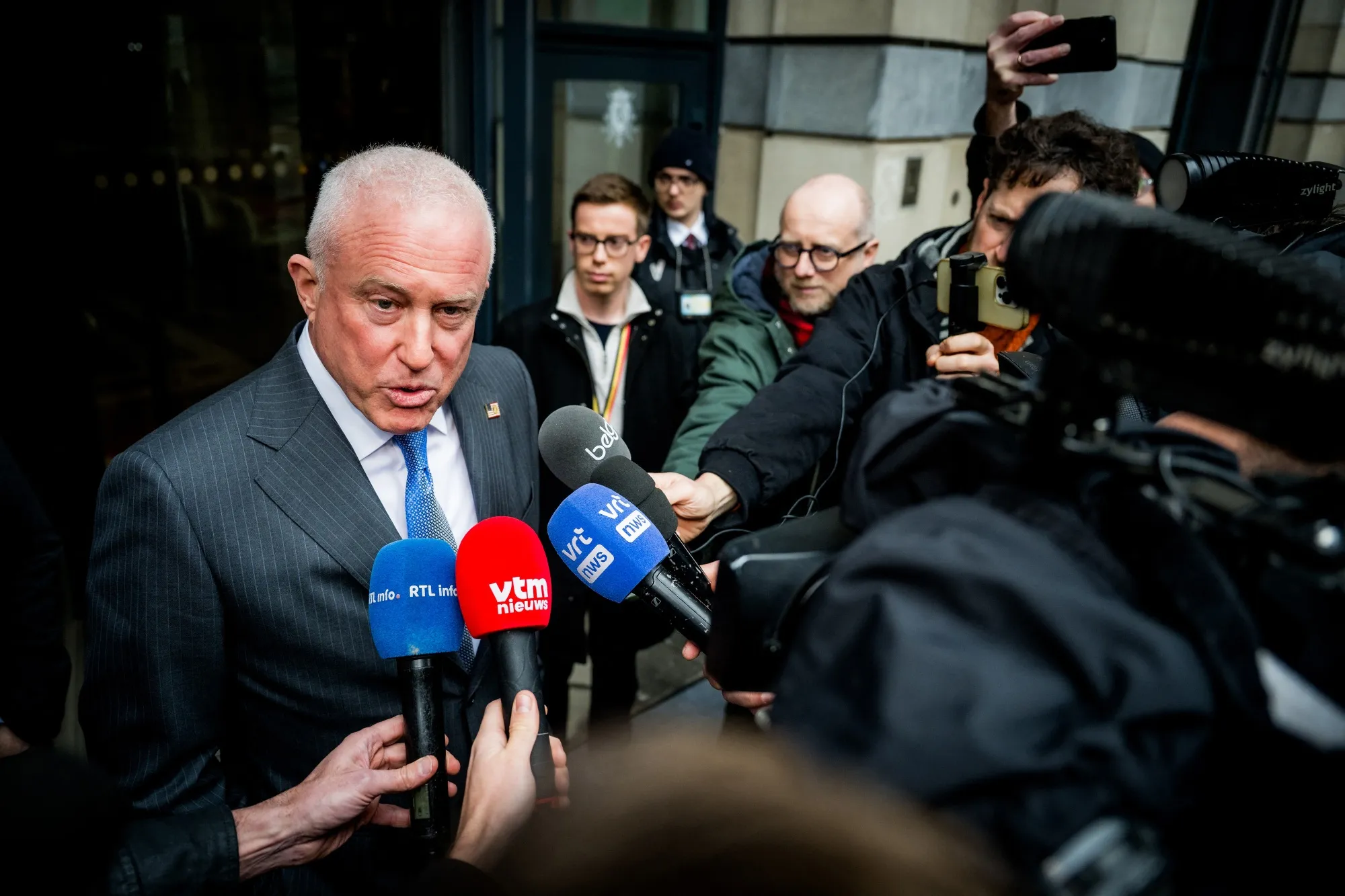
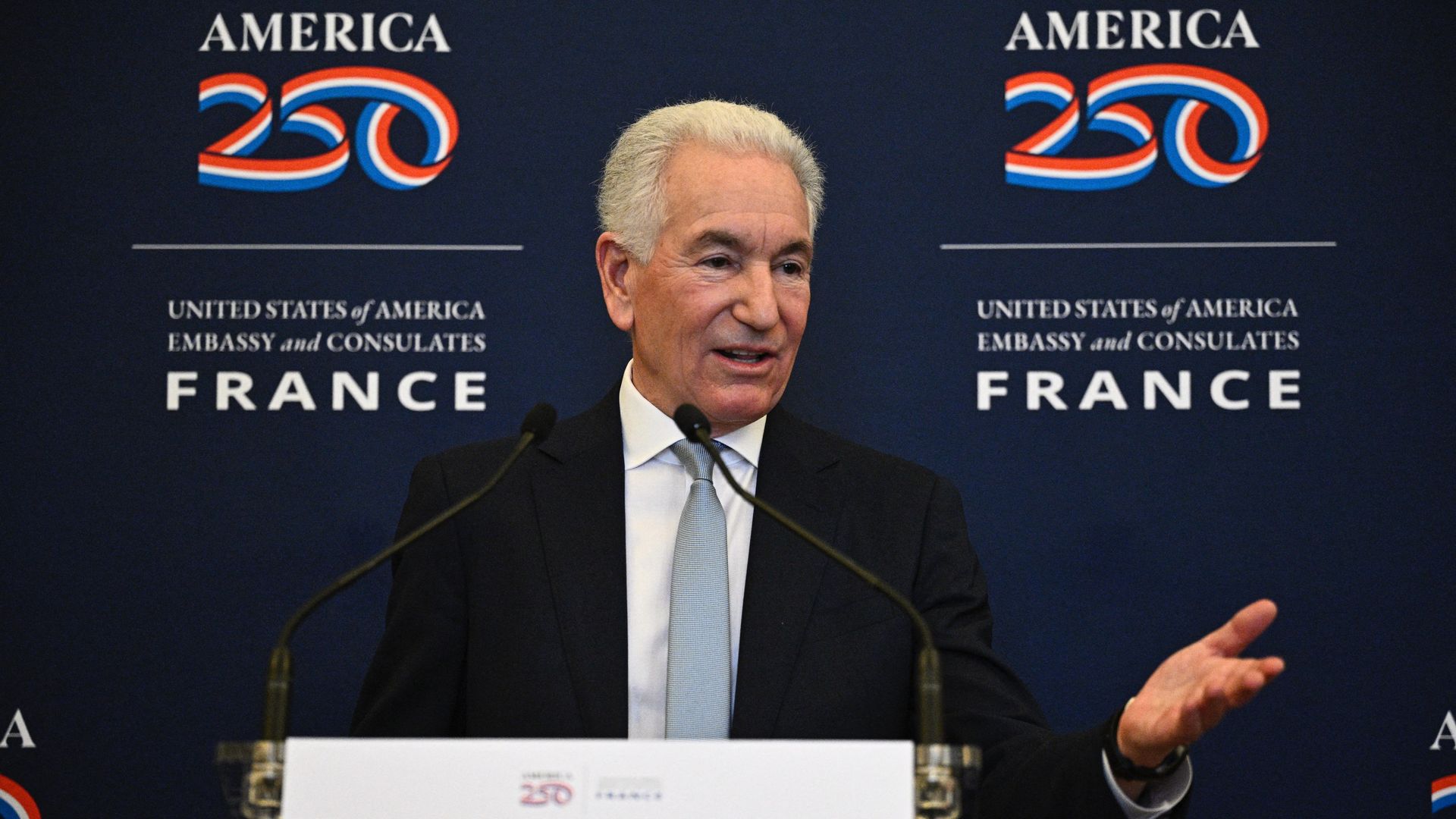
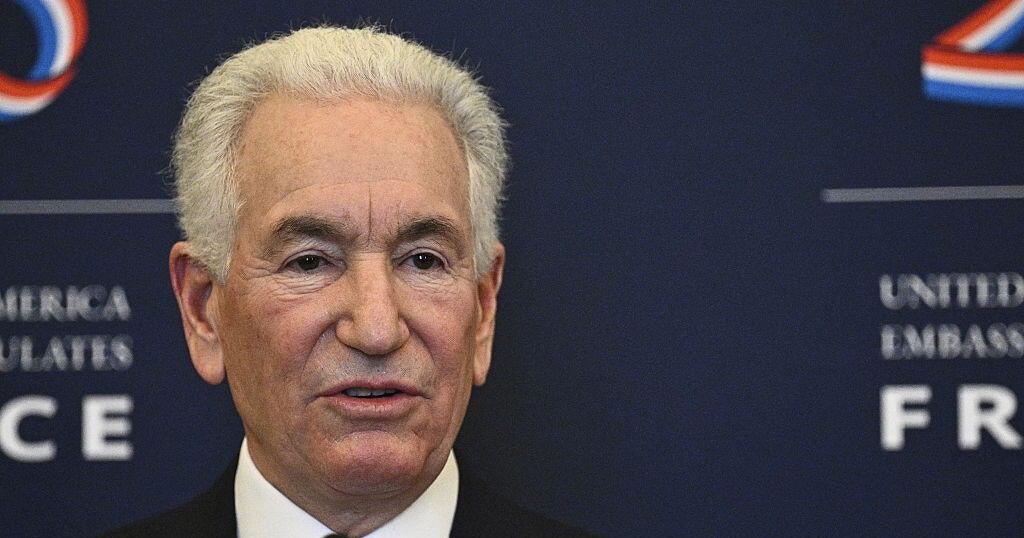
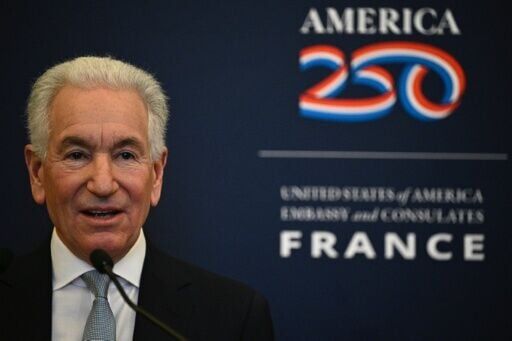
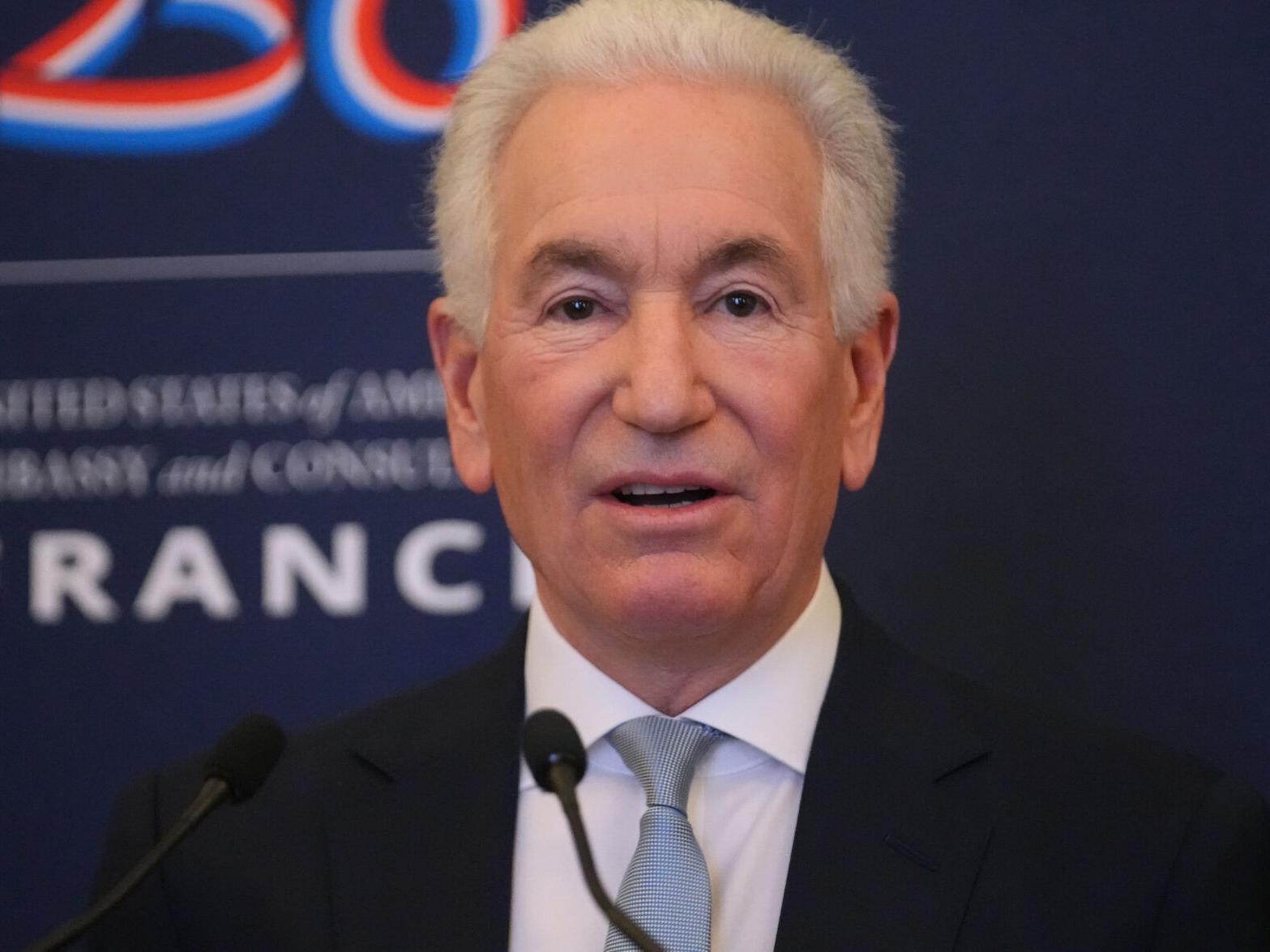
The diplomatic standoff between the US and France represents a critical inflection point for cross-border e-commerce sellers operating in European markets. On February 24, 2026, French Foreign Minister Jean-Noël Barrot restricted US Ambassador Charles Kushner's access to French government officials following his failure to appear for a summons regarding controversial Trump administration statements about French domestic politics. This marks the second diplomatic summons in six months and signals deepening US-France tensions that directly impact bilateral trade negotiations, tariff discussions, and regulatory alignment.
For cross-border sellers, this diplomatic friction creates immediate policy uncertainty affecting three critical areas: First, tariff arbitrage opportunities are at risk—ongoing US-France trade negotiations that could have reduced tariffs on specific product categories (electronics, apparel, consumer goods) are now stalled. Sellers who anticipated tariff reductions on HS codes 6204 (women's apparel), 8471 (computer equipment), and 9405 (lighting fixtures) should assume negotiations will be delayed 6-12 months. Second, customs enforcement procedures are becoming unpredictable—strained diplomatic relations historically correlate with stricter customs inspections and longer clearance times at French ports. US sellers shipping to France via Amazon EU, eBay Europe, or direct-to-consumer channels should expect 3-5 day delays in customs processing, increasing working capital requirements by 15-20%. Third, regulatory alignment is deteriorating—France's approach to e-commerce regulations, data protection standards (GDPR enforcement), and product safety certifications may diverge from US standards, creating compliance complexity for sellers managing unified EU operations.
The competitive dynamics shift significantly based on seller geography and sourcing strategy. US-based sellers shipping directly from America to France face the highest risk—tariff uncertainty and customs delays directly compress margins. Conversely, sellers already operating from EU fulfillment centers (Germany, Poland, Netherlands) gain competitive advantage as they bypass US-France trade friction. Chinese and Vietnamese sellers exporting to France through EU distribution hubs are largely insulated from this diplomatic crisis, potentially gaining 5-8% margin advantage over US competitors during the negotiation stalemate. The timing window is critical: Ambassador Kushner's restricted access means no high-level trade discussions will occur for 2-4 weeks minimum, during which competitors can establish market position in French e-commerce channels.
Strategic sourcing shifts are already underway. Sellers previously considering US manufacturing or direct US-to-France shipping should evaluate alternative sourcing: Vietnam (apparel, electronics) and India (textiles, consumer goods) offer tariff advantages under existing trade agreements and avoid US-France bilateral tensions. The diplomatic crisis creates a 90-120 day window where sellers can shift supply chains before potential retaliatory tariffs or regulatory changes. Compliance shortcuts include leveraging existing EU tariff classifications (HS codes) for goods already in European warehouses—sellers can reclassify shipments as "EU-origin" rather than "US-origin" to avoid potential future tariff increases on US goods.
問題 8
What are the long-term implications for US sellers in European markets?
This diplomatic crisis signals broader US-France tensions that may persist beyond 2026, affecting long-term trade policy. Sellers should assume US-France tariff negotiations will remain stalled through 2026-2027, with potential for retaliatory tariffs if tensions escalate. The crisis demonstrates vulnerability of US-dependent supply chains to geopolitical risk—diversification to Vietnam, India, and EU sourcing becomes strategic imperative. Sellers should invest in EU fulfillment infrastructure (warehouses, 3PL partnerships) to reduce reliance on US-France trade corridors. Regulatory divergence between US and France may accelerate, requiring separate compliance strategies for US vs. EU markets. Long-term opportunity: sellers who establish EU sourcing and fulfillment operations during this crisis gain 5-8% margin advantage over competitors for 2-3 years. Consider this a 'reset' moment to restructure supply chains away from US-centric models.
When should sellers expect resolution of this diplomatic crisis?
Ambassador Kushner's restricted access means no high-level trade discussions will occur for minimum 2-4 weeks. French Foreign Minister Barrot indicated access will be restored once Kushner provides 'satisfactory explanations' for controversial Trump administration statements about French domestic politics. Historical precedent suggests diplomatic incidents between US and France resolve within 4-8 weeks, but this crisis involves deeper tensions over US interference in French elections (March 2026). Expect policy uncertainty to persist through Q1 2026 minimum. Sellers should assume tariff negotiations remain frozen through mid-2026. Plan inventory and sourcing decisions assuming current tariff rates and customs procedures remain unchanged for 6+ months. Monitor US Embassy Paris and French Foreign Ministry statements weekly for resolution signals.