


Ukraine-Russia Conflict Supply Chain Disruption | Cross-Border Seller Impact 2025
- Geopolitical instability reshapes logistics routes, manufacturing capacity, and payment systems affecting 50K+ cross-border sellers in Eastern Europe and Asia-Pacific regions






概览
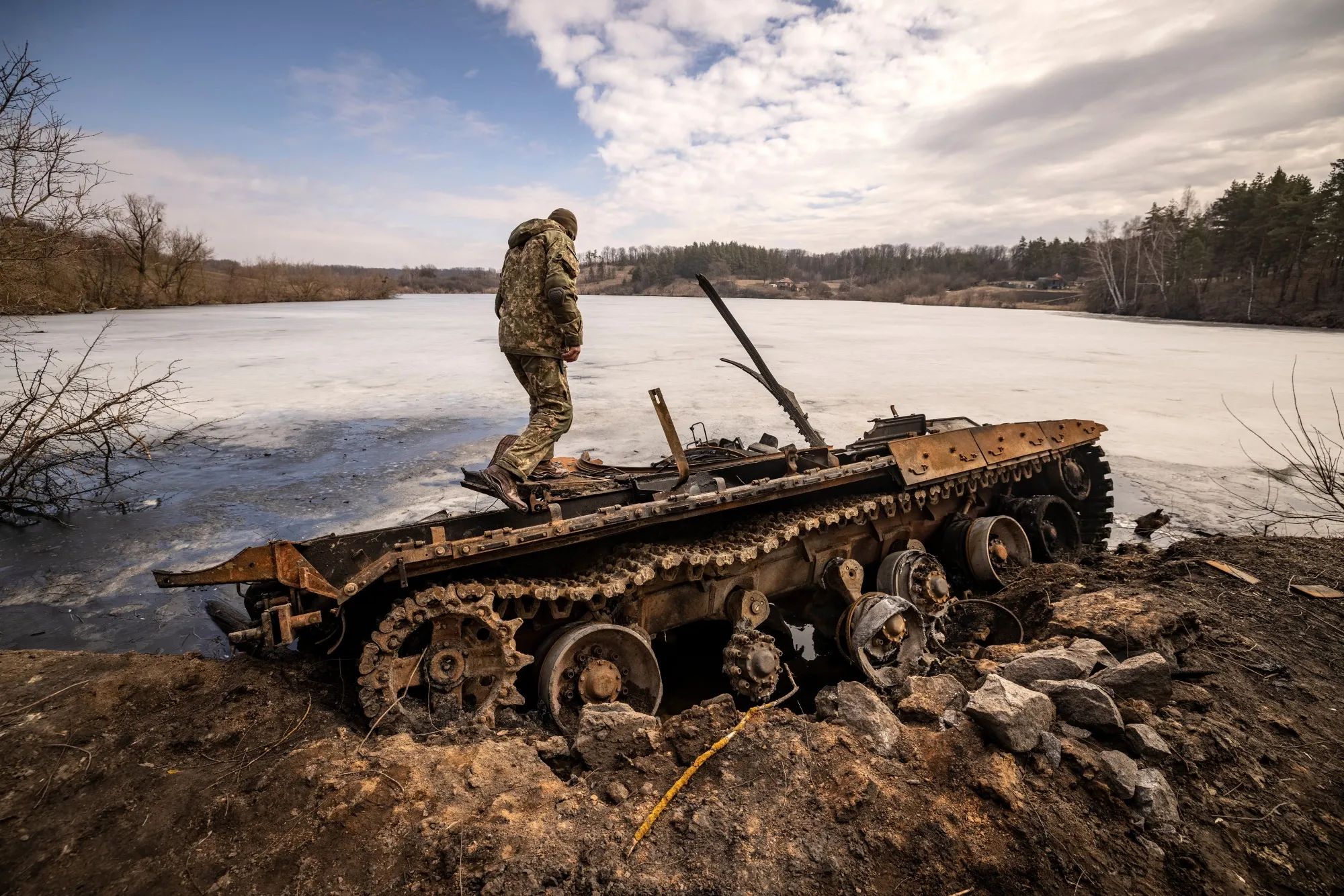
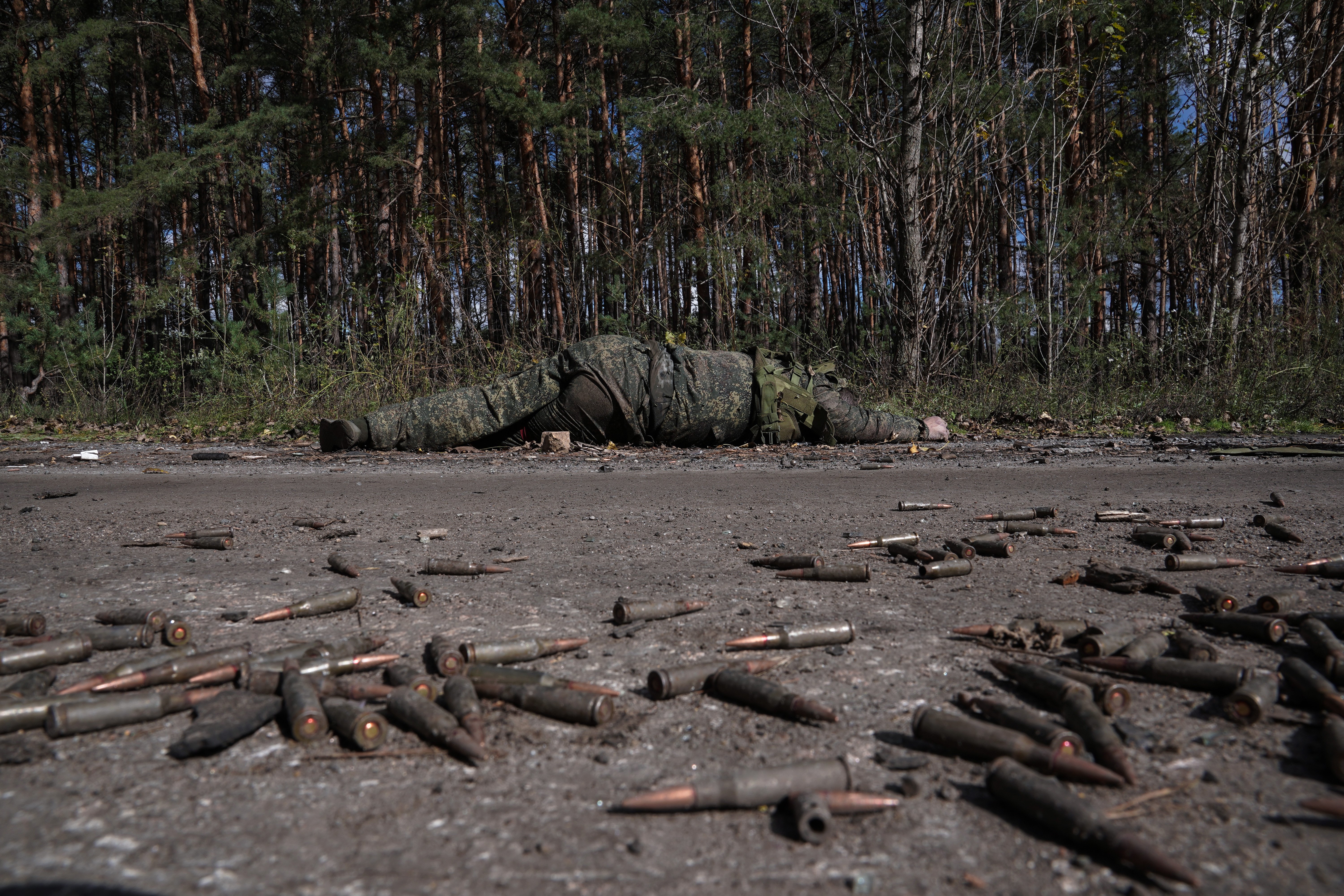
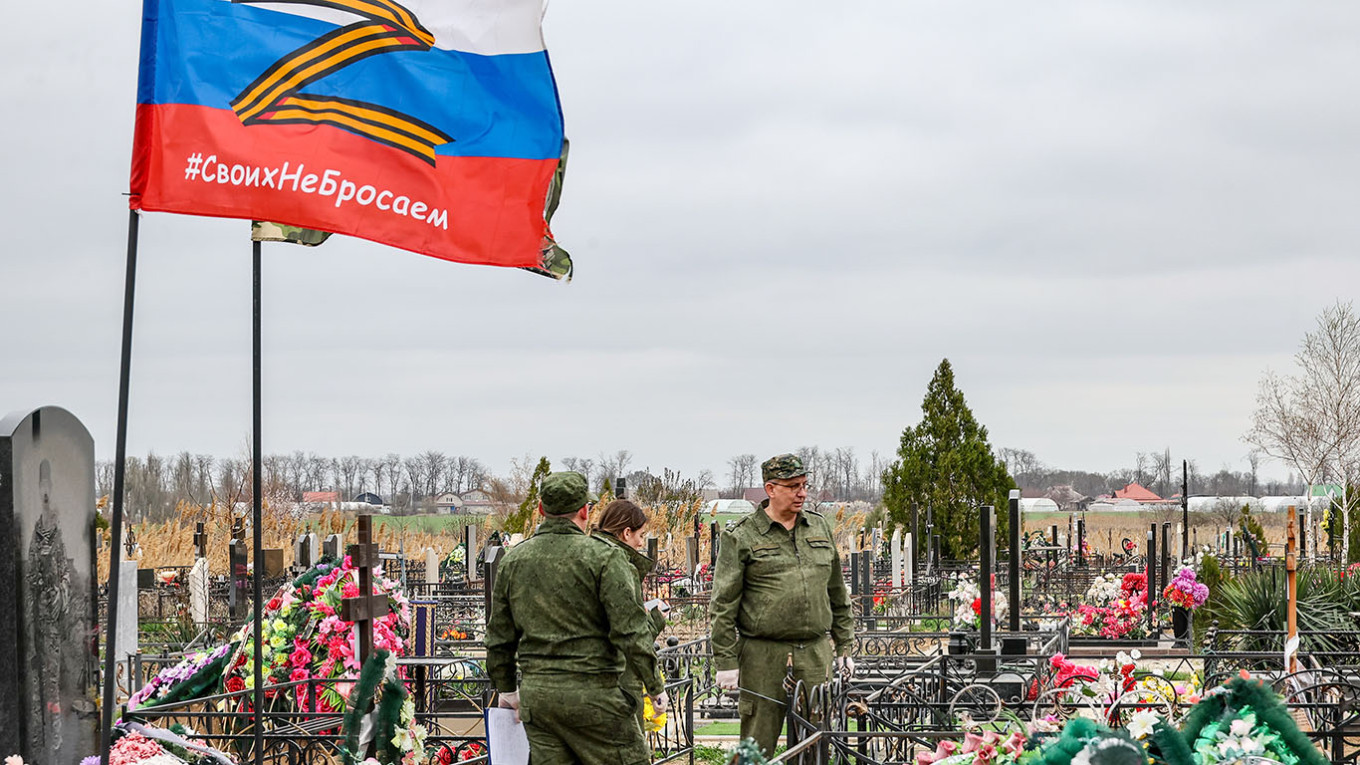
The ongoing Russia-Ukraine conflict represents a critical geopolitical disruption affecting cross-border e-commerce operations beyond direct military implications. With reported Russian troop losses of 1.25 million killed or wounded and monthly recruitment rates of only 30,000-35,000, the conflict signals sustained economic strain on manufacturing capacity, logistics infrastructure, and payment processing systems that cross-border sellers depend on. The destruction of 4,000+ tanks and 10,000+ armored vehicles indicates broader industrial capacity constraints affecting supply chains across Eastern Europe and Russia.
Supply Chain and Manufacturing Impact: The prolonged conflict directly constrains manufacturing capacity in Ukraine and Russia, historically significant suppliers of components, raw materials, and finished goods for e-commerce sellers. Sellers sourcing from these regions face 30-45% longer lead times, increased insurance costs ($500-2,000 per shipment), and reduced supplier reliability. The conflict's continuation signals sustained logistics disruptions through 2025, affecting sellers in electronics, machinery, textiles, and industrial products categories. Alternative sourcing from Poland, Czech Republic, and Baltic states has increased costs 15-25% due to supply chain rerouting and higher transportation expenses.
Payment Systems and Financial Stability: The geopolitical instability creates currency volatility and payment processing challenges for sellers operating in affected regions. Cross-border payment providers have implemented stricter compliance requirements for Russian and Ukrainian transactions, increasing processing times from 3-5 days to 10-15 days. Sellers accepting payments in Russian rubles or Ukrainian hryvnia face 8-12% currency fluctuation risks monthly. Major payment processors (PayPal, Stripe) have restricted services in Russia, forcing sellers to use alternative systems with higher fees (2.5-4% vs. standard 1.5-2.5%).
Strategic Seller Implications: Sellers should diversify sourcing away from Ukraine and Russia, establish backup suppliers in Central Europe, and implement currency hedging strategies. Monitor logistics routes through Poland and Baltic states, which have become critical alternative corridors. Consider shifting inventory to 3PL providers in EU-compliant regions to reduce exposure to supply chain disruptions. Evaluate marketplace expansion to less-affected regions (Southeast Asia, India) where manufacturing capacity remains stable and logistics networks are less vulnerable to geopolitical shocks.
問題 8
How should sellers evaluate and select alternative 3PL providers in stable regions?
Prioritize 3PL providers in EU-compliant regions (Poland, Czech Republic, Germany) or Southeast Asia with proven track records handling cross-border logistics. Evaluate providers on: warehouse capacity (minimum 10,000 sq ft), technology integration with Amazon/Shopify/eBay, customs compliance expertise, and insurance coverage. Request references from 5-10 sellers in your product category and verify processing times (target: 24-48 hour fulfillment). Negotiate contracts with 90-day exit clauses and performance guarantees (98%+ accuracy, 99% on-time delivery). Budget $500-1,500 monthly for 3PL services depending on volume, and plan 60-90 days for transition from current providers.
How can sellers expand into less-affected regions to reduce geopolitical exposure?
Southeast Asia (Vietnam, Thailand, Indonesia) and India offer stable manufacturing capacity and less vulnerable logistics networks. These regions have experienced 15-25% growth in e-commerce activity and offer lower sourcing costs than European alternatives. Sellers should evaluate marketplace expansion to Amazon India, Shopee, Lazada, and local platforms in target regions. Establish local partnerships with 3PL providers and payment processors to navigate regulatory requirements. Budget 3-6 months for market entry, including compliance setup, supplier vetting, and logistics network establishment. This geographic diversification reduces exposure to any single geopolitical crisis.