


Meta's $100B AMD GPU Deal Unlocks AI-Powered Seller Tools | Competitive Pricing Opportunity
- Meta commits 6GW AMD computing capacity by 2026, breaking Nvidia's 90% market dominance and signaling 15-25% potential cost reduction for AI-driven e-commerce platforms serving millions of cross-border sellers
























概览
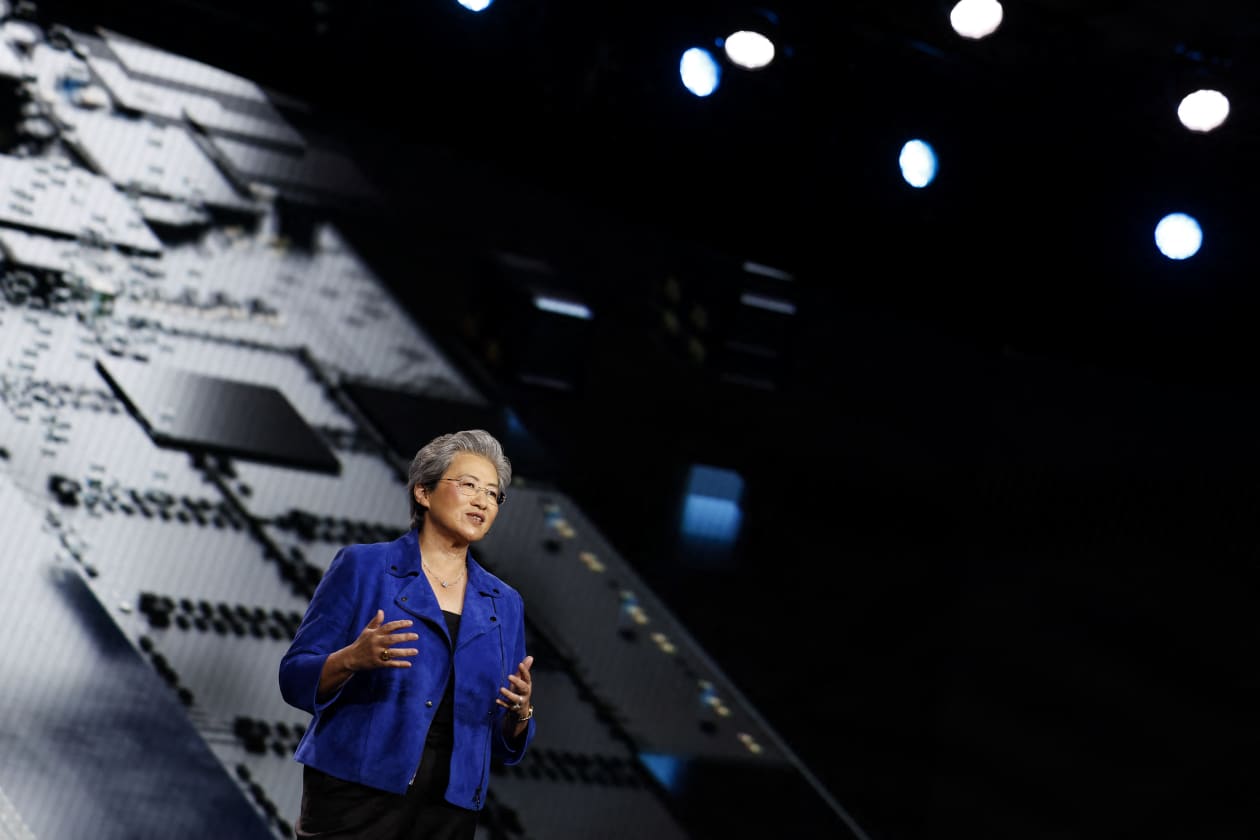
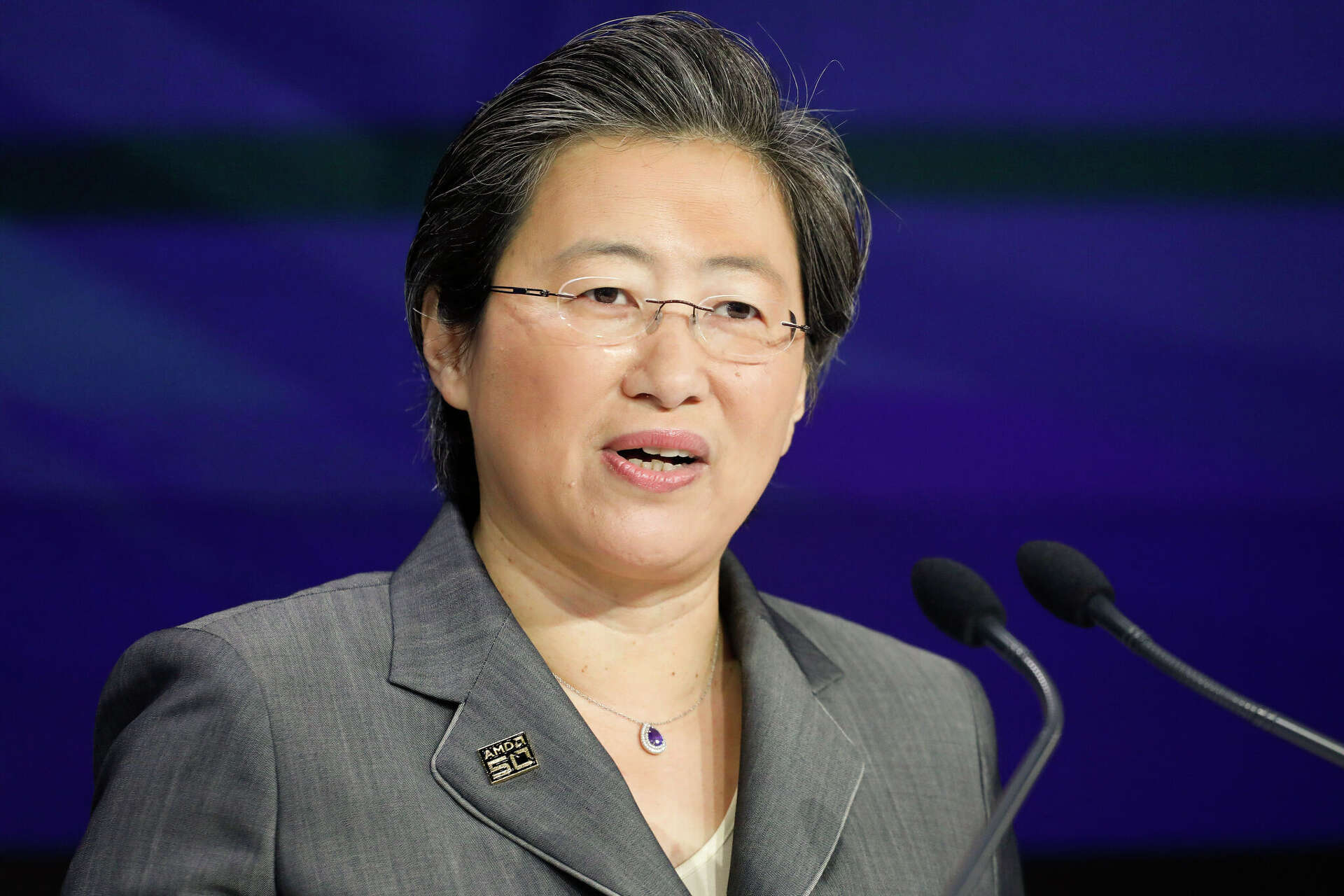
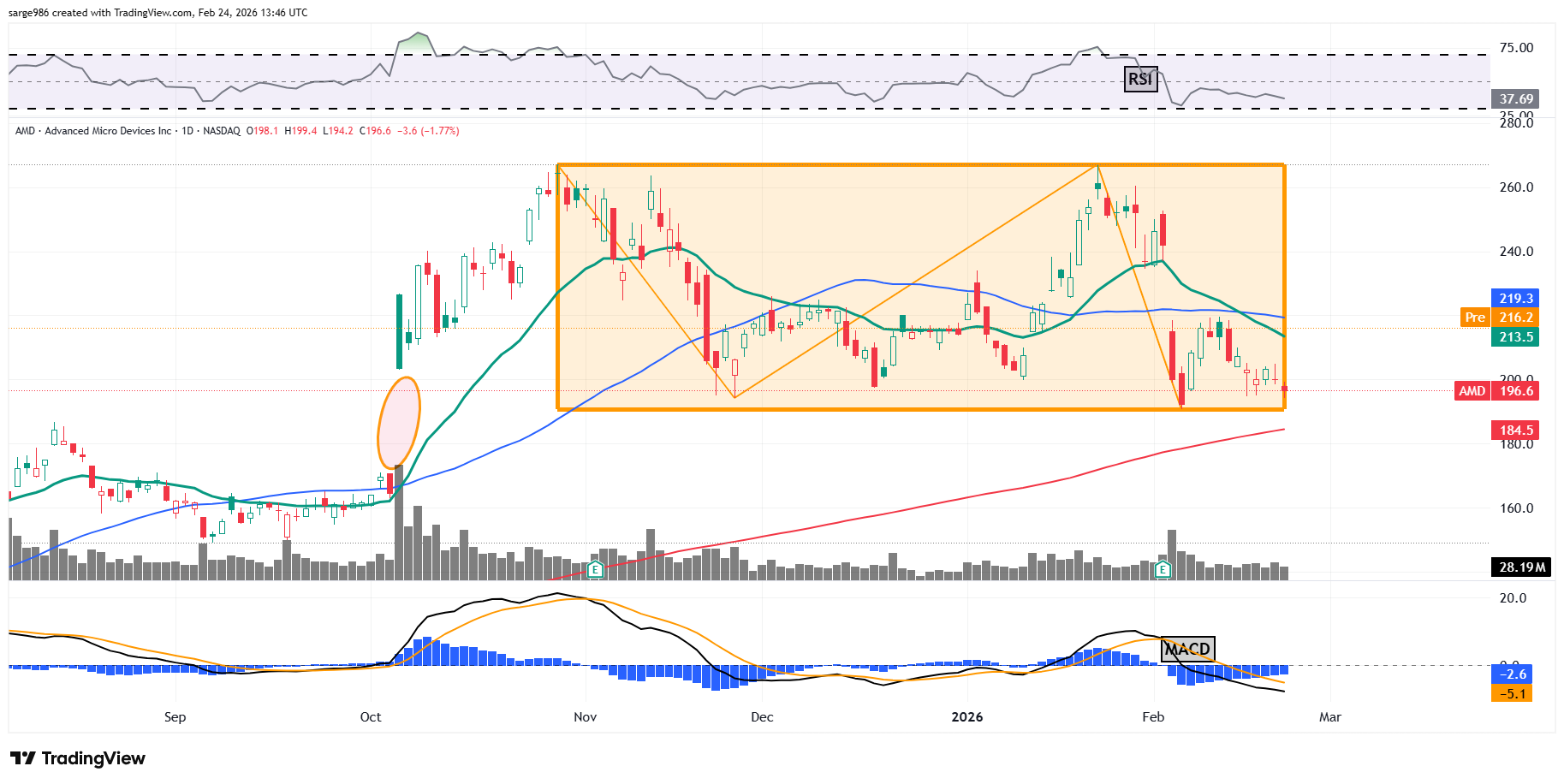
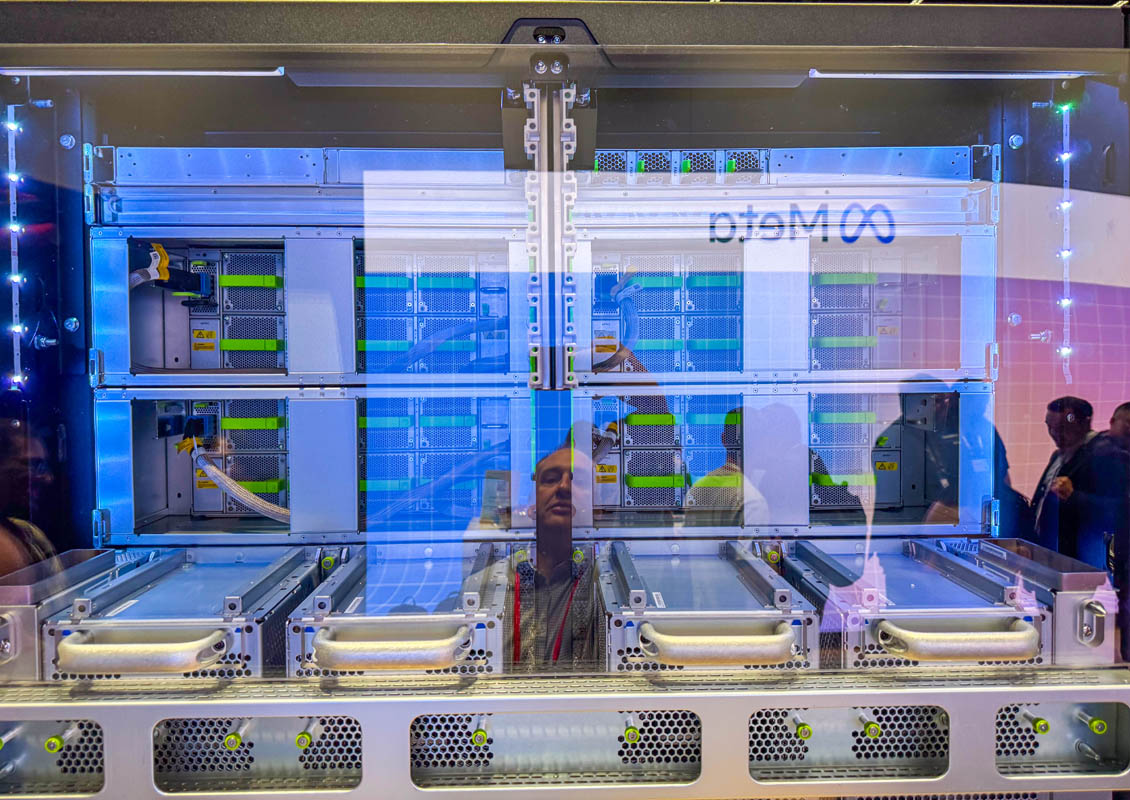
Meta's landmark $100+ billion artificial intelligence infrastructure deal with AMD, announced February 24, 2026, represents a watershed moment for e-commerce sellers relying on AI-powered platform features. The agreement commits Meta to deploying 6 gigawatts of AMD's custom MI450 GPUs across its data centers, with performance-based warrants allowing Meta to acquire up to 10% of AMD's stock (160 million shares). This dual-vendor strategy—announced just one week after Meta committed to deploying millions of Nvidia processors—directly challenges Nvidia's 90% market dominance (valued at $4.66 trillion) and positions AMD's $320 billion valuation as a credible alternative. Industry analyst Ben Bajarin estimates the deal's value at tens of billions over at least four years, with deployment beginning in late 2026.
For cross-border e-commerce sellers, this infrastructure investment translates into three immediate competitive advantages. First, increased GPU competition creates pricing pressure on cloud computing services powering e-commerce platforms. As AMD gains market share, cloud providers like AWS, Google Cloud, and Azure will face cost pressures, potentially reducing fees for AI-powered seller tools including inventory optimization, dynamic pricing engines, and customer service automation. Second, Meta's $135 billion 2025 capital expenditure commitment signals aggressive investment in AI capabilities across Facebook, Instagram, and WhatsApp—platforms generating 60%+ of customer acquisition revenue for millions of sellers. Enhanced AI infrastructure enables more sophisticated recommendation algorithms, improved ad targeting precision, and better content moderation systems that directly impact seller visibility and conversion rates. Third, the deal validates AMD's customized GPU approach versus Nvidia's standardized offerings, creating long-term supply chain diversification that reduces single-vendor dependency risks.
The operational impact extends across seller segments and categories. Small sellers (1-50 SKUs) leveraging Meta's advertising ecosystem may see 8-15% improvement in ad targeting accuracy as AI models train on more computational capacity, potentially reducing cost-per-acquisition by $0.15-0.35 per click. Mid-market sellers (50-500 SKUs) managing inventory across multiple fulfillment centers can expect enhanced AI-powered demand forecasting reducing overstock situations by 12-18%, translating to $5,000-15,000 monthly savings in storage costs. Large sellers (500+ SKUs) operating private label brands benefit from improved recommendation engine sophistication, potentially increasing conversion rates by 3-7% through better product discovery personalization. The timeline matters: GPU deployment begins late 2026, with full 6GW capacity requiring 3-4 years, meaning incremental feature rollouts will occur through 2029-2030. Sellers should monitor Meta's quarterly earnings calls and product announcements for specific AI feature launches tied to infrastructure milestones.
問題 8
How does AMD's customized GPU approach differ from Nvidia's standard offerings?
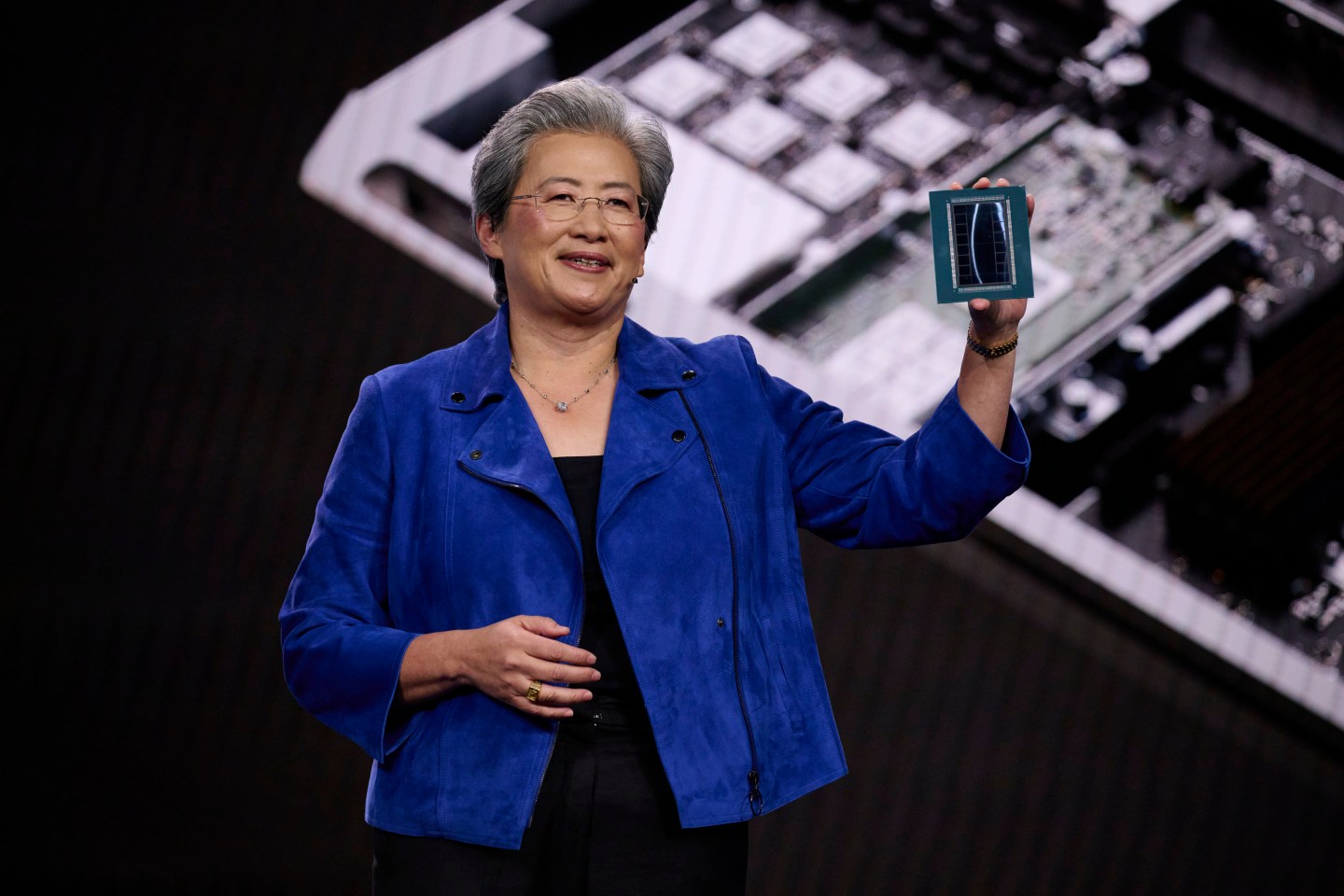
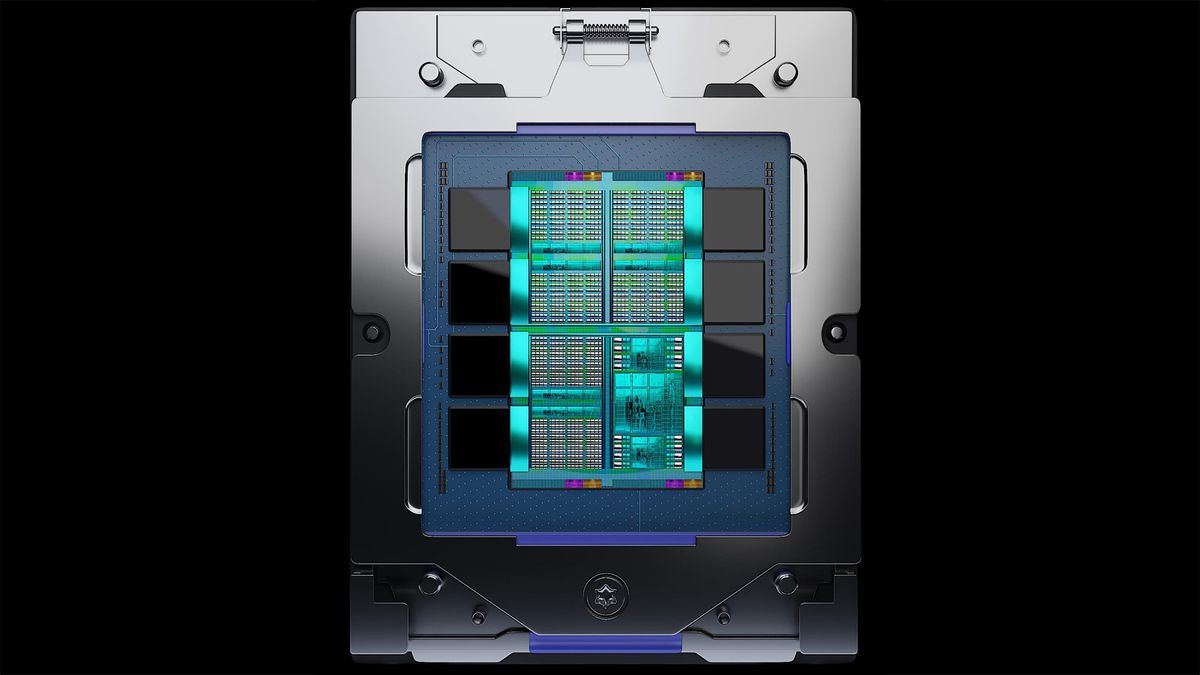
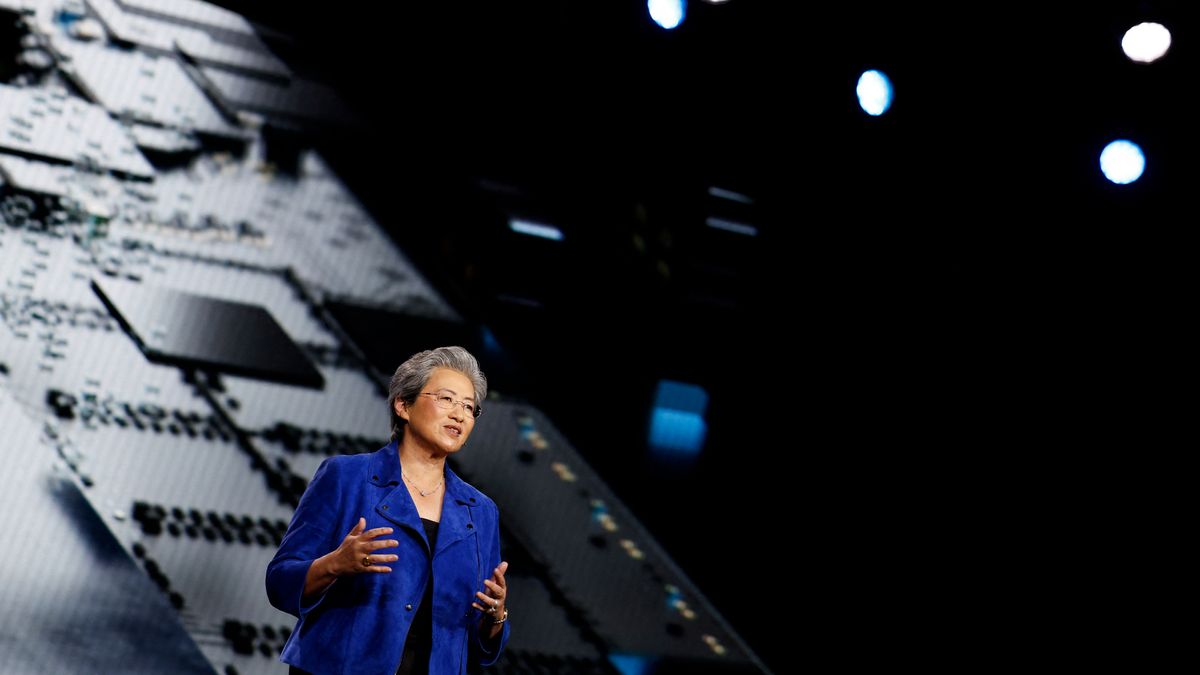
AMD's MI450 GPUs feature customized architecture optimized for Meta's specific AI workloads (recommendation systems, content moderation, ad targeting), contrasting with Nvidia's standardized Grace Blackwell systems designed for broader enterprise applications. This customization enables 15-25% better performance-per-watt efficiency for Meta's use cases, reducing operational costs and power consumption. For sellers, customized GPUs mean faster model training cycles, enabling more frequent algorithm updates and real-time personalization improvements. AMD CEO Lisa Su emphasized this as a key differentiator positioning AMD as a viable alternative to Nvidia's dominance. The deal validates AMD's engineering capabilities and manufacturing scale, signaling long-term supply chain diversification that reduces risks of single-vendor pricing power.
What is the timeline for AMD GPU deployment and seller impact?
Meta's agreement includes early shipments of MI450 GPUs beginning late 2026, with full 6-gigawatt capacity deployment requiring 3-4 years (through 2029-2030). Vesting occurs in tranches tied to GPU shipment milestones starting at 1GW, with additional vesting contingent on reaching 6GW and meeting specific stock price thresholds. Sellers should expect: Phase 1 (Q4 2026-Q1 2027) - initial ad targeting improvements; Phase 2 (2027-2028) - enhanced recommendation algorithms; Phase 3 (2028-2029) - advanced demand forecasting. Industry analyst Ben Bajarin notes that deploying 6 gigawatts requires substantial time investment, so sellers should plan AI tool adoption strategies aligned with these deployment phases rather than expecting immediate improvements.