




Taiwan Chip Crisis 2027 | Critical Supply Chain Risk for E-Commerce Sellers
- 90-97% of advanced chips from Taiwan face disruption risk; sellers face 25%+ cost increases and extended lead times through 2026





概览
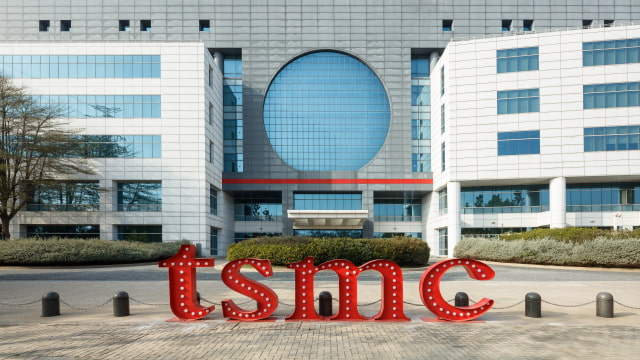
Taiwan's semiconductor dominance creates an existential supply chain vulnerability for cross-border e-commerce sellers. A classified CIA briefing in July 2023 warned technology executives including Apple CEO Tim Cook that China could move on Taiwan by 2027, triggering potential disruption to 90-97% of the world's advanced chip production. TSMC produces approximately 90% of the world's most advanced chips, including all custom silicon for Apple's iPhone, iPad, and Mac products. Treasury Secretary Scott Bessent called Taiwan's chip concentration "the single biggest threat to the world economy" and "the single biggest point of single failure." A 2022 Semiconductor Industry Association report concluded that losing Taiwan's chip supply would trigger the worst economic crisis since the Great Depression, with U.S. GDP falling 11%. Bloomberg estimated in January 2024 that a conflict would cost the global economy more than $10 trillion.
For cross-border e-commerce sellers, this creates three immediate operational risks through 2027. First, any disruption to TSMC's production capacity would cascade through global supply chains, affecting product availability, pricing, and delivery timelines for electronics sold internationally. Sellers relying on inventory-dependent models would face extended lead times and potential stockouts. Small and medium-sized sellers with limited inventory buffers face disproportionate risk compared to large enterprises with strategic reserves. Second, domestically produced chips cost more than 25% above Taiwan-manufactured equivalents due to higher material, labor, and permitting costs. Arizona facilities currently operate technology one generation behind Taiwan's capabilities. This cost differential directly compresses margins for sellers sourcing electronics, smart devices, and technology products. Third, the U.S. government has threatened tariffs up to 100% on Taiwanese chip exports to pressure relocation, creating additional pricing uncertainty. Taiwan's Vice Premier explicitly rejected U.S. requests to relocate 40% of manufacturing capacity stateside, stating such a transition is "impossible" without abandoning operational maturity.
Simultaneously, AI-driven demand is creating secondary supply shocks in power management components. Infineon announced price increases for power management products (MOSFETs, IGBTs) effective April 2026, reflecting capacity constraints. Industry analyst TrendForce reports that power IC capacity expansion significantly lags demand growth, with existing infrastructure committed to legacy industrial, automotive, and telecom applications. Unlike memory markets where AI displaces older technologies, power IC demand compounds across all sectors without offsetting legacy applications. This dual pressure—reshoring limitations and AI-driven component scarcity—creates interconnected supply chain stress through 2026. Automotive, industrial, and computing sectors face the hardest impact from rising power IC prices and availability constraints.
Policy divergence adds uncertainty to long-term sourcing strategies. The Trump administration concluded a trade agreement reducing U.S. tariffs from 32% to 3.15%, securing Taiwan technology firm commitments of at least $250 billion investment in U.S. tech ecosystems. However, Commerce Secretary Howard Lutnick has aggressively pursued reshoring Taiwan's semiconductor production, targeting 40% relocation to the U.S. by 2029—a goal Taiwan's trade negotiator publicly called "impossible." This narrative shift from "silicon shield" protection to viewing Taiwan as a strategic liability creates policy uncertainty. For e-commerce sellers dependent on semiconductor supply chains, AI infrastructure, and global logistics networks, this policy divergence creates significant uncertainty regarding long-term supply chain stability and technology access.
問題 7
How does Taiwan's chip dominance affect cross-border e-commerce sellers?
Taiwan produces 90-97% of the world's advanced chips, making it critical for electronics, smart devices, and technology products sold globally. A CIA briefing in July 2023 warned that China could move on Taiwan by 2027, potentially disrupting this supply. Any disruption would immediately impact product availability, increase component costs by 25%+ (compared to Taiwan-manufactured equivalents), and delay shipments. Small and medium-sized sellers with limited inventory buffers face disproportionate risk compared to large enterprises with strategic reserves. Sellers relying on tech products with advanced semiconductors should monitor geopolitical developments and develop diversified sourcing strategies immediately.
What is the cost impact of shifting to US-manufactured chips?
Domestically produced chips cost more than 25% above Taiwan-manufactured equivalents due to higher material, labor, and permitting costs. Arizona facilities currently operate technology one generation behind Taiwan's capabilities, limiting their use for cutting-edge products. The U.S. government has provided $50 billion in subsidies through the CHIPS and Science Act of 2022, and TSMC has committed $165 billion in U.S. investment including five additional Phoenix plants. However, industry experts acknowledge that alternative manufacturing cannot immediately match TSMC's advanced capabilities. For sellers, this means sustained cost pressures through 2026 as reshoring initiatives ramp up production.