


Luxury EV Collapse Reshapes Aftermarket Supply Chain | Performance Parts Sellers See Demand Surge Through 2030
- Lamborghini cancels $200K+ Lanzador supercar; luxury EV demand "close to zero" globally; traditional performance parts sellers face 5-10 year demand extension as manufacturers delay electrification










概览
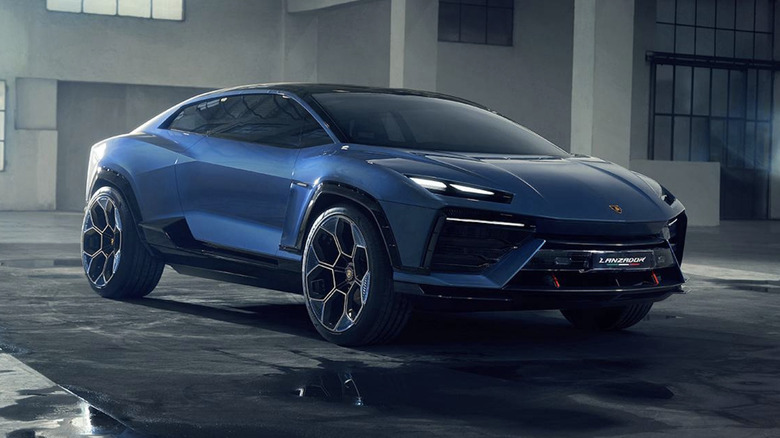
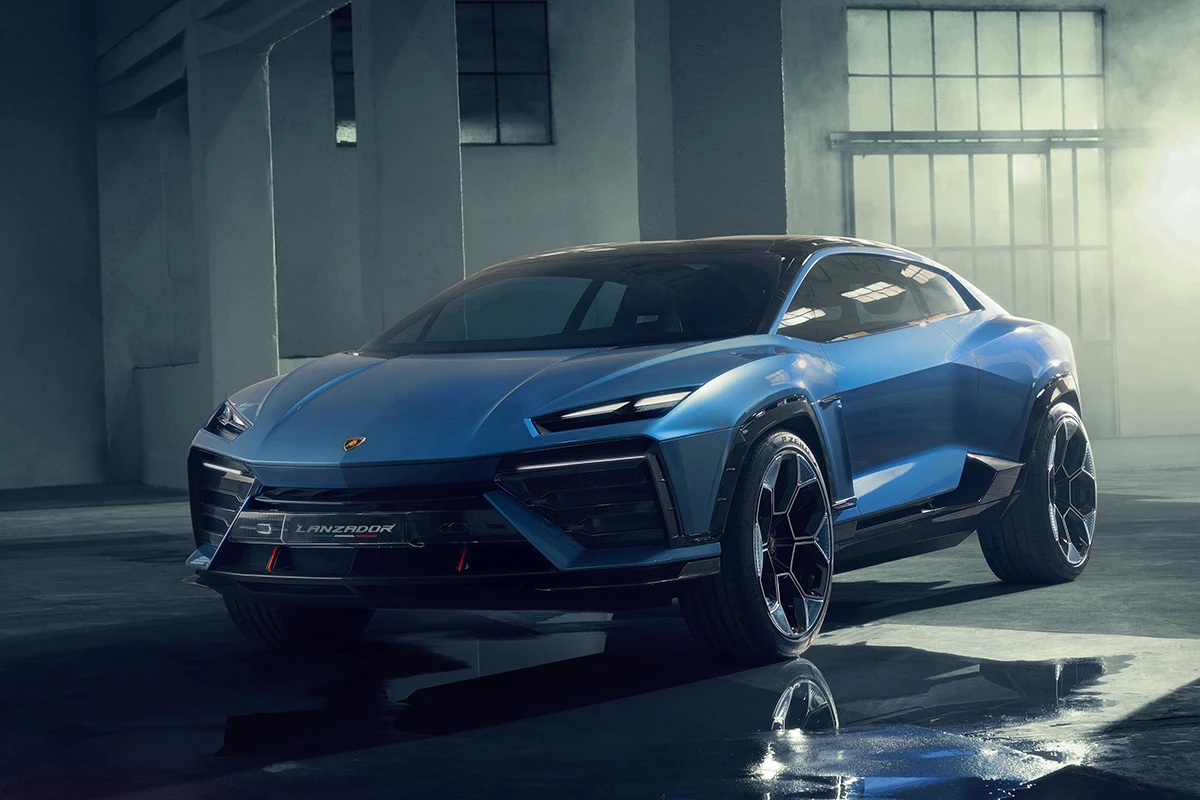
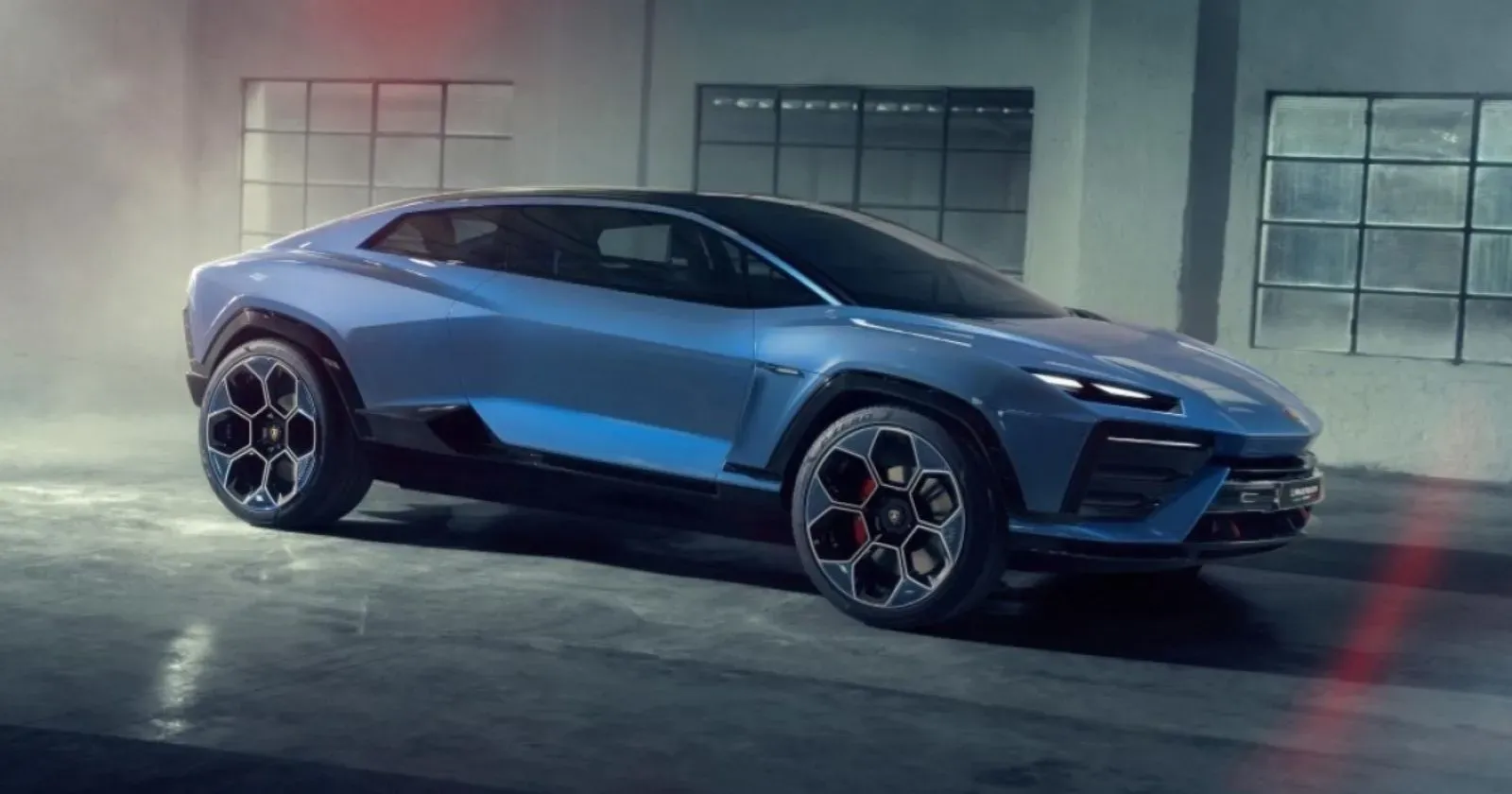
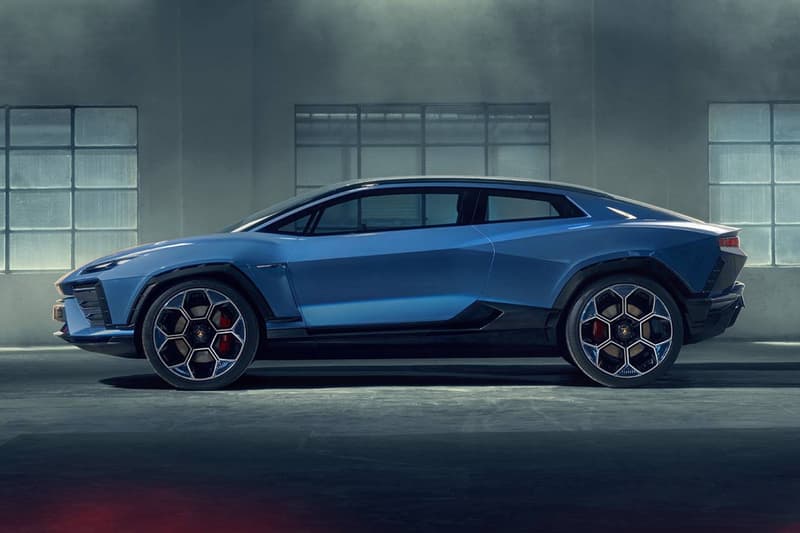
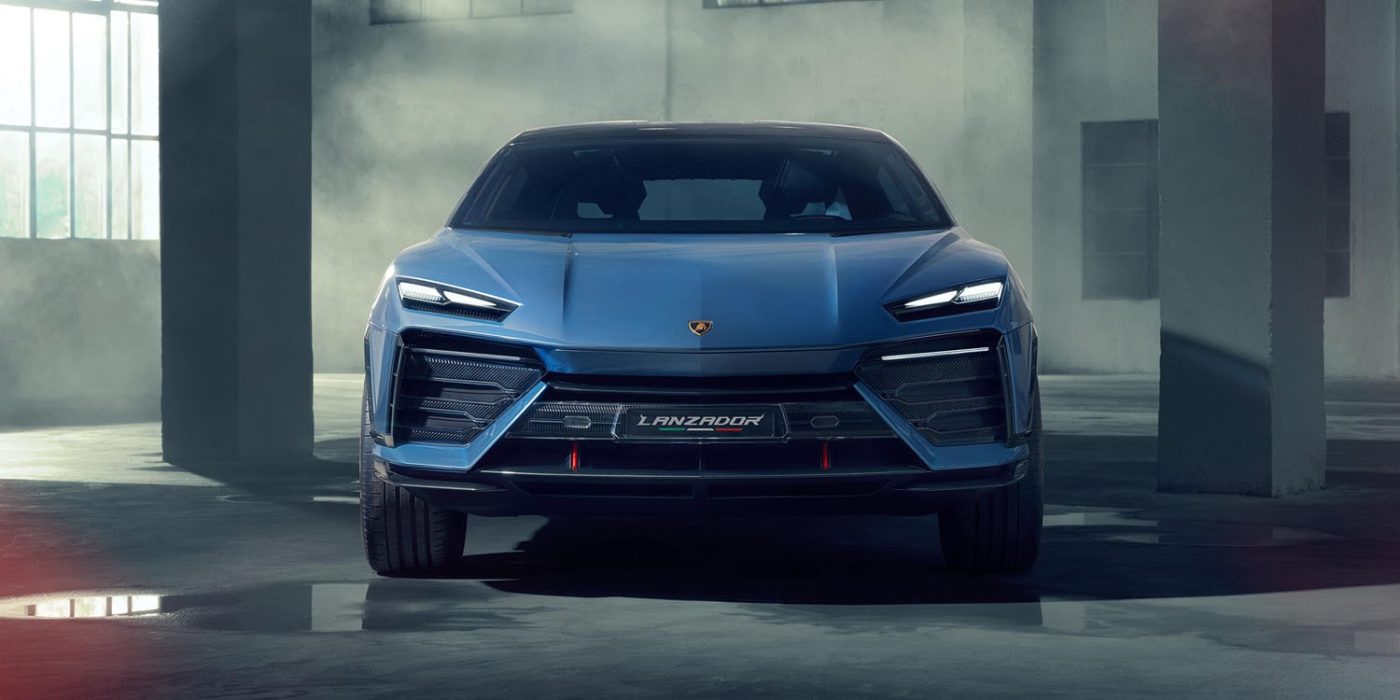
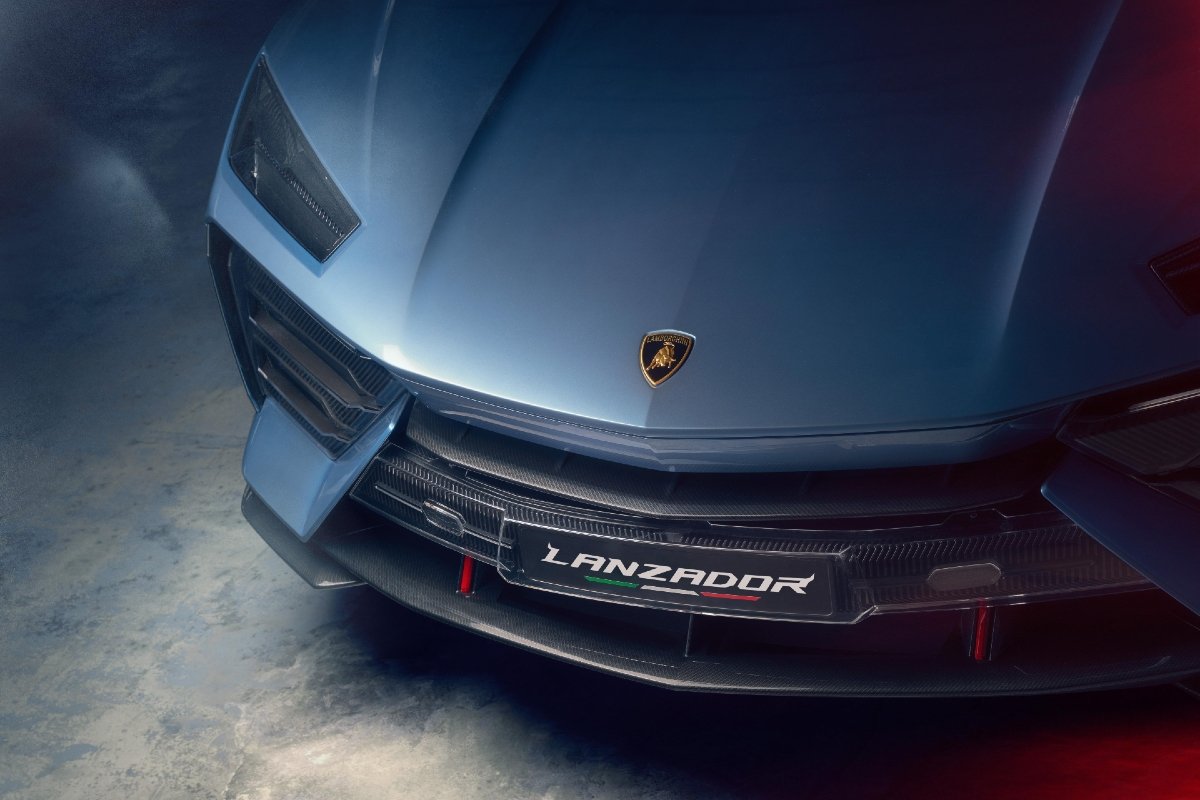
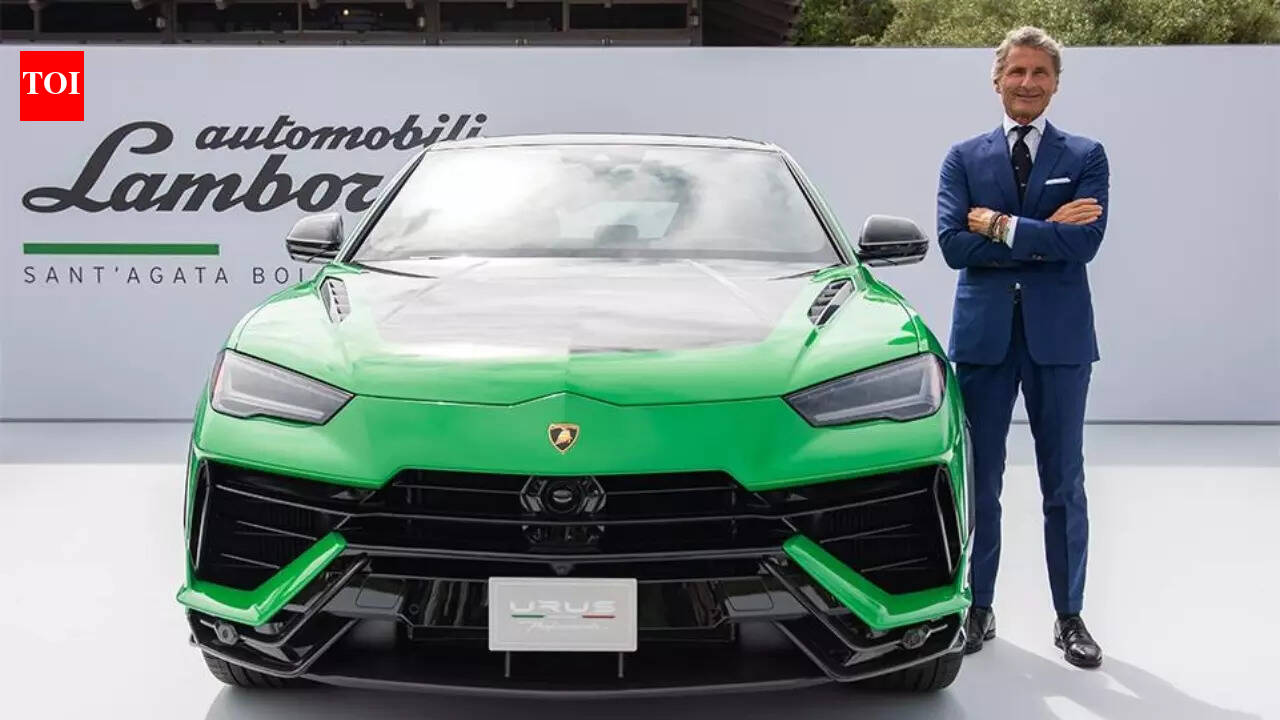
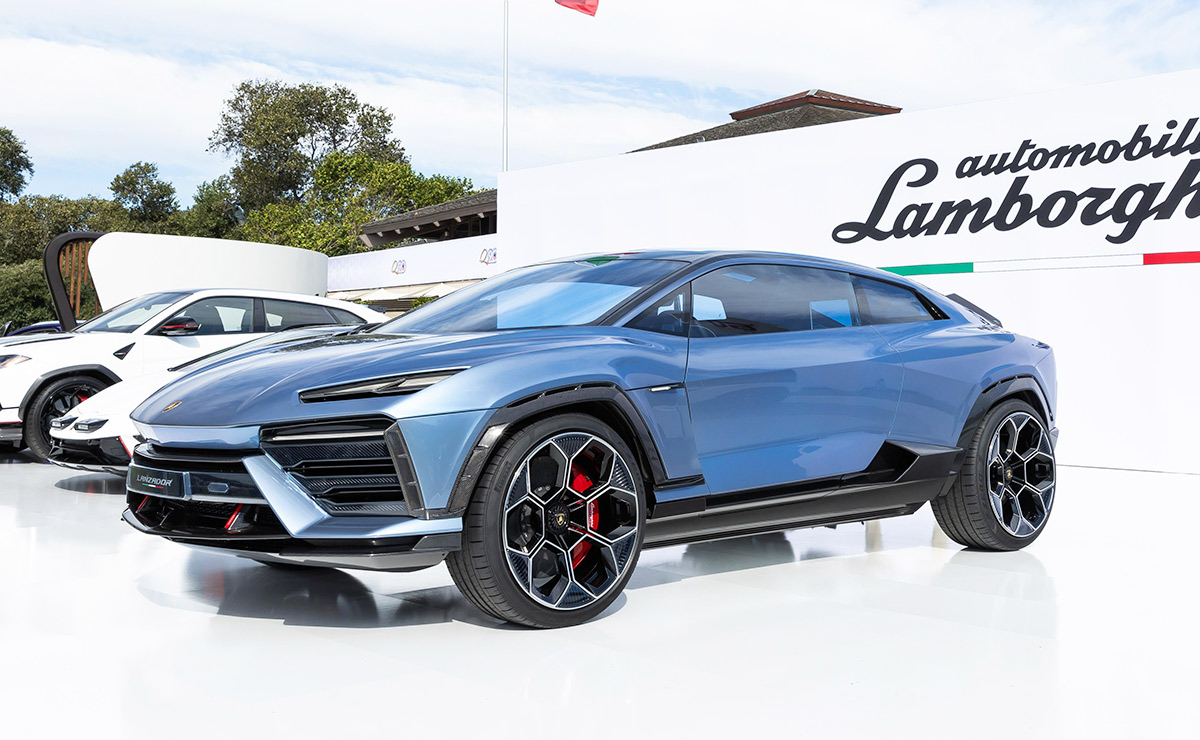
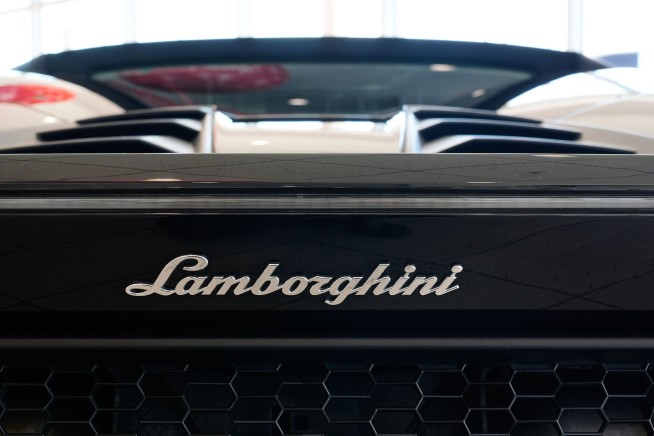
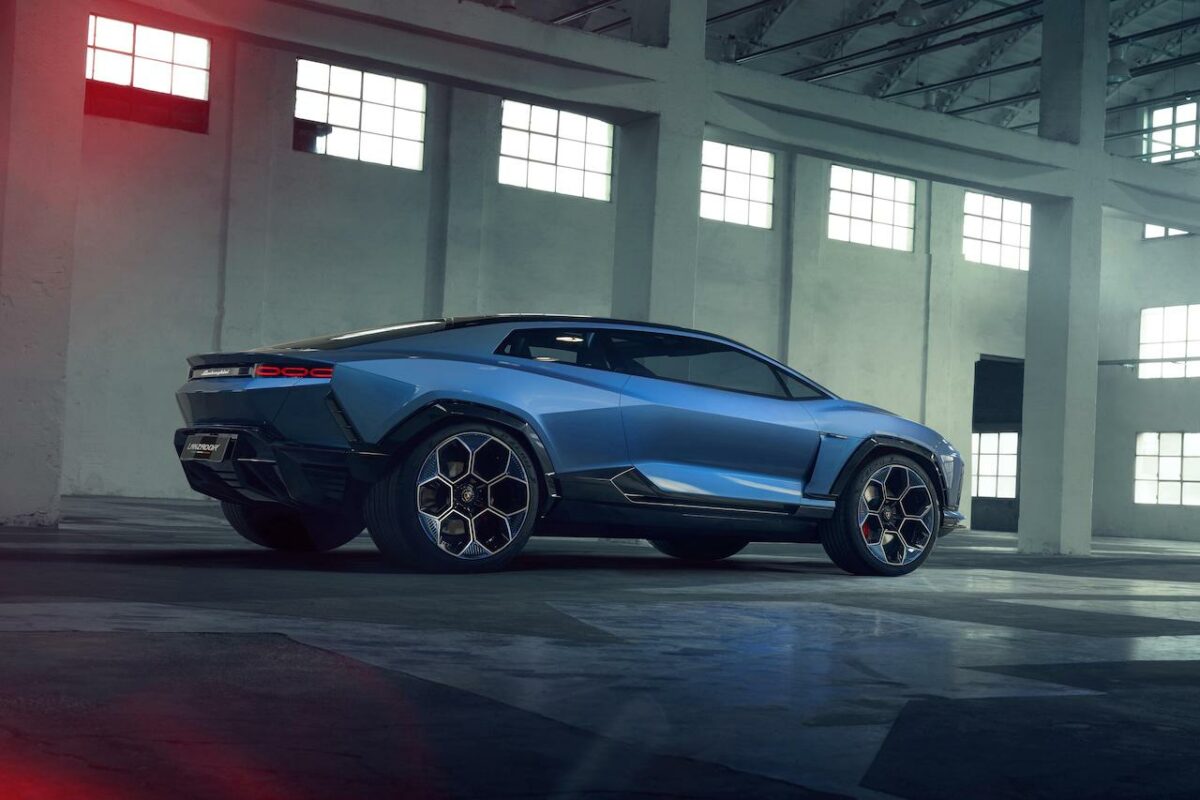
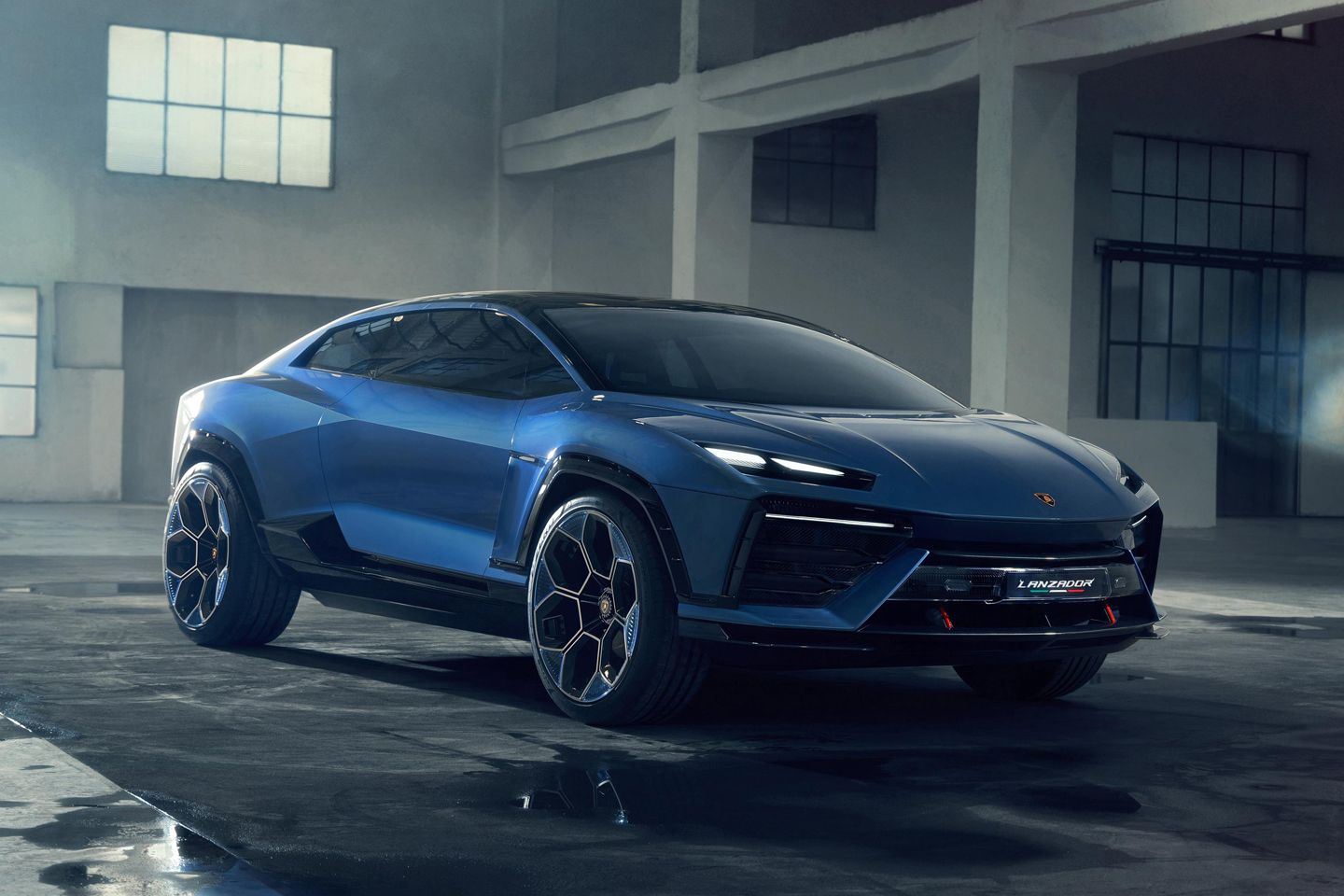
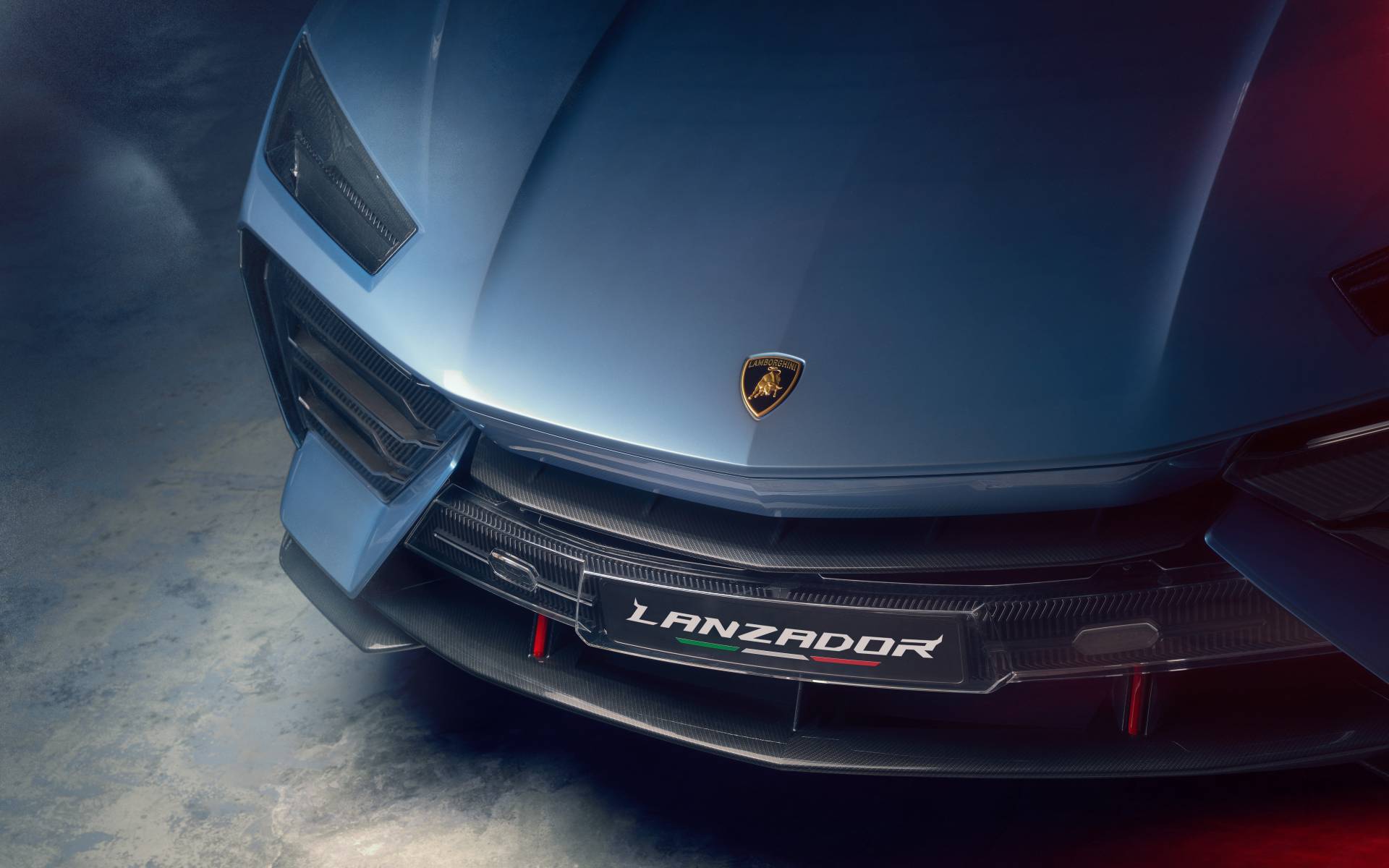
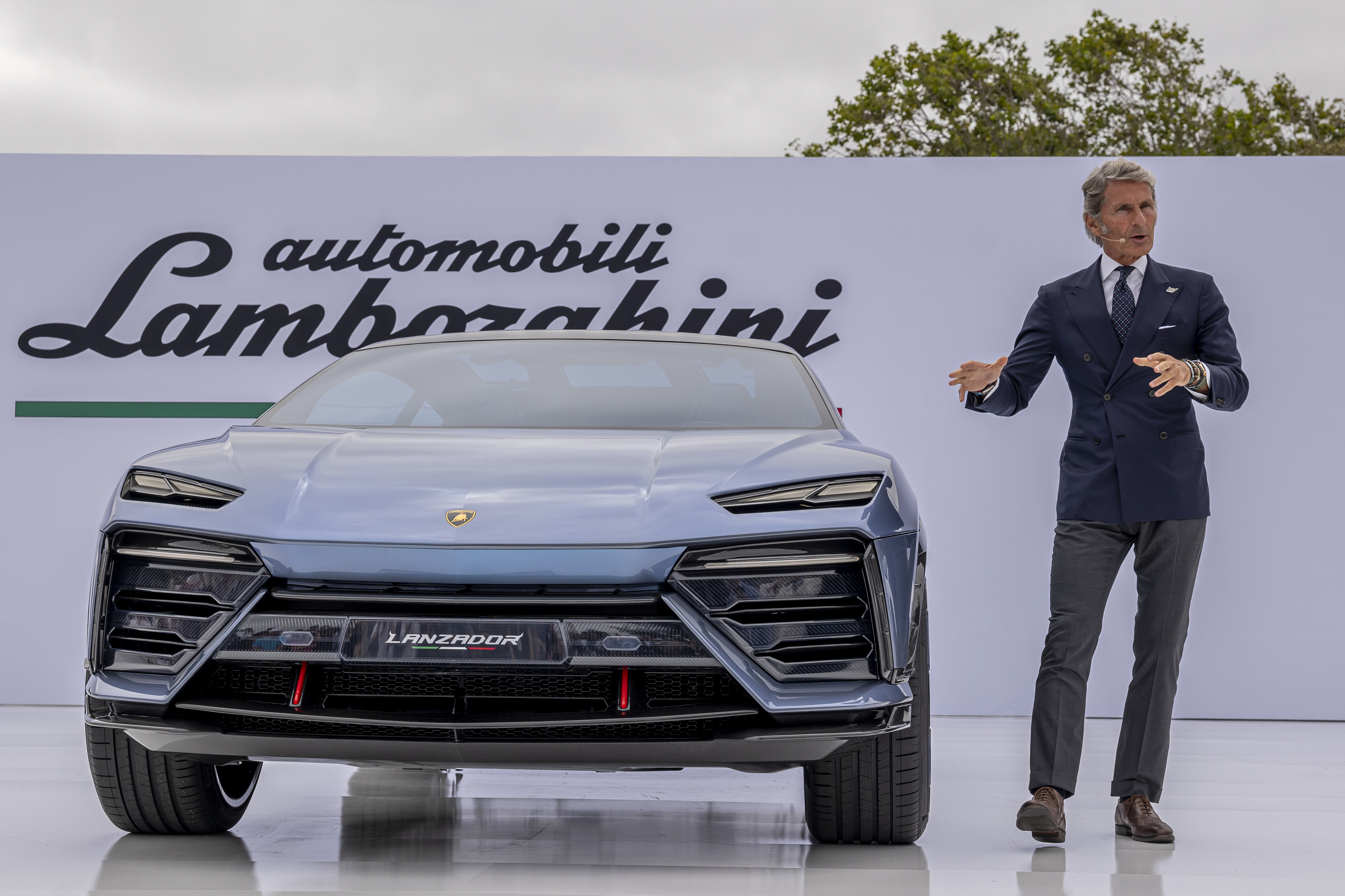
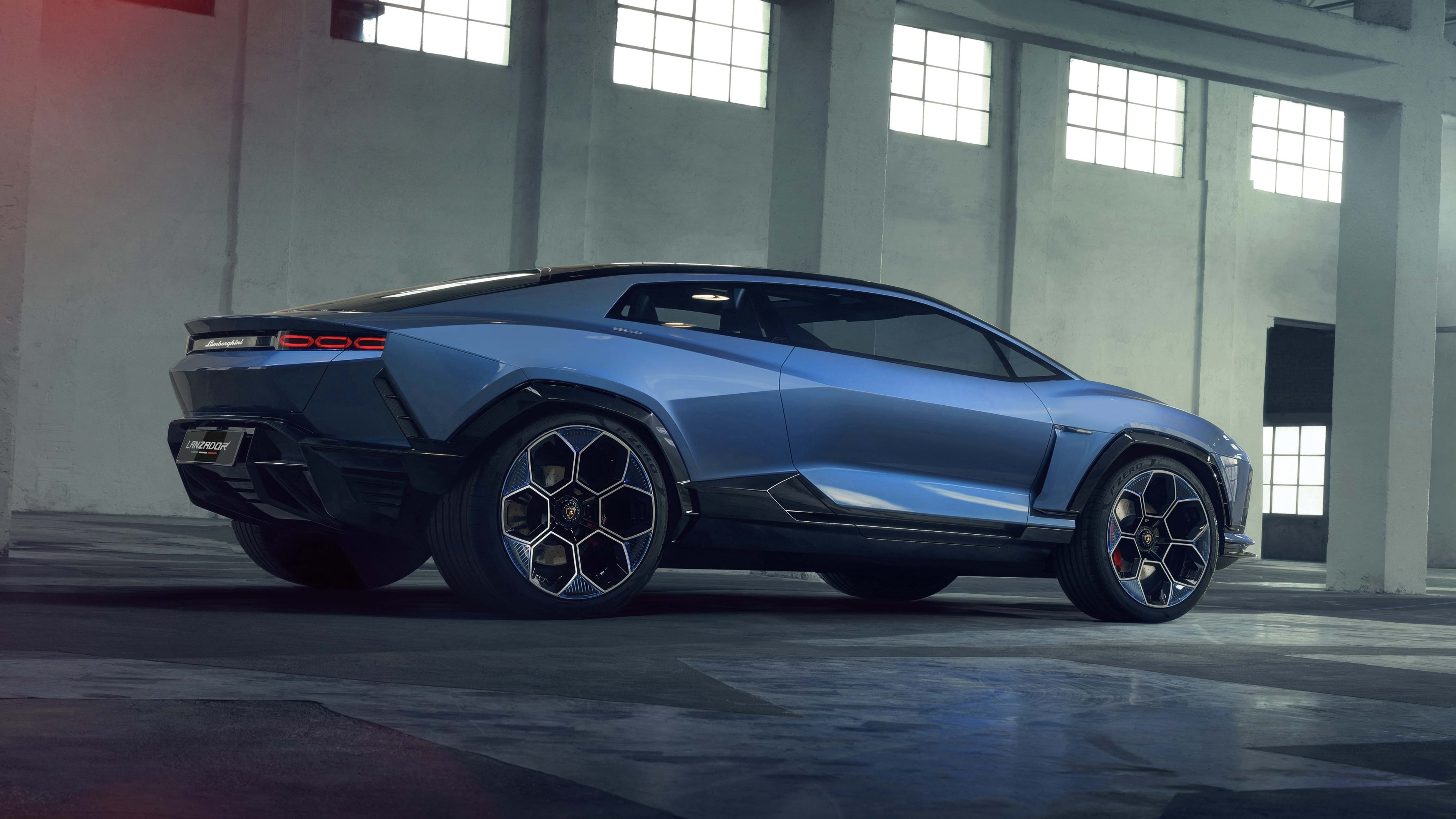
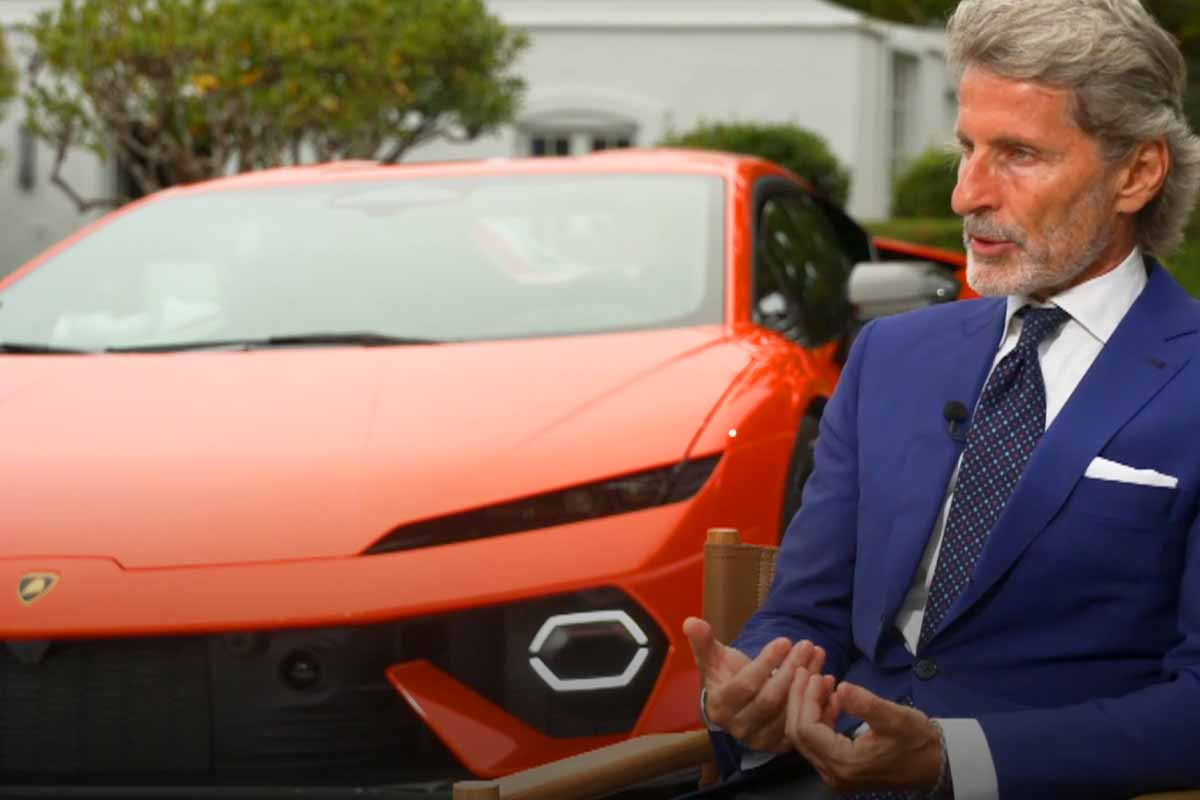
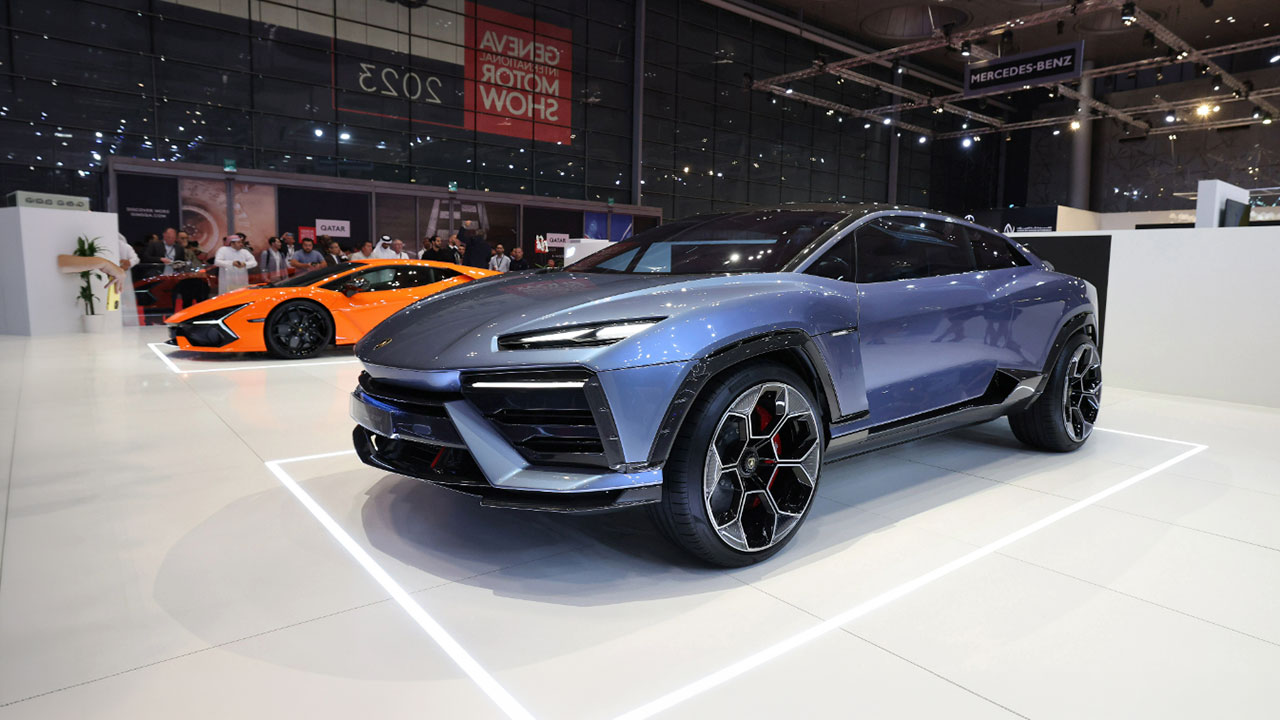
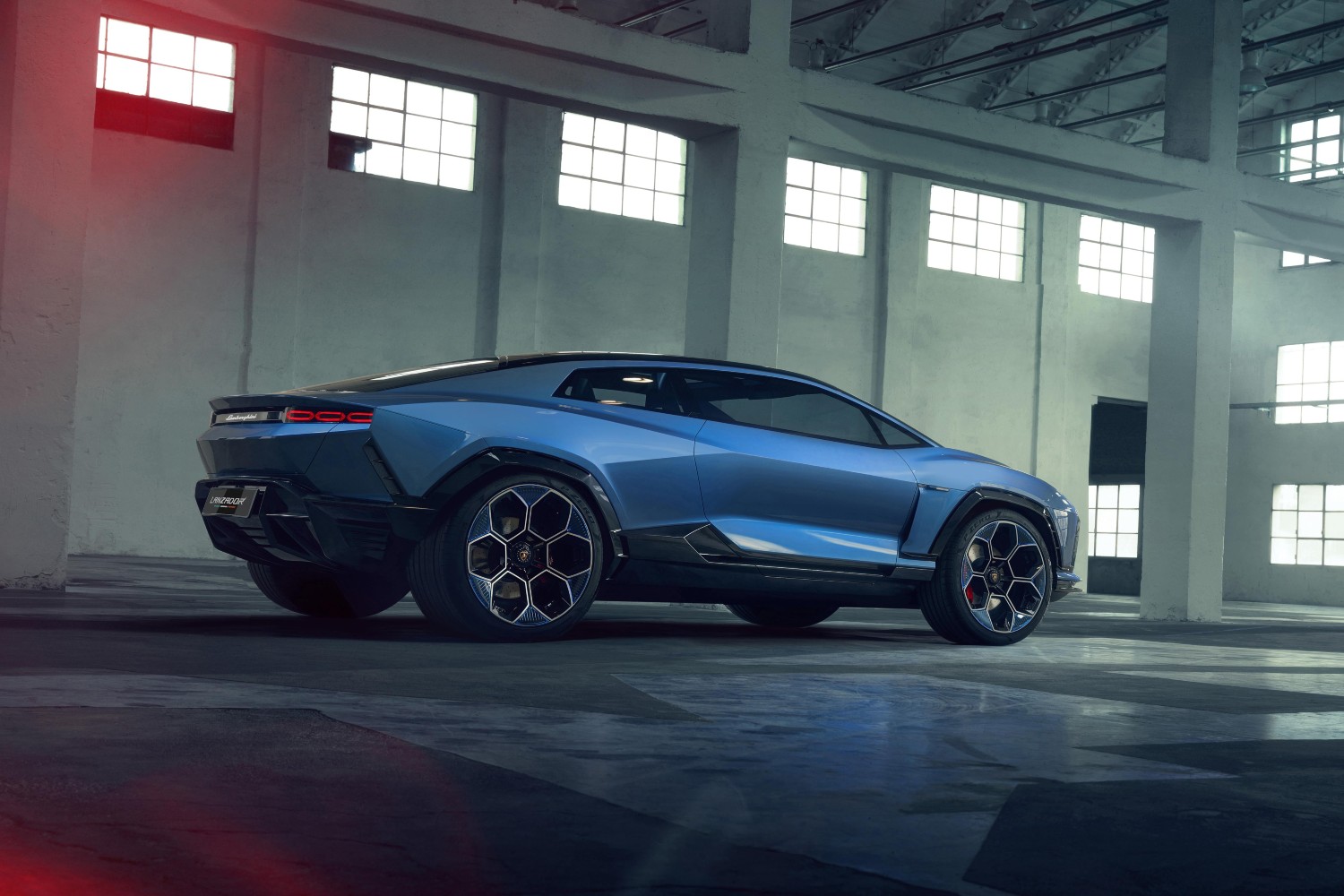
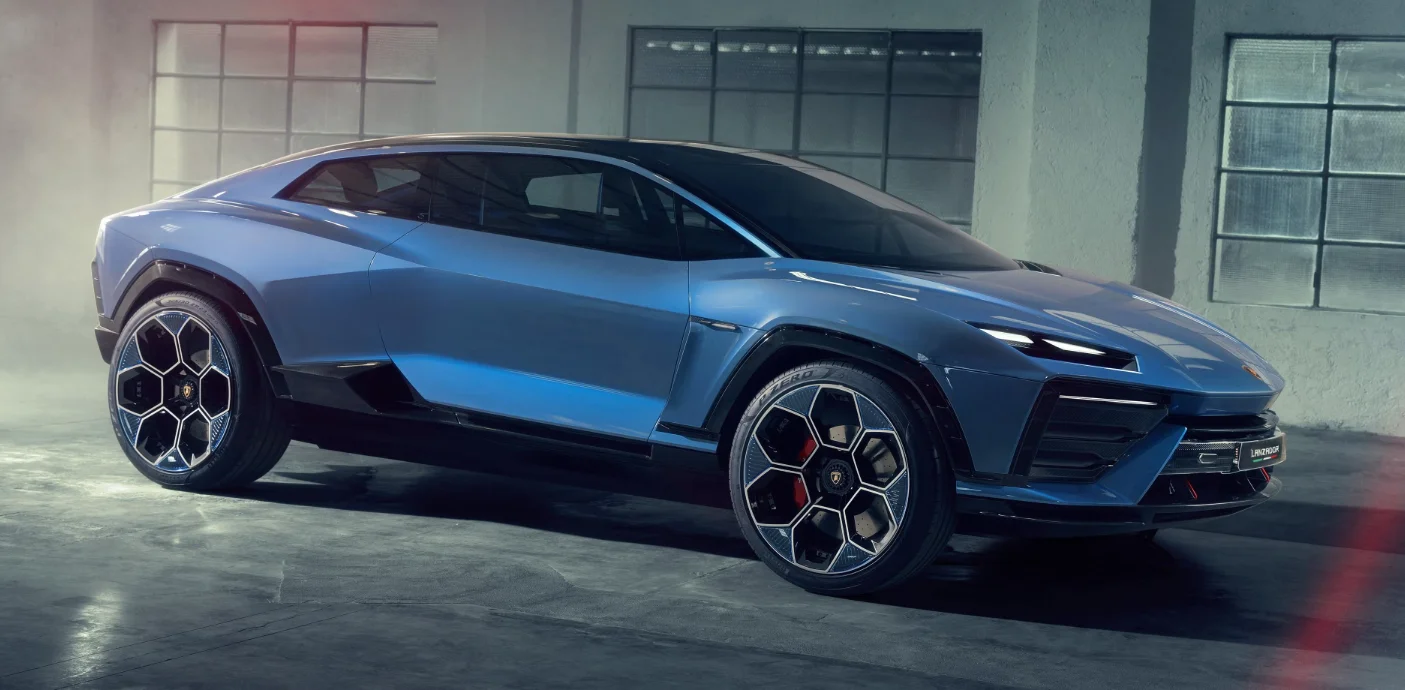
The luxury automotive sector is experiencing a dramatic reversal in electrification strategy, with Lamborghini's cancellation of its Lanzador electric supercar signaling a fundamental market correction affecting cross-border e-commerce sellers across multiple categories. CEO Stephan Winkelmann's candid assessment that EV demand among Lamborghini's $200,000+ clientele is "close to zero" reflects a broader industry pattern: Stellantis ($26.5B charge), General Motors ($7B charge), and Ford ($11.1B loss) have all acknowledged "over optimistic" EV demand assumptions. This represents a $44.6 billion collective write-down indicating systemic miscalculation in the automotive industry's electrification timeline.
The strategic pivot carries direct implications for e-commerce sellers in three distinct market segments. First, sellers specializing in EV-related components (charging infrastructure, battery management systems, electric drivetrain accessories) face reduced demand from premium manufacturers through 2028-2030, as Lamborghini, Bentley (delayed to 2035), Aston Martin (late decade), and Mercedes (abandoned 2030 target) extend traditional powertrain production cycles. Second, sellers of traditional performance parts—high-performance exhaust systems, engine tuning components, suspension upgrades, and combustion engine maintenance products—are positioned for sustained or increased demand as manufacturers prioritize profitability over rapid EV conversion. Third, luxury automotive aftermarket sellers can capitalize on extended lifecycle demand for conventional powertrains, with Lamborghini committing to PHEV technology (first model 2029) rather than full electrification.
The data reveals a critical market segmentation: while global EV registrations rose 20% to 20.7 million units in 2025 (China: 12.9M, Europe: 4.3M), luxury EV models in Europe experienced catastrophic declines—Lucid Air (-49%), Rolls-Royce Spectre (-44%), Mercedes EQS SUV (-43%)—with only BMW i7 showing growth (+14%). This divergence indicates that mass-market EV adoption masks luxury segment weakness. Winkelmann identified three barriers: luxury buyers face no necessity to purchase EVs; high-end EVs experience >50% depreciation within one year; and customers perceive battery technology becoming obsolete within a decade. These psychological and financial factors create a 5-10 year window where traditional powertrains remain dominant in the premium segment, extending the aftermarket lifecycle for performance parts, maintenance products, and combustion engine upgrades through 2030 and beyond.
For cross-border e-commerce sellers, this market correction presents both risks and opportunities. Sellers invested in EV component inventory should reassess demand forecasts and consider portfolio rebalancing toward hybrid-compatible parts and traditional performance solutions. Conversely, sellers specializing in performance exhaust systems, engine management software, turbocharging components, and premium maintenance products should anticipate sustained demand from both OEM supply chains and aftermarket consumers maintaining extended-lifecycle vehicles. The regulatory environment also matters: China's 2027 ban on yoke-style steering wheels signals that even EV innovation must comply with safety standards, affecting sellers of futuristic automotive accessories targeting Chinese markets.
問題 8
How does Lamborghini's EV cancellation affect cross-border sellers of automotive parts?
The cancellation creates divergent opportunities for e-commerce sellers. Sellers of EV-related components (charging infrastructure, battery systems, electric drivetrain accessories) face reduced demand from premium manufacturers through 2028-2030 as electrification timelines extend. Conversely, sellers specializing in traditional performance parts—exhaust systems, engine tuning, suspension upgrades, combustion maintenance products—should anticipate sustained or increased demand as manufacturers extend conventional powertrain lifecycles. Luxury automotive aftermarket sellers can capitalize on 5-10 year demand extension for performance parts, with Lamborghini committing to PHEV technology maintaining traditional engine components alongside electric systems.
What do luxury EV sales declines in Europe reveal about market segmentation?
While global EV registrations rose 20% to 20.7 million units in 2025, luxury EV models in Europe experienced severe declines: Lucid Air (-49%), Rolls-Royce Spectre (-44%), Mercedes EQS SUV (-43%), with only BMW i7 showing growth (+14%). This divergence indicates mass-market EV adoption masks luxury segment weakness. Winkelmann identified three barriers: luxury buyers face no necessity to purchase EVs; high-end EVs depreciate >50% within one year; customers perceive battery technology becoming obsolete within a decade. These factors create distinct market segments where mass-market EV demand remains strong while premium segment buyers prefer traditional powertrains, affecting seller inventory strategies across categories.