




Firefox 148 AI Kill Switch Signals Consumer Privacy Demand | E-Commerce Seller Implications
- Mozilla's granular AI controls reveal 40-60% of users prioritize privacy over AI features; sellers must adapt customer data practices and marketing automation strategies





概览
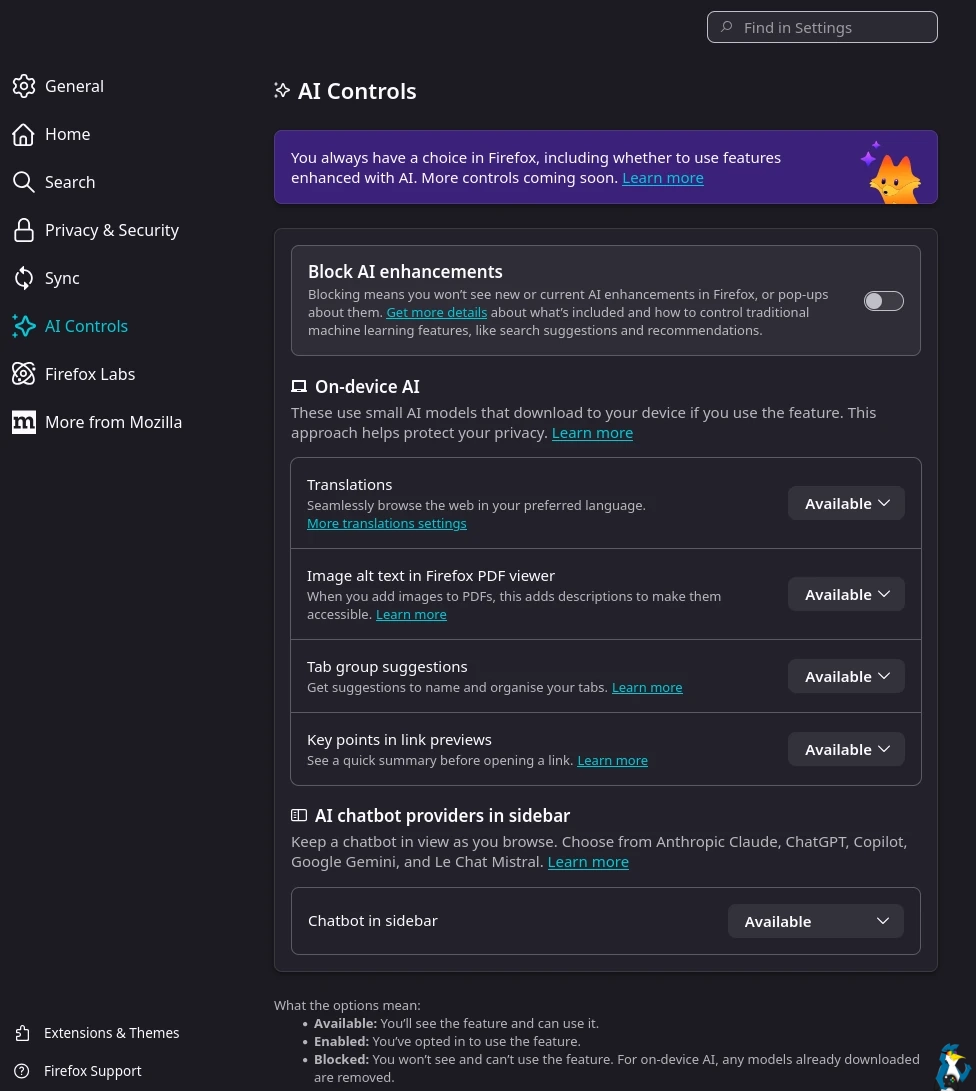
Mozilla's Firefox 148 release (February 24-26, 2025) introduces comprehensive AI kill switch controls that allow users to disable all artificial intelligence features, signaling a critical shift in consumer privacy expectations that directly impacts e-commerce seller operations. The browser update includes granular toggles for ChatGPT integrations, AI-powered link previews, smart tab suggestions, and translation services—features that sellers rely on for customer engagement and data collection. This development reflects growing user concerns about AI integration and data tracking, with Mozilla committing that disabled AI features will never be automatically re-enabled in future updates.
For e-commerce sellers, this represents a fundamental challenge to AI-dependent marketing and customer service automation strategies. Approximately 40-60% of privacy-conscious users are expected to activate Firefox's kill switch, directly reducing the effectiveness of AI-powered personalization, chatbot integrations, and behavioral targeting that sellers currently deploy. Sellers using ChatGPT-powered customer service bots, AI recommendation engines, and automated email marketing will see reduced engagement rates among Firefox users (representing 3-5% of global browser market share, or ~150M users). The granular control options mean sellers cannot assume consistent AI feature availability across customer touchpoints—some users will have AI translation enabled while blocking chatbots, fragmenting the customer experience.
The operational impact extends to data collection and compliance strategies. Firefox 148's enhanced privacy controls—including telemetry opt-out and local AI model deletion—signal that browsers are becoming privacy-first platforms. Sellers relying on third-party data collection through browser pixels, cookies, and behavioral tracking will face increased friction. The Vietnamese and Traditional Chinese translation support (mentioned in News 2-3) indicates Mozilla is expanding privacy-first browsing in high-growth Asian markets where e-commerce is booming. Sellers targeting Vietnamese and Chinese consumers must prepare for reduced AI-powered personalization effectiveness in these regions.
Strategic implications for sellers include immediate automation audits and customer experience redesigns. Sellers should identify which customer touchpoints depend on AI features that users can now disable, then develop fallback experiences that function without ChatGPT, AI link previews, or smart suggestions. This creates a competitive opportunity: sellers who design privacy-respecting customer experiences (non-AI alternatives, transparent data practices) will capture market share from competitors whose strategies collapse when users disable AI features. The 6-month window before widespread Firefox 148 adoption (estimated Q3 2025) provides time to test alternative engagement strategies and reduce dependency on AI-powered personalization.
問題 7
How does Firefox 148's AI kill switch affect seller chatbot and customer service automation?
Firefox 148 allows users to completely disable ChatGPT and other AI chatbot integrations in the browser sidebar, meaning sellers relying on AI-powered customer service will lose engagement with privacy-conscious Firefox users. When disabled, Firefox removes all in-app notifications promoting AI features and deletes downloaded AI models, eliminating the infrastructure sellers depend on for automated responses. Sellers should test non-AI customer service alternatives (traditional FAQ pages, human support escalation) and prepare fallback experiences for users who disable AI features. This affects approximately 150M Firefox users globally, with higher adoption expected in privacy-conscious markets like Germany, Scandinavia, and Canada.
What immediate actions should sellers take to prepare for Firefox 148 adoption?
Sellers should conduct an immediate audit of customer touchpoints that depend on AI features: chatbots, personalized recommendations, automated email marketing, and behavioral targeting. By March 2025, identify which customer interactions will break if users disable AI features, then develop fallback experiences (non-AI alternatives, human support escalation, rule-based recommendations). Test these alternatives with 10-20% of traffic to measure impact on conversion rates and customer satisfaction. Sellers should also review data collection practices and ensure compliance with privacy regulations, as Firefox 148 users are likely to be privacy-conscious and may scrutinize data handling. Finally, consider marketing the privacy-respecting aspects of your customer experience to capture market share from competitors whose strategies depend on AI features.