



Ukraine Crisis 4-Year Impact | Cross-Border Sellers Face Supply Chain Disruption & Market Collapse
- Affects 3-5M people in occupied regions; disrupts Eastern European logistics, payment systems, and sourcing for 50K+ cross-border sellers










/https%3A%2F%2Fengelsbergideas.com%2Fwp-content%2Fuploads%2F2026%2F02%2FUkraine-ruins.jpg)

概览
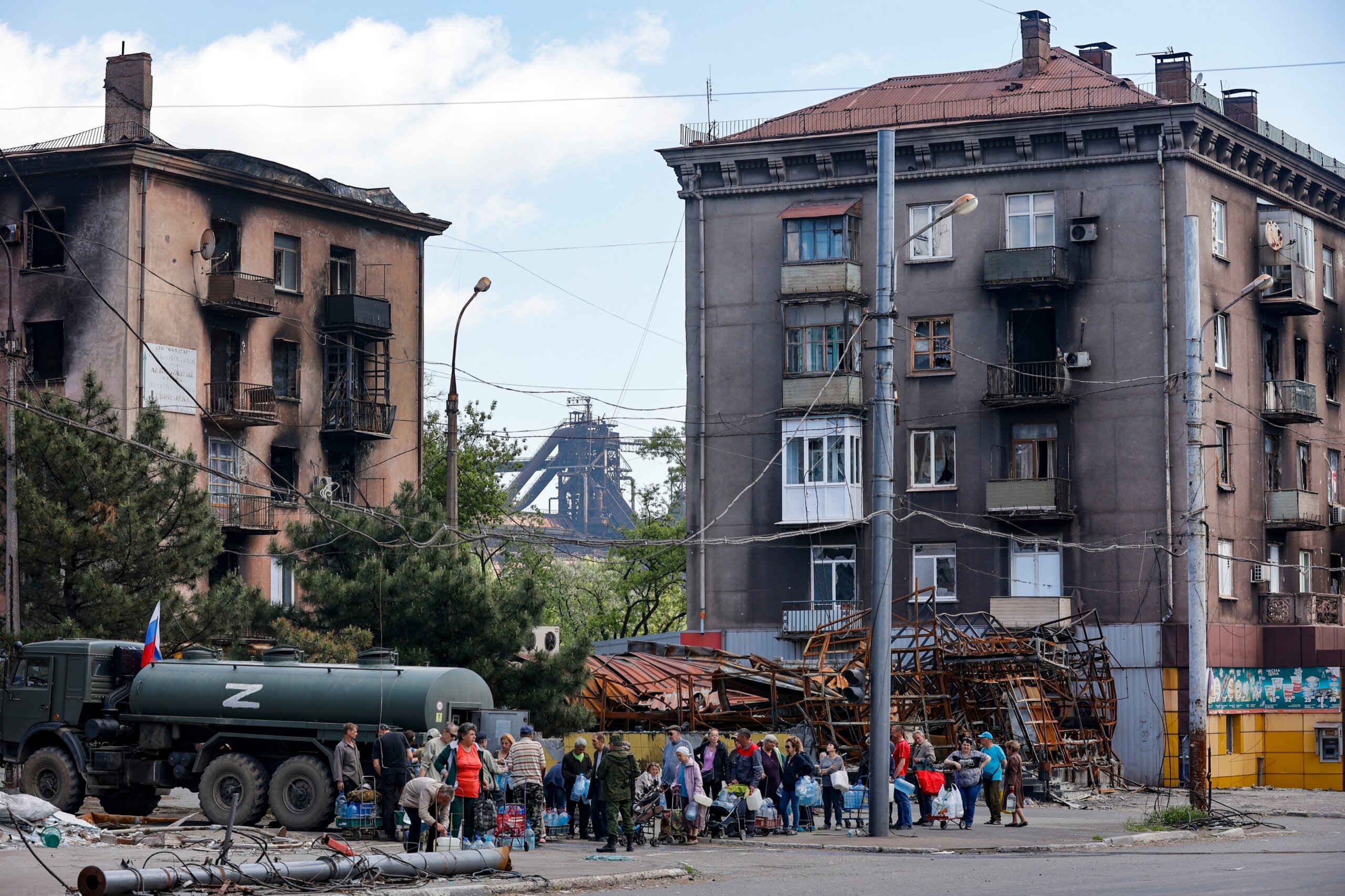
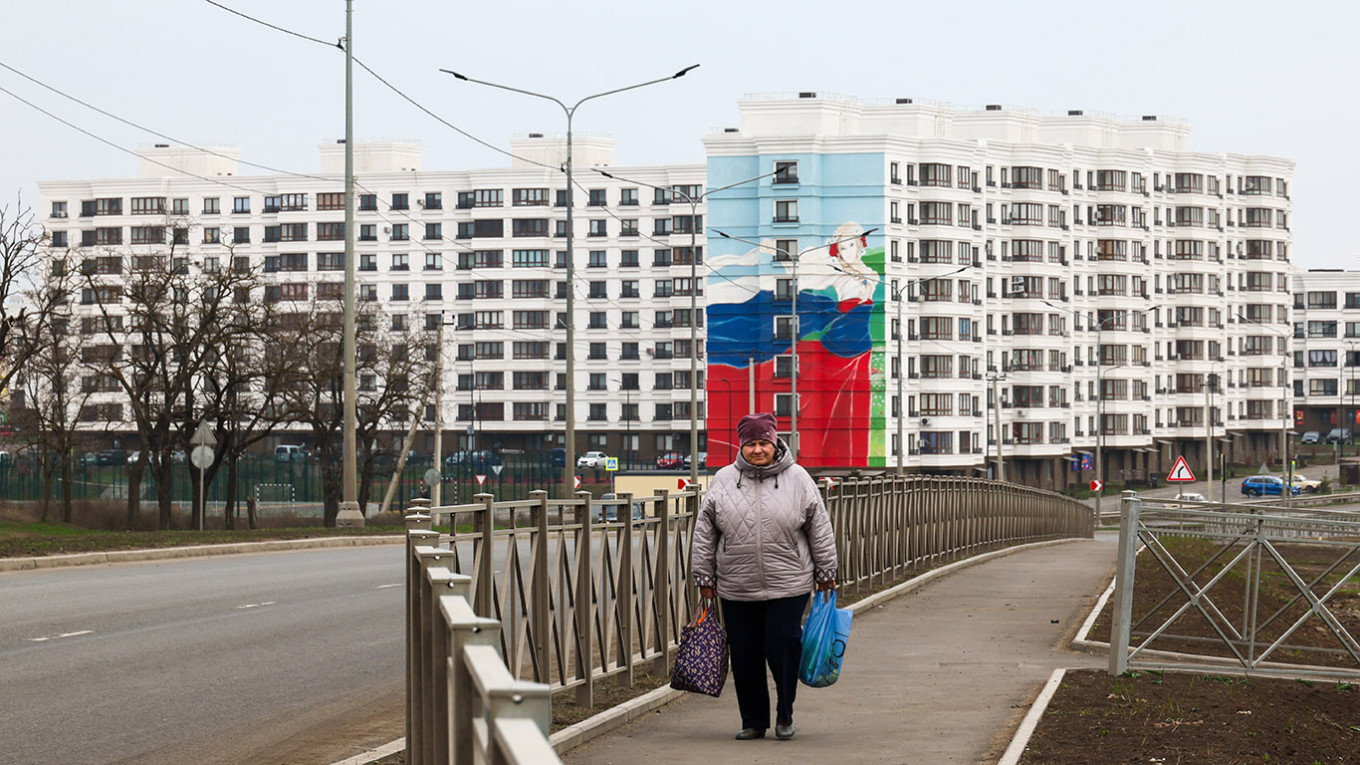
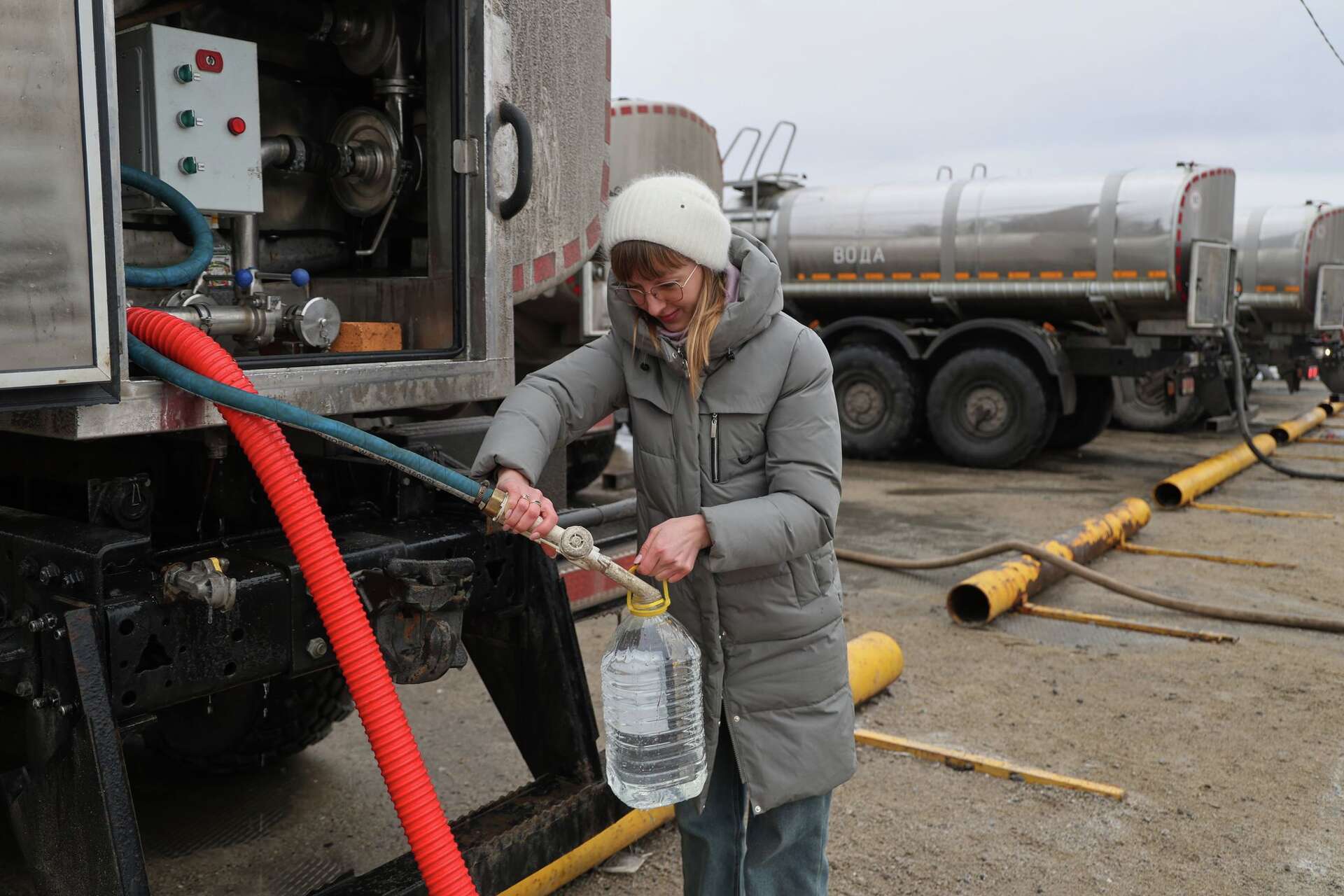
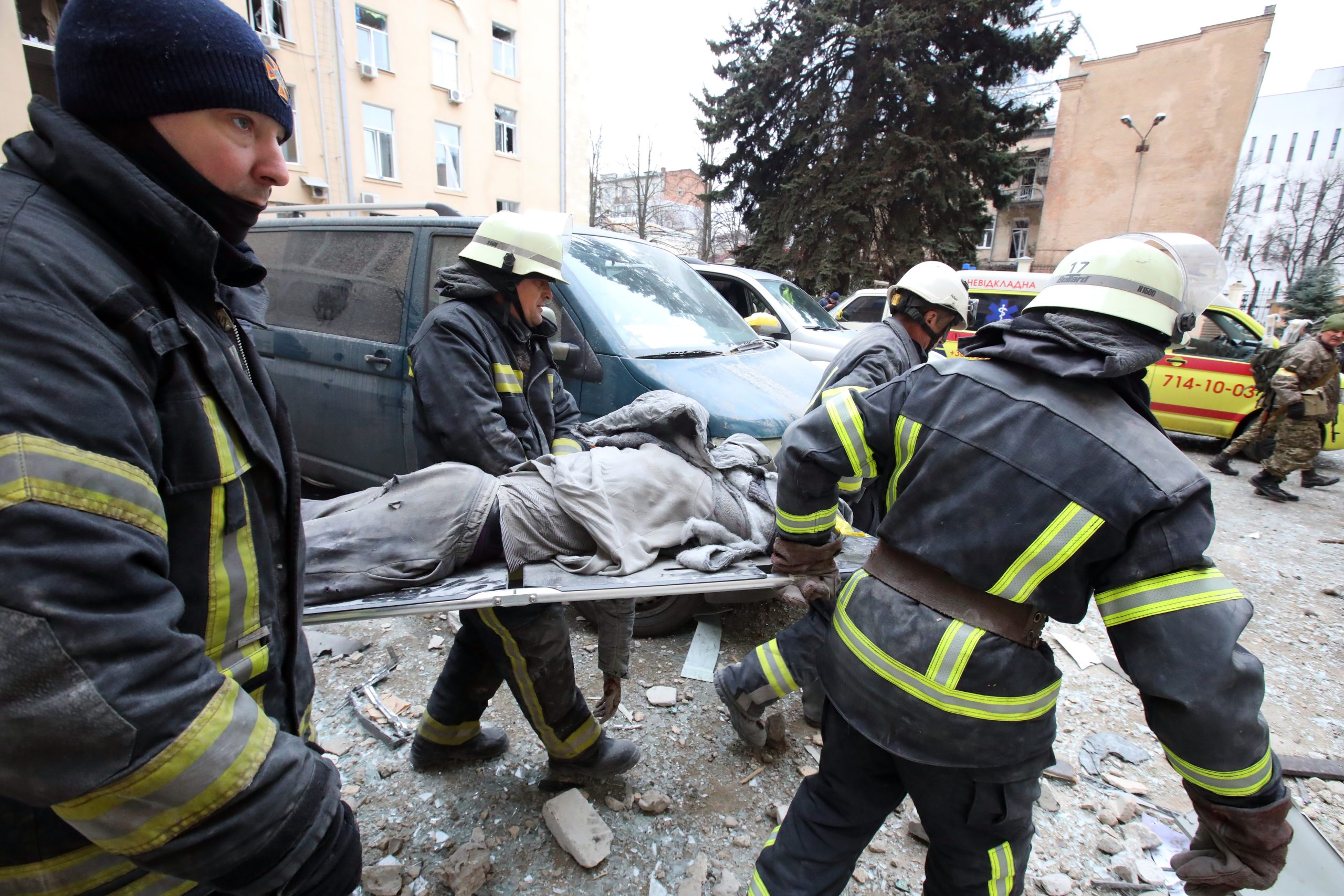
The Ukraine conflict's fourth anniversary (February 2026) reveals a humanitarian catastrophe with profound implications for cross-border e-commerce sellers. Four years into Russia's full-scale invasion, the crisis has created a fragmented market landscape affecting supply chains, payment processing, and logistics corridors across Eastern Europe. Gary Fear's 13 humanitarian missions document deteriorating conditions: temperatures dropping to -21°C, widespread power outages, and 7,500+ families dependent on emergency aid. Official casualty figures exceed 55,000 Ukrainian soldiers killed, with BBC estimates placing Russian military deaths between 243,000-352,000. The economic devastation extends beyond combat zones—occupied Eastern Ukraine (Donetsk, Kherson, Luhansk, Zaporizhzhia) housing 3-5 million people faces systemic degradation with infrastructure collapse, wage arrears reaching $535,000+ in unpaid compensation, and elimination of independent private business.
For cross-border e-commerce sellers, this represents a critical supply chain vulnerability. Ukraine's historical role in agricultural exports, raw materials, and manufacturing has been severely disrupted. Sellers sourcing from Eastern European suppliers face increased operational risks including: payment gateway failures in conflict zones, currency volatility (Ukrainian hryvnia instability), logistics routing complications through damaged infrastructure, and potential sanctions-related compliance issues. The destruction of major industrial facilities—including the Azovstal steel plant that employed 11,000 workers—eliminates sourcing options for sellers relying on Ukrainian metalworking, agricultural products, and raw materials. Port operations in Berdiansk and other Black Sea logistics hubs remain compromised, creating 3-6 week shipping delays for sellers exporting through these corridors.
Consumer behavior shifts in affected regions create both risks and niche opportunities. Psychological exhaustion documented across Ukrainian society—with 2,514 civilian deaths and 12,142 injuries in 2025 alone—has shifted purchasing patterns toward survival essentials (generators, power banks, heating equipment, emergency food supplies). Sellers offering emergency preparedness products, portable power solutions, and cold-weather survival gear can target Ukrainian diaspora communities and European buyers preparing for energy crises. However, the occupied territories' economic collapse (78 billion rubles in Russian subsidies required for Donetsk alone) eliminates consumer purchasing power in 20% of Ukrainian territory. Sellers must reassess market viability in these regions and redirect inventory to unoccupied areas or neighboring countries with stronger purchasing capacity.
問題 7
What is the consumer purchasing power situation in occupied Ukrainian territories?
Occupied regions (3-5 million people) face systemic economic degradation with eliminated independent private business, wage arrears, and degraded infrastructure. Russia's 2023 free economic zones initiative failed to offset massive subsidies (78 billion rubles for Donetsk alone in 2026 budget). Consumer purchasing power has collapsed—employment concentrated in low-paid government-sector roles with below-average income levels. Sellers should redirect inventory away from occupied territories and focus on unoccupied Ukraine and neighboring countries with stronger purchasing capacity. Market viability in occupied regions is minimal until political resolution occurs.
How should sellers assess geopolitical risk in their supply chain strategy?
Implement a three-tier risk assessment: (1) Supplier location mapping—identify all suppliers in Ukraine, Russia, and occupied territories; (2) Logistics routing analysis—evaluate alternative shipping corridors avoiding Black Sea ports; (3) Payment system redundancy—establish backup payment processors in neutral countries. The Ukraine crisis demonstrates that 20% of territory can become economically inaccessible within months. Sellers should maintain 60-90 day inventory buffers for critical components and diversify suppliers across at least 3 geographic regions. Monitor OFAC updates weekly and conduct quarterly compliance audits.