



High-Stakes NFL Showdown: How One Game Could Reshape Organizational Destiny
- Pivotal AFC North Championship Reveals Deep Strategic Transformation in Professional Sports Management























概览
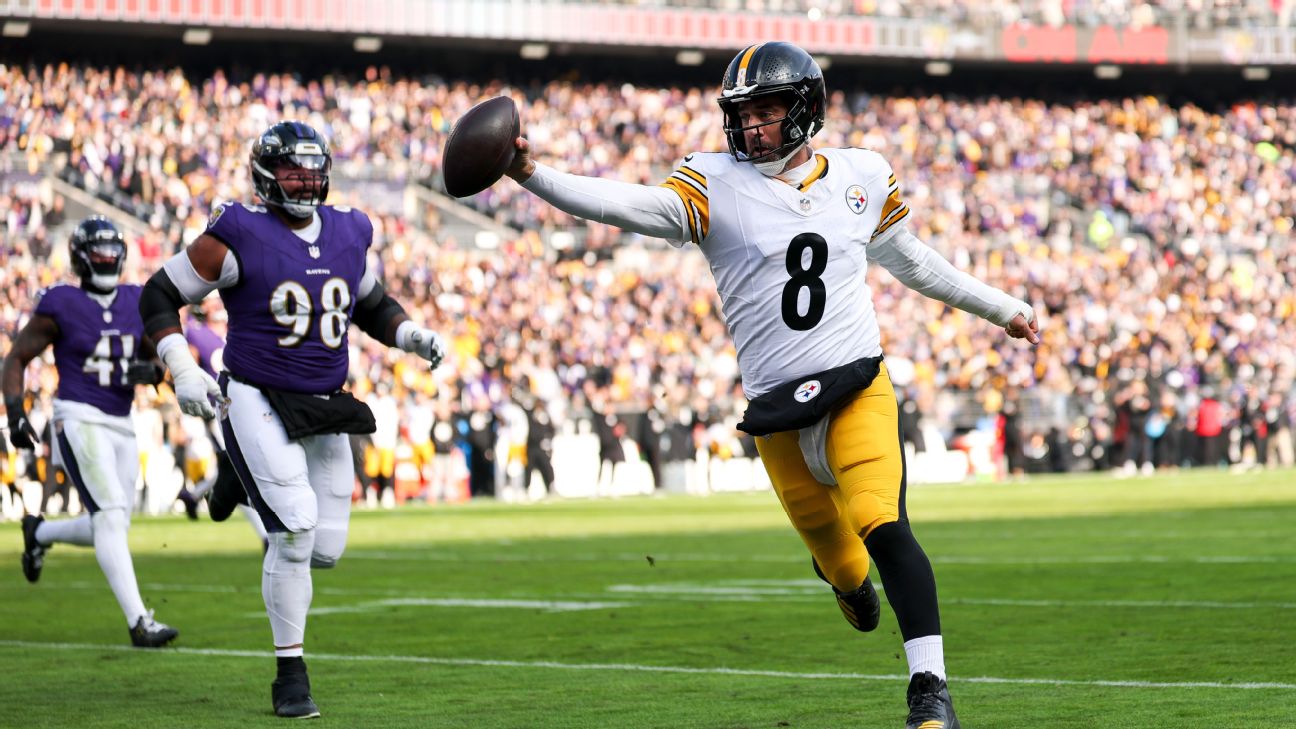
In the crucible of professional sports, a single game can become a watershed moment that transcends athletic competition. The upcoming Week 18 matchup between the Pittsburgh Steelers and Baltimore Ravens represents precisely such a transformative event, where organizational strategy, leadership dynamics, and long-term institutional positioning converge in 60 minutes of high-stakes football.
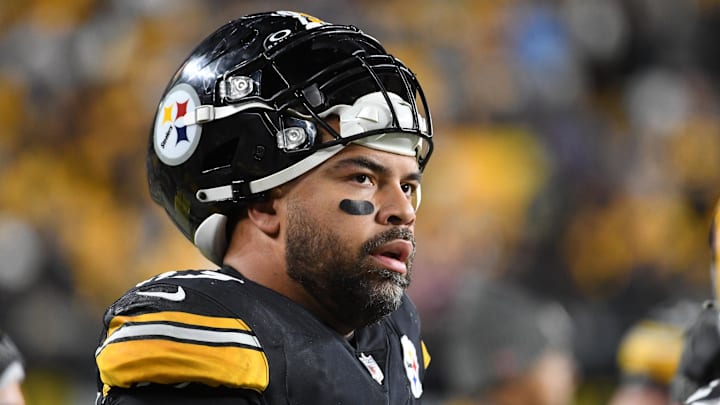
The game's significance extends far beyond a typical divisional contest. With the AFC North championship hanging in the balance, this matchup represents a potential inflection point for the Steelers' organizational trajectory. Head Coach Mike Tomlin, who has been the bedrock of the franchise for nearly two decades, finds himself at a critical juncture where the game's outcome could dramatically reshape the team's leadership and strategic direction.
Multiple strategic dimensions intersect in this contest. The Ravens enter as 3.5-point favorites, with betting markets suggesting a slight edge. However, the real story lies in the potential organizational implications. A loss could trigger comprehensive restructuring, including potential leadership transitions, roster reconfigurations, and strategic realignments. The Steelers' 20-5 record in season finales since 2000 underscores the team's historical resilience, but this game represents an unprecedented moment of potential transformation.
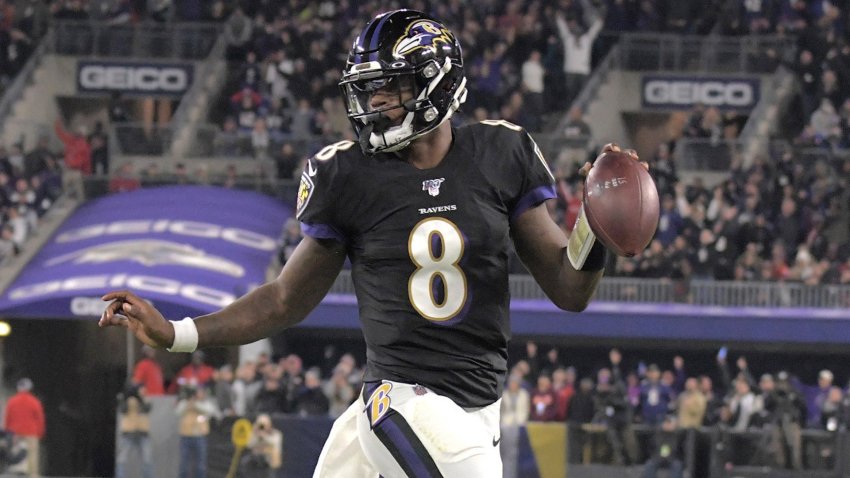
Key strategic variables add complexity to the narrative. The potential return of defensive star T.J. Watt, recovering from a partially collapsed lung, could significantly alter defensive capabilities. Similarly, the quarterback uncertainty surrounding Lamar Jackson's injury status introduces another layer of strategic unpredictability. These individual player dynamics symbolize the broader organizational adaptability required in high-stakes professional sports environments.
For stakeholders and observers, this game transcends a mere athletic competition. It represents a microcosm of strategic decision-making, where institutional memory, current performance, and future potential converge in a single, decisive moment. The outcome will not just determine a divisional champion, but potentially reset the entire organizational narrative for years to come.
問題 3
What are the broader implications of this game beyond winning the AFC North?
This game symbolizes a critical moment of organizational assessment, where institutional performance, leadership potential, and strategic adaptability are simultaneously evaluated. The outcome could reset the Steelers' strategic narrative and potentially trigger significant long-term organizational changes.
How might player dynamics impact the game's outcome?
Key player uncertainties like T.J. Watt's potential return from injury and Lamar Jackson's quarterback status create strategic complexity. These individual factors could dramatically influence defensive capabilities and overall team performance in this high-stakes matchup.