



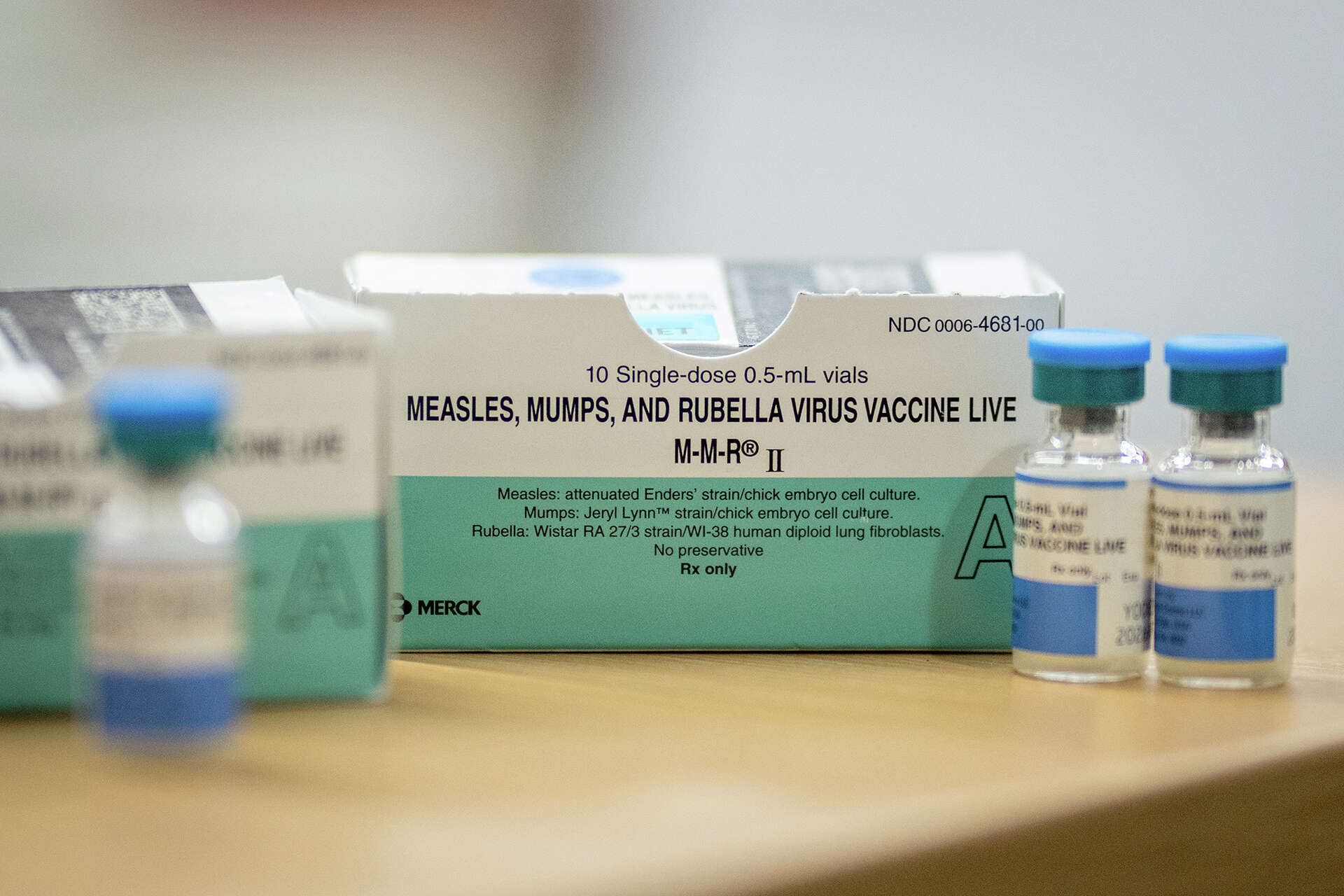


Public Health Disruption: Measles Outbreak Exposes Critical E-Commerce Risk Management Gaps
- Emerging health risks create urgent operational challenges for cross-border sellers and retail platforms




概览
The recent measles outbreak in Contra Costa County reveals a critical vulnerability in modern e-commerce and retail operations: the profound impact of unexpected public health events. With 2,012 confirmed measles cases across the United States and 24 in California, this incident transcends a simple medical alert and signals a fundamental challenge for businesses navigating increasingly complex regional risk landscapes.
Cross-border e-commerce sellers face multifaceted risks that extend far beyond traditional supply chain considerations. The measles case in Walnut Creek and Lafayette demonstrates how a single infectious individual can potentially disrupt multiple retail environments, including high-traffic locations like Anthropologie, Apple Store, Macy's, and even medical facilities. This exposure highlights the urgent need for adaptive health monitoring protocols and flexible operational strategies.
The strategic implications are profound. Businesses must now view public health not as an external factor, but as a core operational risk requiring real-time monitoring and rapid response mechanisms. The measles transmission pattern reveals critical vulnerabilities: the virus can linger in air and surfaces for over an hour, creating potential exposure windows that traditional risk management frameworks fail to address.
For international sellers, this incident underscores the necessity of developing comprehensive regional risk assessment capabilities. The ability to quickly interpret local health advisories, understand transmission risks, and implement immediate mitigation strategies has become a competitive differentiator. Sellers can no longer rely on reactive approaches; proactive health risk management must become an integral part of logistics and customer interaction strategies.
The broader context is even more concerning. Declining vaccination rates in regions like West Texas and South Carolina suggest these disruptions are not isolated incidents but emerging systemic challenges. E-commerce platforms and cross-border sellers must invest in sophisticated health monitoring infrastructure, potentially including real-time regional health data integration, enhanced sanitization protocols, and flexible contingency planning.
問題 3
How can e-commerce sellers protect their operations during potential health outbreaks?
Sellers should develop comprehensive health monitoring protocols, including real-time regional health data tracking, flexible logistics contingency plans, and enhanced sanitization procedures. Implementing adaptive communication strategies and maintaining flexible supply chain alternatives are critical risk mitigation approaches.
What are the key operational risks for cross-border sellers during public health events?
Key risks include potential supply chain disruptions, travel restrictions, localized market changes, and the need for rapid operational pivots. Sellers must be prepared to quickly adjust logistics, communication channels, and customer interaction strategies based on emerging regional health developments.