




Narrative Disruption Meets Cultural Representation in Streaming's High-Stakes Finale
- Exploring the Delicate Balance Between Storytelling and Authentic Representation in Modern Television










)











概览
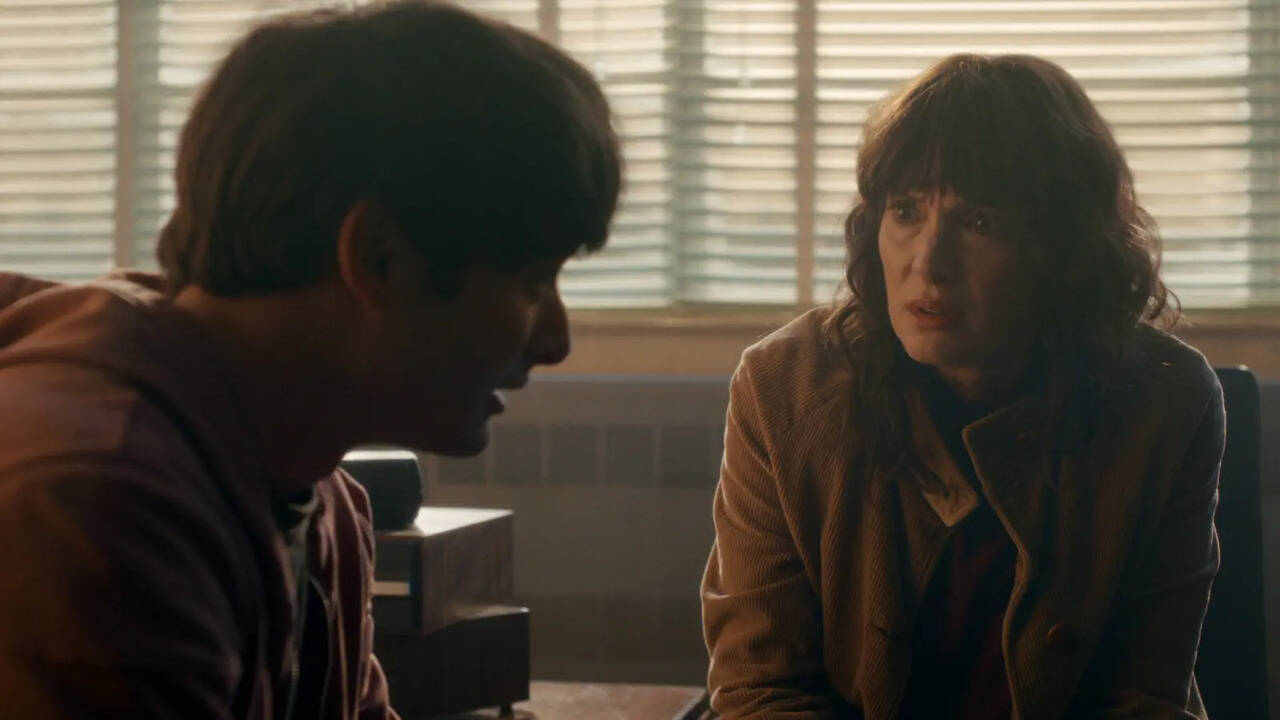
The final season of Stranger Things has become a pivotal case study in the complex dynamics of narrative representation, audience expectations, and cultural storytelling. With the show's Rotten Tomatoes score plummeting to a series-low 57%, the Will Byers coming out scene has emerged as a critical flashpoint that reveals deeper tensions in contemporary media consumption.
Audience Fragmentation and Narrative Expectations are at the heart of this controversy. The Duffer brothers' deliberate approach to Will's character arc demonstrates a nuanced attempt to address LGBTQ+ representation within a historically challenging period (the 1980s). However, the backlash reveals a critical challenge: audiences are increasingly demanding both authentic representation and seamless narrative integration. The 57% Rotten Tomatoes score isn't just a rating—it's a complex signal of audience expectations colliding with creative intentions.
The controversy highlights a broader media representation dilemma. Fans have demonstrated a sophisticated response, distinguishing between the character's sexuality and the scene's narrative execution. This nuanced reaction suggests that modern audiences are seeking more than simple representation—they want meaningful, contextually appropriate storytelling that doesn't feel performative or disruptive to the overall narrative arc.
The Duffer brothers' commitment to Will's storyline, despite the backlash, signals a critical stance in contemporary storytelling. By teasing the character's pivotal role in the series finale, they're essentially challenging audience expectations and asserting the importance of character development over momentary narrative tension. This approach reflects a broader trend in media: prioritizing character depth and authentic representation over traditional plot-driven storytelling.
Ultimately, the Stranger Things finale represents more than just a television conclusion—it's a microcosm of the ongoing dialogue about representation, narrative integrity, and the evolving expectations of diverse audiences in the streaming era.
問題 3
Why did the Will Byers coming out scene generate such significant controversy?
The scene sparked debate due to its perceived narrative timing and execution. While some praised its historical context of 1980s LGBTQ+ experiences, others felt it disrupted the show's climactic tension, revealing the complex challenge of integrating meaningful representation without compromising storytelling momentum.
How are streaming platforms navigating representation in storytelling?
Streaming platforms are increasingly attempting to balance authentic representation with narrative integrity. The 'Stranger Things' example demonstrates the delicate challenge of introducing character development that feels both meaningful and organically integrated, without appearing performative or disruptive to the overall story arc.