
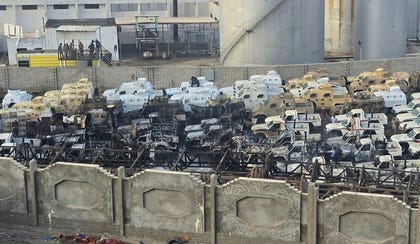


Gulf Powers Fracture Yemen's Geopolitical Landscape
- Strategic Realignment Exposes Critical Regional Instability for Investors and Policymakers







概览
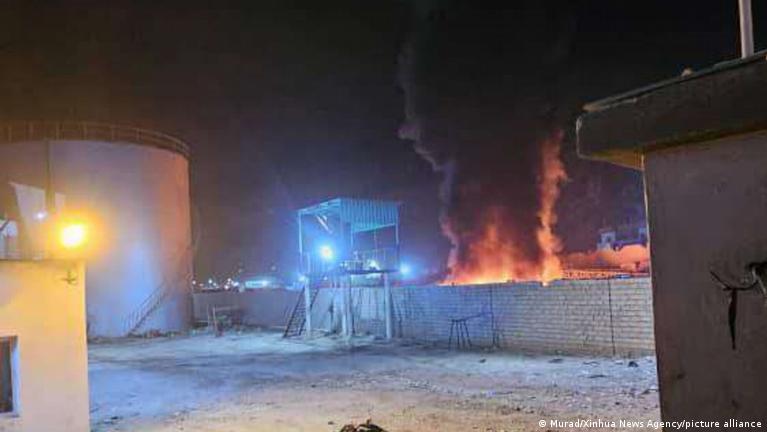
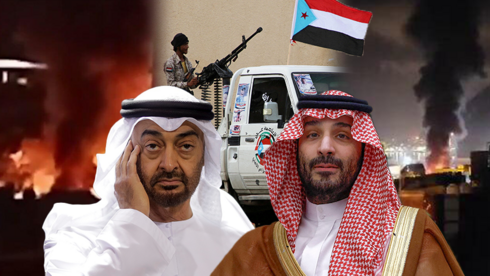
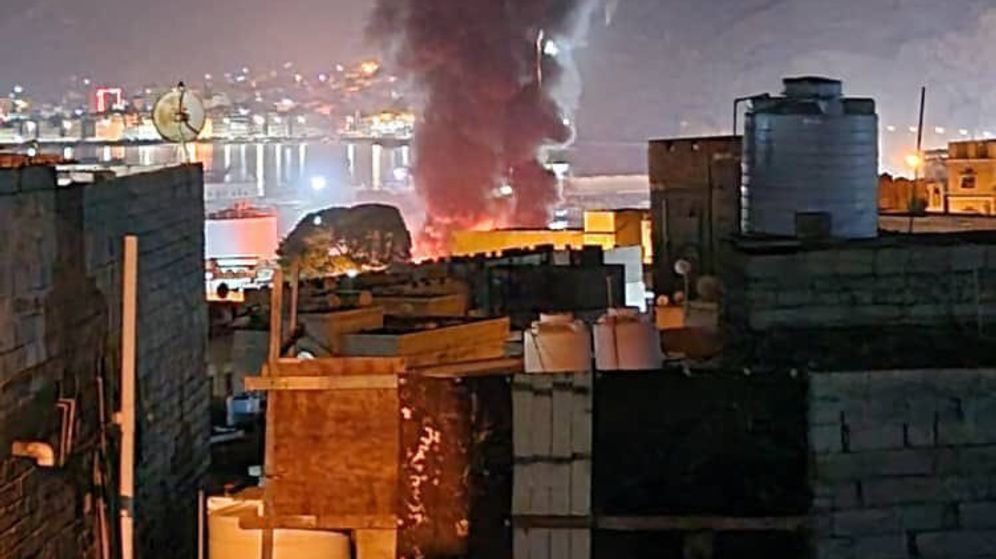
The Yemen conflict represents a critical inflection point in Gulf geopolitical dynamics, where traditional alliances are disintegrating into a complex multi-actor strategic chess game. Saudi Arabia's strategic airstrike against UAE-backed forces on December 30, 2025, marks a profound rupture in regional cooperation, transforming Yemen from a unified intervention target to a fragmented battleground of competing legitimacies.
Territorial Fragmentation Dynamics reveal a stark new reality: Iran-backed Houthis now control 70-80% of Yemen's population, while the Southern Transitional Council (STC) administers most of the former People's Democratic Republic of Yemen. This landscape fundamentally reshapes regional power calculations. The critical Hadramaut oil fields now sit under STC administration, creating unprecedented economic and strategic complications for international investors and energy companies.
Operational Complexity for Investors has dramatically increased. The conflict now requires engagement with three distinct political entities: Houthi theocratic governance, STC's secular separatism, and the weakening Presidential Leadership Council. Each represents a different operational risk profile, forcing multinational corporations to develop nuanced, multi-track engagement strategies. Energy supply chains, humanitarian operations, and foreign policy alignments face significant disruption, with risk premiums for infrastructure projects escalating exponentially.
The underlying geopolitical logic suggests prolonged regional instability. With fundamental disagreements about political authority—ranging from theocratic to secular republican visions—Yemen has become a microcosm of broader Middle Eastern political fragmentation. For strategic investors and policymakers, this means developing adaptive frameworks that can navigate rapidly shifting territorial and political landscapes.
Critically, this is not just a localized conflict but a potential template for future regional realignments. The Saudi-UAE rupture signals that historical partnerships are increasingly fluid, with tactical interests trumping long-standing strategic alliances. Stakeholders must now anticipate and model complex, multi-actor scenarios rather than relying on traditional bilateral frameworks.
問題 3
What does the Saudi-UAE rift signify for regional geopolitics?
The conflict represents a fundamental breakdown of historical alliances, suggesting that tactical interests now override long-standing strategic partnerships. This signals a more fluid, complex geopolitical landscape where traditional bilateral frameworks are becoming increasingly unreliable.
What are the key territorial changes in Yemen?
Iran-backed Houthis now control 70-80% of Yemen's population, including Sana'a and northwestern highlands. The Southern Transitional Council administers most of the former People's Democratic Republic of Yemen, including critical Hadramaut oil fields, while the Presidential Leadership Council maintains limited control over fragmented enclaves.