

)
Africa's Democratic Crossroads: Sovereignty, Instability, and the Rise of New Governance Models
- Emerging power dynamics reshaping political and economic landscapes across the continent





概览
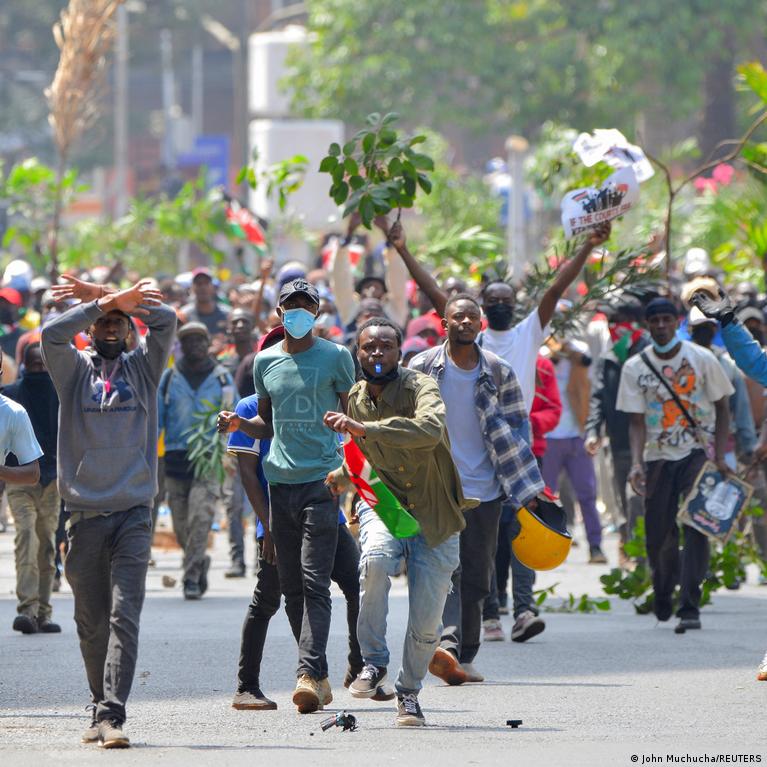
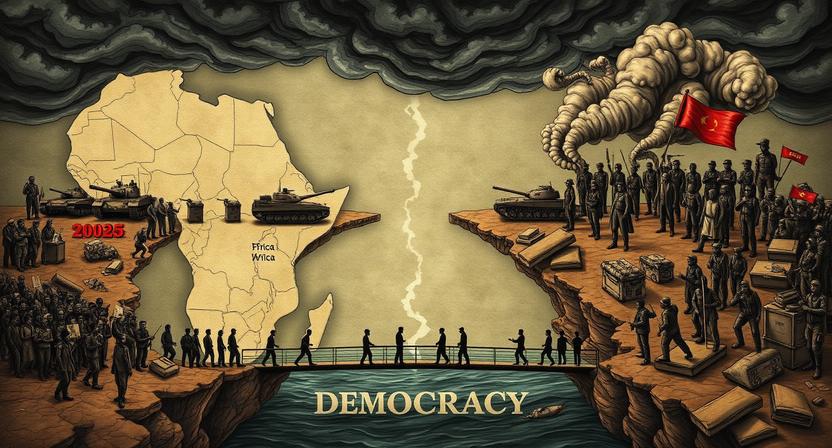
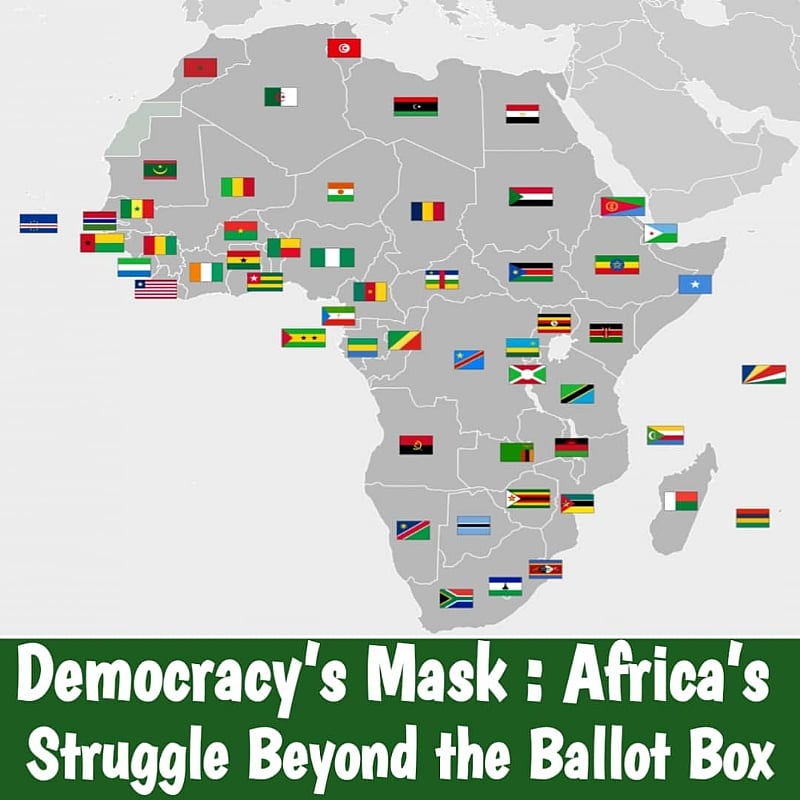
In 2025, Africa stands at a critical inflection point, where traditional democratic structures are being fundamentally challenged by a complex interplay of youth activism, military interventions, and systemic governance failures. Political volatility has become the new normal, with eight countries now under military rule and a growing trend of institutional disruption across the continent.
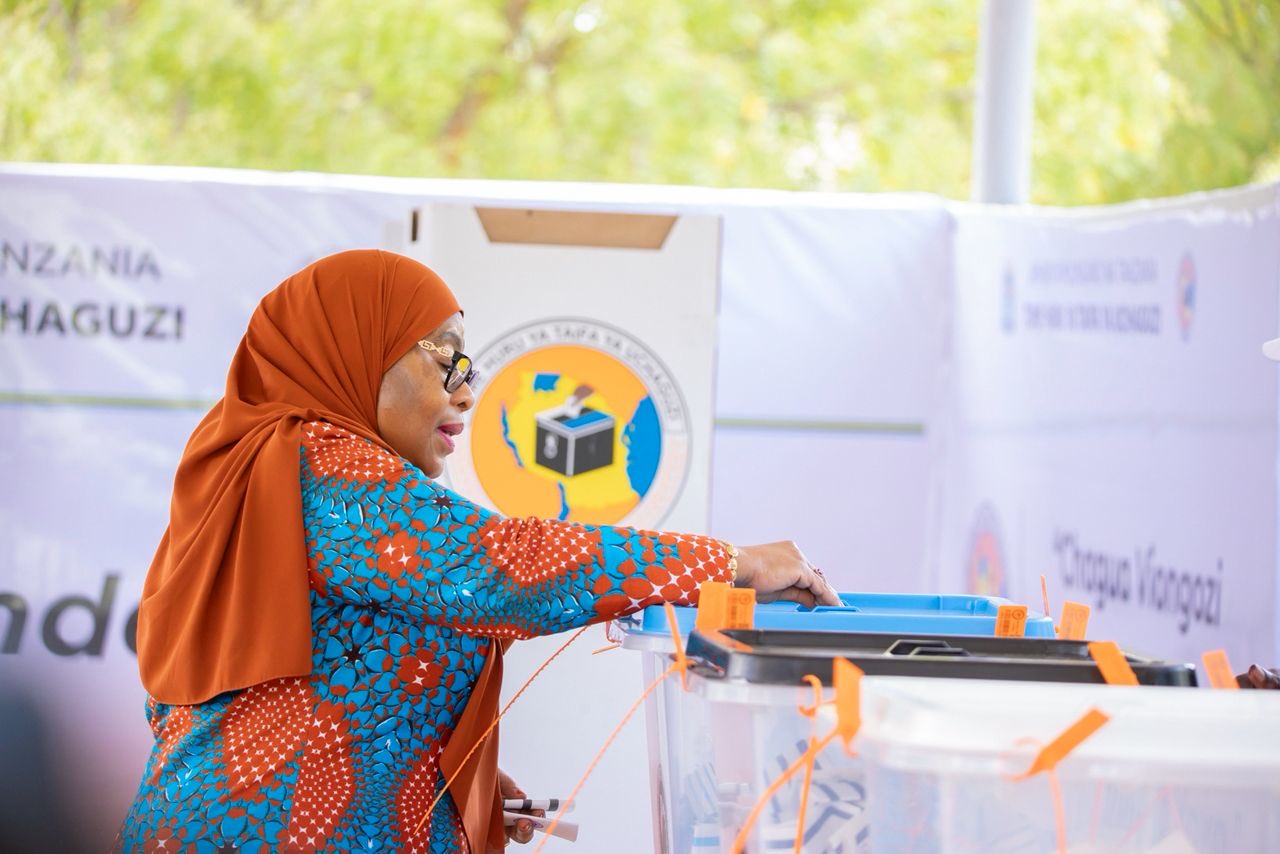
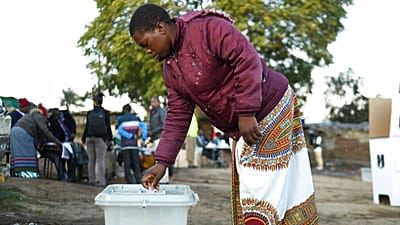
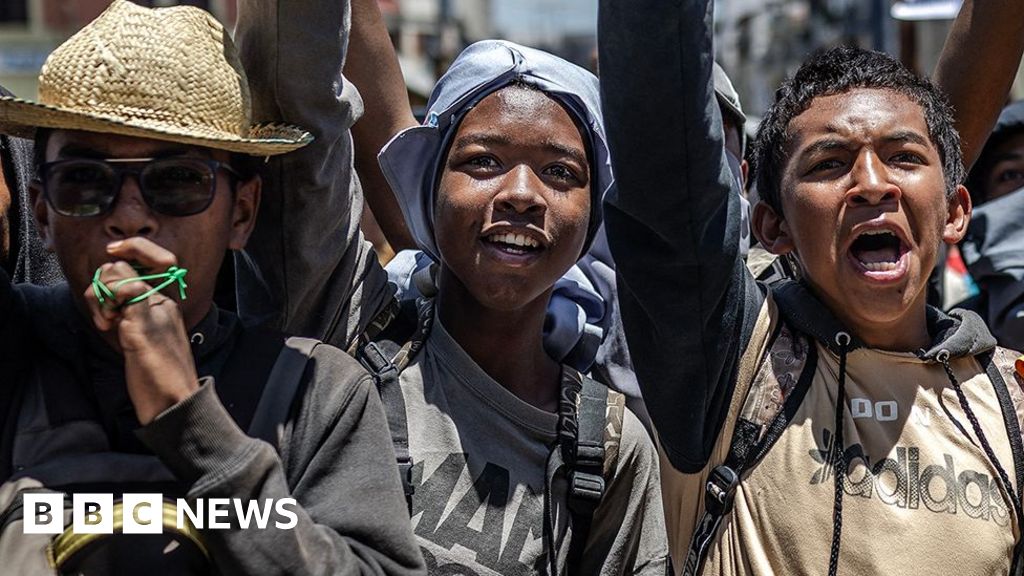
The year's most striking development is the emergence of a new political paradigm that defies conventional democratic frameworks. In Tanzania, President Samia Suluhu Hassan's 98% election victory amid widespread protests epitomizes the performative nature of electoral processes. Similarly, in Madagascar and the Sahel region, military interventions and youth-led movements are systematically dismantling long-standing governance models.
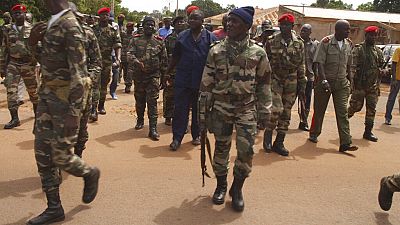
This transformation goes beyond mere political turbulence. It represents a profound sovereignty recalibration, where African nations are increasingly rejecting imported democratic systems that have historically served external interests. The geopolitical landscape is shifting, with reduced Western democratic pressure creating space for indigenous governance experiments. Military juntas in Mali, Niger, and Burkina Faso are not just disrupting systems but actively constructing alternative power structures.
For international stakeholders, particularly cross-border sellers and investors, these developments signal a high-risk, high-opportunity environment. The traditional playbook of market engagement is being rewritten. Political stability can no longer be assumed, and market entry strategies must become exponentially more adaptive. Sellers must develop granular, region-specific approaches that can pivot quickly in response to rapid institutional changes.
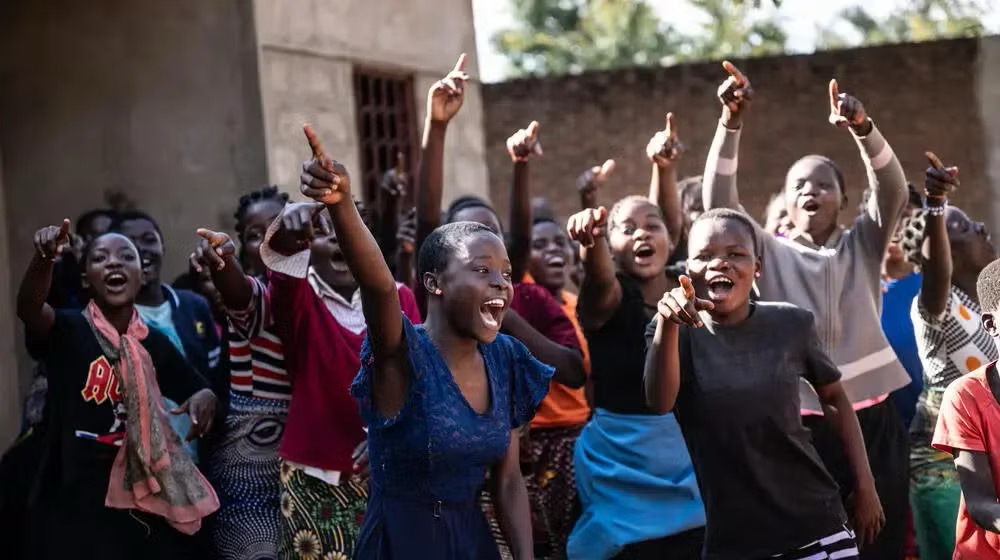
The underlying driver of this transformation is Africa's youth demographic, a powerful force challenging long-standing political structures through social media, protests, and a demand for genuine economic opportunities. This generation is not just seeking political representation but fundamentally reimagining governance models that prioritize local dignity, economic self-determination, and meaningful institutional reform.
Ultimately, 2025 marks a critical moment of potential—where political disruption could either lead to systemic breakdown or catalyze more responsive, locally-rooted governance models that genuinely serve African populations.
問題 3
How are political changes in Africa affecting market entry strategies for international businesses?
The 2025 landscape demands hyper-adaptive strategies. Businesses must develop granular risk assessment models that can quickly respond to political volatility, focusing on flexible supply chains, localized partnerships, and continuous political monitoring. The traditional long-term planning approach is no longer viable in regions experiencing rapid institutional transformation.
Are military interventions becoming a long-term governance model in Africa?
Evidence suggests military interventions are increasingly viewed not as temporary disruptions but as potential alternative governance frameworks. The alliances forming between military governments in Mali, Niger, and Burkina Faso indicate a strategic reconfiguration of political power that challenges traditional democratic transition narratives.