



Machu Picchu's Transportation Crisis Exposes Critical Infrastructure Vulnerabilities in Emerging Tourism Markets
- Escalating risks threaten cross-border e-commerce and tourism infrastructure in Peru's most iconic destination














)














概览
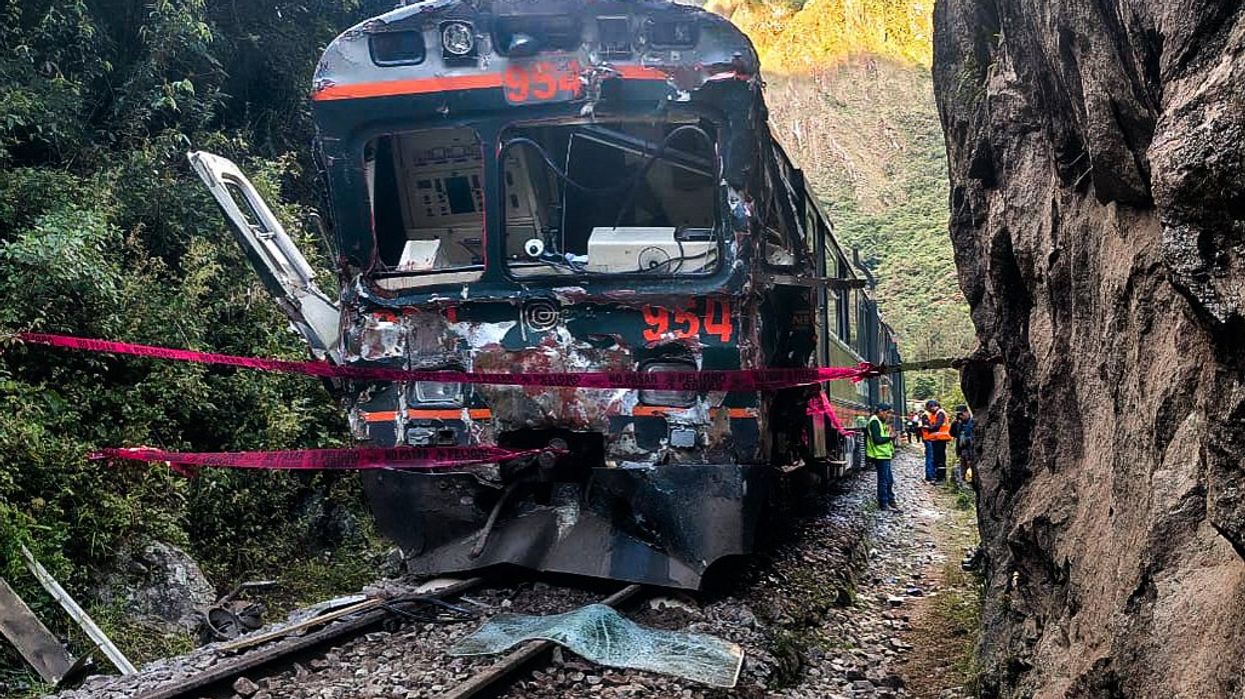
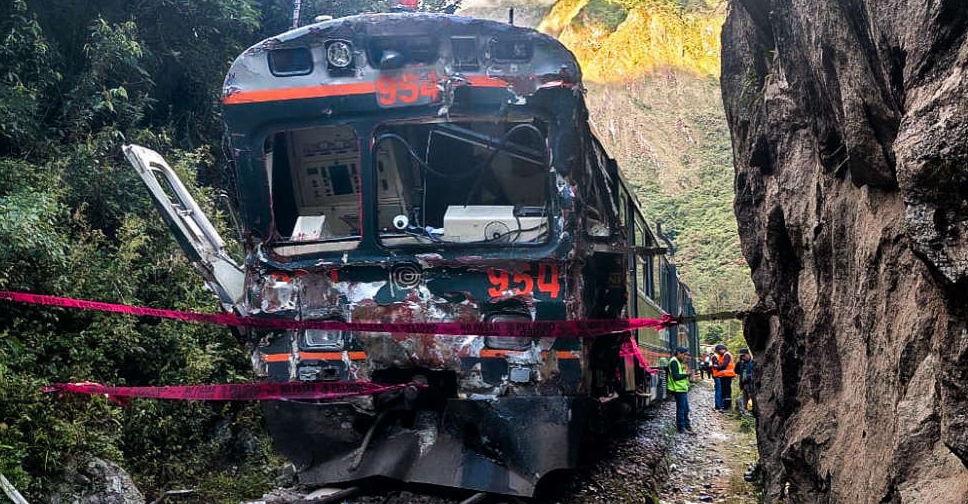
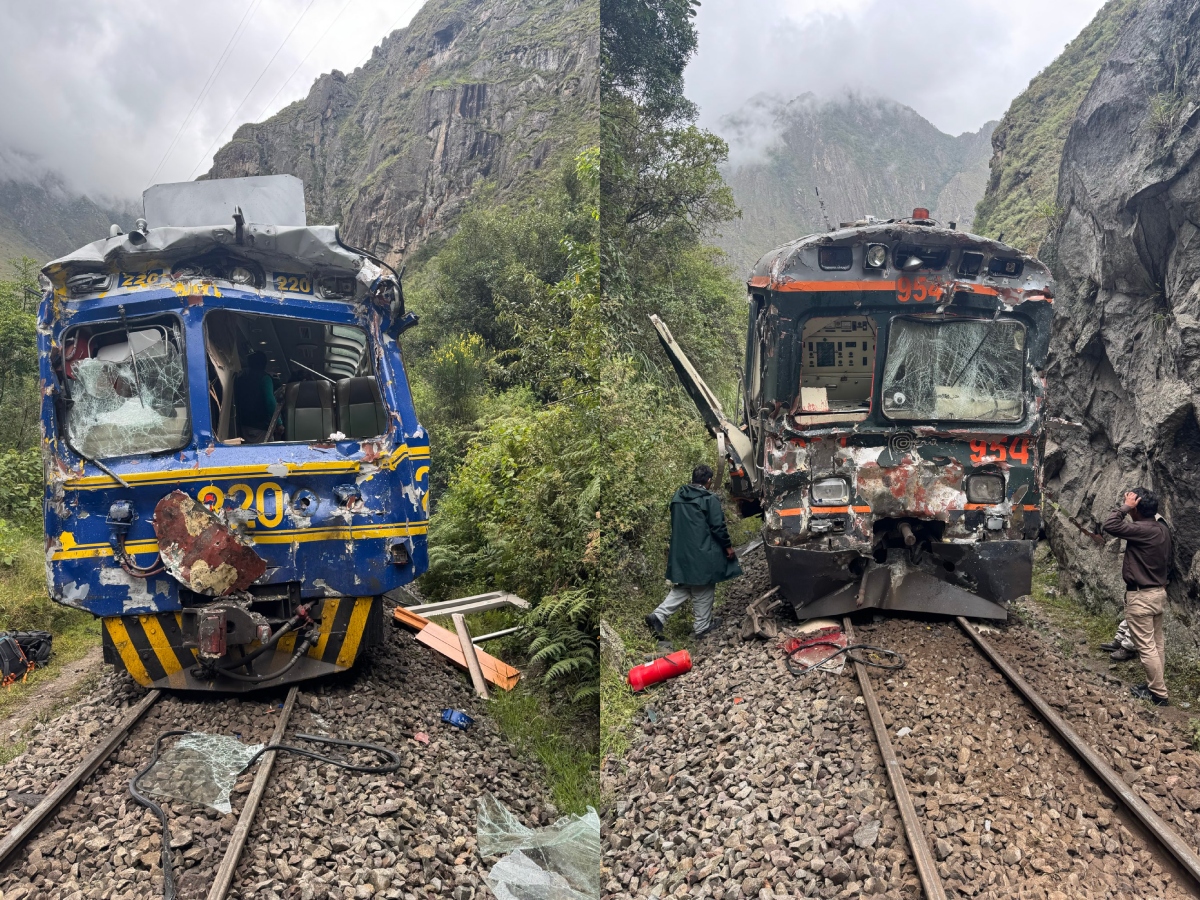
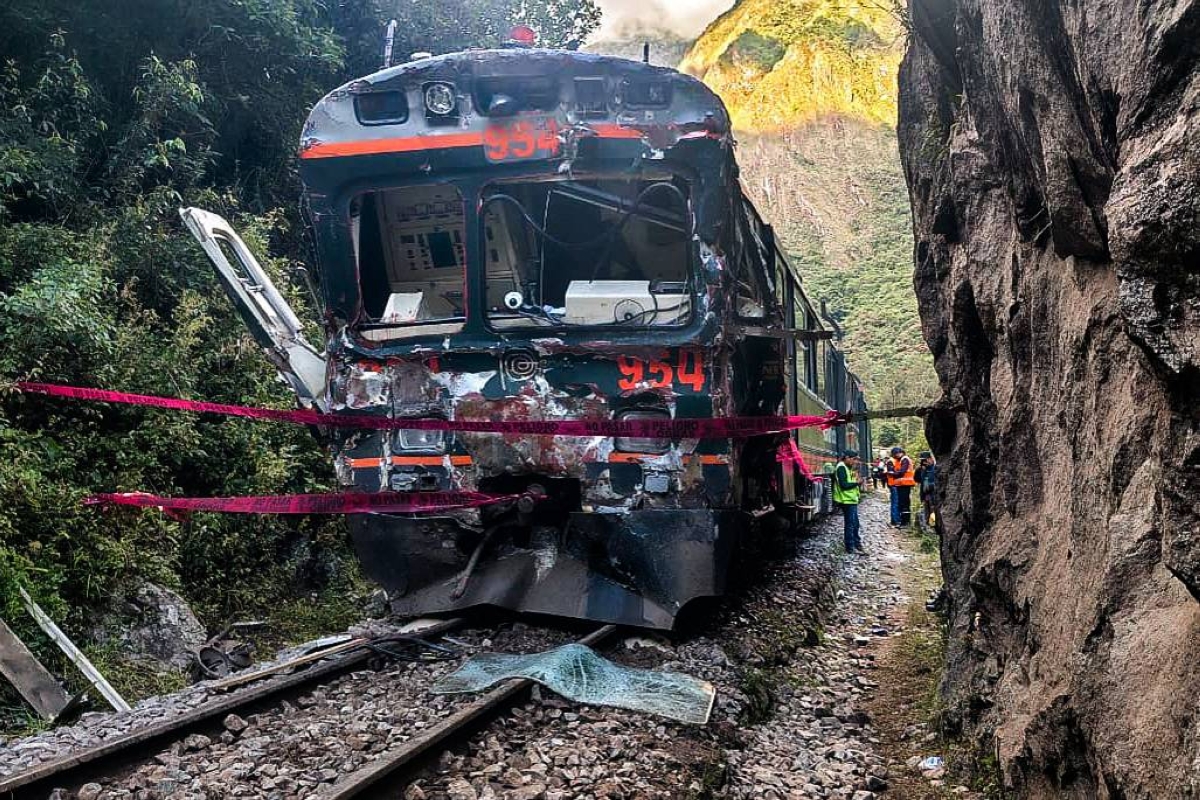
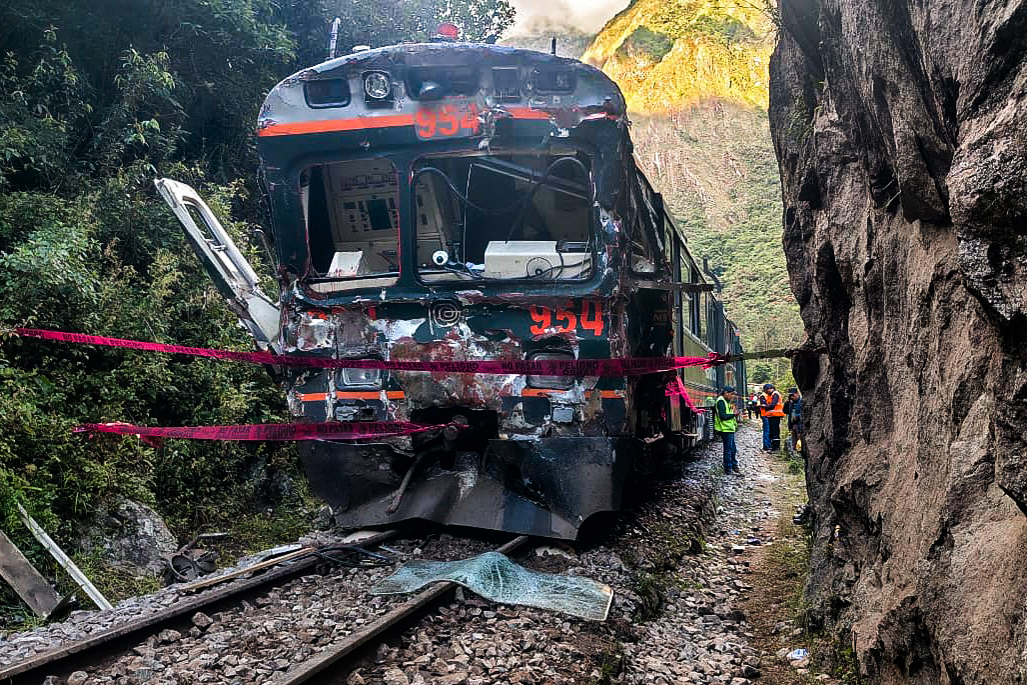
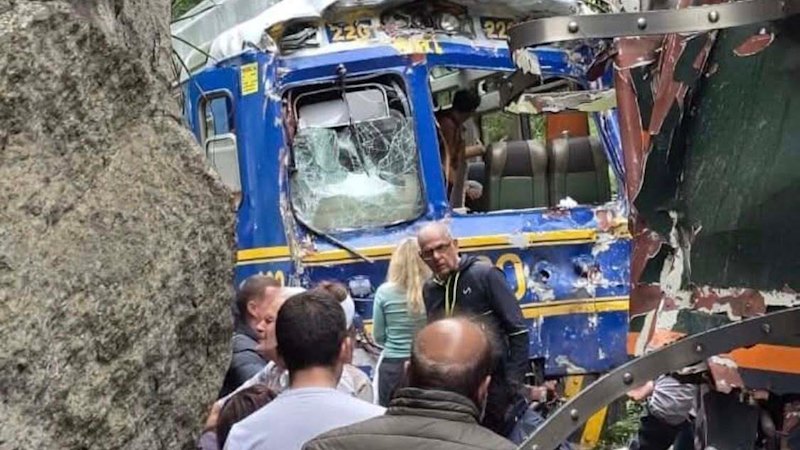
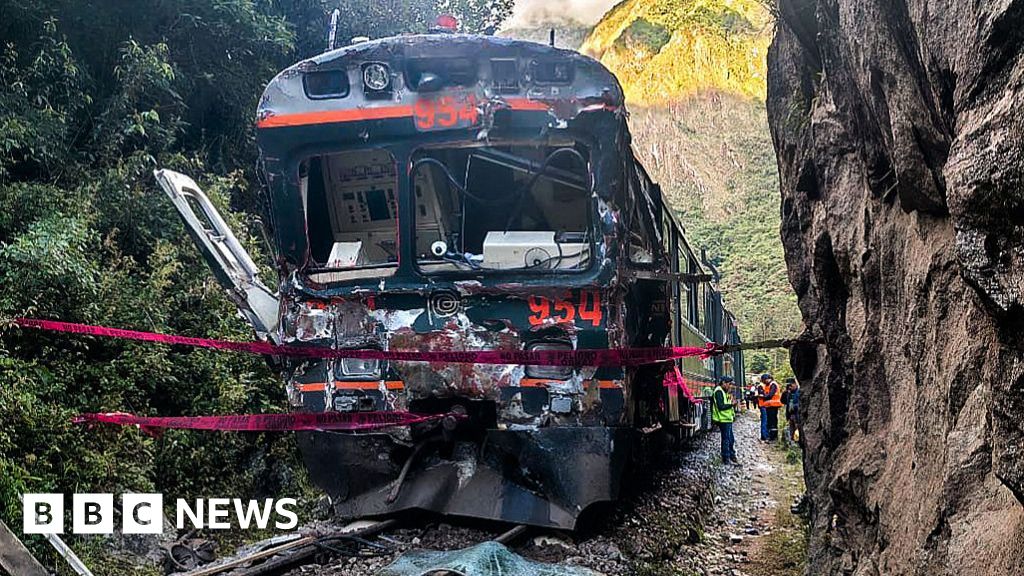
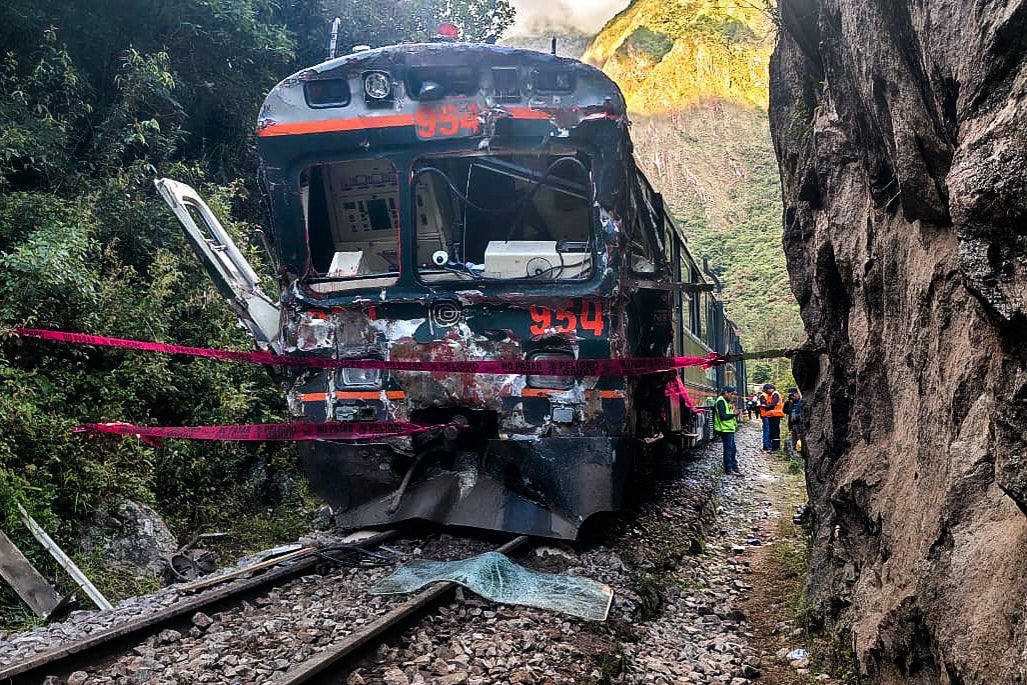
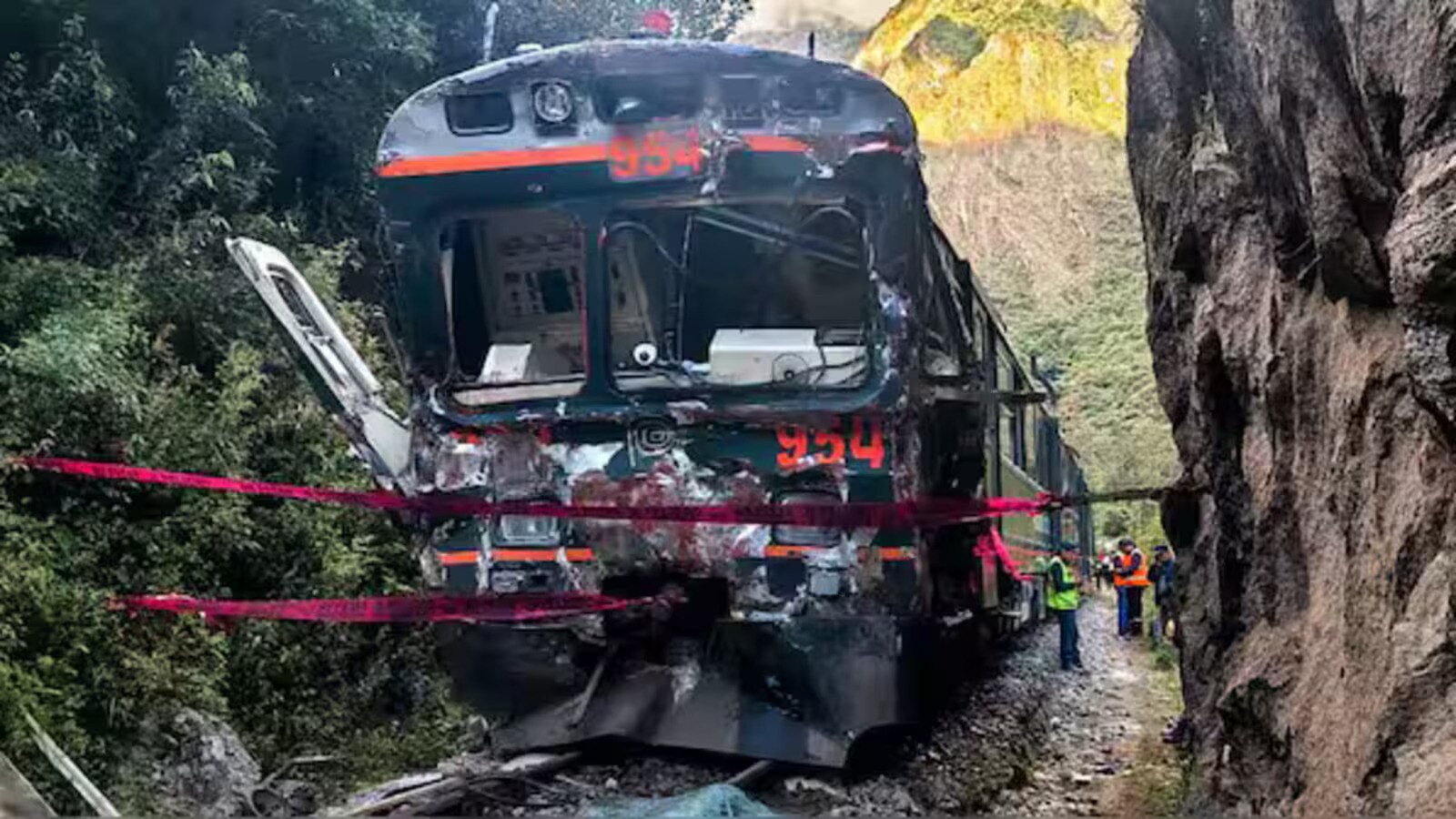
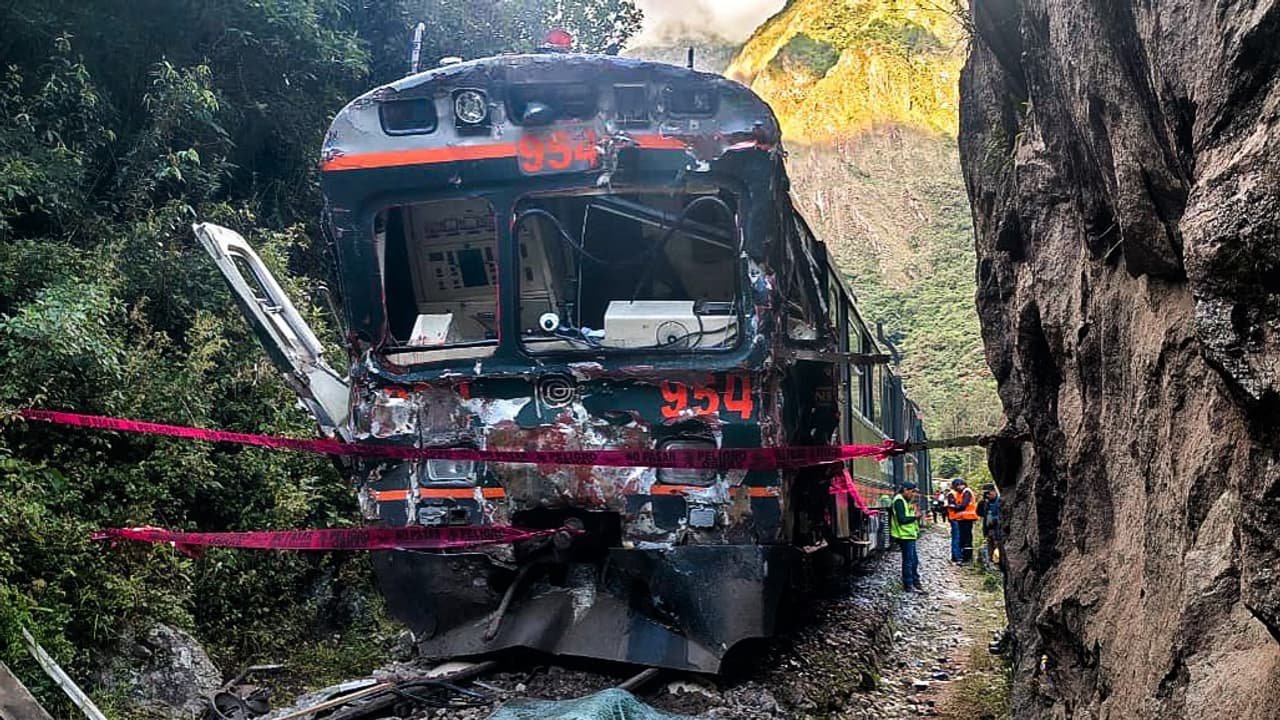
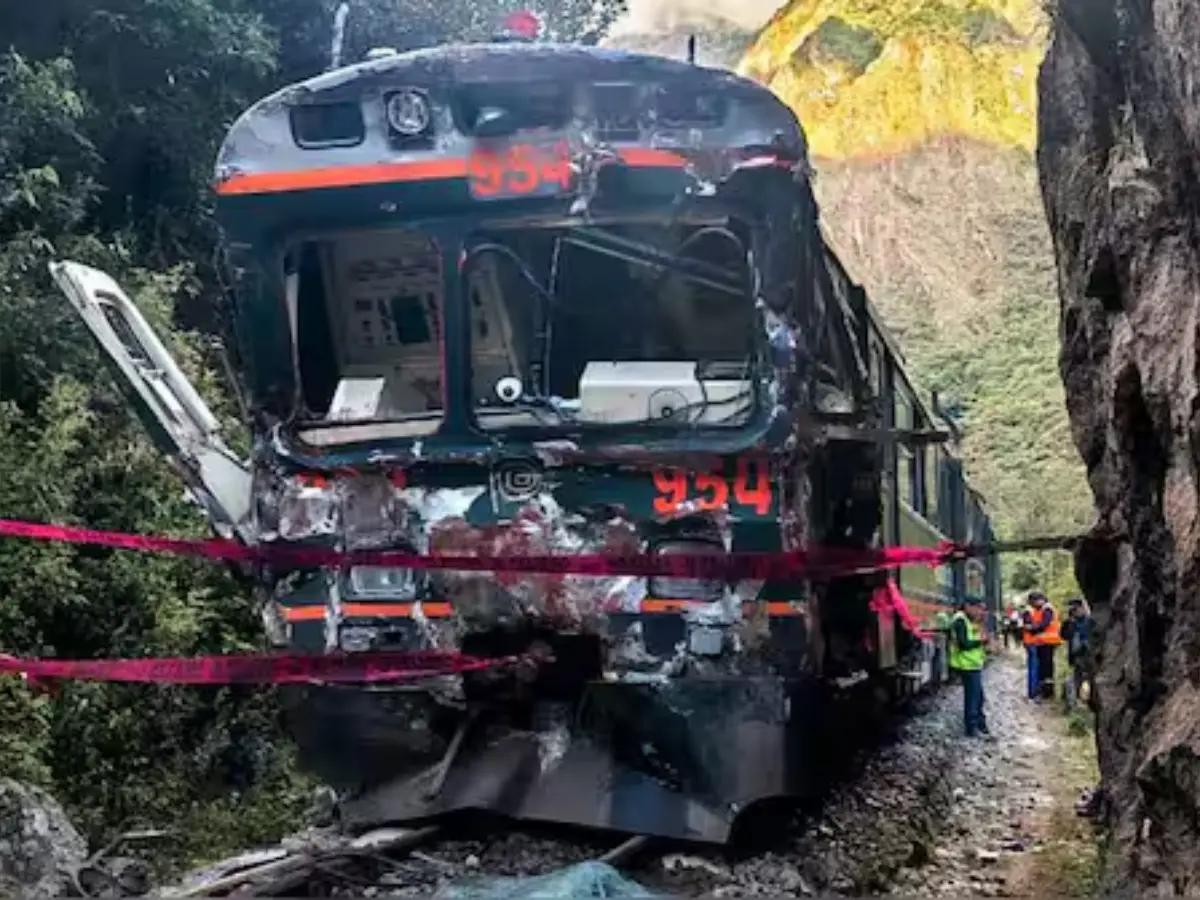
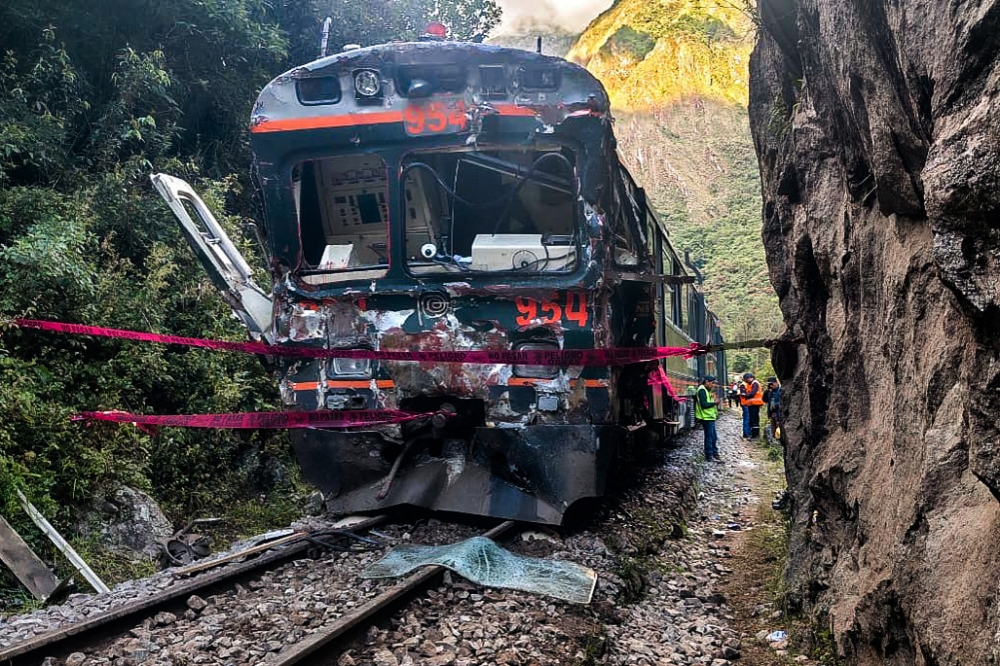
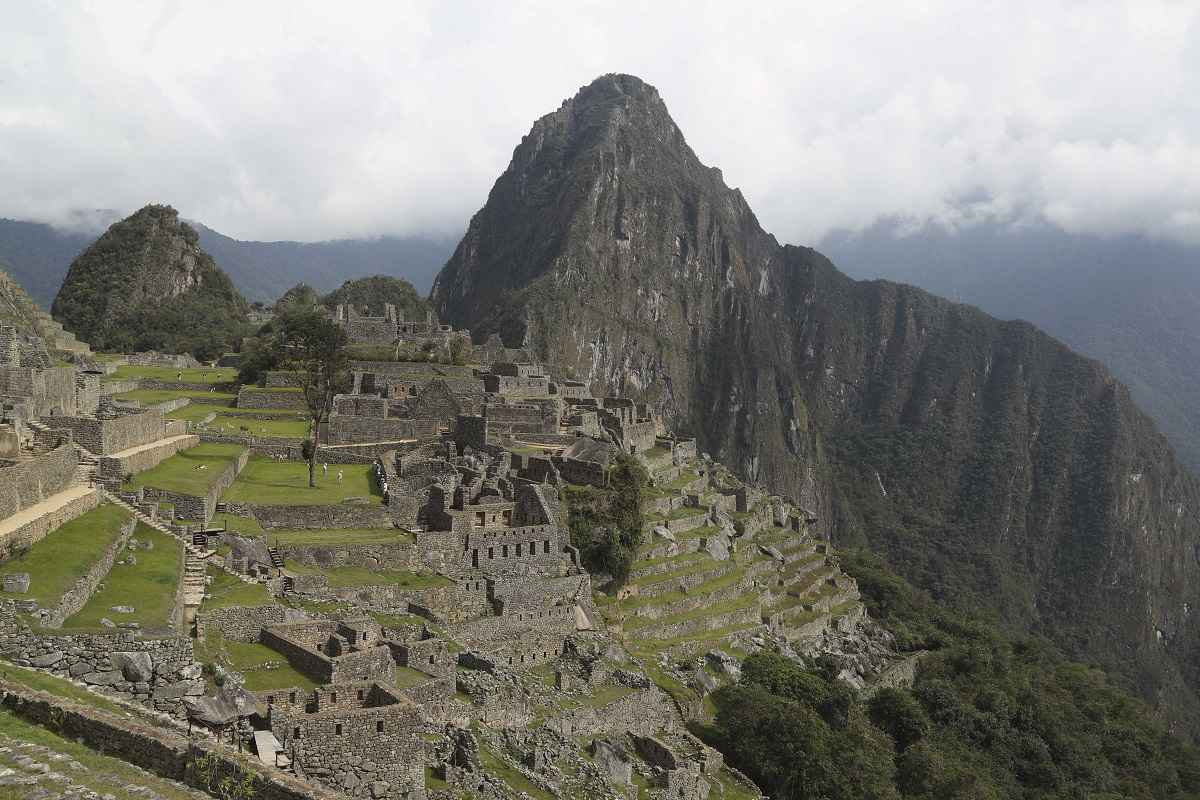
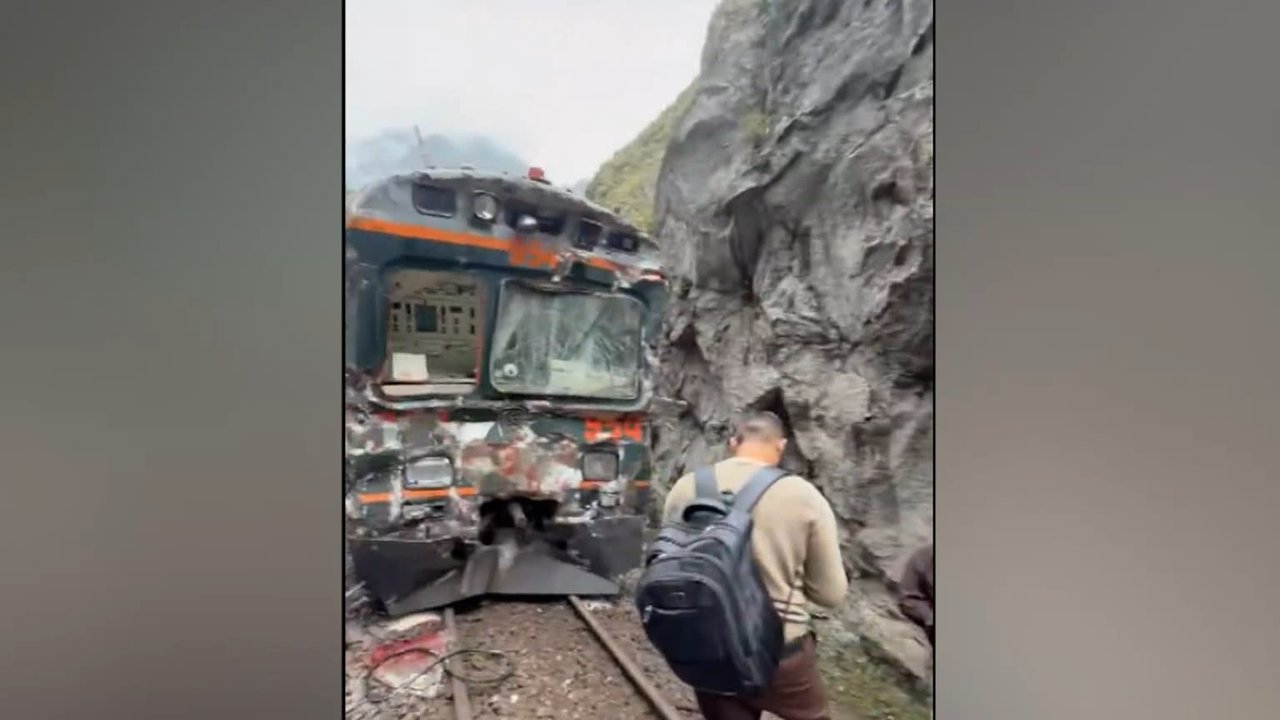
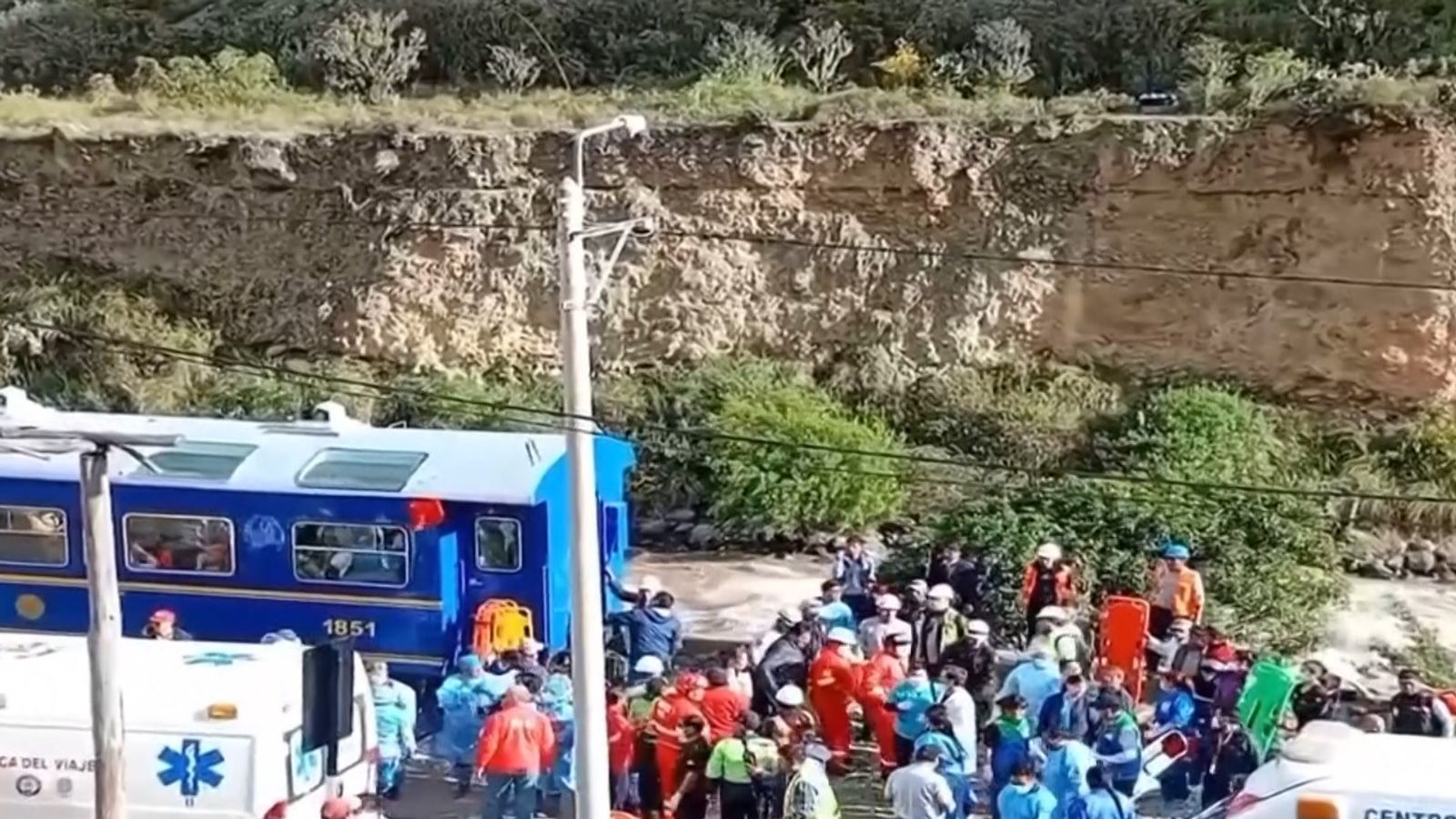
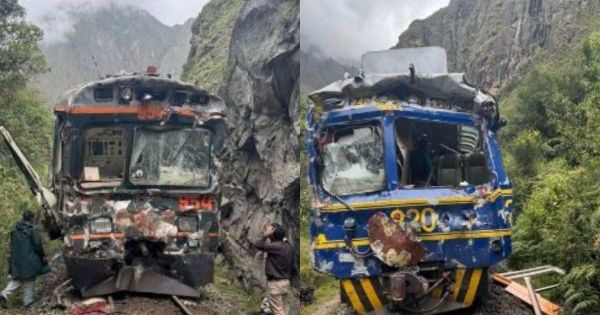
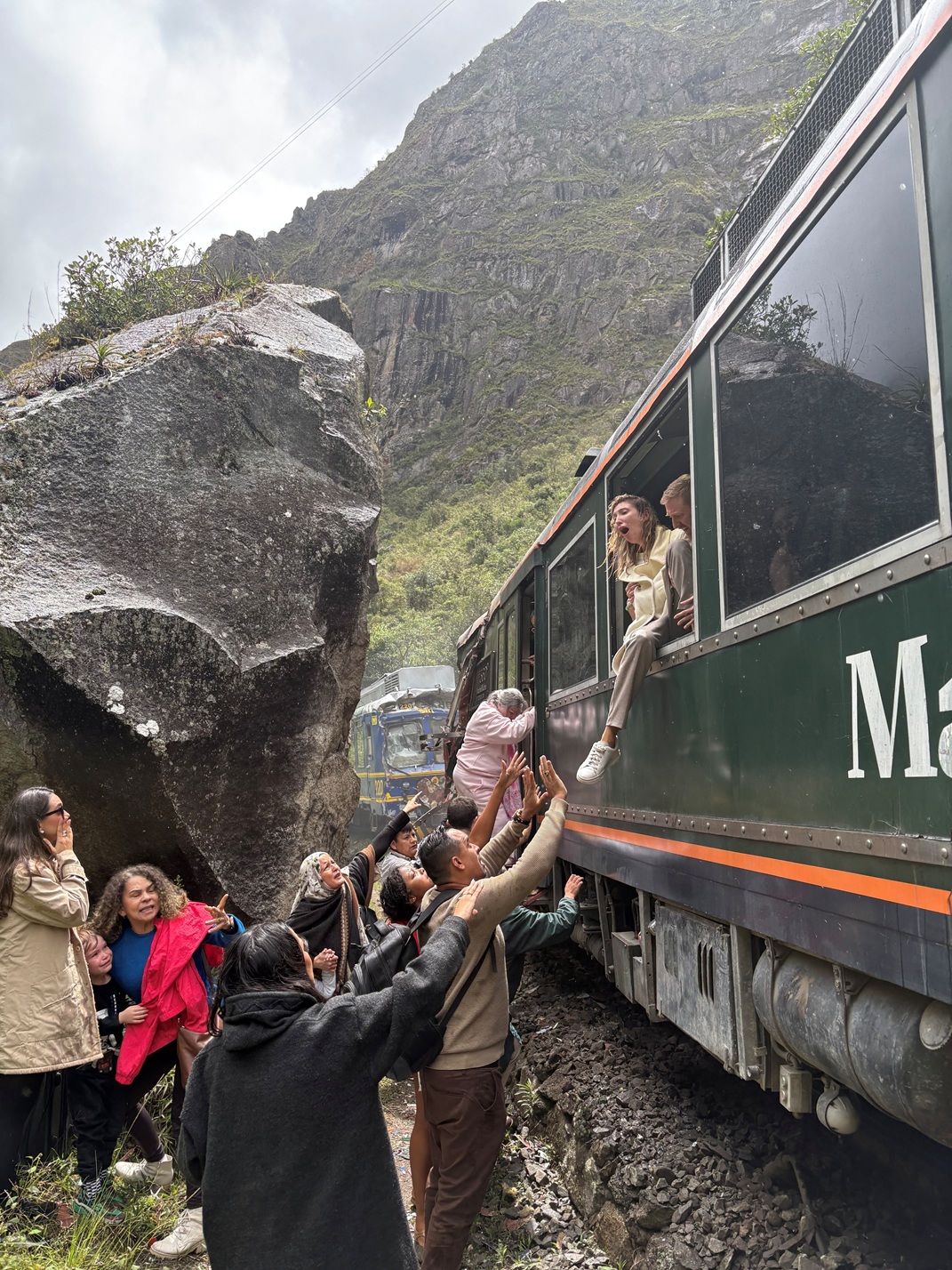
The recent train crashes near Machu Picchu reveal a critical vulnerability in Peru's tourism infrastructure that extends far beyond a single tragic incident. These collisions expose the fragile transportation ecosystem supporting one of the world's most renowned UNESCO World Heritage sites, with profound implications for cross-border commerce and regional economic development.
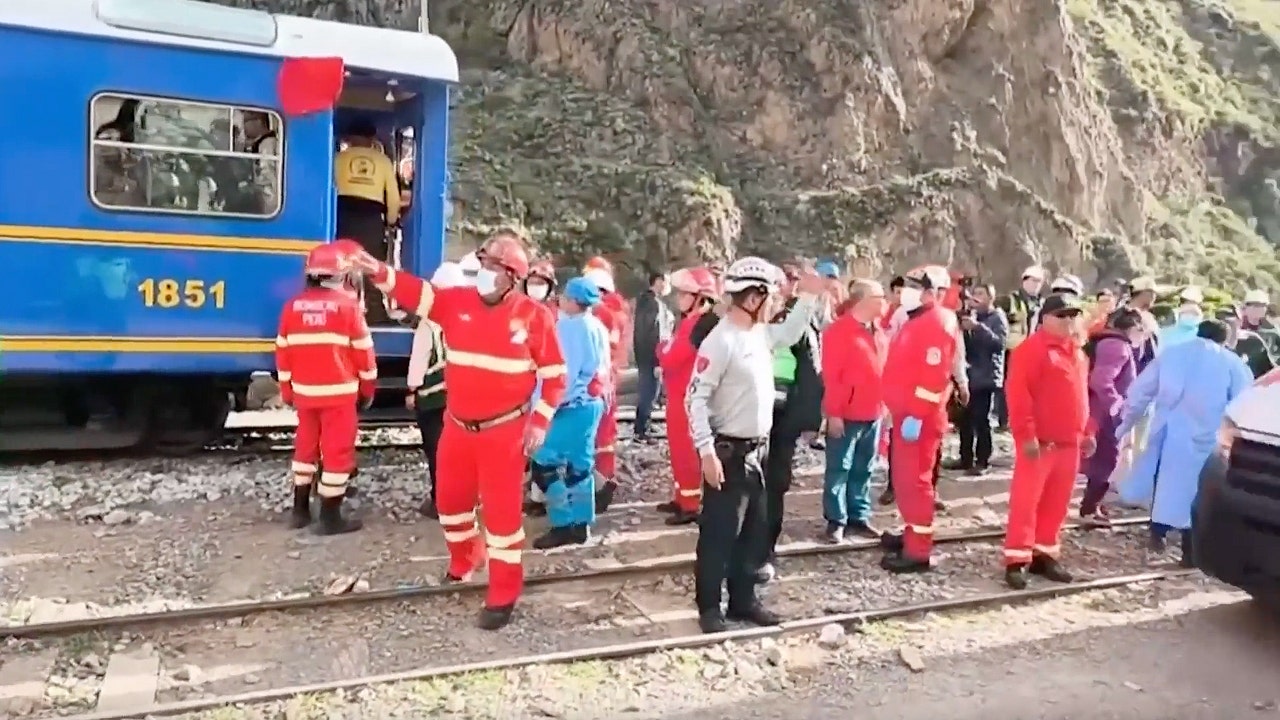
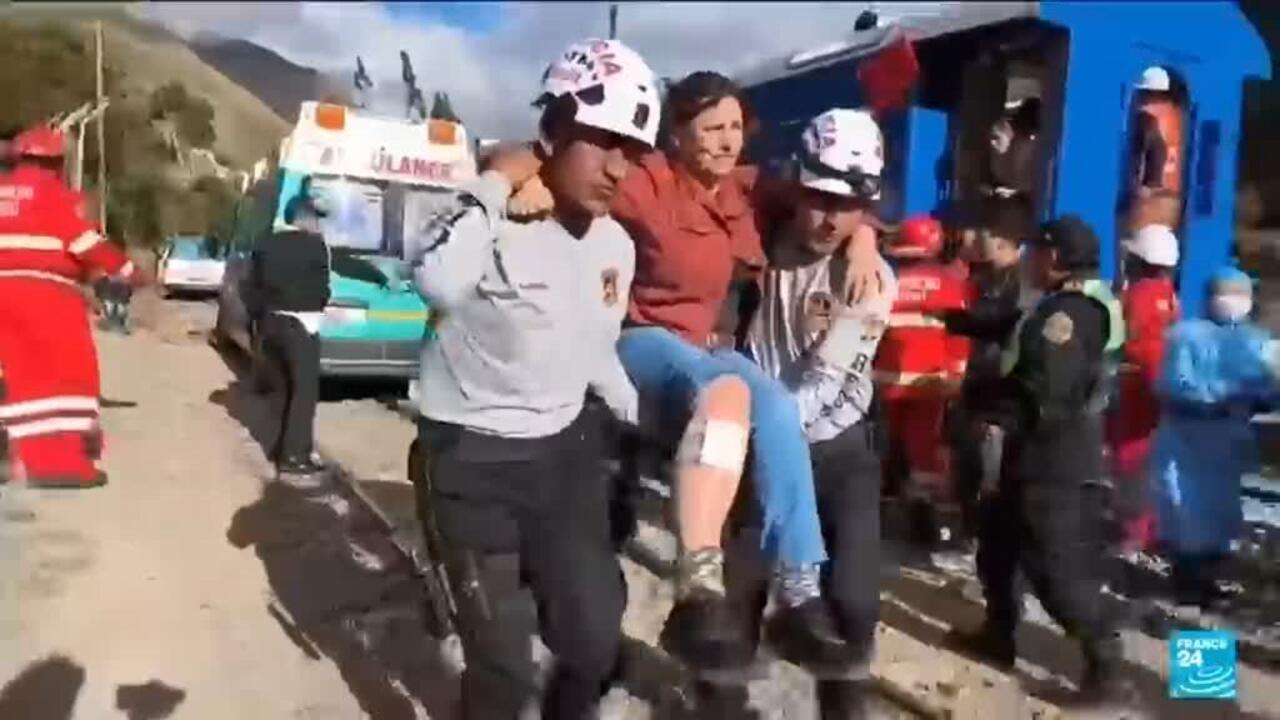
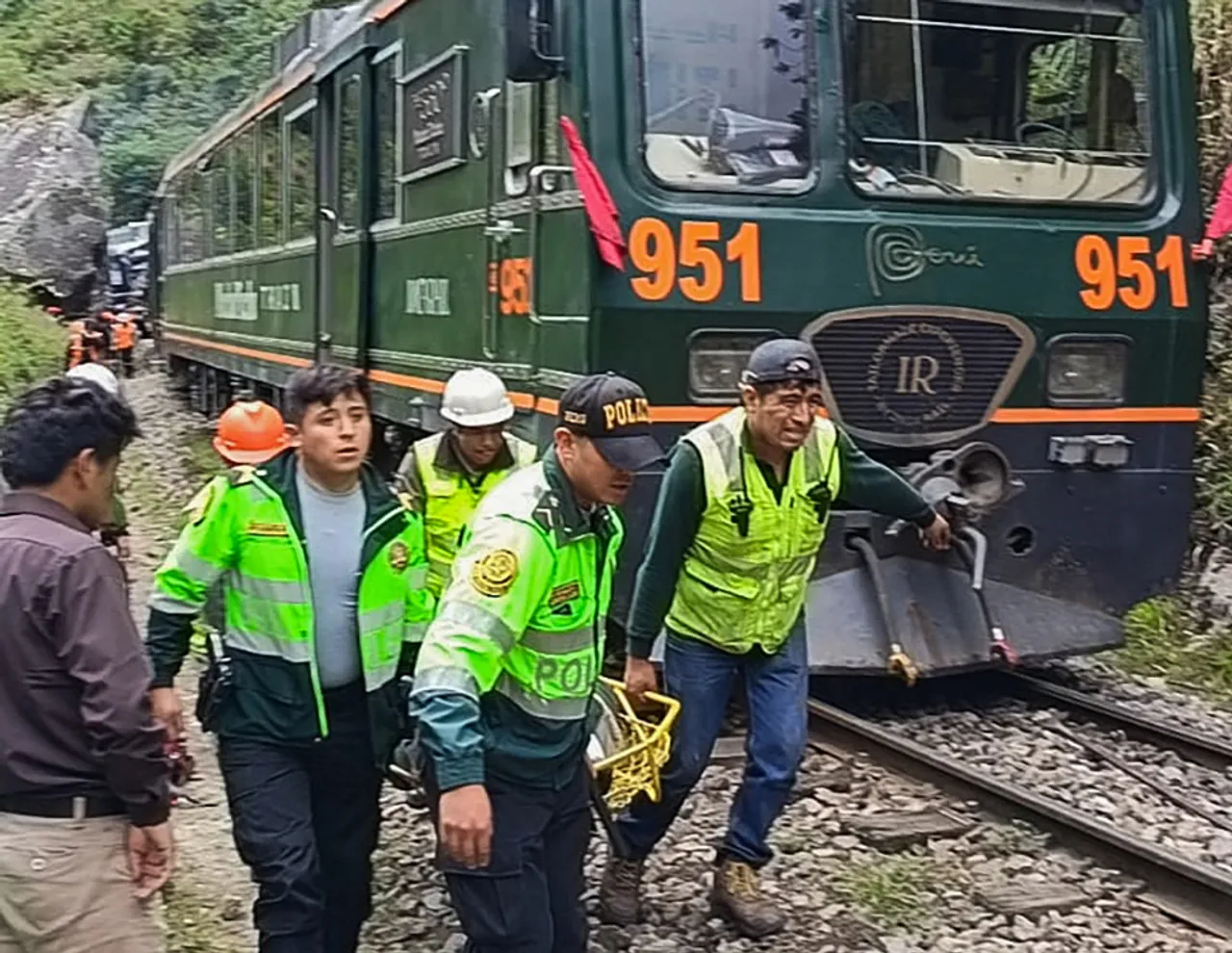
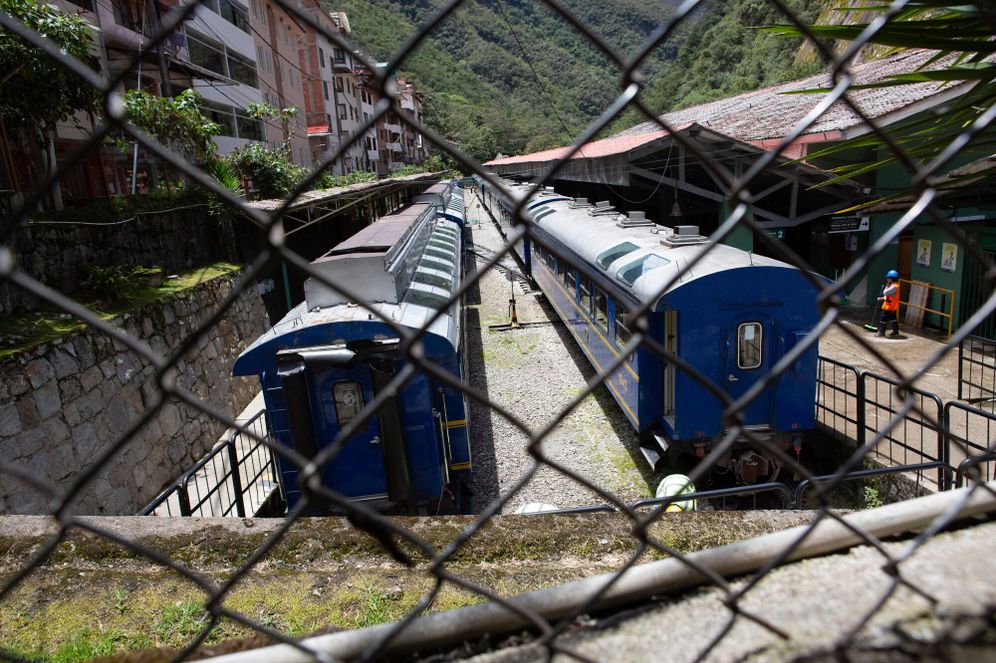
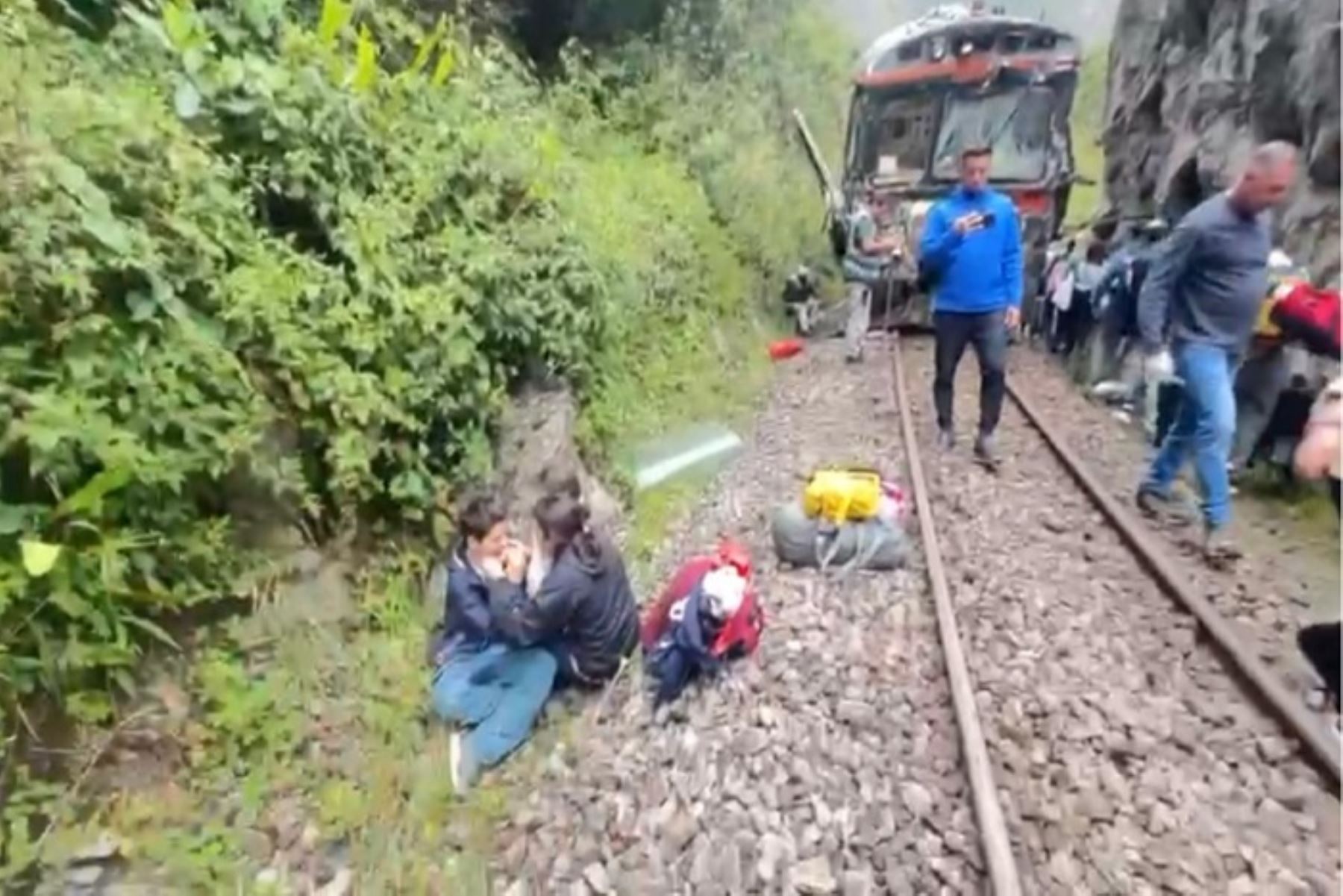
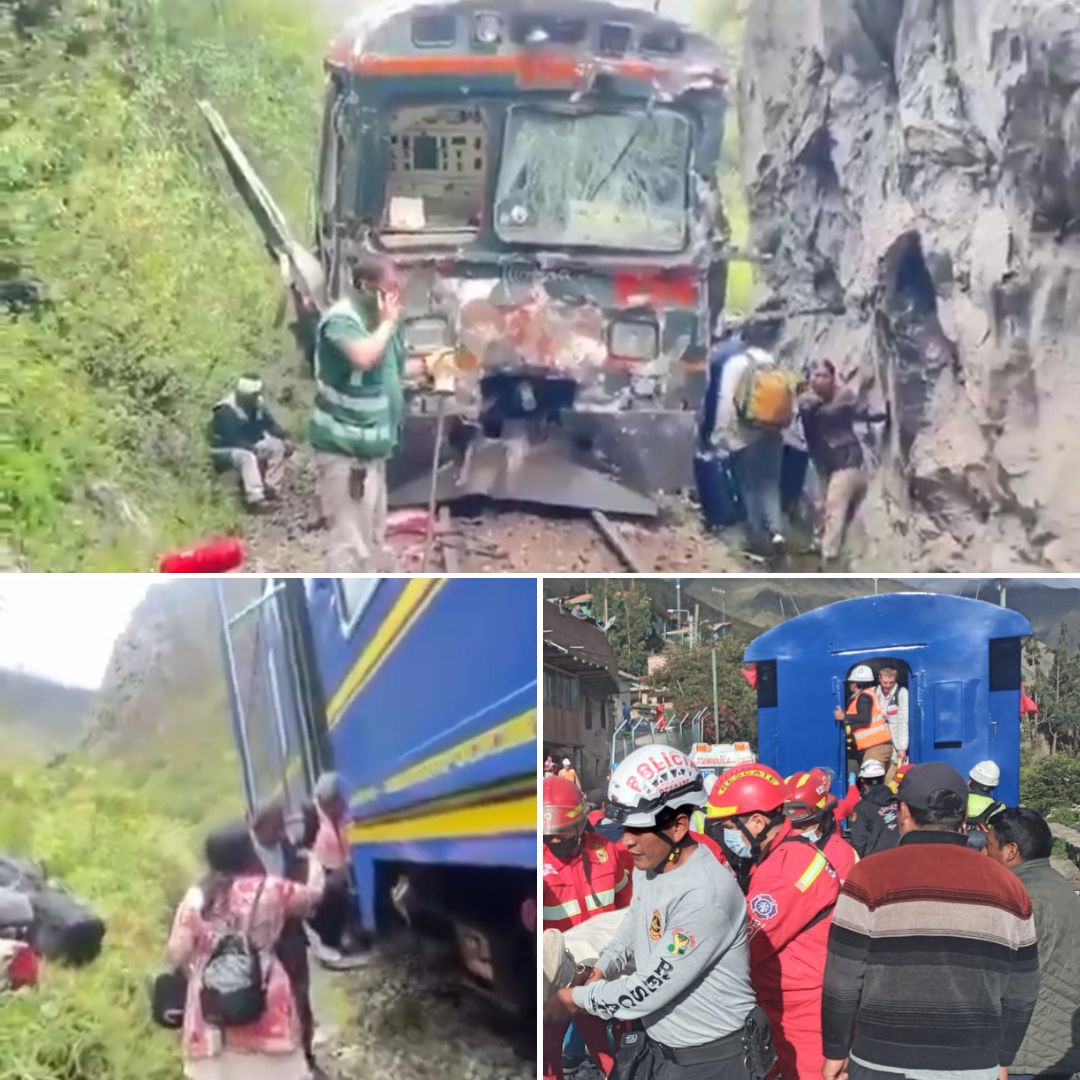
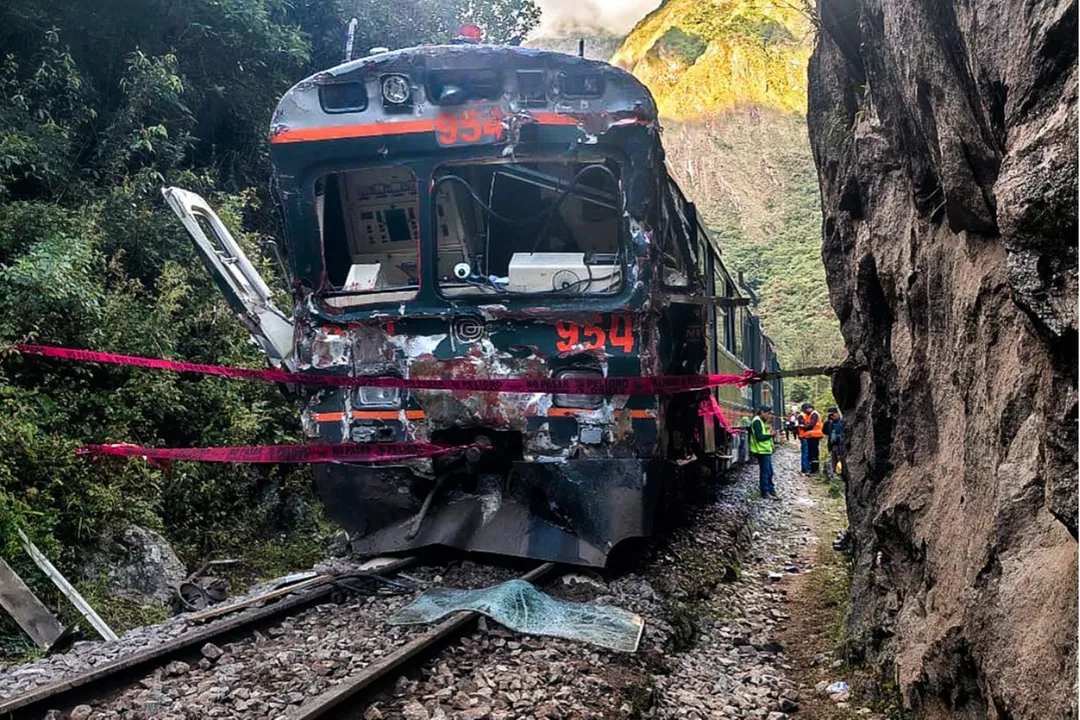
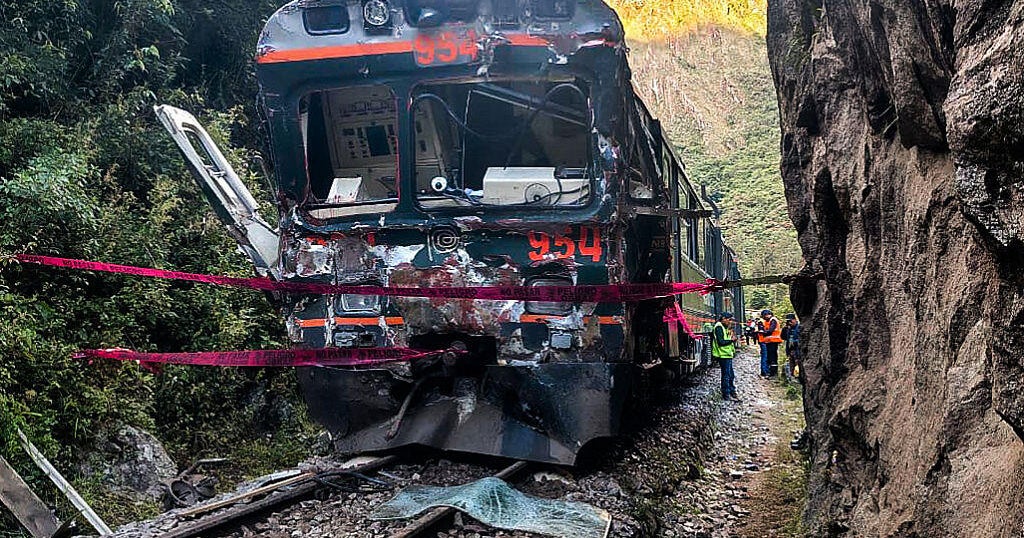
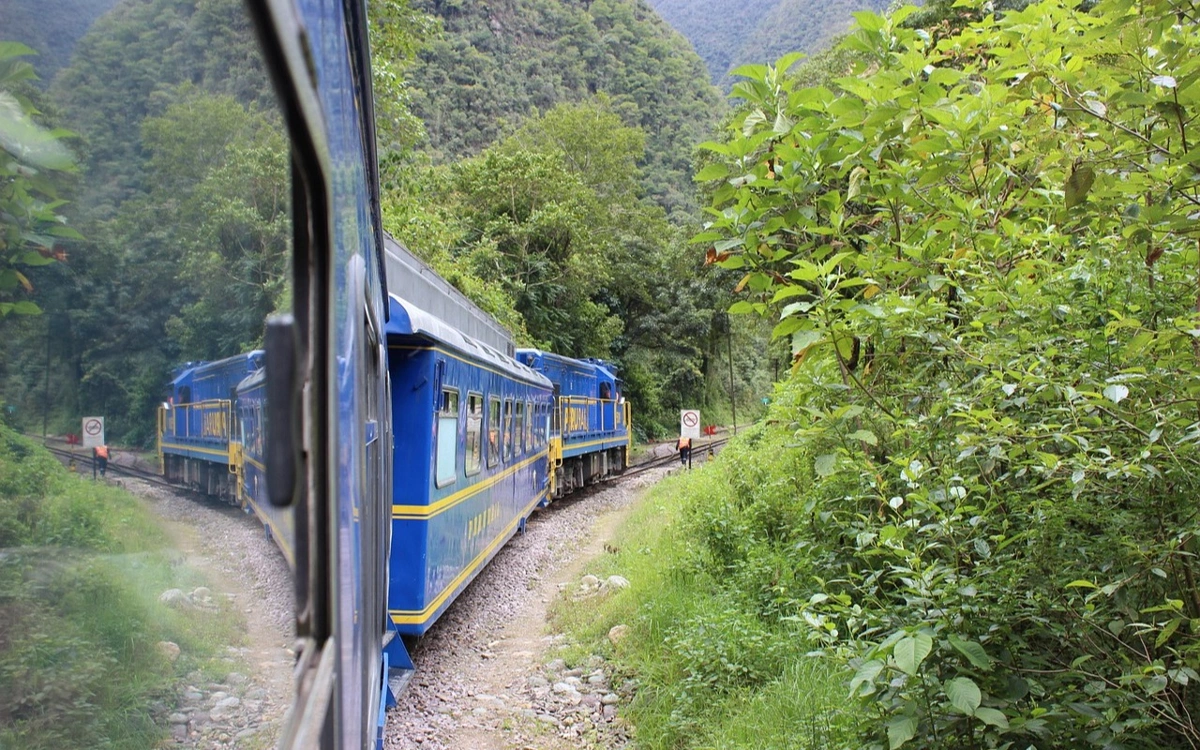
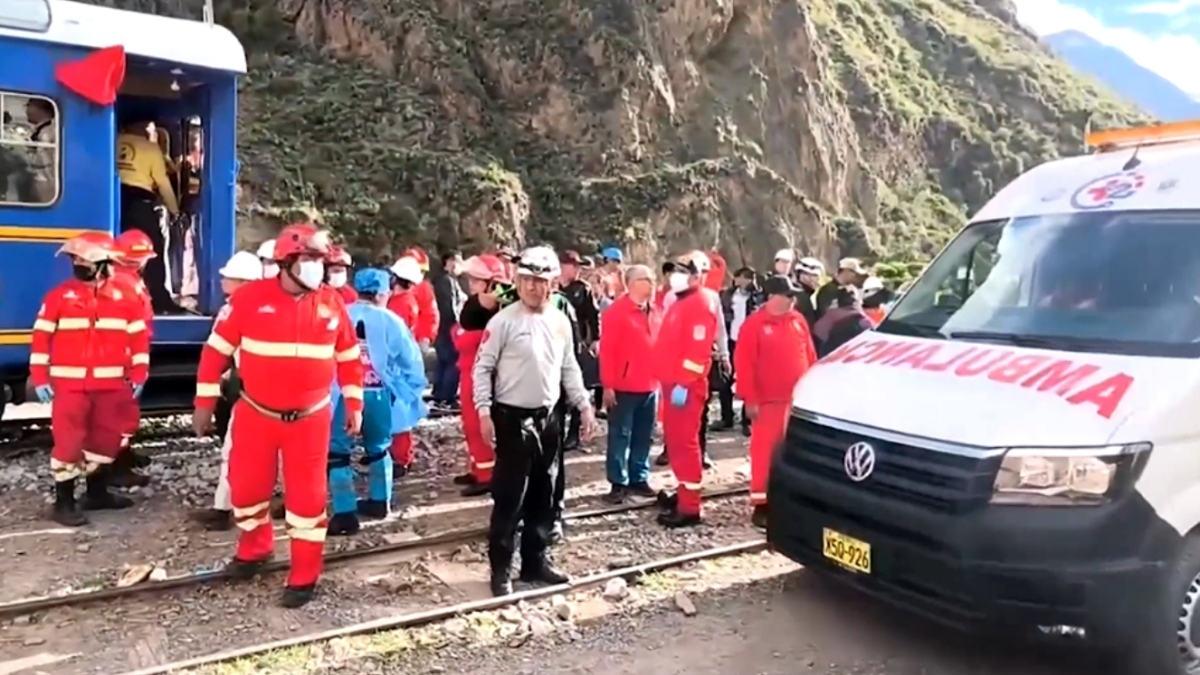
Transportation infrastructure in this region represents a complex challenge where geographical constraints meet economic ambition. The single-track railway system connecting Ollantaytambo and Aguas Calientes serves approximately 4,500 daily visitors to Machu Picchu, making it a lifeline for international tourism. The December 2025 accidents—involving PeruRail and Inca Rail—highlight systemic risks that go beyond immediate safety concerns.
For cross-border e-commerce sellers and international businesses, these incidents signal a critical wake-up call. The transportation disruption demonstrates how fragile infrastructure can instantaneously paralyze entire economic corridors. With one fatality and over 40 injuries, the crashes not only pose immediate humanitarian challenges but also reveal deeper structural weaknesses in emerging market logistics. The involvement of US and UK embassy personnel underscores the international dimensions of this infrastructure vulnerability.
The broader context is equally telling. Machu Picchu's tourism model, which carefully manages daily visitor caps and navigates complex local community dynamics, now faces additional scrutiny. The region attracts 1.5 million visitors annually, with a remarkable 25% tourism growth over the past decade. However, these recent incidents expose the razor-thin margin between sustainable tourism and potential systemic collapse.
Strategic implications are profound. Businesses operating in emerging markets must now factor in not just market potential, but infrastructure resilience. The Machu Picchu railway system becomes a metaphor for broader challenges: how can economic ambition be balanced with robust, safe transportation infrastructure? Cross-border sellers must develop more nuanced risk management strategies that go beyond traditional supply chain considerations.
問題 3
What makes the Machu Picchu railway system particularly challenging?
The single-track railway serves a UNESCO World Heritage site in a remote Andean region, handling approximately 4,500 daily visitors through challenging terrain. Its geographical constraints and high tourist volume create complex operational challenges that traditional infrastructure models struggle to address.
How do the Machu Picchu train crashes impact cross-border e-commerce in Peru?
The accidents expose critical infrastructure vulnerabilities that directly affect transportation reliability. E-commerce sellers must now factor in higher risk premiums, potentially requiring alternative routing, comprehensive insurance, and more robust contingency planning for logistics in the region.