




Mountain Transportation Safety Crisis Exposes Critical Infrastructure Vulnerabilities
- Systemic Risks Emerge in Alpine Tourism Infrastructure Threatening Regional Economic Stability











概览
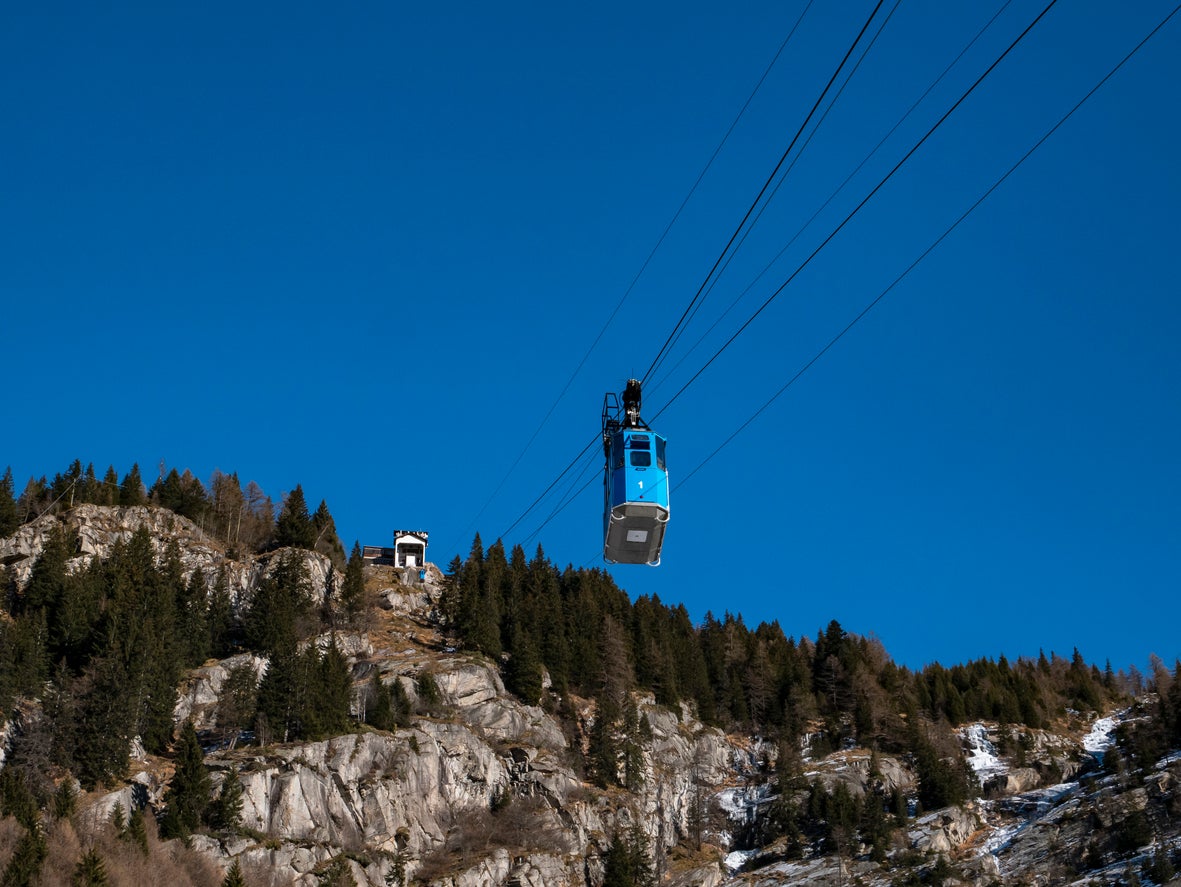
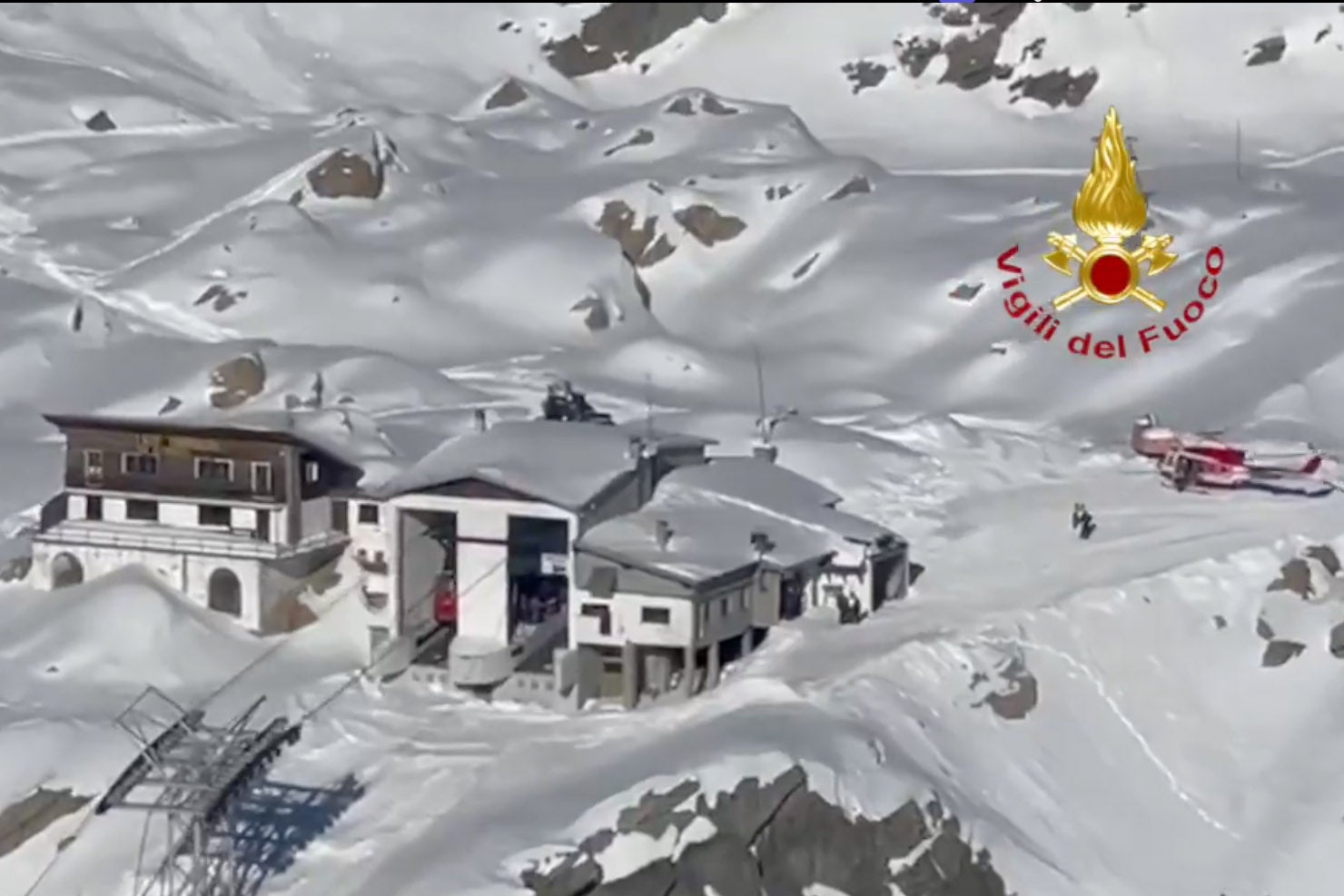
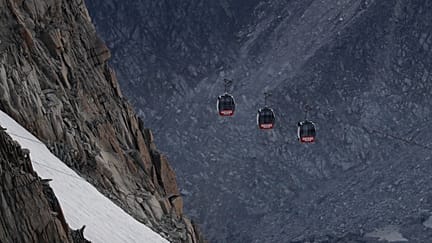
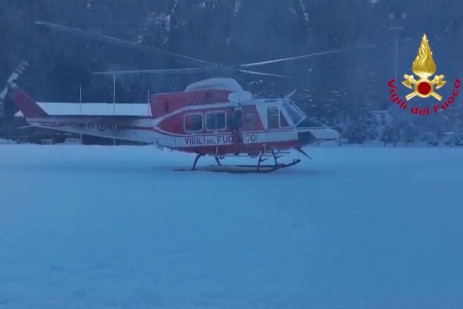
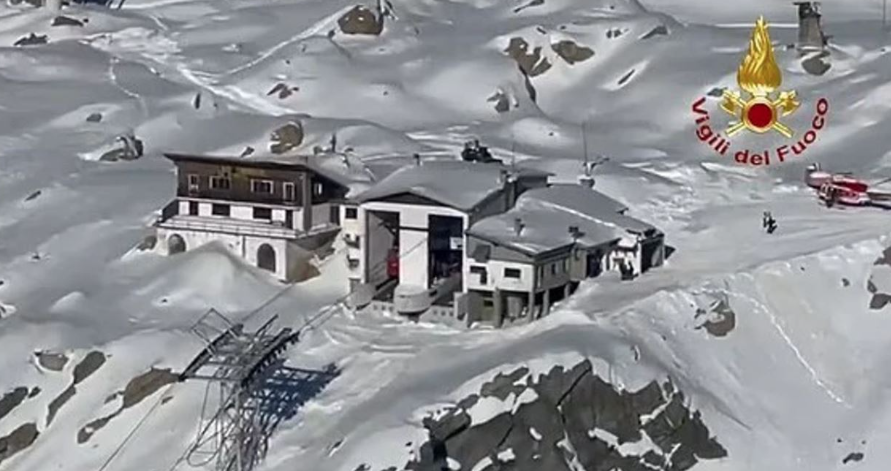
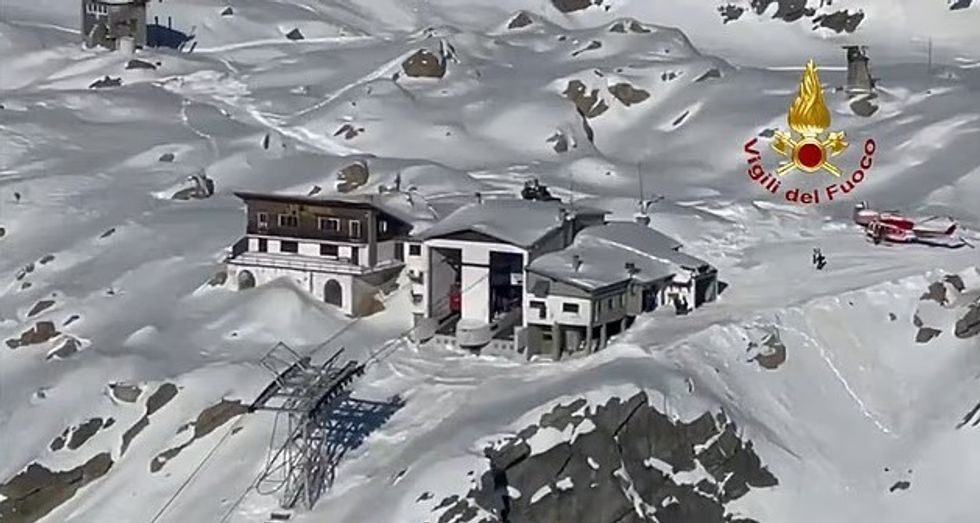
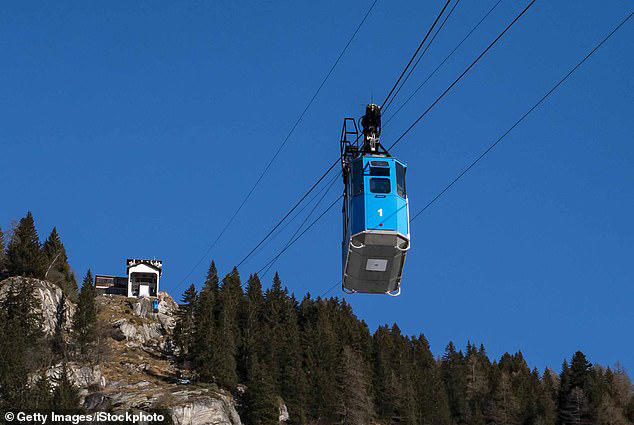
The recent cable car accident in northwest Italy reveals a profound and systemic challenge facing mountain transportation infrastructure, signaling a critical inflection point for regional tourism and safety management. On December 30, 2025, a technical malfunction at Macugnaga near the Swiss border transformed a routine mountain transit into a high-stakes emergency, stranding approximately 100 passengers at 2,800 meters altitude and injuring four individuals.
Infrastructure Vulnerability emerges as the core narrative. The incident involved a cable car recently renovated in 2023, yet still experienced a catastrophic deceleration failure. This suggests that mere infrastructure updates cannot guarantee operational safety. The three-hour helicopter rescue operation underscores the complex logistical challenges inherent in mountain emergency responses, highlighting the intricate risk landscape of alpine transportation systems.
The broader context is even more alarming. This accident represents part of a recurring pattern of cable car incidents in Italy, including previous accidents in 2021 and earlier in 2025. Such repeated failures indicate systemic rather than isolated technical problems. For tourism, transportation, and regional economic stakeholders, these incidents signal a potential existential threat. The implications extend beyond immediate safety concerns to broader questions of infrastructure investment, regulatory oversight, and long-term regional economic sustainability.
Technological and Regulatory Implications are profound. Cable car operators may now face heightened regulatory scrutiny, mandatory advanced safety technology investments, and potentially significant insurance recalibrations. The incident demands a comprehensive reevaluation of mountain transportation safety protocols, emphasizing proactive risk management over reactive emergency responses.
The strategic imperative is clear: mountain regions must transition from viewing transportation infrastructure as a static asset to a dynamic, continuously monitored system requiring ongoing technological and human expertise interventions. Failure to address these systemic vulnerabilities could dramatically undermine the economic viability of alpine tourism and transportation sectors.
問題 3
What immediate actions should mountain transportation operators consider?
Operators should conduct comprehensive safety audits, invest in advanced speed control and emergency response technologies, enhance staff training, and develop more sophisticated risk management protocols. Proactive technological and procedural upgrades are crucial to rebuilding public trust.
How might this accident impact tourism and regional economic strategies?
This incident could significantly undermine traveler confidence in mountain transportation, potentially leading to decreased tourism, increased insurance costs, and mandatory infrastructure investments. Regions will need to demonstrate robust safety improvements to maintain their economic attractiveness.