
.png?sfvrsn=bd249d6d_5)




Global E-Commerce at the Crossroads: Navigating Geopolitical Resilience and Economic Opportunity in 2025
- Emerging market dynamics reveal strategic pathways for cross-border sellers amid complex global tensions

























概览
The global economic landscape of 2025 presents a nuanced terrain of strategic opportunities and calculated risks for cross-border e-commerce sellers. At the intersection of geopolitical recalibration and economic resilience, international sellers face a complex but potentially rewarding environment.
Economic stabilization emerges as a critical theme, with the United States demonstrating remarkable adaptability. Total nonfarm employment shows modest growth, and inflation has stabilized under 3%, creating a more predictable operational ecosystem for global sellers. This economic steadiness suggests an expanding consumer spending capacity that could fuel cross-border transactions.
Geopolitical developments reveal a landscape of cautious optimism. The significant weakening of Iranian-backed terror groups and strategic interventions in critical regions hint at potentially smoother international trade environments. Reduced global tensions translate into more predictable trade routes and diminished operational risks. For e-commerce platforms, this signals an opportunity to expand logistics and payment infrastructures with greater confidence.
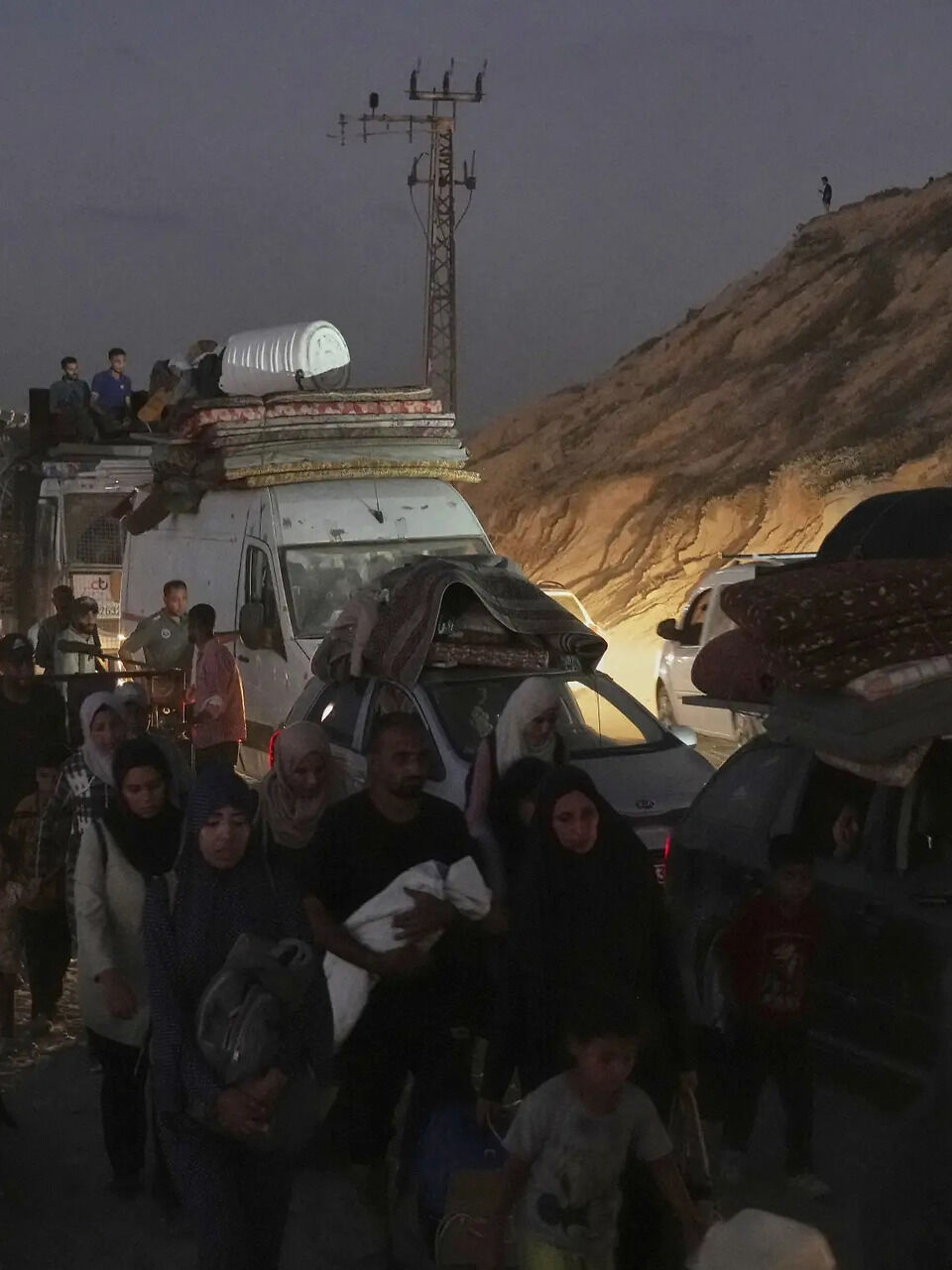
Key strategic regions like Gaza and Ukraine, despite ongoing challenges, demonstrate remarkable economic and operational resilience. These dynamics underscore a critical lesson for international sellers: adaptability is not just an advantage but a fundamental survival strategy. The ability to navigate complex geopolitical landscapes while maintaining operational efficiency becomes a competitive differentiator.
The macroeconomic context provides a backdrop of measured optimism. Reduced inflationary pressures, employment growth, and strategic geopolitical interventions suggest a potentially favorable environment for cross-border trade. E-commerce sellers must view these developments not as static conditions but as dynamic opportunities for strategic positioning and market expansion.
Ultimately, the 2025 landscape demands a sophisticated approach—one that balances risk assessment with opportunistic market entry, leveraging economic stability and geopolitical shifts to create robust, adaptable international selling strategies.
問題 3
How do geopolitical tensions impact cross-border e-commerce opportunities in 2025?
Geopolitical tensions create both challenges and opportunities. While conflicts in regions like Gaza and Ukraine introduce operational complexities, the overall trend shows reduced global tensions, potentially enabling smoother trade routes, more stable logistics, and improved payment infrastructures for international sellers.
What economic indicators should e-commerce sellers monitor in 2025?
Key indicators include inflation rates (currently stabilizing under 3%), employment growth, consumer spending capacity, and geopolitical stability indices. These metrics provide insights into market potential, consumer behavior, and the feasibility of cross-border expansion strategies.