



Geopolitical Disruption: Ukraine Conflict's Escalating Infrastructure Warfare
- Strategic Drone Attacks Reshape Cross-Border Business Risk Management




















概览
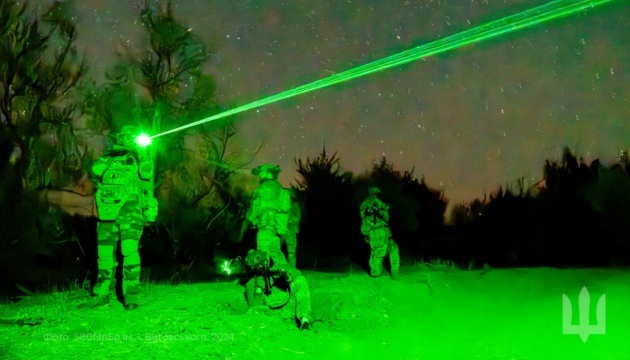
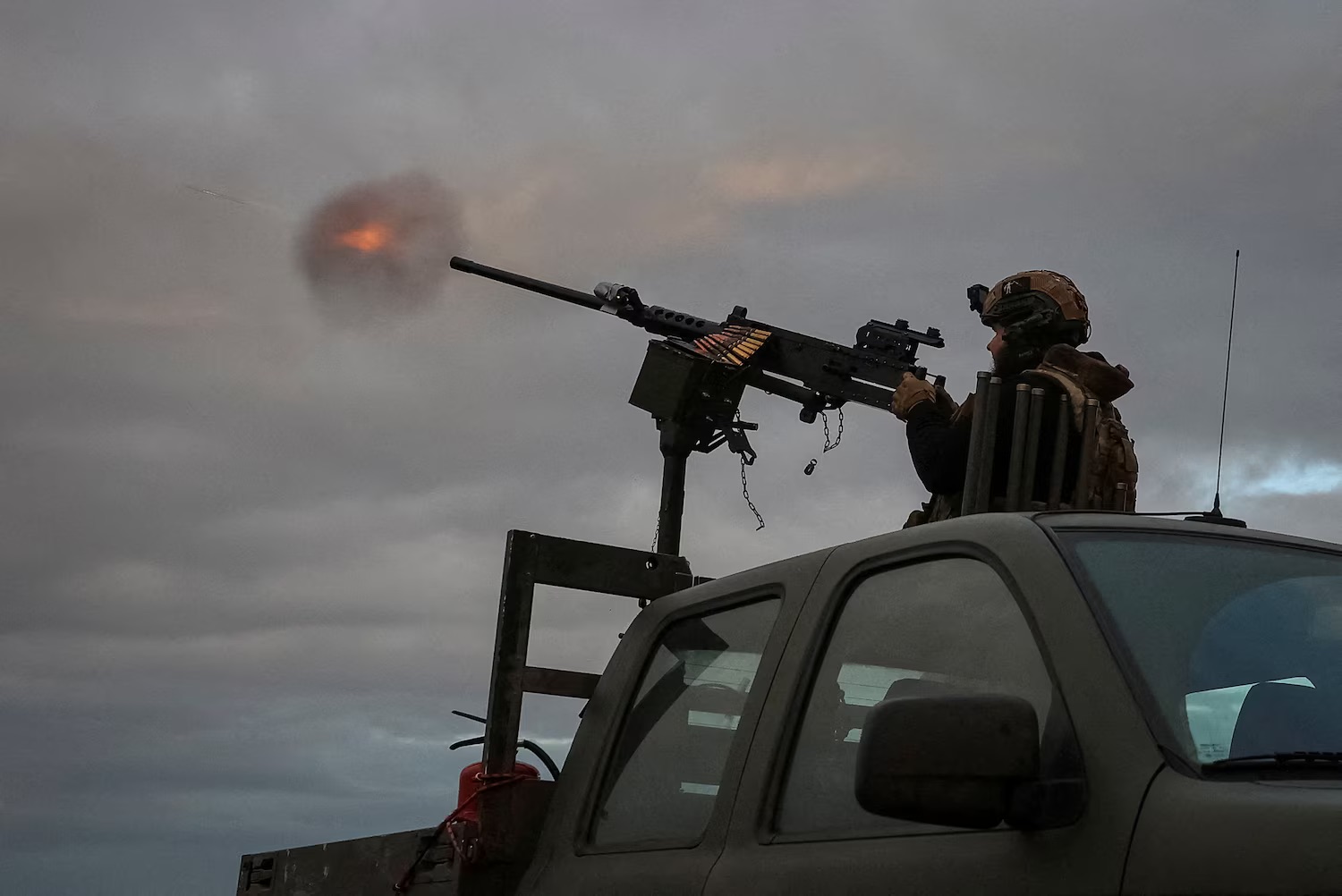
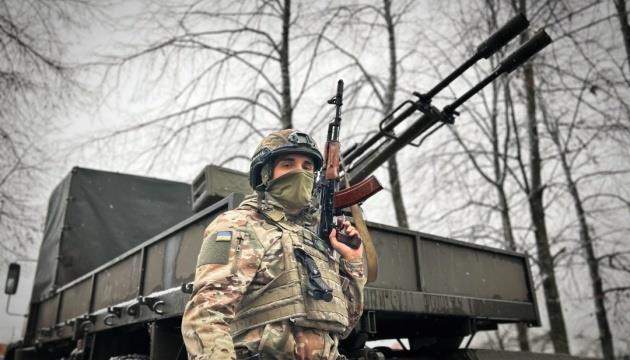
The Ukrainian conflict has entered a critical phase of infrastructure-targeted warfare, signaling profound implications for international business operations. On December 30-31, 2025, a series of strategic drone attacks revealed a sophisticated escalation in regional tensions, with targeted infrastructure disruptions becoming a primary geopolitical instrument.
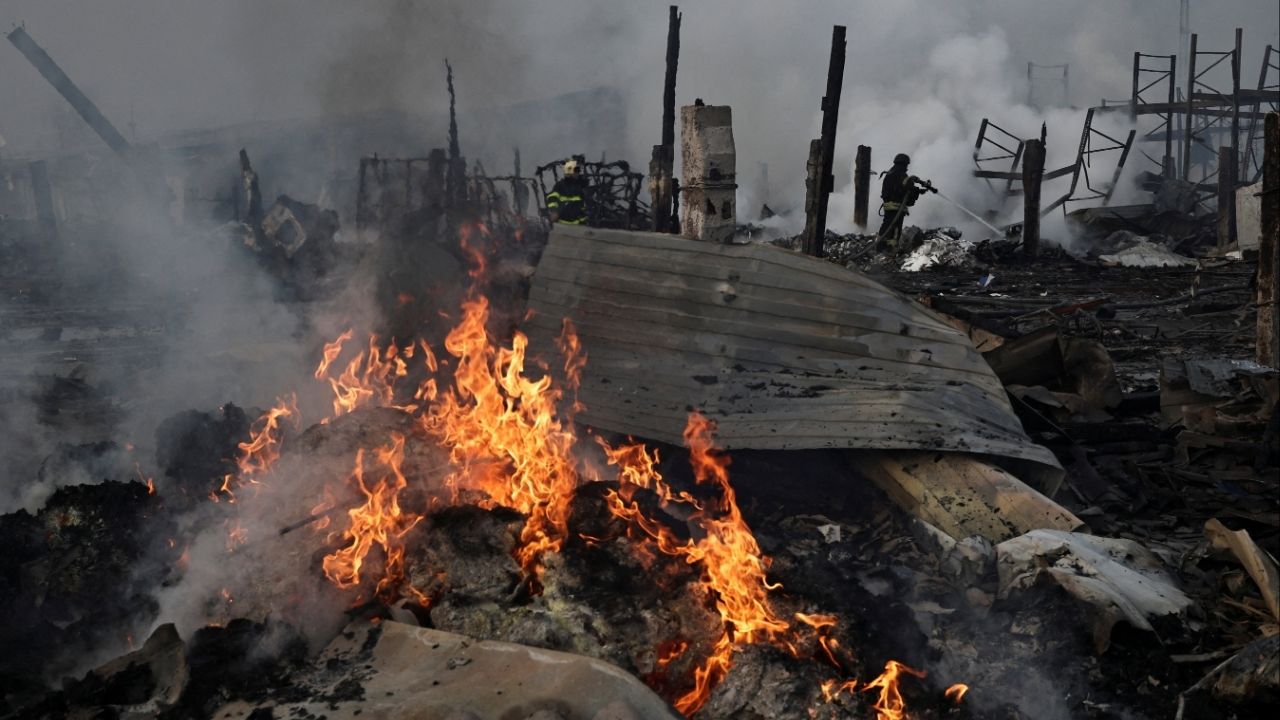
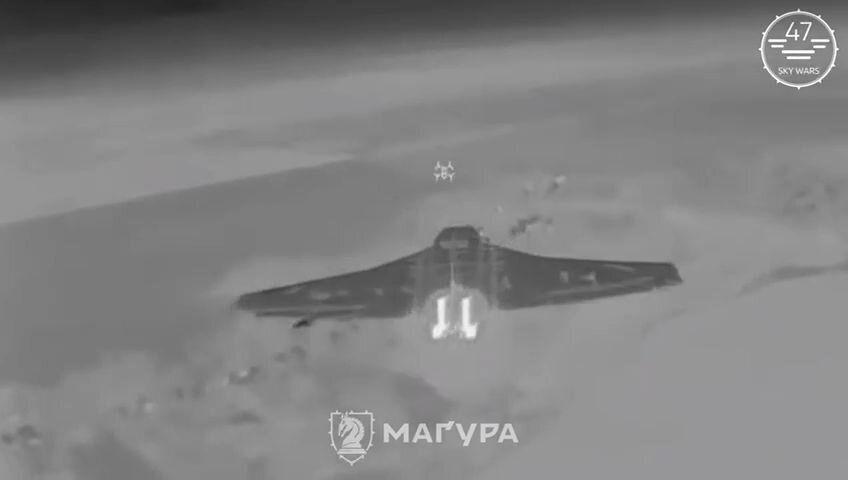
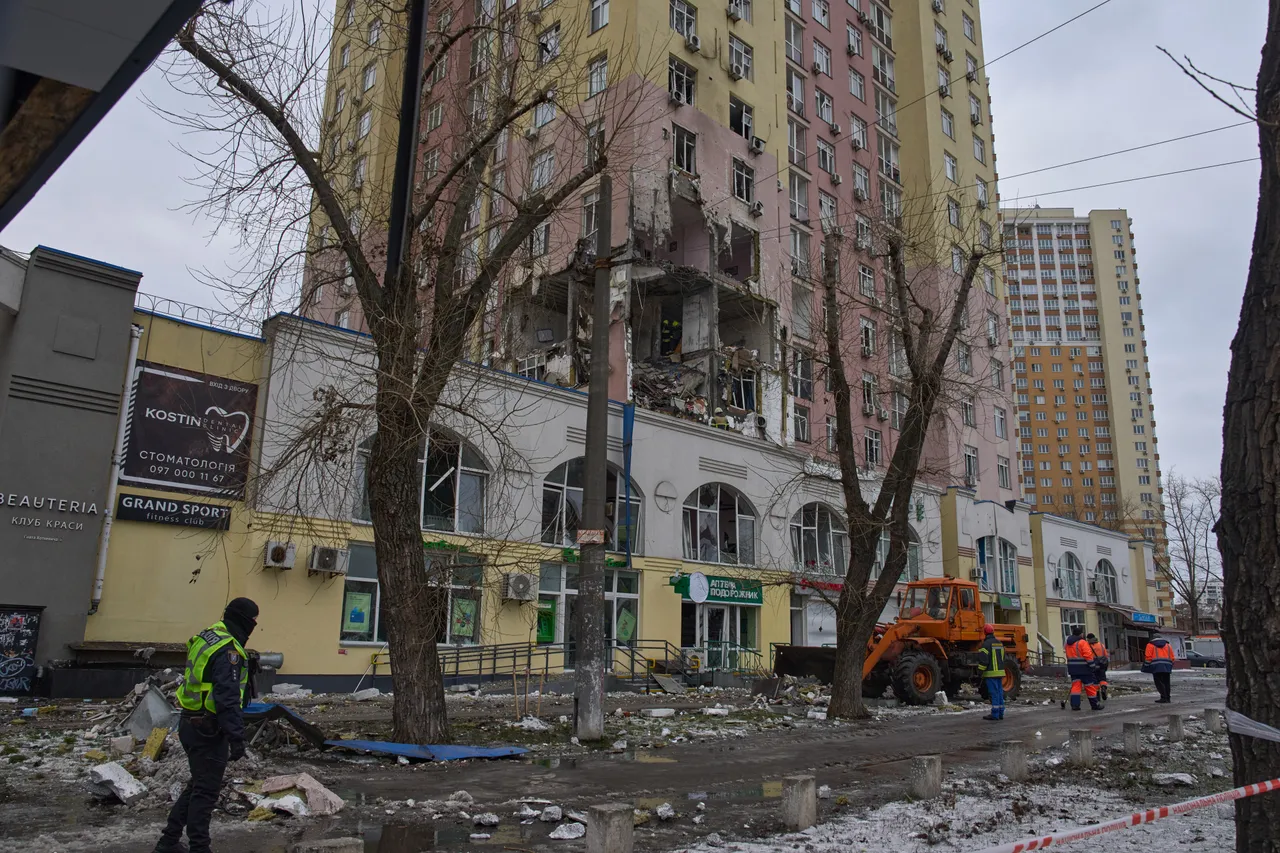
Drone-Based Strategic Targeting emerges as a pivotal new dimension of conflict. Ukraine's precision strike on a fuel depot in Rybinsk, approximately 270 kilometers north of Moscow, demonstrates a calculated approach to disrupting critical logistics infrastructure. Simultaneously, the Moscow region experienced a massive blackout affecting 600,000 subscribers, highlighting the vulnerability of regional electrical grids to coordinated attacks.
The geopolitical landscape is increasingly characterized by asymmetric warfare tactics that directly impact commercial ecosystems. European and Canadian diplomatic efforts are intensifying, with a virtual meeting involving EU, NATO, and Canadian leaders exploring potential settlement strategies. European Commission President Ursula von der Leyen's emphasis on Ukraine's potential EU accession signals a long-term commitment to regional stability and economic reconstruction.
For cross-border businesses, these developments underscore the critical need for adaptive risk management strategies. The conflict zone now represents a complex operational environment where infrastructure resilience becomes a key competitive advantage. Companies must develop robust contingency plans, including:
- Alternative communication channels
- Decentralized power solutions
- Flexible logistics strategies capable of rapid operational pivots
The international community remains deeply divided, with EU diplomat Kaja Kallas characterizing Russian claims about drone attacks as a "deliberate distraction" from peace negotiations. This fragmentation creates an unprecedented level of uncertainty for global e-commerce enterprises operating in or near conflict regions.
Ultimately, these events signal a transformative moment in geopolitical and commercial risk assessment. Businesses must now view infrastructure vulnerability as a core strategic consideration, moving beyond traditional geographic risk models to a more dynamic, adaptive approach to international market engagement.
問題 3
What risks do cross-border businesses face in conflict zones?
Businesses must now consider infrastructure vulnerability as a primary risk factor. This includes potential disruptions to power grids, communication networks, and logistics channels. Companies need adaptive strategies like decentralized power solutions, alternative communication channels, and flexible supply chain models to maintain operational continuity.
How are diplomatic efforts addressing the ongoing conflict?
European and Canadian officials are intensifying coordination through virtual diplomatic meetings, exploring settlement strategies. The European Commission's focus on Ukraine's potential EU accession signals a long-term commitment to regional stability and economic reconstruction, suggesting a diplomatic approach that combines political integration with economic support.