


)
China's Strategic Pivot: Technological Self-Reliance and Geopolitical Assertiveness Reshape Global Market Dynamics
- Emerging technological innovation and geopolitical tensions create complex landscape for international businesses



)













概览
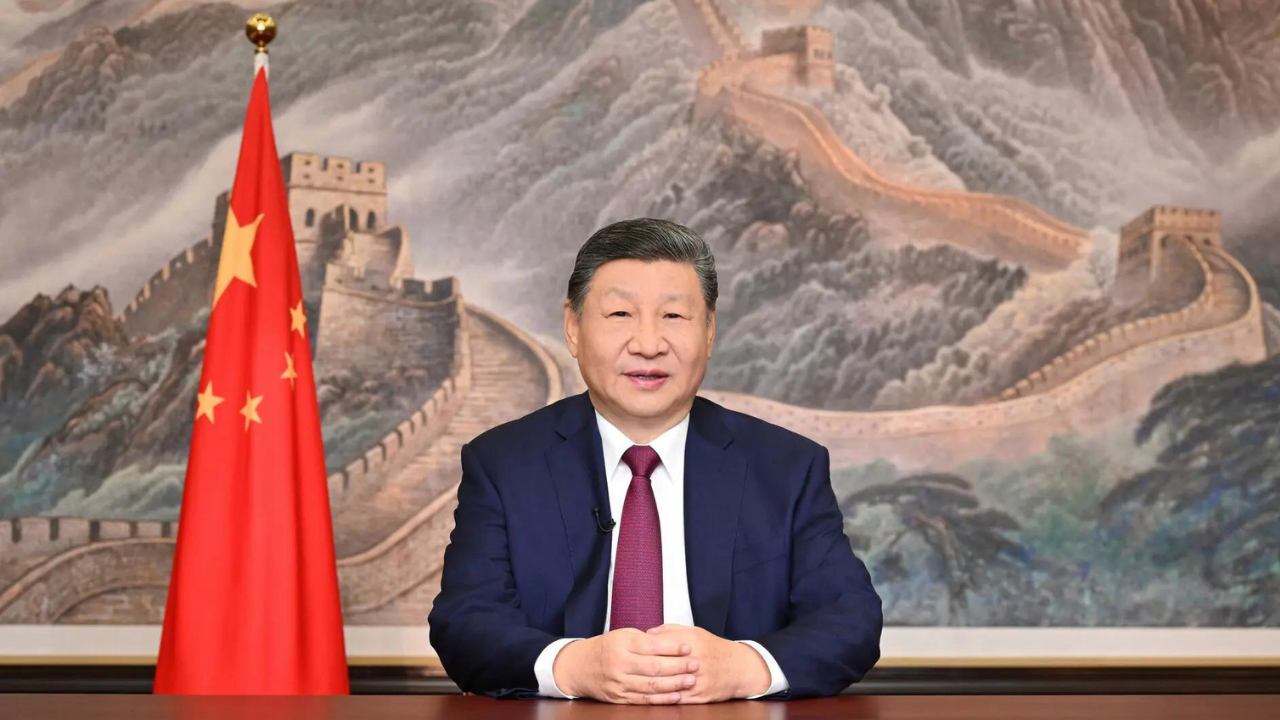
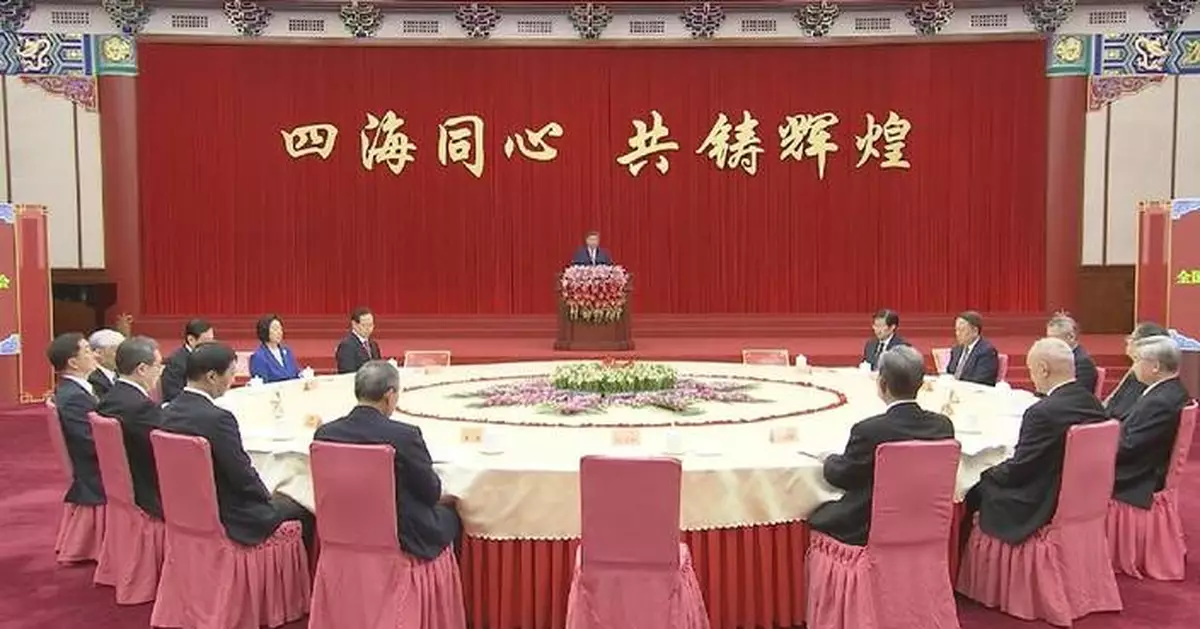
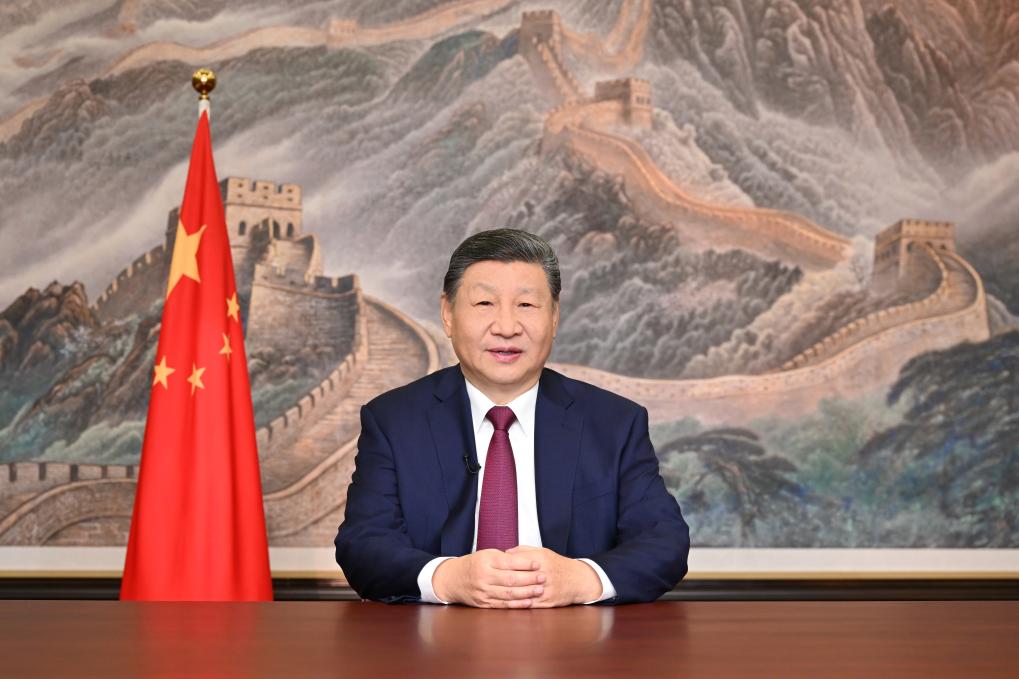
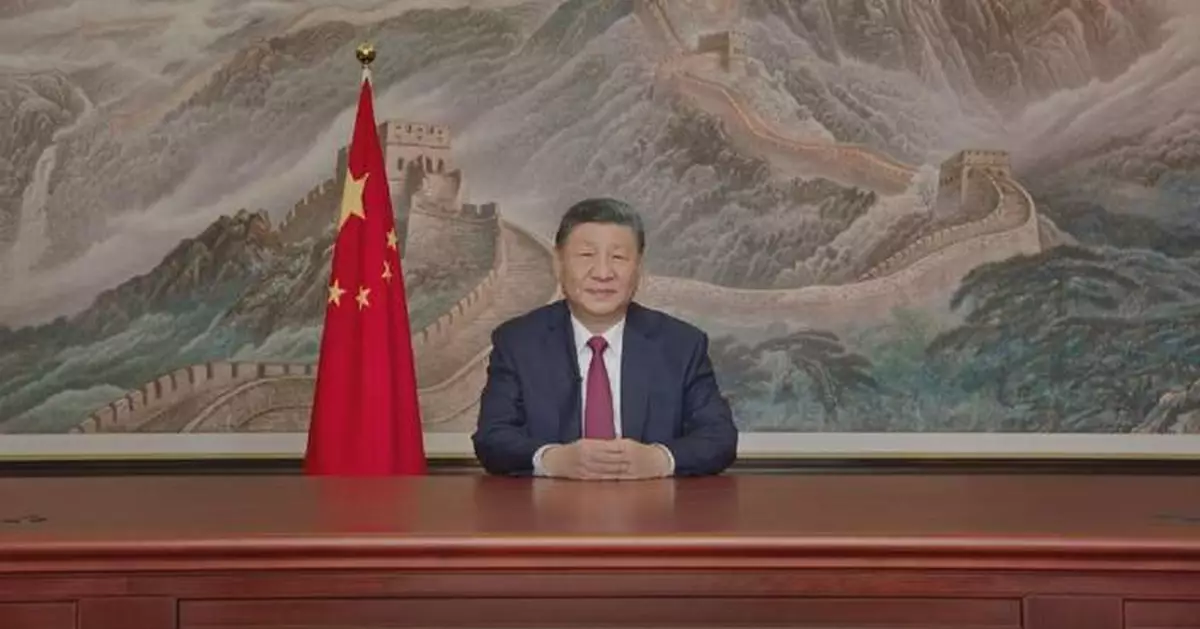
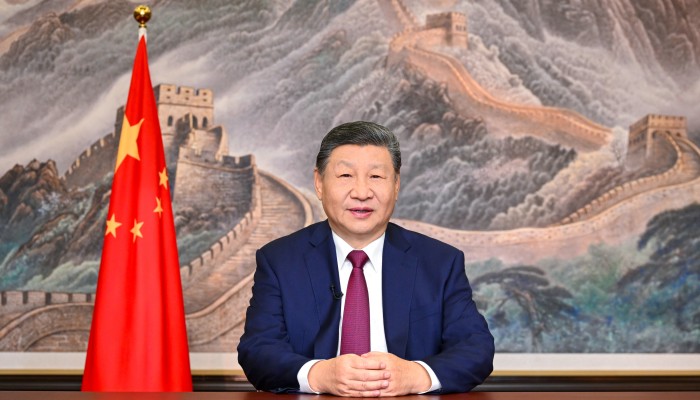
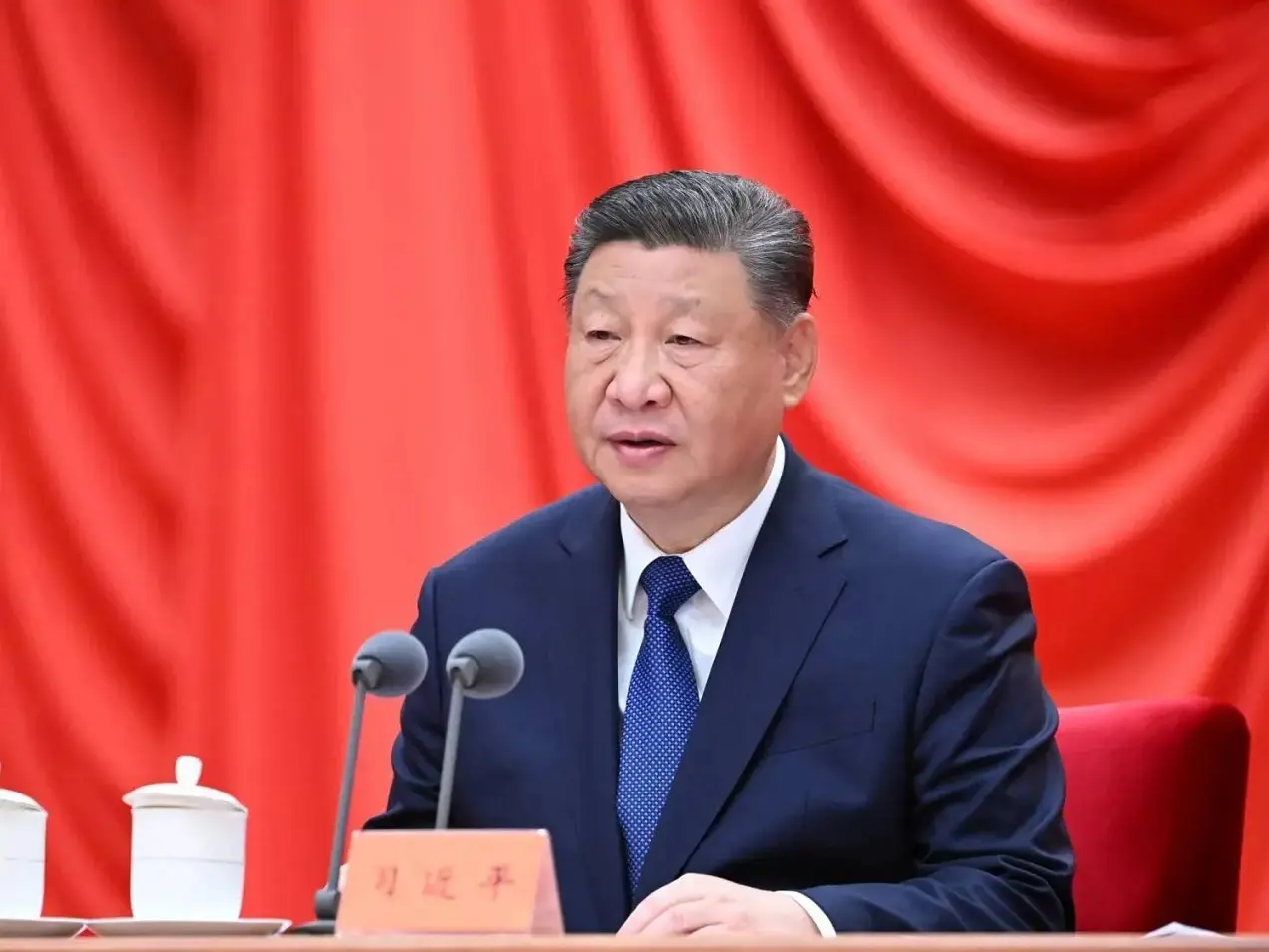
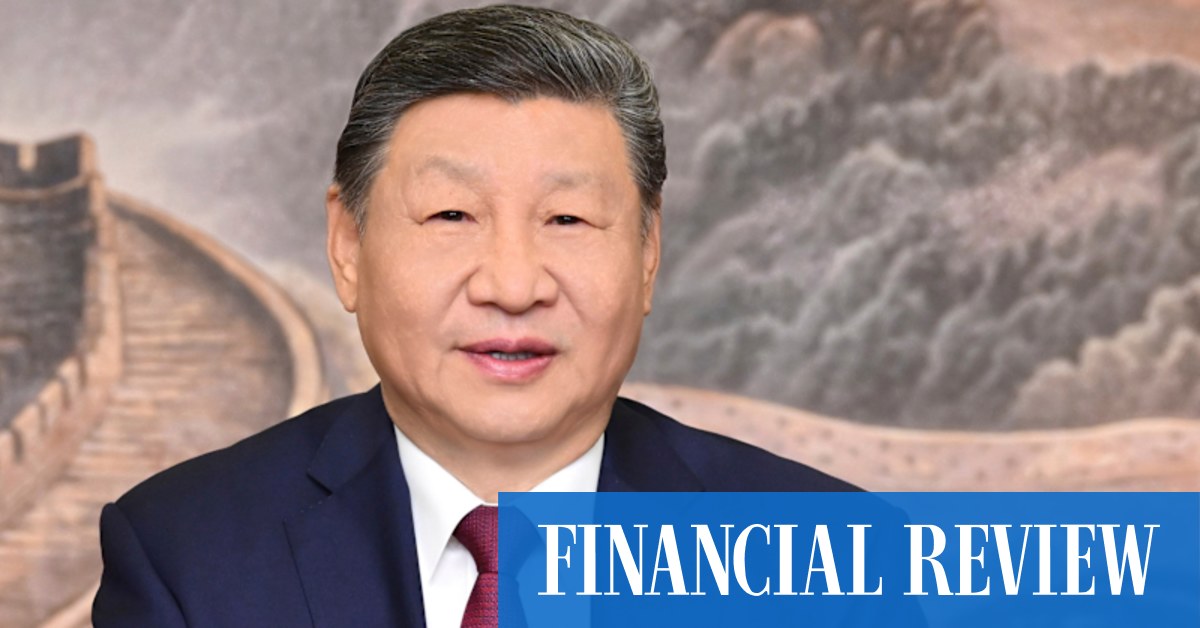
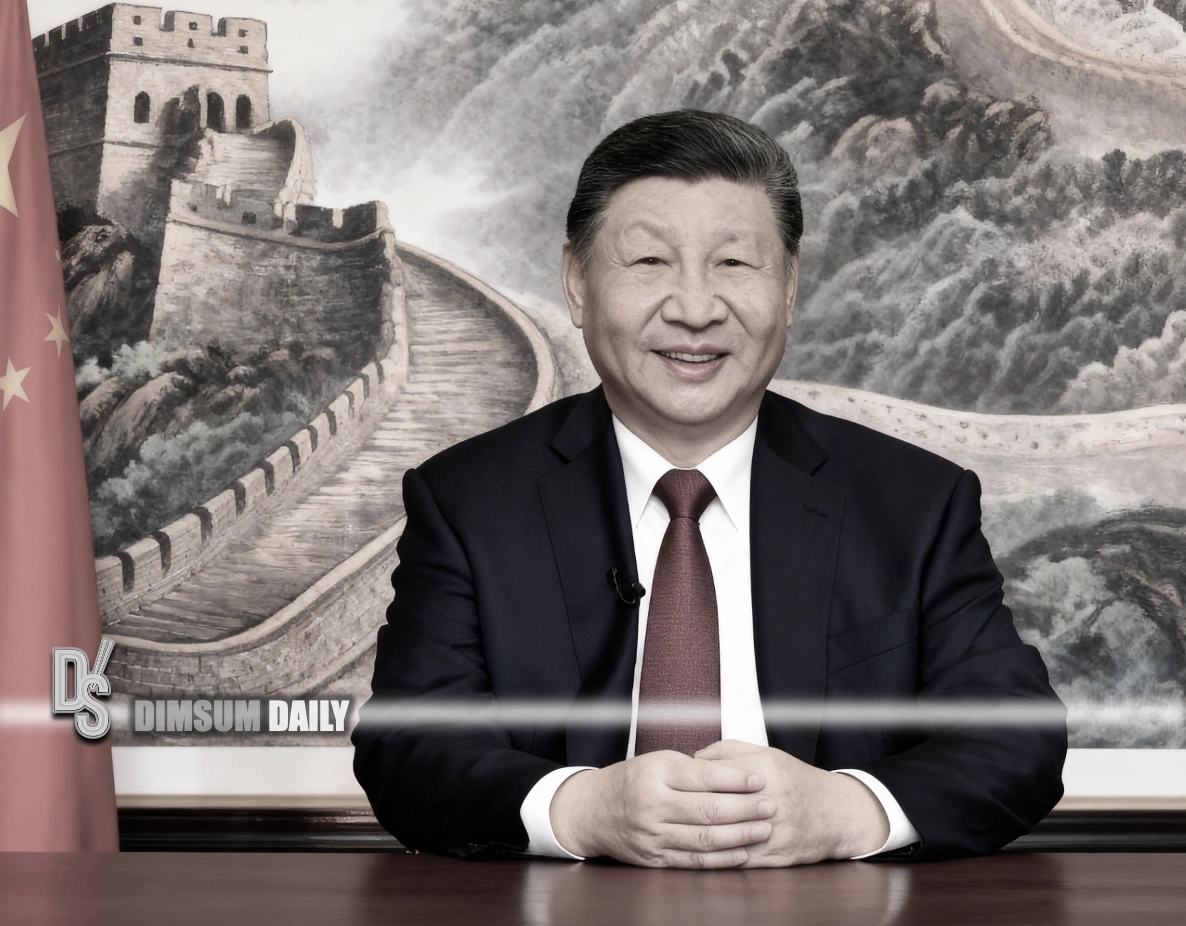
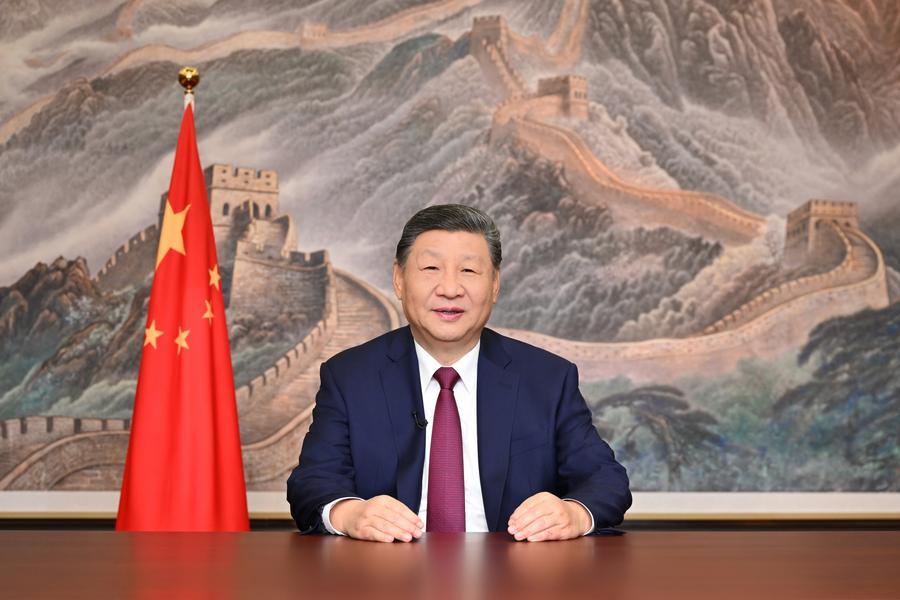
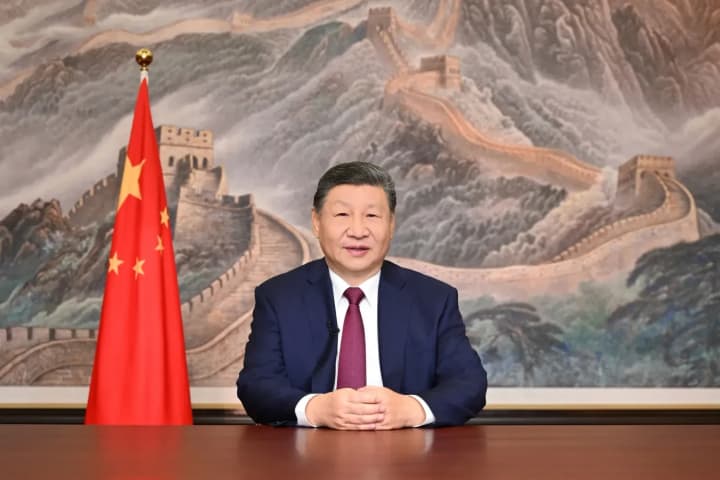
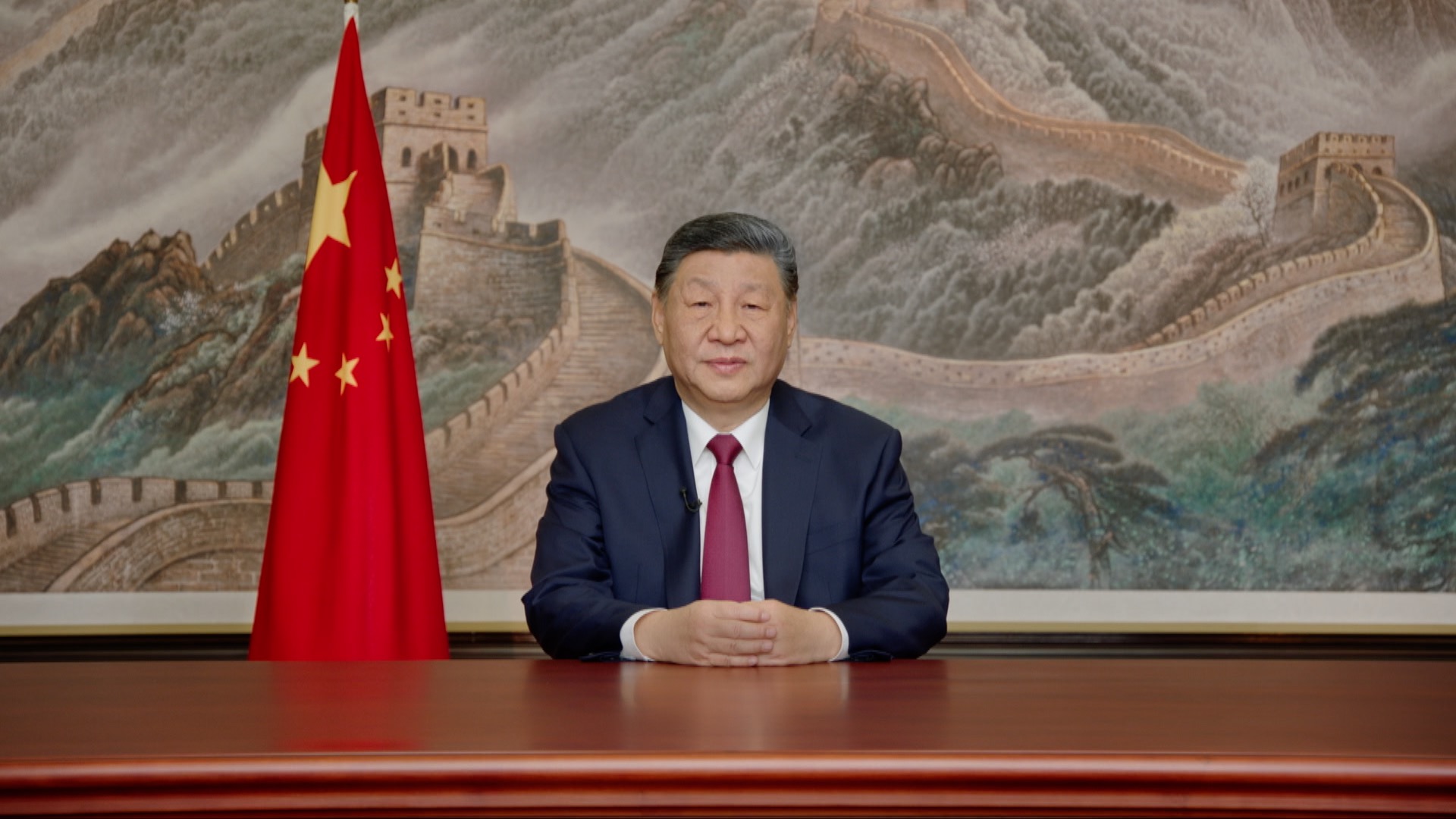
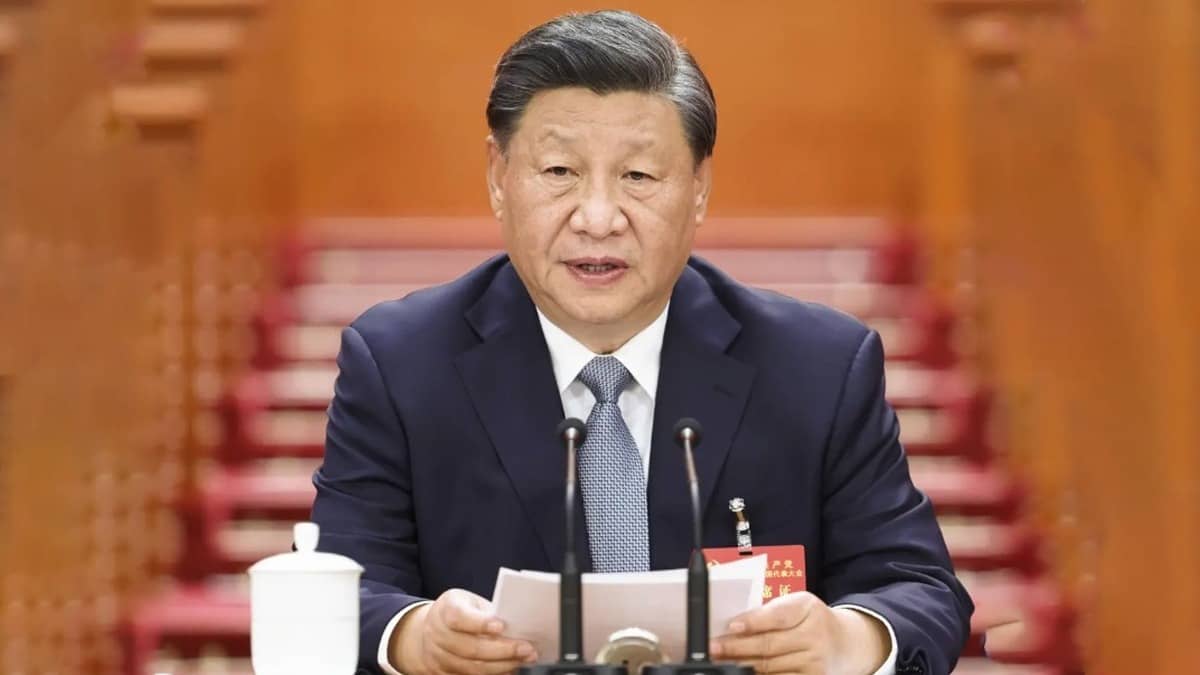
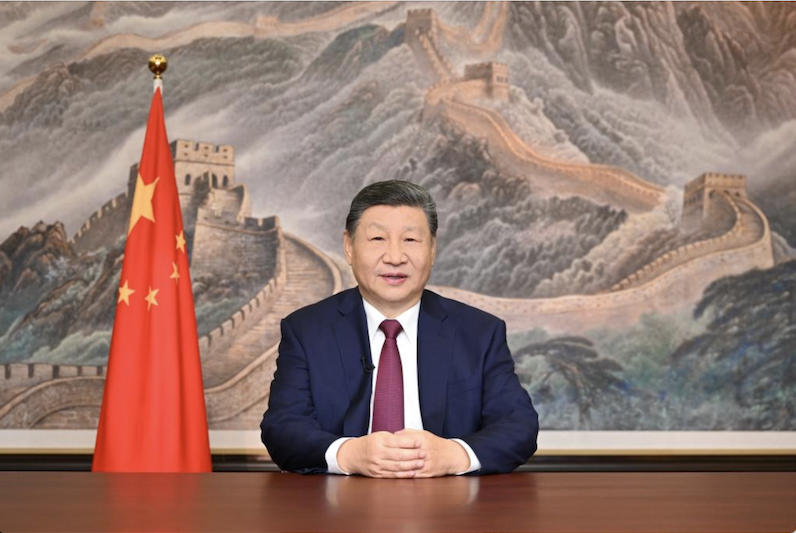
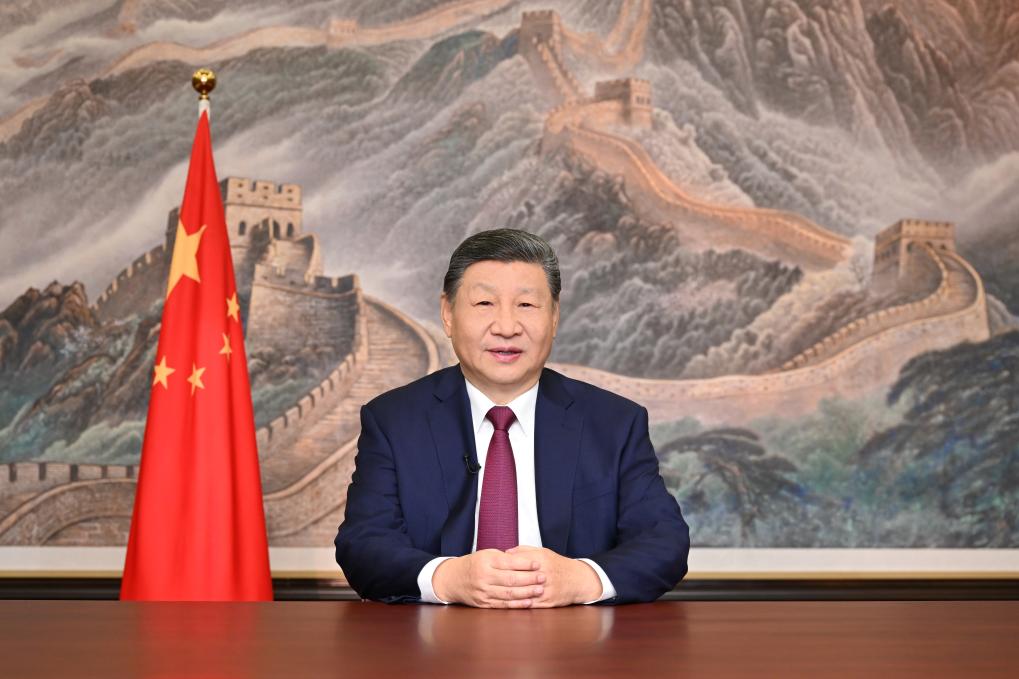
China's strategic vision is undergoing a profound transformation, characterized by an unprecedented convergence of technological ambition and geopolitical assertiveness. President Xi Jinping's New Year addresses reveal a comprehensive national strategy that goes far beyond traditional economic development, positioning China as a global technological and geopolitical powerhouse.
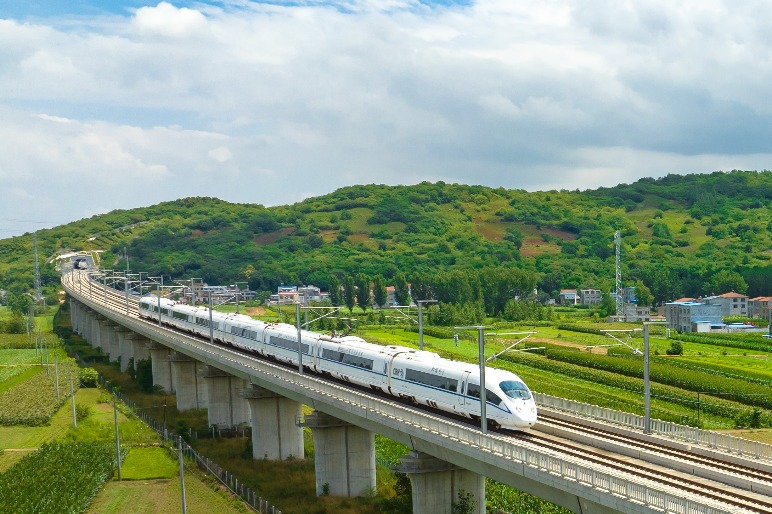
The cornerstone of this strategy is technological self-sufficiency, with a remarkable projected economic output of RMB 140 trillion yuan signaling massive investment in critical innovation sectors. Key focus areas include artificial intelligence, semiconductor development, aerospace technology, and advanced robotics. This isn't merely an economic initiative, but a deliberate effort to reduce technological dependence on foreign markets and establish domestic technological supremacy.
Simultaneously, China is coupling technological advancement with geopolitical pressure, most notably through its unequivocal stance on Taiwan reunification. The 'Justice Mission 2025' military exercises, involving 89 warplanes and simulating comprehensive port blockades, demonstrate a multi-dimensional approach to national strategic objectives. These military demonstrations, occurring in close proximity to Taiwan's borders, represent more than traditional military posturing—they are a clear signal of China's intent to reshape regional dynamics.
For international businesses, this presents a complex operational landscape. The convergence of technological innovation, regulatory sophistication, and geopolitical tension creates both significant challenges and unprecedented opportunities. Cross-border e-commerce sellers must navigate an environment of increased regulatory scrutiny, rapidly evolving technological requirements, and nuanced geopolitical considerations.
The strategic implications are profound: China is not just developing technologies, but creating an integrated ecosystem of innovation, cultural soft power, and geopolitical influence. The Global Governance Initiative and commitment to open economic policies suggest a calculated approach to international engagement, balancing assertive national objectives with strategic global positioning.
問題 3
How will China's technological self-sufficiency strategy impact international businesses?
Businesses must adapt to increased domestic technological capabilities, potential regulatory complexities, and a more sophisticated Chinese market. This means developing nuanced market entry strategies that align with China's innovation ecosystem and demonstrate technological compatibility.
What are the key technological sectors China is prioritizing?
China is focusing intensely on artificial intelligence, semiconductor development, aerospace technology, robotics, and digital platforms. These sectors represent strategic national priorities aimed at reducing foreign technological dependencies and establishing global technological leadership.