





Turkey's Counter-Terrorism Crackdown Reveals Complex Regional Security Dynamics
- Strategic counter-extremism operations reshape geopolitical risk landscape for regional stakeholders




概览
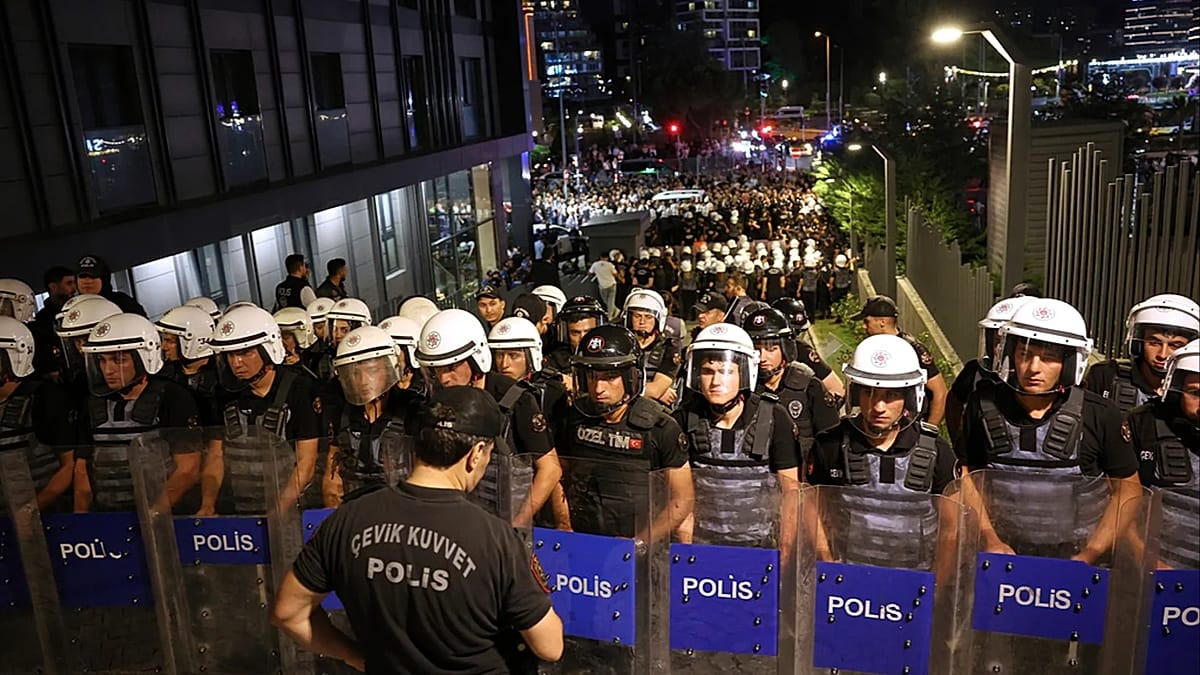
Counter-terrorism operations in Turkey represent a sophisticated, multi-layered strategic response to persistent regional security challenges. On December 31, 2025, Turkish authorities conducted a massive nationwide raid targeting Islamic State (ISIL) suspects, detaining 125 individuals across 25 provinces and signaling an unprecedented level of proactive security intervention.
Strategic Intelligence Coordination emerges as the critical driver behind these operations. The raids were not random but meticulously planned, stemming from intelligence suggesting potential attacks against non-Muslims during the holiday period. This approach mirrors the Turkish government's evolving counter-terrorism doctrine: preemptive intervention based on granular, actionable intelligence. The operation's timing and scale demonstrate a calculated approach to neutralizing potential threats before they materialize.
The geopolitical context is equally nuanced. With a 900-kilometer border shared with Syria and ongoing regional instability, Turkey faces complex security challenges. While ISIL's territorial control has significantly diminished, the group maintains dangerous sleeper cell capabilities. The United States' concurrent military strikes in Syria—killing or capturing approximately 25 ISIL fighters—underscore the transnational nature of this security challenge.
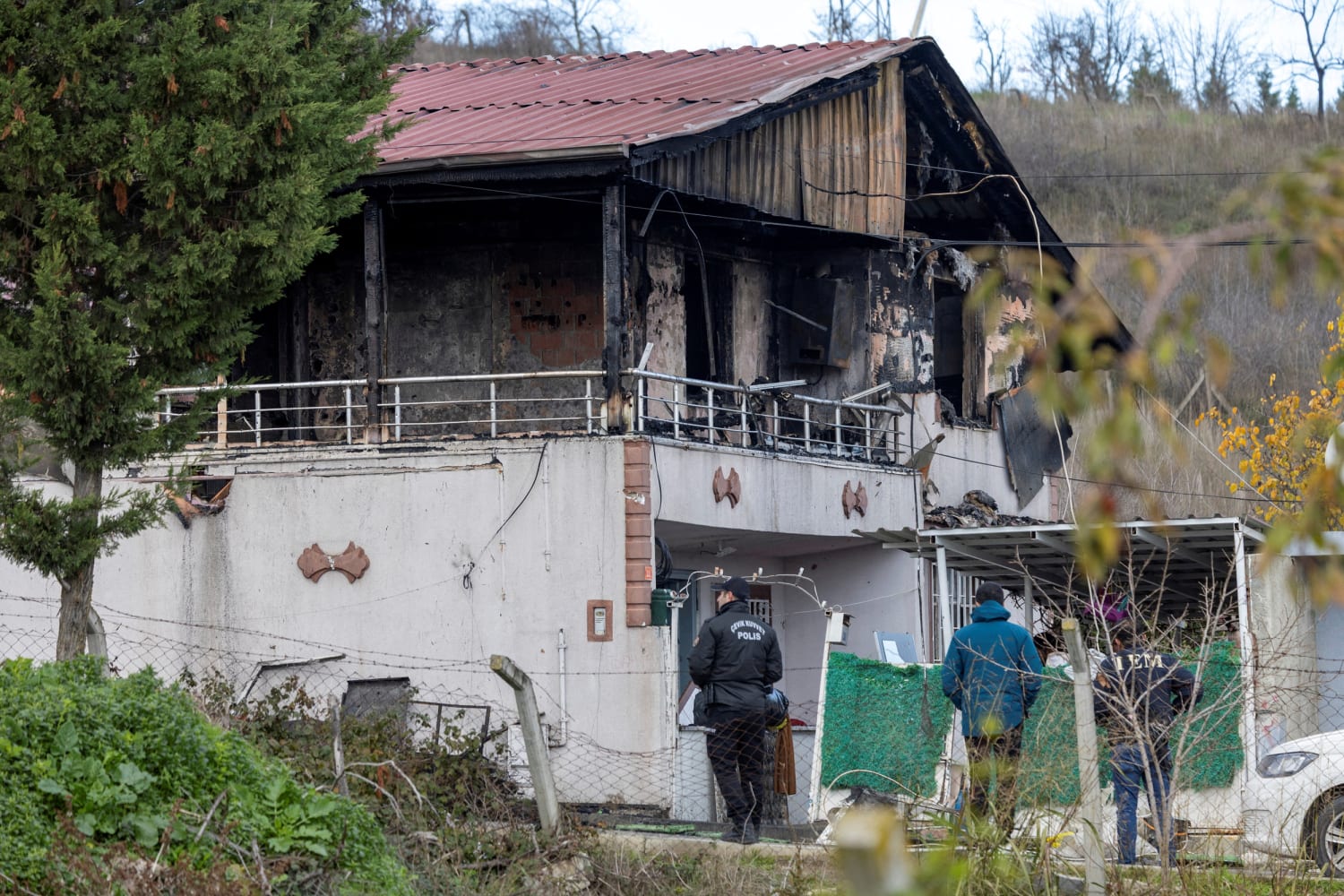
These operations reveal a critical insight: modern counter-terrorism is less about massive military campaigns and more about precision, intelligence, and rapid interdiction. The Turkish government's approach suggests a shift from reactive to proactive security strategies. By conducting three major operations in less than a week, authorities are sending a clear message about their commitment to dismantling extremist networks systematically.
The broader implications extend beyond immediate security concerns. These coordinated raids represent a sophisticated state response to asymmetric threats, demonstrating how intelligence-driven law enforcement can effectively combat decentralized terrorist networks. For regional stakeholders, the message is clear: comprehensive, data-driven security strategies are becoming the new standard in managing complex geopolitical risks.
問題 3
What makes these Turkish counter-terrorism operations unique?
Unlike traditional military approaches, these operations demonstrate a precision-driven, intelligence-based strategy. By targeting 125 suspects across 25 provinces and conducting three major operations in one week, Turkey shows a proactive, systematic approach to dismantling terrorist networks before they can act.
How do these raids impact regional security dynamics?
The operations signal a sophisticated shift in counter-terrorism strategy, emphasizing intelligence coordination and preemptive intervention. They demonstrate Turkey's commitment to addressing security threats systematically, potentially influencing how other regional states approach similar challenges.