

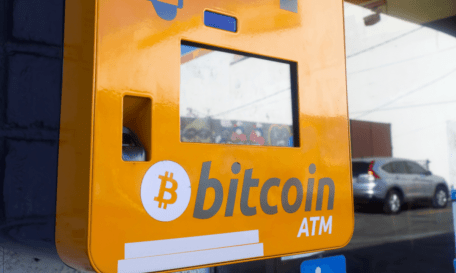



Cryptocurrency ATM Scams: The $333 Million Digital Fraud Epidemic Threatening Financial Ecosystems
- Emerging regulatory crackdown exposes critical vulnerabilities in cryptocurrency transaction infrastructure



















概览
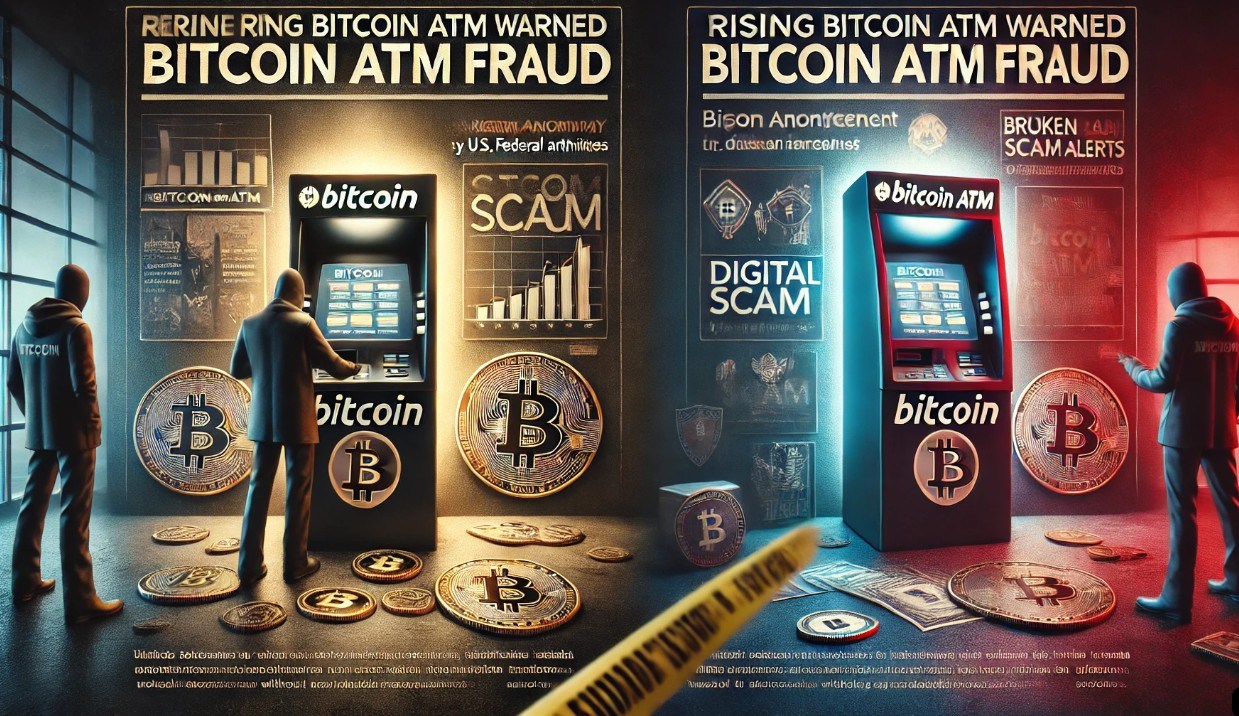
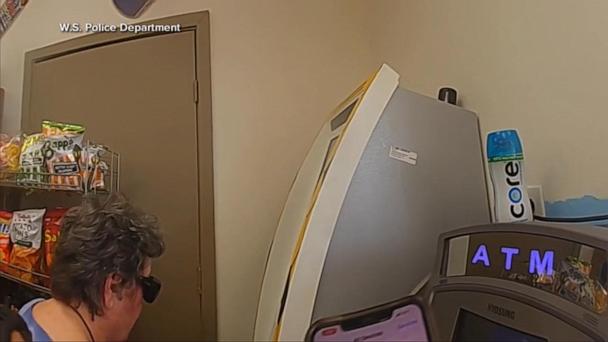
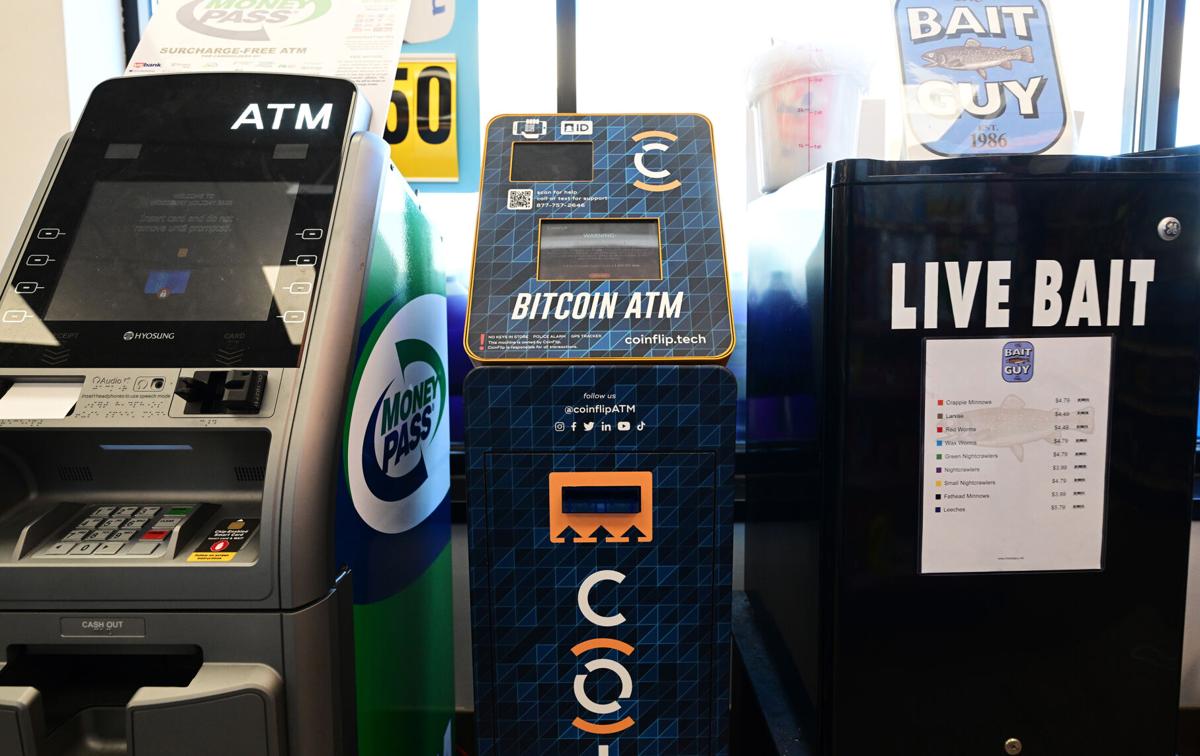
The cryptocurrency ecosystem is experiencing a catastrophic surge in digital fraud that threatens the fundamental trust in alternative financial technologies. In 2025, bitcoin ATM scams have escalated to a staggering $333.5 million in losses, representing a dramatic 33% increase from the previous year, with over 45,000 cryptocurrency kiosks nationwide becoming potential vectors for sophisticated criminal networks.
Regulatory responses are rapidly evolving to combat this emerging threat. Seventeen states have already implemented targeted legislation to control bitcoin ATM operations, signaling a coordinated governmental approach to mitigate risks. The Washington, D.C. attorney general's lawsuit against Athena Bitcoin—alleging the company profits from fraudulent transactions—represents a pivotal moment in holding cryptocurrency infrastructure providers accountable.
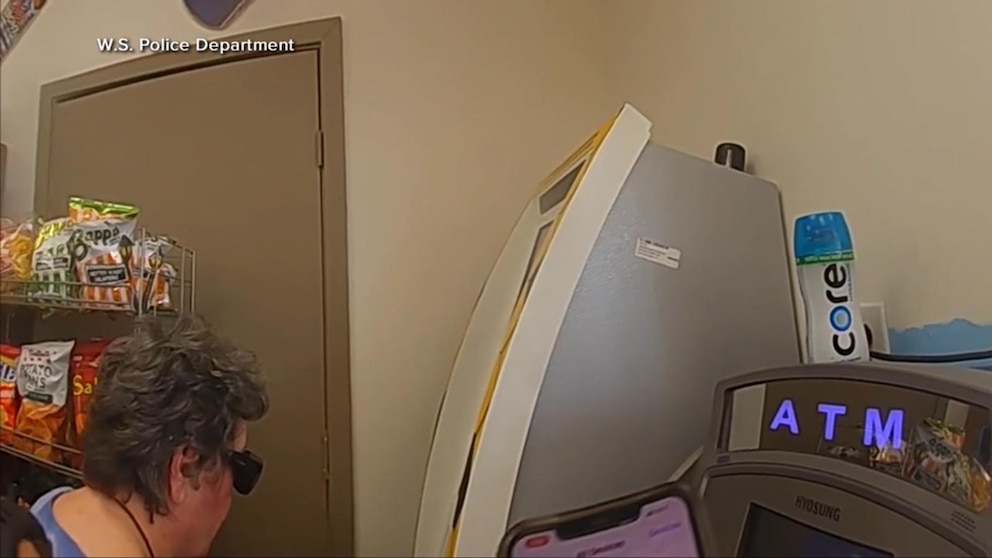
The scam landscape reveals a disturbing targeting strategy, with criminals systematically exploiting vulnerable populations. The median victim age of 71 highlights a predatory approach that leverages technological complexity and senior citizens' potential unfamiliarity with digital financial platforms. Scammers have transformed cryptocurrency ATMs into sophisticated fraud machines, using tactics ranging from impersonating government authorities to strategically timing attacks during bank system outages.
For cross-border e-commerce sellers and financial technology professionals, these developments demand immediate strategic recalibration. The cryptocurrency transaction ecosystem is no longer just a technological challenge but a critical risk management domain. Businesses must now integrate robust verification processes, implement advanced fraud prevention mechanisms, and develop comprehensive consumer education strategies.
The emerging regulatory landscape suggests a fundamental transformation is underway. Local governments are not just responding reactively but proactively reshaping the cryptocurrency infrastructure. Minnesota's comprehensive investigation, which includes public surveys and potential ATM bans in cities like St. Paul and Stillwater, represents a template for systematic risk mitigation that could be replicated nationwide.
Ultimately, the $333 million in bitcoin ATM scams is more than a financial statistic—it's a clarion call for a comprehensive reimagining of digital financial security, demanding collaboration between technology providers, regulators, and financial institutions to restore trust in emerging payment technologies.
問題 4
What strategies should cross-border e-commerce sellers adopt to mitigate cryptocurrency transaction risks?
Sellers should implement robust verification processes, develop advanced fraud prevention mechanisms, create comprehensive consumer education strategies, and stay informed about evolving local regulations. Continuous monitoring of transaction patterns and proactive risk management are crucial.
Who are the primary targets of these cryptocurrency ATM scams?
The median victim is 71 years old, indicating that seniors are being systematically targeted. Scammers exploit technological complexity and potential unfamiliarity with digital financial platforms, using sophisticated tactics like government authority impersonation.