





Treasury Yield Dynamics Reveal Complex Economic Recalibration for 2025
- Macroeconomic Signals Reshape Cross-Border Financial Strategies for Global Sellers








概览
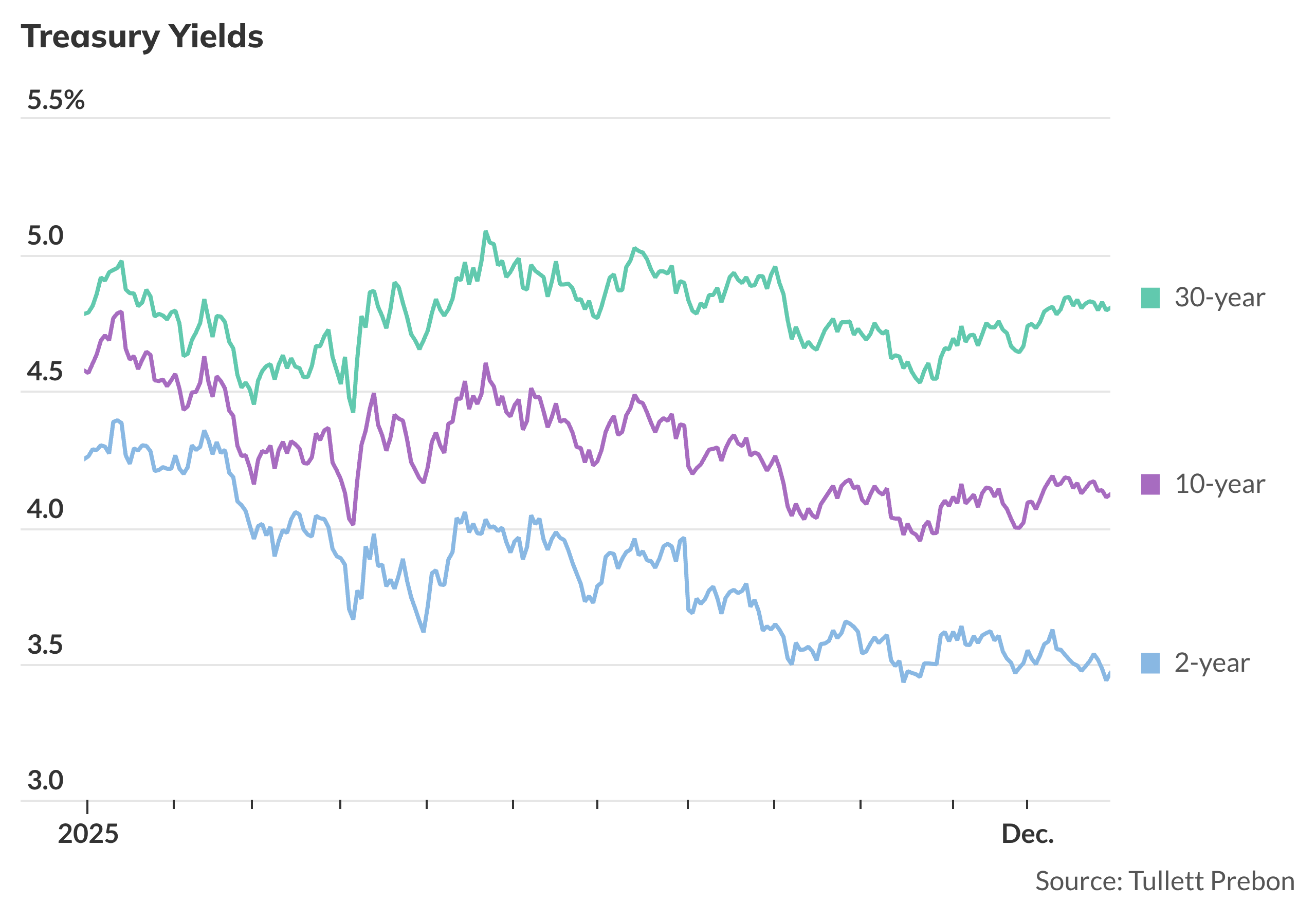
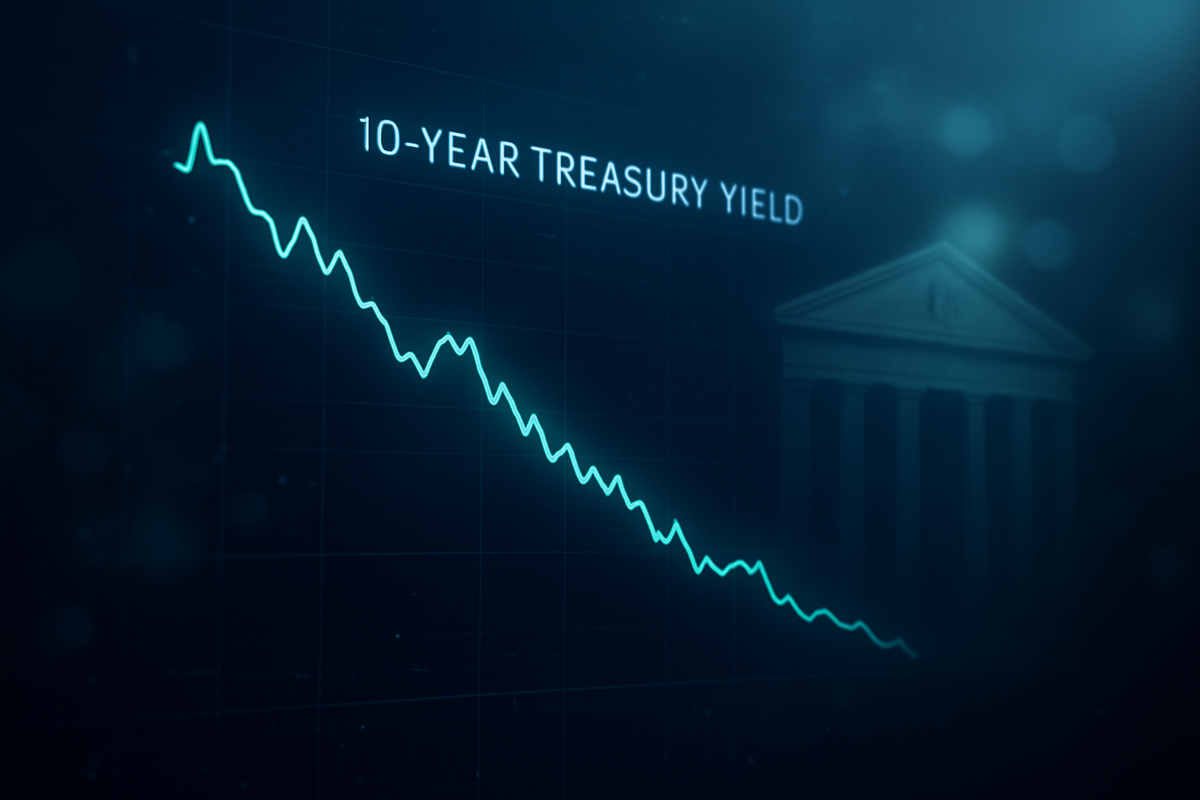
The U.S. Treasury market is navigating a nuanced economic landscape in 2025, characterized by strategic volatility and measured monetary policy adjustments. With the 10-year Treasury yield closing the year at 4.159%, financial markets are signaling a complex recalibration that demands sophisticated strategic responses from global businesses.
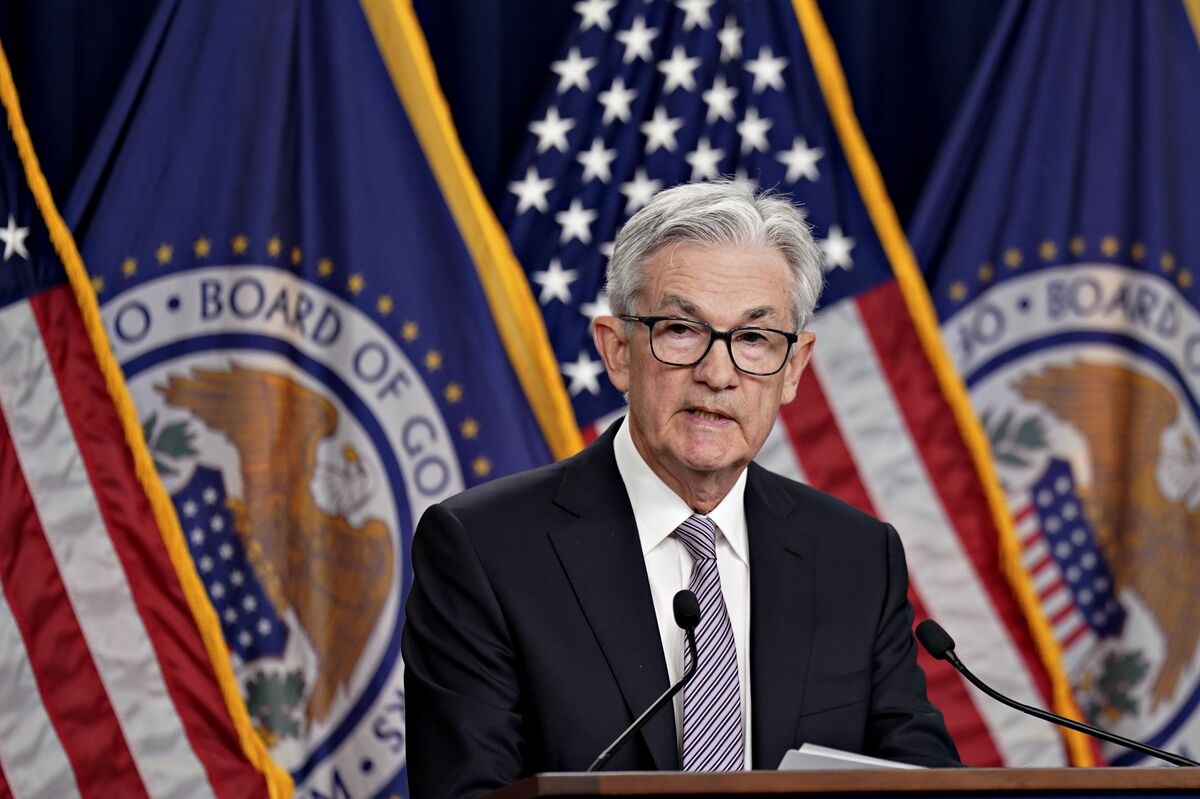
Federal Reserve policy emerges as a critical driver of market dynamics. The year's bond market performance demonstrated significant fluctuations, with yields oscillating between 4.045% and 4.159%, reflecting the Fed's cautious approach to potential rate cuts. Economic experts like Christopher Rupkey highlight an unexpected labor market stability that defies previous economic disruption predictions. This resilience suggests a more robust economic foundation than many analysts initially anticipated.
Cross-border e-commerce sellers face a particularly intricate financial environment. Treasury yield fluctuations directly impact currency exchange rates, international transaction costs, and overall market sentiment. The marginal changes in yields—sometimes dropping to 4.112%—indicate investor uncertainty and a measured approach to financial assessments. For global businesses, this translates into an imperative to maintain highly flexible financial strategies that can rapidly adapt to subtle economic shifts.
The macroeconomic indicators, including jobless claims data showing 199,000 initial claims, suggest a labor market that continues to demonstrate unexpected strength. This resilience creates a counterintuitive backdrop for financial planning: while economic volatility exists, fundamental economic structures remain surprisingly stable. Sellers must therefore develop financial strategies that can navigate both potential disruption and underlying economic robustness.
Strategic implications are clear: businesses must develop sophisticated, data-driven financial approaches that can quickly respond to nuanced economic signals. The ability to interpret Treasury yield movements as leading indicators—rather than just financial metrics—will separate adaptive organizations from those caught unprepared by market shifts.
問題 3
What does the current labor market stability mean for global business strategies?
The unexpected resilience of the labor market, with 199,000 initial jobless claims, suggests that businesses should maintain cautiously optimistic strategies. This stability provides a more predictable foundation for long-term planning, despite ongoing economic uncertainties.
How should businesses interpret the Federal Reserve's approach to potential rate cuts?
The Fed's cautious discussions about rate cuts indicate a measured approach to monetary policy. Businesses should view this as a signal to maintain financial flexibility, develop scenario-based strategies, and remain prepared for potential subtle economic shifts.