



Gaming's Cultural Revolution: How Indie Developers and Narrative Innovation Are Reshaping Interactive Entertainment
- Emerging trends reveal a transformative landscape where storytelling and user experience triumph over traditional game development models




























概览
The gaming industry in 2025 stands at a pivotal transformation, where narrative depth and innovative design are rewriting the rules of interactive entertainment. At the heart of this revolution lies a profound shift from traditional game development to a more nuanced, emotionally resonant medium that challenges long-held perceptions about digital storytelling.
Demographic disruption emerges as a critical trend, with research revealing that approximately 50% of people over 60 now play video games, shattering the myth of gaming as a youth-centric activity. This expansion signals a broader cultural acceptance and mainstreaming of interactive entertainment beyond traditional boundaries.
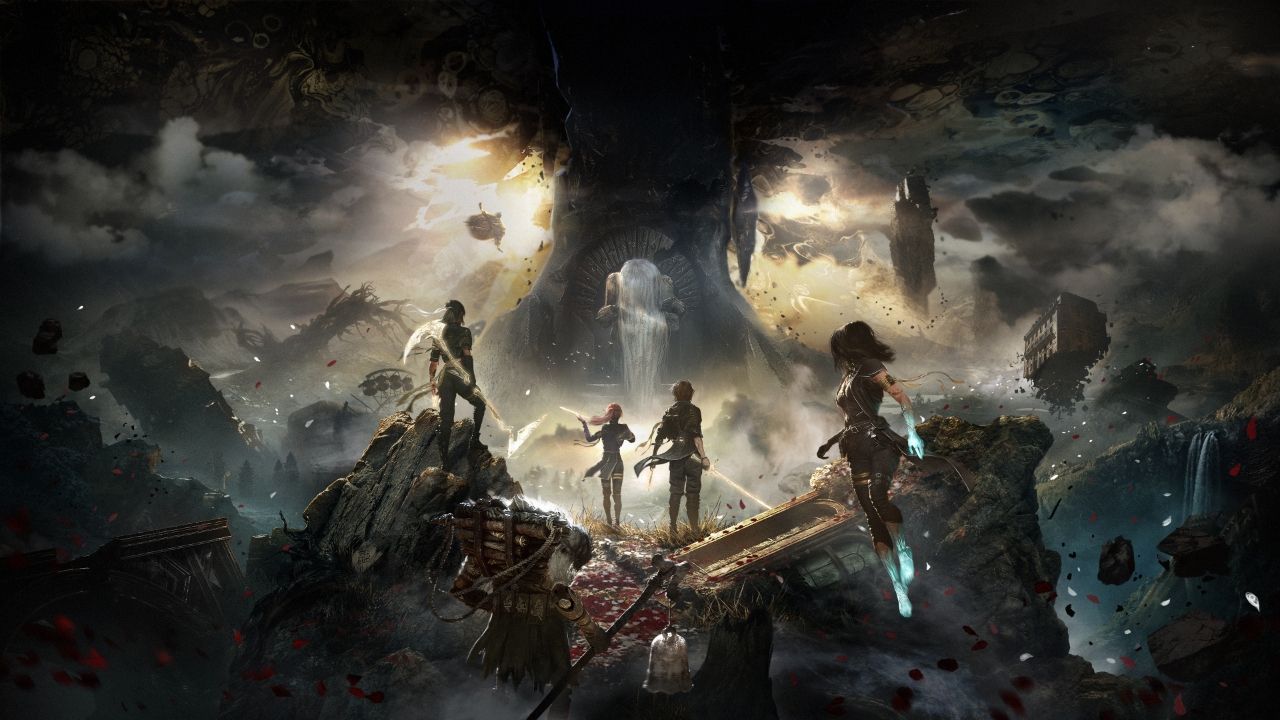
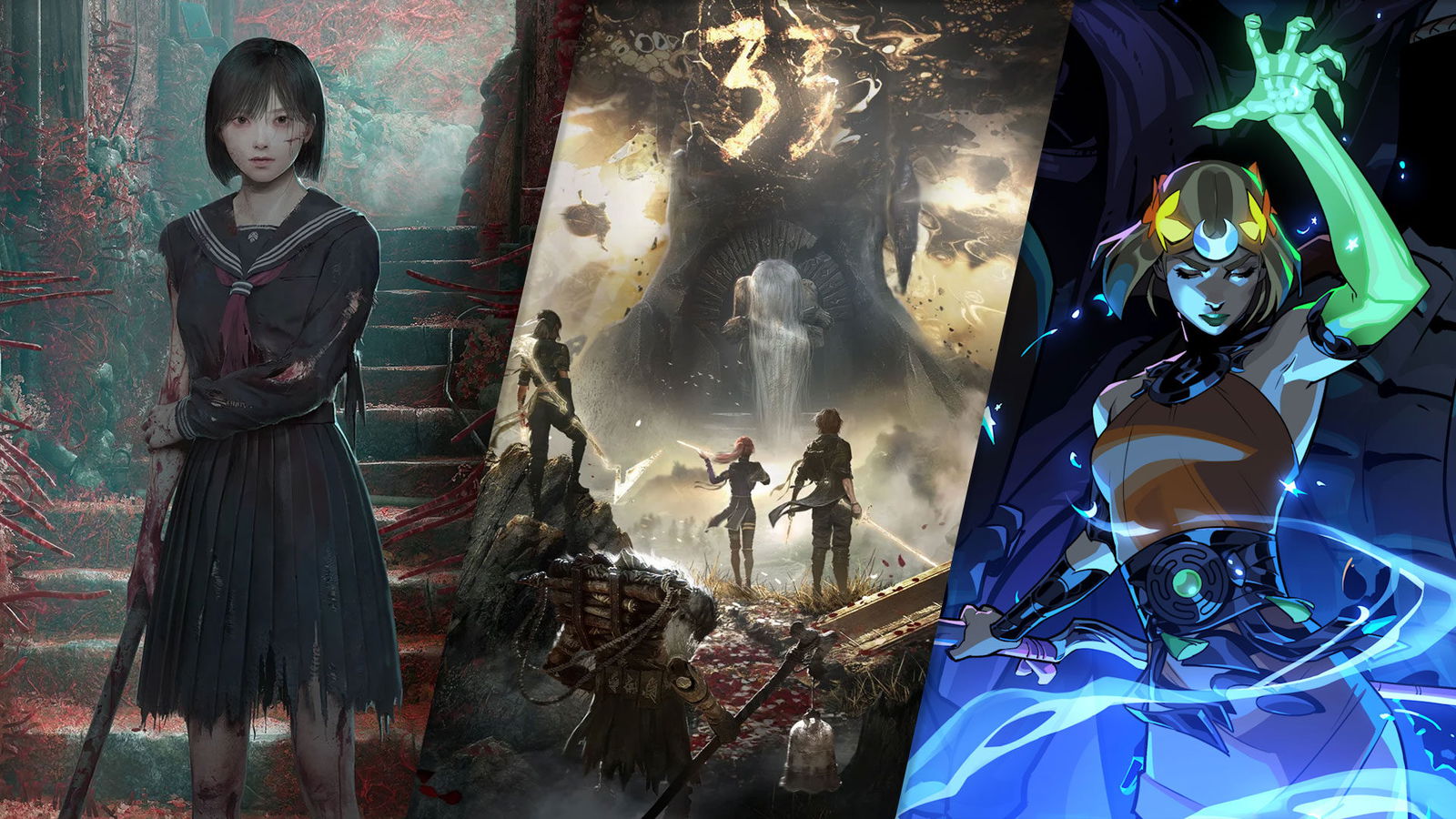
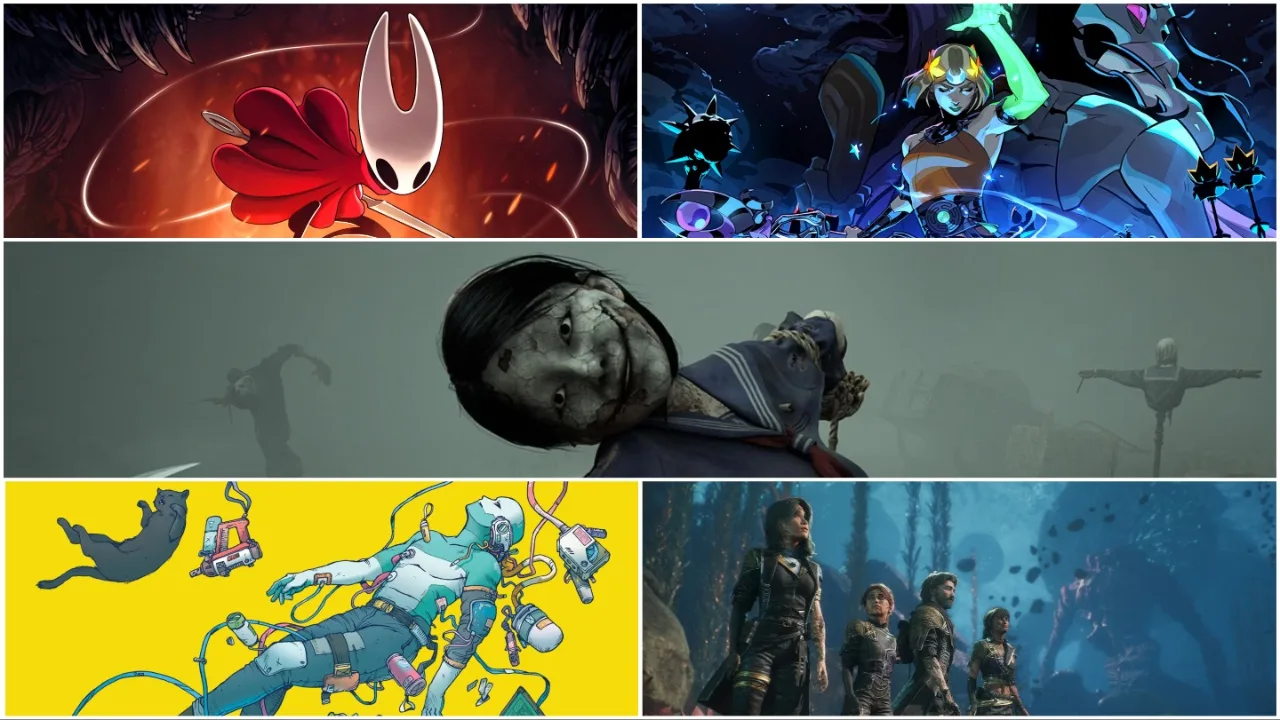
The most compelling narrative is the rise of indie and mid-tier studios challenging established game development paradigms. Clair Obscur: Expedition 33, developed by former Ubisoft employees, exemplifies this trend by creating a critically acclaimed game at a fraction of traditional AAA budgets. This success underscores a fundamental market transformation where artistic vision and storytelling prowess matter more than massive marketing expenditures.
Platforms like Roblox highlight the complex dynamics of this evolving landscape, facing significant scrutiny with its 150 million daily users due to child safety concerns. This tension between massive user engagement and content moderation represents a microcosm of the broader challenges in interactive digital spaces.
The gaming ecosystem is increasingly treating games as sophisticated narrative mediums. Titles like Citizen Sleeper 2: Starward Vector and Hades II demonstrate a shift towards more complex, character-driven experiences that prioritize player engagement through innovative gameplay mechanics and rich storytelling.
This transformation suggests that the future of interactive entertainment lies not in technological spectacle, but in creating deeply immersive, emotionally resonant experiences that blur the lines between traditional storytelling and interactive media. For developers, creators, and investors, the message is clear: narrative depth, user experience, and artistic integrity are becoming the new currencies of success.
問題 3
What demographic shifts are happening in the gaming market?
Research shows that approximately 50% of people over 60 now play video games, dramatically expanding the traditional gaming demographic. This shift suggests gaming is becoming a mainstream entertainment form across age groups, challenging previous perceptions of gaming as a youth-only activity.
How are indie game developers changing the gaming industry in 2025?
Indie developers are challenging traditional game development by prioritizing narrative depth, artistic vision, and innovative gameplay over massive budgets. Games like Clair Obscur: Expedition 33 demonstrate that compelling storytelling can triumph over expensive production, shifting industry focus towards more nuanced, emotionally resonant experiences.