


NFL Practice Squad Dynamics Reveal Talent Management Strategies in Professional Sports
- Roster Flexibility and Player Development Strategies Reshape Talent Acquisition Approaches


概览
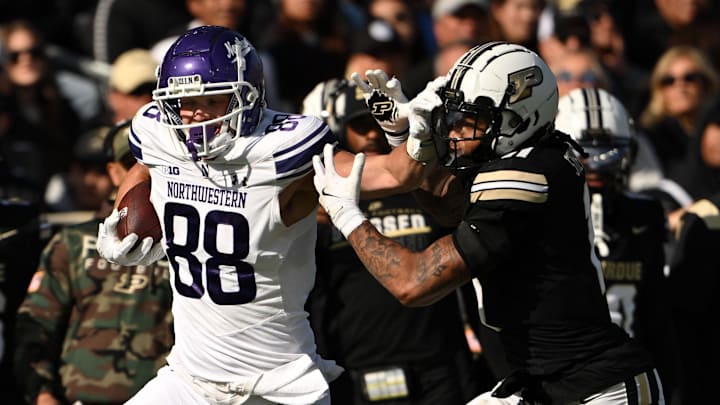
The New England Patriots' recent practice squad adjustments offer a fascinating microcosm of modern professional sports talent management, revealing intricate strategies that extend far beyond simple roster moves. Talent mobility has become the defining characteristic of contemporary sports organizations, with players like Marshall Lang and Jashaun Corbin embodying the complex career trajectories of emerging athletes.
At the core of these transactions lies a sophisticated approach to talent development that mirrors advanced organizational strategies in more dynamic industries. The Patriots' methodical roster management demonstrates a continuous evaluation process where players are not static assets but fluid resources to be strategically positioned and repositioned. Lang's journey—moving between the Seahawks and Patriots practice squads—illustrates the increasingly non-linear career paths in professional sports.
Consider the nuanced data points: Lang, a 24-year-old tight end from Northwestern, has accumulated 48 receptions for 491 yards across 47 college games, representing a marginal but potentially promising talent profile. Similarly, Corbin's diverse background—with stints across multiple practice squads and alternative leagues like the UFL—highlights the importance of maintaining professional momentum through strategic positioning.
The broader implications extend beyond individual athletes. These roster moves represent a talent optimization strategy where organizations continuously assess and reallocate human capital. The Patriots are not just managing a football team; they're implementing a dynamic talent ecosystem that prioritizes flexibility, potential, and strategic adaptability. By maintaining a fluid practice squad, they create an environment where emerging talents can develop, pivot, and potentially breakthrough.
Critically, this approach reflects a fundamental shift in how professional organizations conceptualize talent. No longer are athletes viewed as fixed resources, but as adaptable professionals whose value can be unlocked through strategic placement, continuous learning, and organizational support.
問題 3
How do practice squad moves impact an athlete's professional career?
Practice squad moves represent critical opportunities for athletes to remain in professional sports ecosystems. For players like Marshall Lang, these transactions provide continued exposure, potential for skill development, and a pathway to potentially securing a permanent roster position through continuous evaluation and strategic positioning.
How do alternative leagues like UFL contribute to athlete development?
Alternative leagues such as the UFL serve as critical proving grounds for athletes like Jashaun Corbin, providing competitive environments where players can maintain professional momentum, showcase skills, and remain visible to NFL scouts and organizations during periods of limited opportunities.