


Leadership Transitions and Strategic Momentum in Competitive Landscapes
- Navigating Organizational Change Through Consistent Performance and Adaptive Leadership































概览
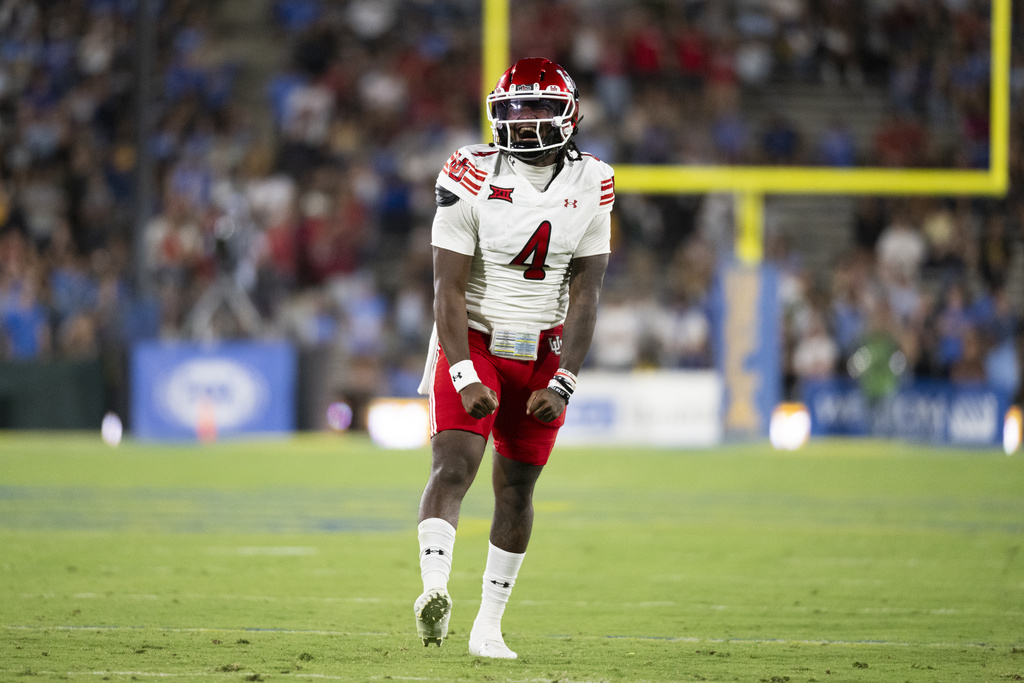
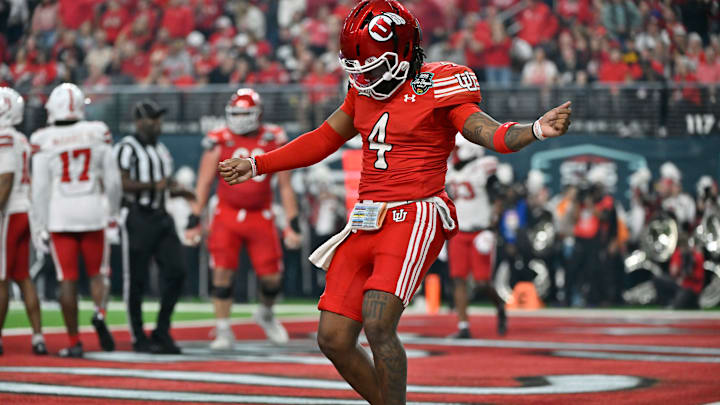
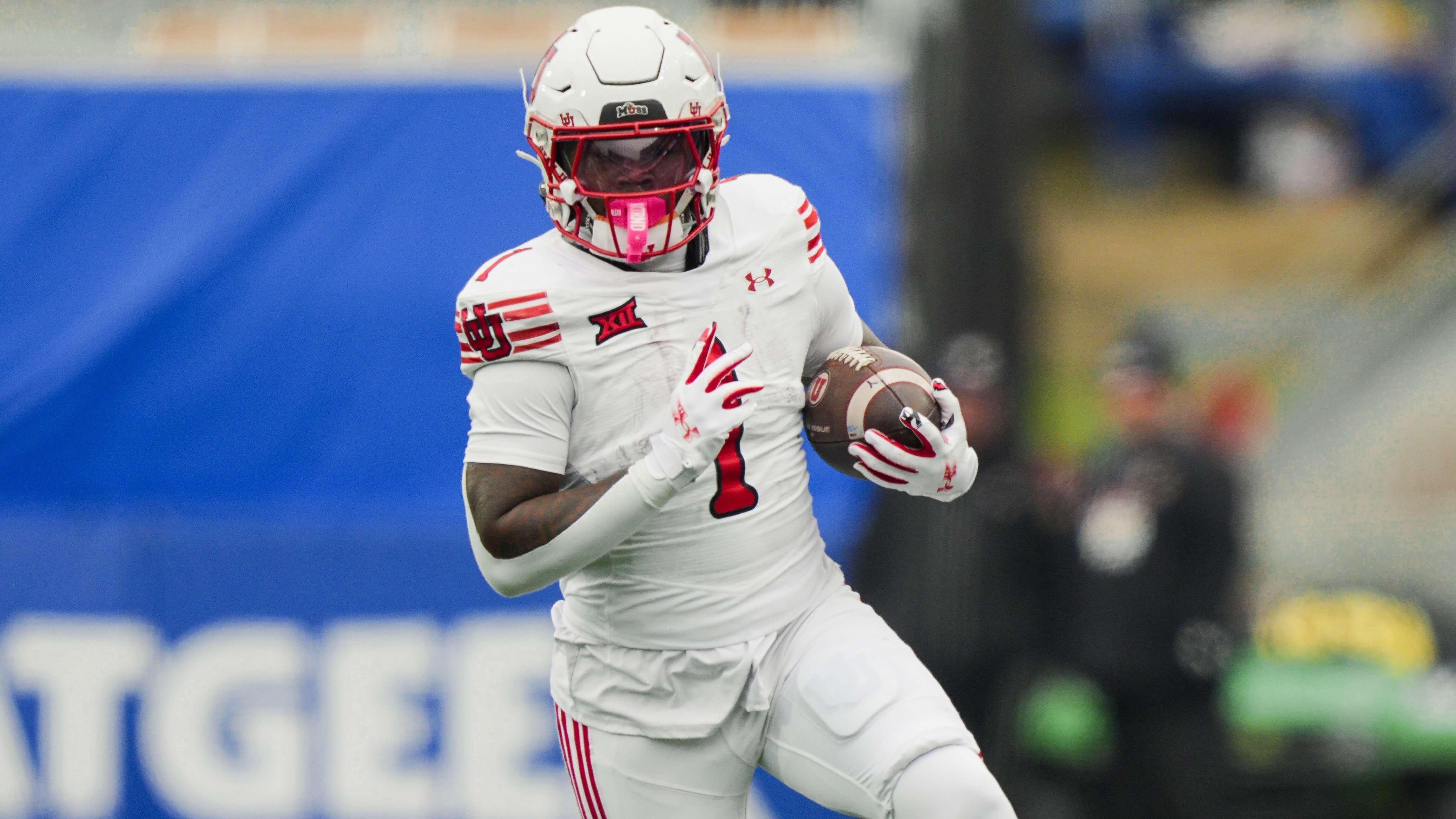
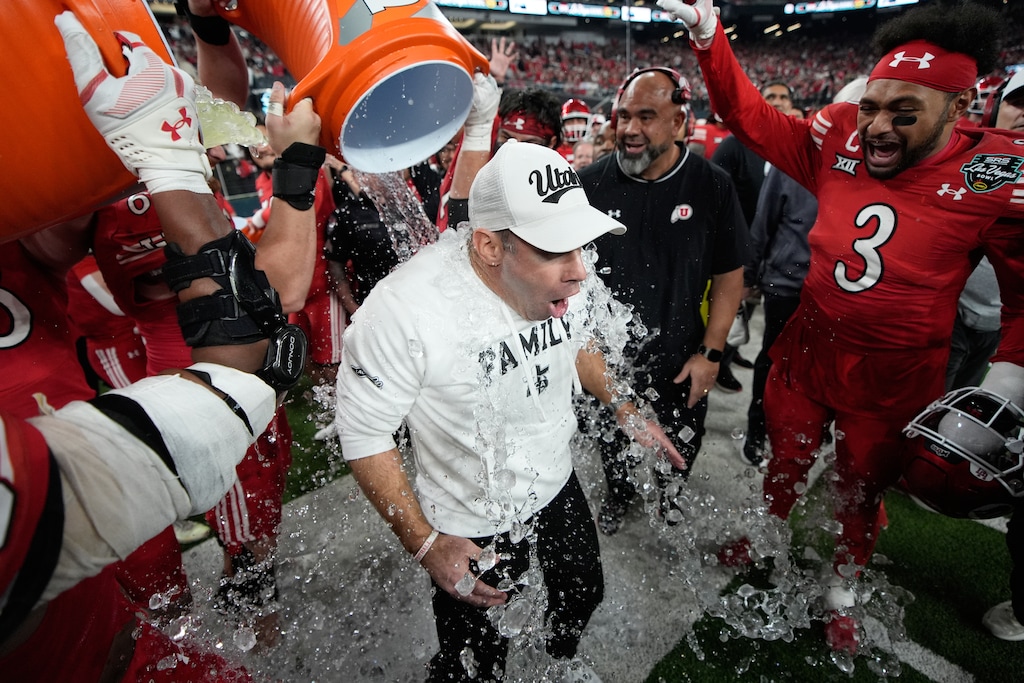
Leadership transitions represent critical inflection points where organizational resilience is truly tested. The story of Kyle Whittingham's remarkable 21-year coaching tenure with the Utah Utes football program offers a compelling metaphor for strategic adaptability across complex competitive environments.
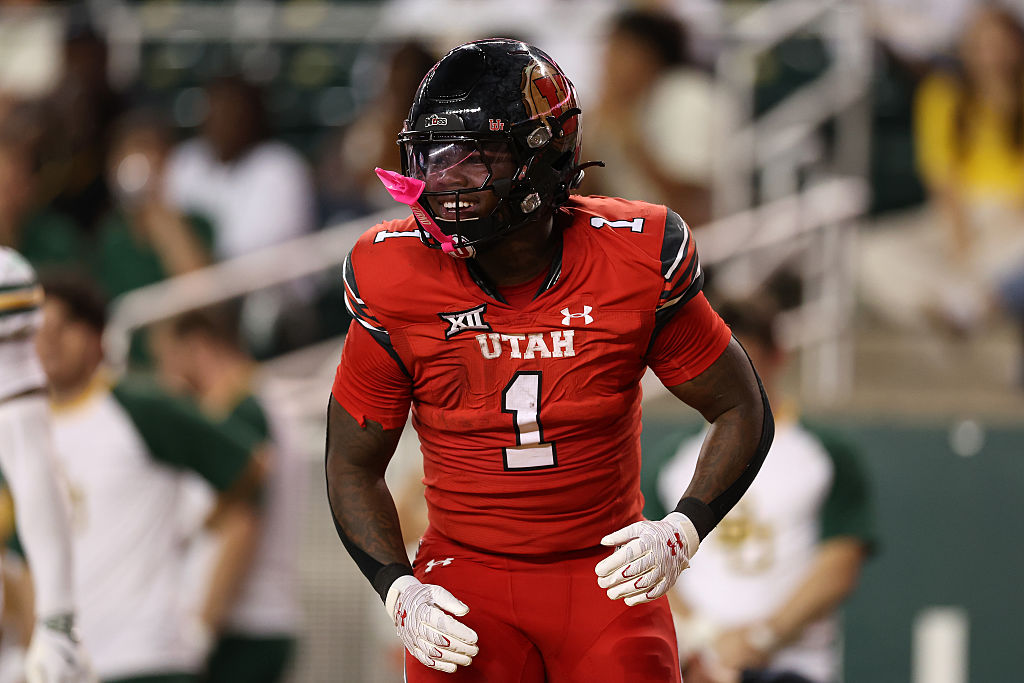
Consistent Performance as Strategic Capital emerges as the core narrative here. Whittingham's eight 10-win seasons demonstrate that sustained excellence is not about singular breakthrough moments, but methodical progression. Despite narrowly missing the Big 12 title game and College Football Playoff, the program maintained a remarkable 15th national ranking—a testament to strategic stability. This pattern mirrors successful organizational transformations, where incremental improvements compound into significant competitive advantages.
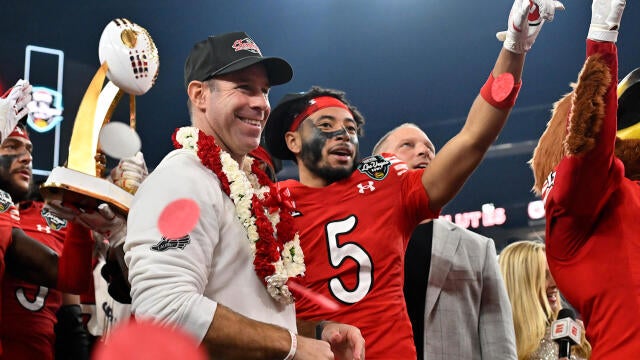
Adaptive Leadership stands out as the most critical insight. The Utah Utes' successful transitions across multiple conferences (Mountain West to Pac-12) showcase how strategic flexibility determines long-term relevance. Whittingham's ability to maintain momentum through structural changes—winning 177 total victories and being an original 'BCS buster'—provides a masterclass in navigating institutional shifts. His retirement symbolizes not an endpoint, but a carefully managed leadership handover that preserves organizational momentum.
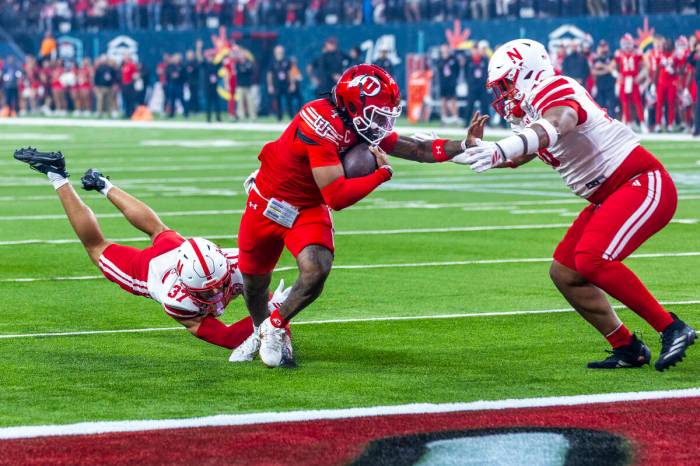
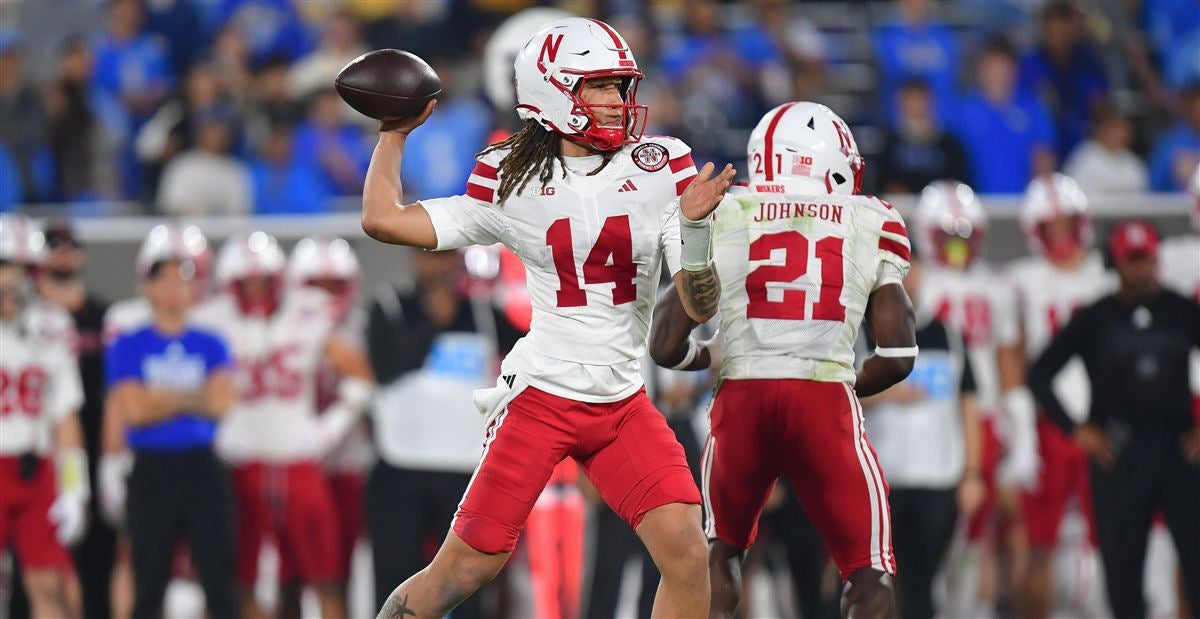
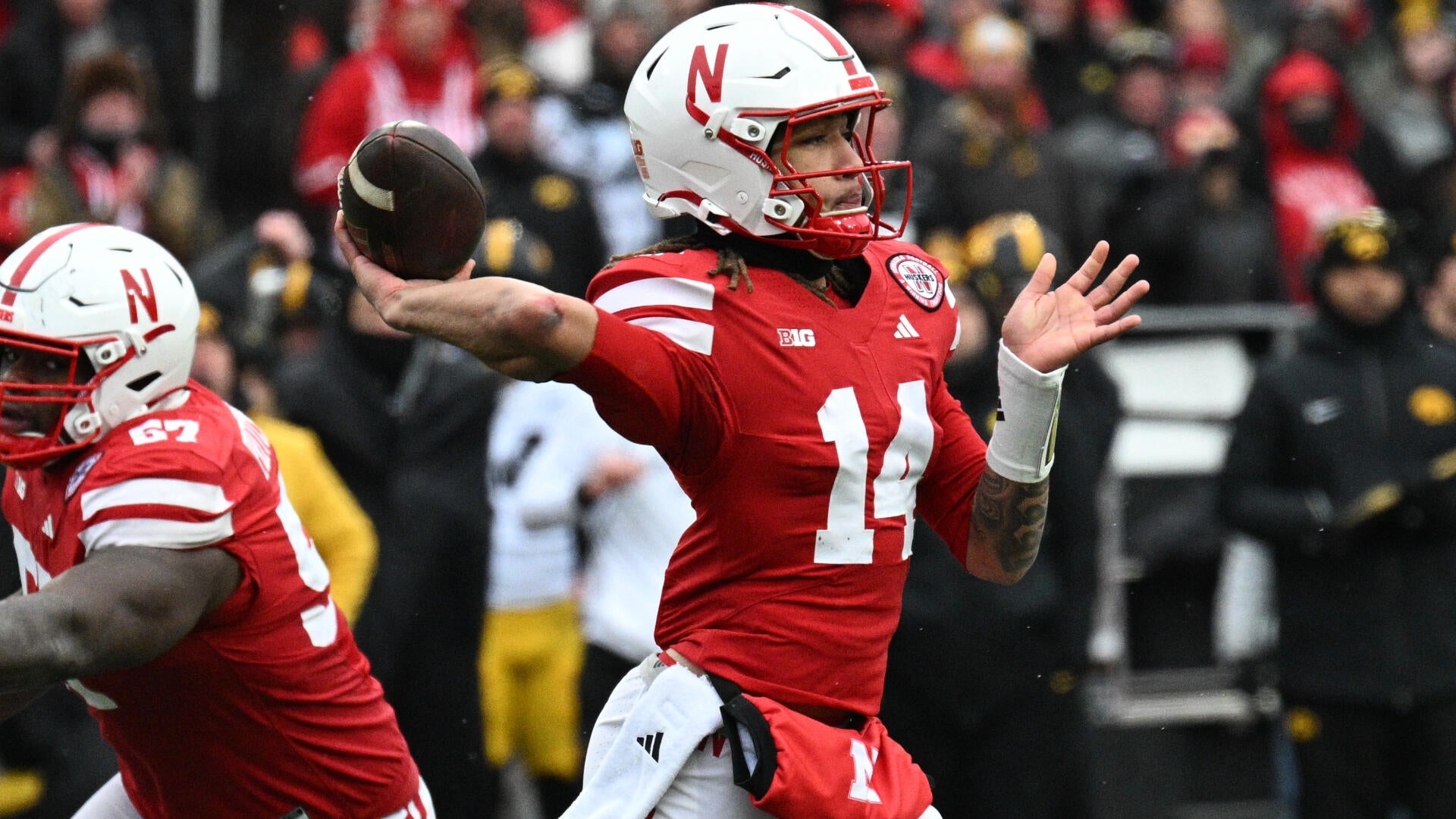
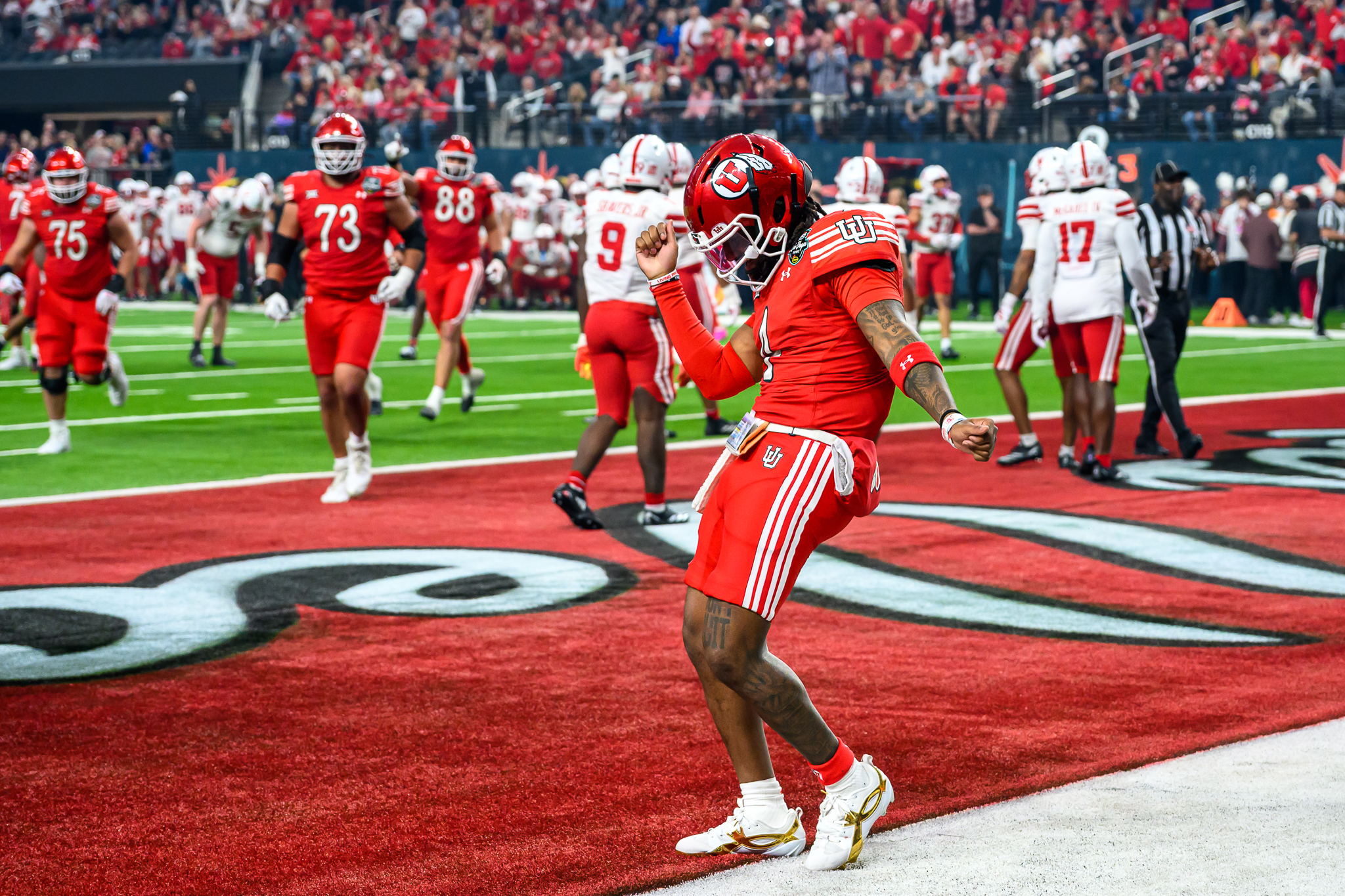
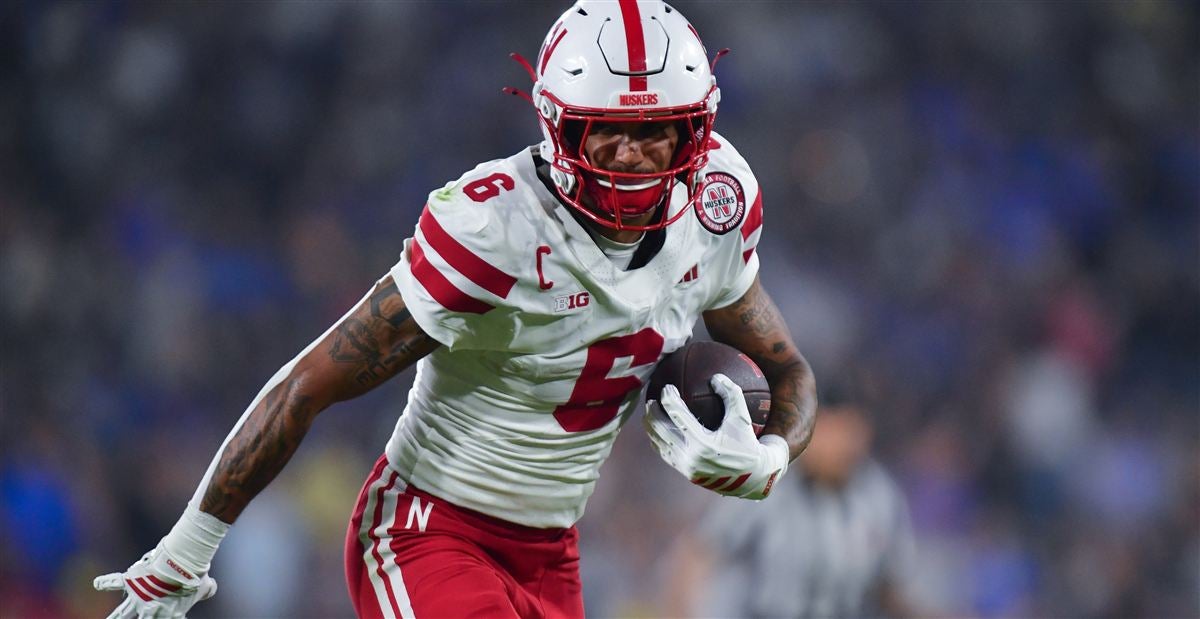
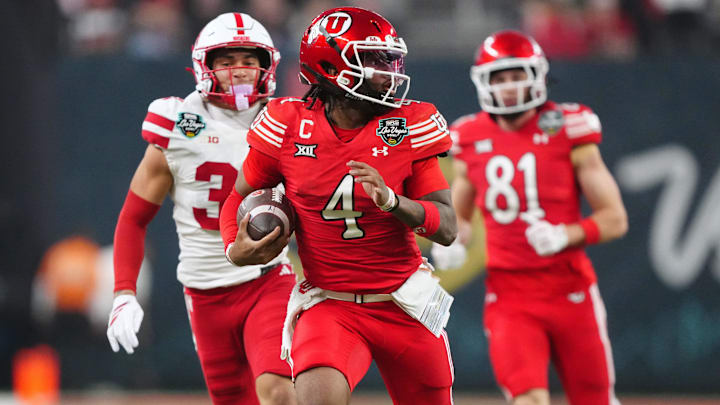
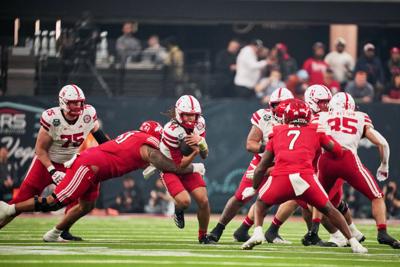
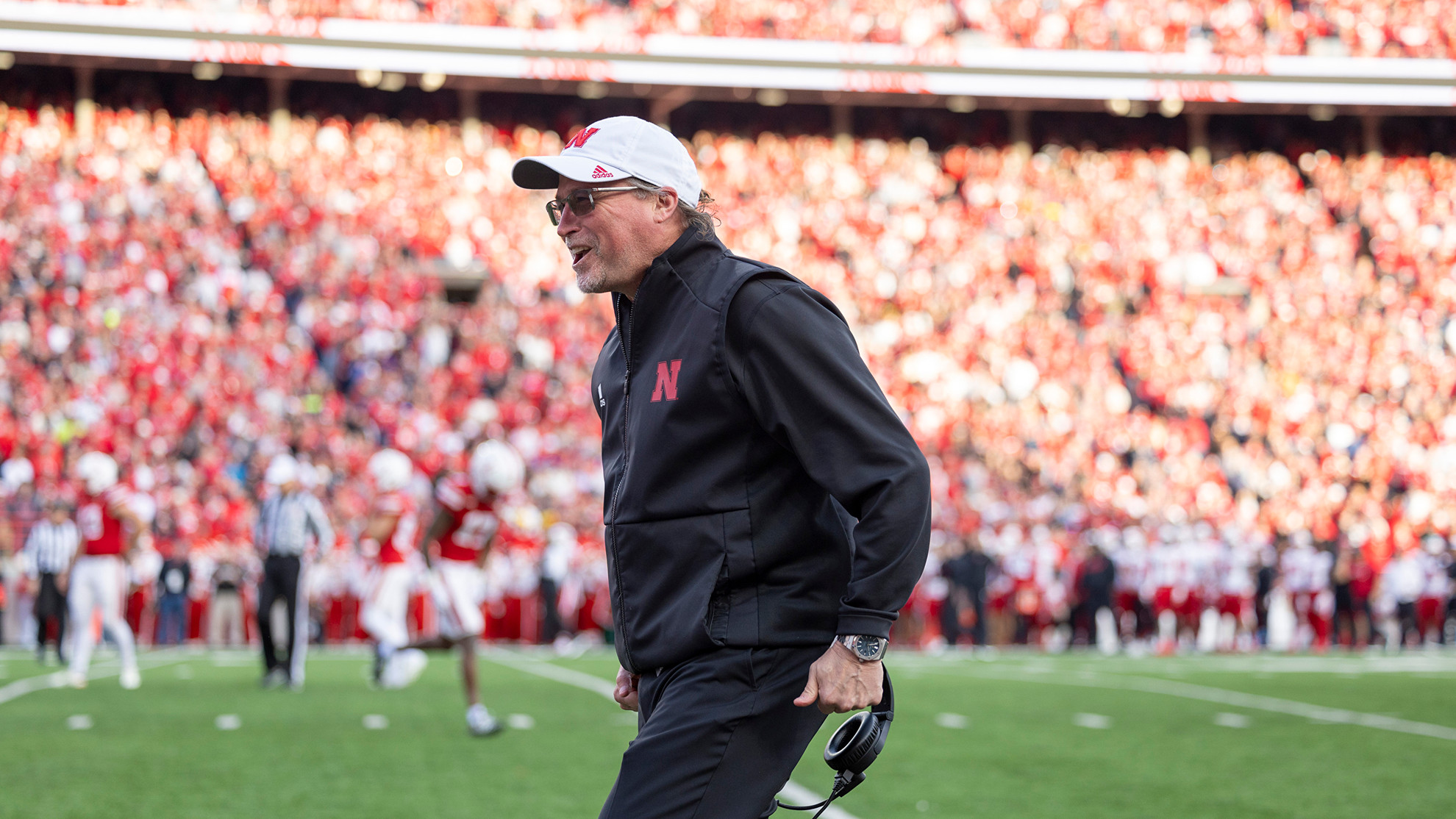
The upcoming Las Vegas Bowl against Nebraska represents more than a final game; it's a strategic punctuation mark in a distinguished coaching legacy. By framing this moment as a deliberate transition rather than an abrupt conclusion, Whittingham demonstrates how mature leadership ensures continuity and institutional memory persist beyond individual tenures.
For leaders across domains—whether in sports, technology, or business—the core lesson is clear: sustainable success is less about individual heroics and more about creating systemic resilience. Consistent performance, strategic adaptability, and graceful leadership transitions are the true markers of enduring competitive advantage.
問題 3
What does the Las Vegas Bowl represent in Whittingham's career?
The Las Vegas Bowl symbolizes a carefully orchestrated leadership transition, representing the final chapter of Whittingham's coaching legacy. It's not just a game, but a strategic moment that preserves institutional momentum and sets the stage for future leadership.
How can organizations learn from Whittingham's coaching approach?
Organizations can learn the importance of incremental improvement, strategic flexibility, and managed leadership handovers. Whittingham's ability to navigate conference changes while maintaining team performance illustrates how adaptability trumps short-term disruptions.