


Urban Resilience Redefined: Hong Kong's Transformative Response to Tragedy
- A Profound Shift in Public Commemoration and Community Healing Strategies














概览
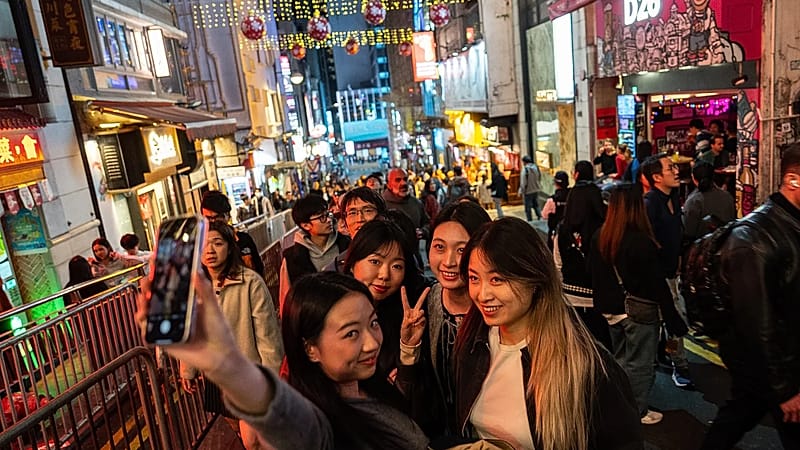
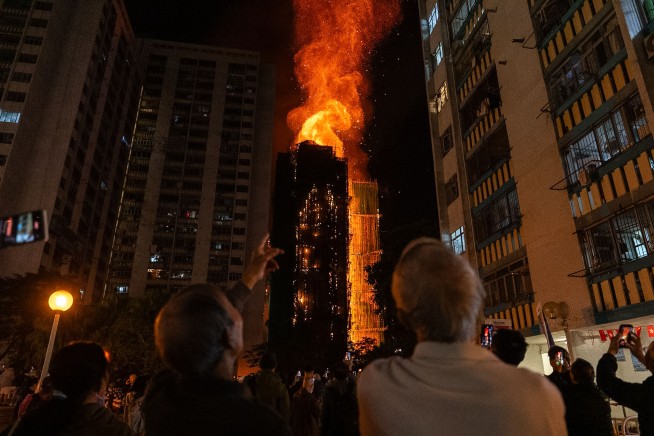
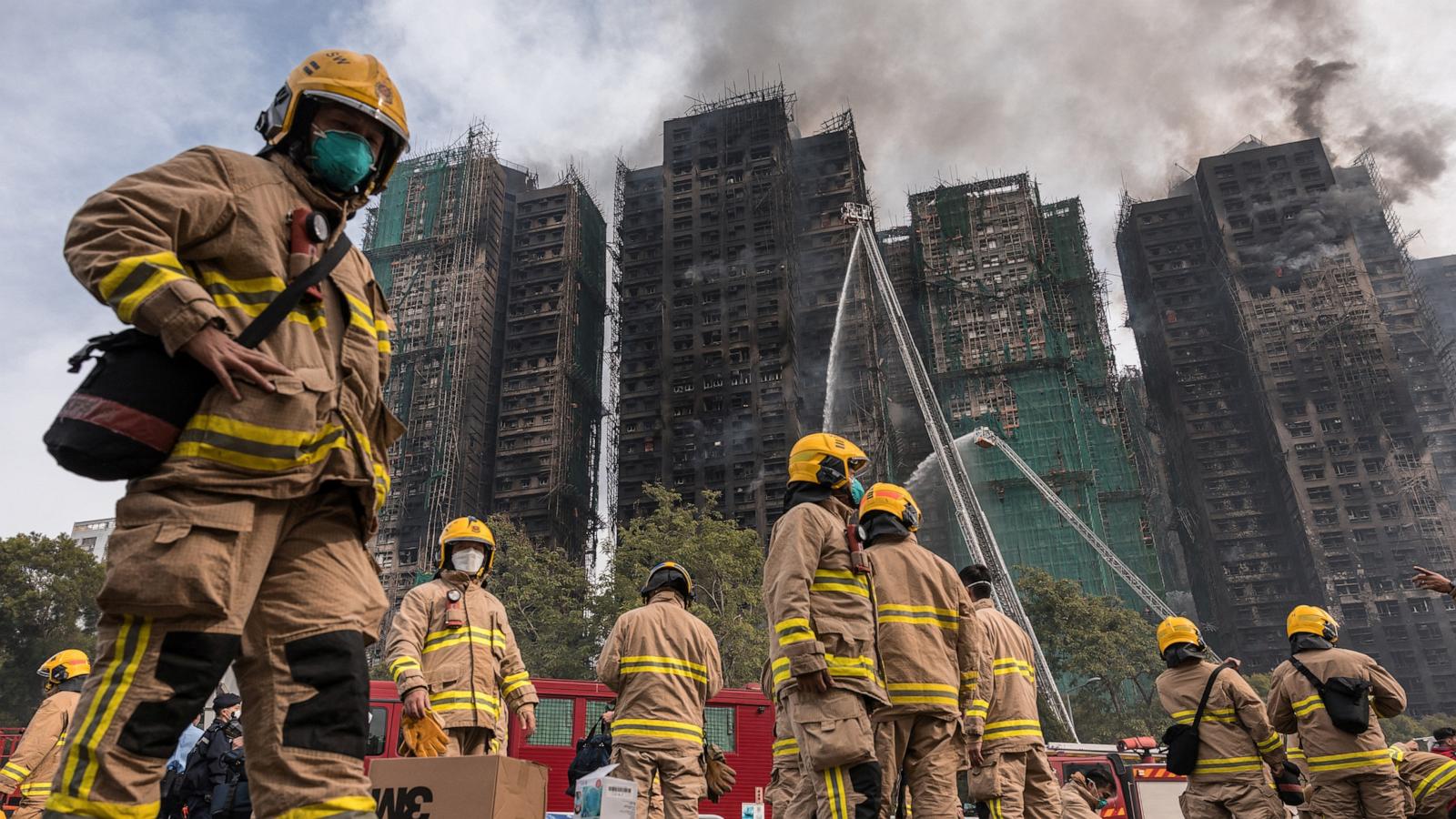
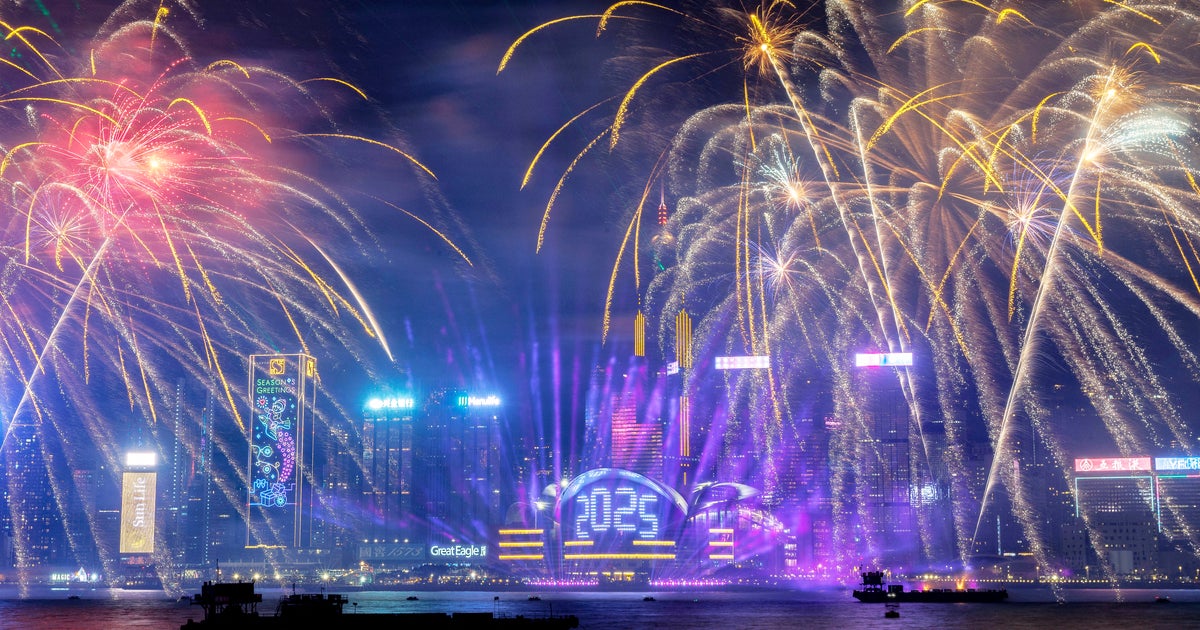
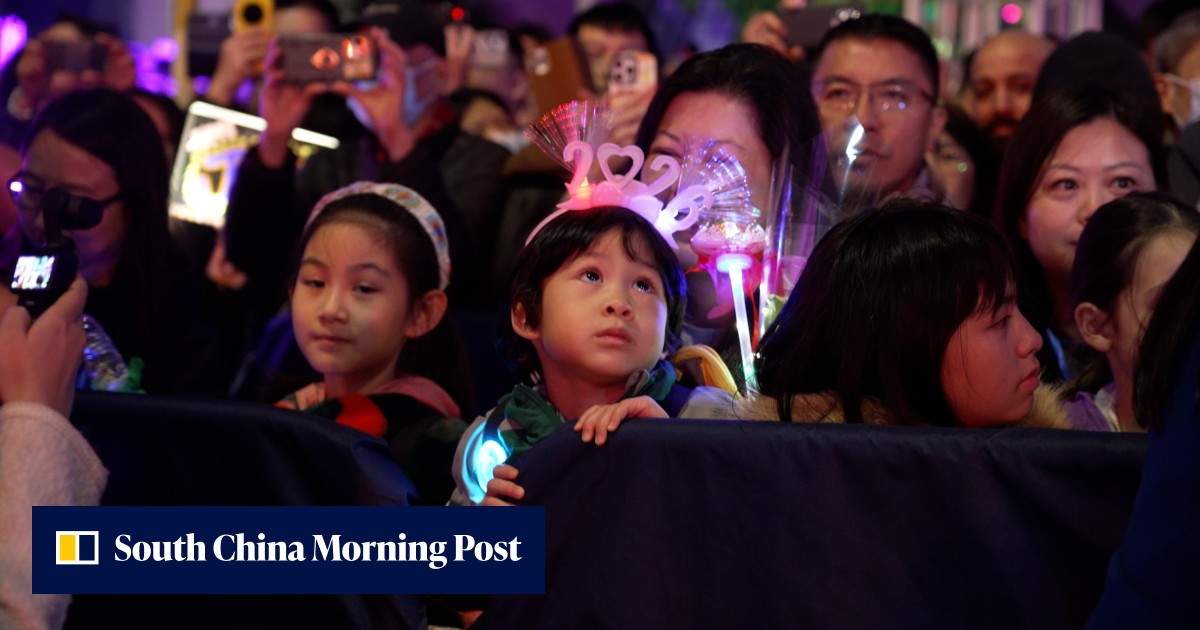
Urban safety and collective mourning have converged in Hong Kong's unprecedented New Year's transformation, revealing a critical narrative of resilience in the face of catastrophic loss. The November fire at Wang Fuk Court, which claimed 161 lives, has fundamentally reshaped the city's approach to public celebrations, turning what would traditionally be a jubilant fireworks display into a somber moment of collective reflection.
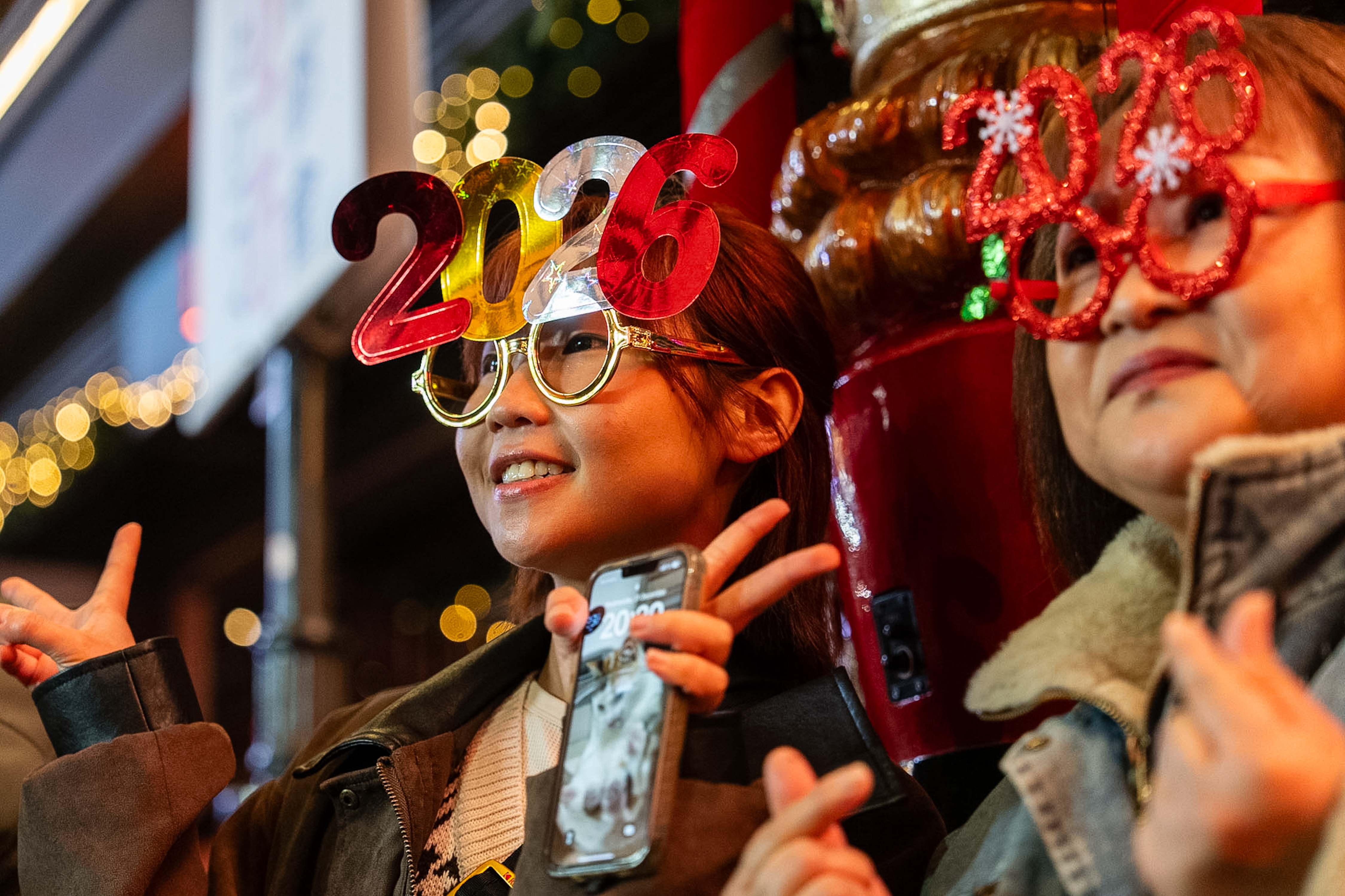
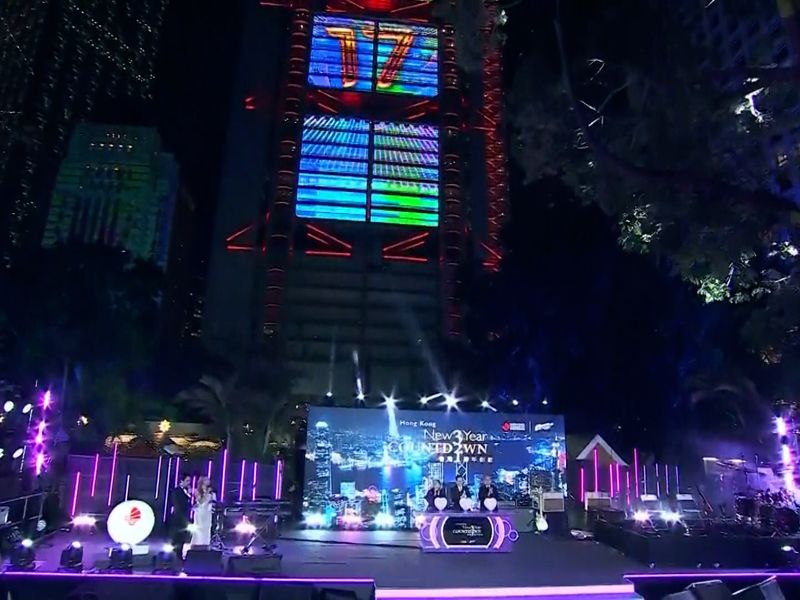
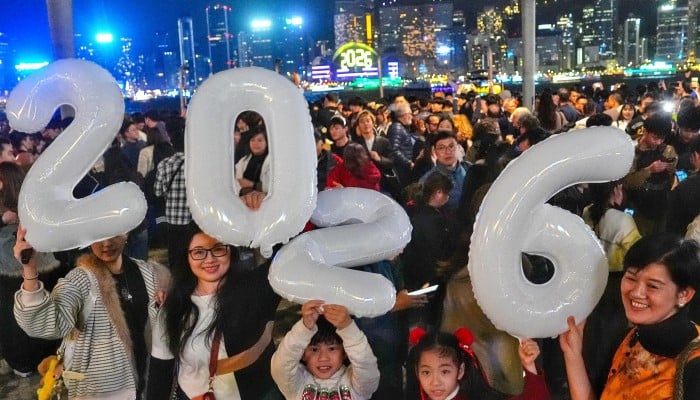
Regulatory and cultural implications emerge as the most significant insights from this event. The city's decision to replace pyrotechnics with a subdued music show and landmark light display represents more than just an annual event modification—it signals a profound societal recalibration. By transforming eight landmark buildings into giant countdown clocks, Hong Kong has created a powerful visual metaphor of remembrance, demonstrating how urban spaces can become platforms for collective healing.
The economic and emotional dimensions are equally compelling. Local businesses in hospitality and tourism face potential revenue challenges, with the iconic fireworks cancellation potentially reducing New Year's Eve tourism. Yet, the community's response reveals a remarkable prioritization of collective emotional recovery over economic considerations. This approach suggests a new model of urban resilience where community trauma takes precedence over traditional celebratory practices.
The broader implications extend beyond Hong Kong's immediate context. The city's measured response illustrates how metropolitan communities can adapt commemorative traditions to reflect collective emotional experiences. By balancing festivity with sensitivity, Hong Kong provides a template for how cities might navigate public events in the aftermath of significant tragedies.
Critically, this transformation is not just about one event, but represents a systemic approach to urban safety and community healing. The fire's root causes—substandard renovation materials and inadequate safety protocols—have been implicitly highlighted, suggesting that this commemorative shift is also a subtle call for broader structural improvements in urban development and safety standards.
問題 3
How does Hong Kong's New Year's response reflect broader urban resilience strategies?
By transforming a celebratory event into a moment of collective mourning, Hong Kong demonstrates a sophisticated approach to community healing. The city prioritizes emotional recovery and safety awareness over traditional festivity, showing how urban spaces can become platforms for processing collective trauma.
What economic implications does the fireworks cancellation have for local businesses?
The cancellation potentially reduces New Year's Eve tourism revenue, particularly impacting hospitality and event-related businesses. Local officials like Rosanna Law have acknowledged these economic challenges, but are prioritizing community healing over immediate financial considerations.