


NBA Game Dynamics Reveal Unexpected Team Management Strategies
- Insights into professional sports team decision-making and player management under competitive pressure













概览
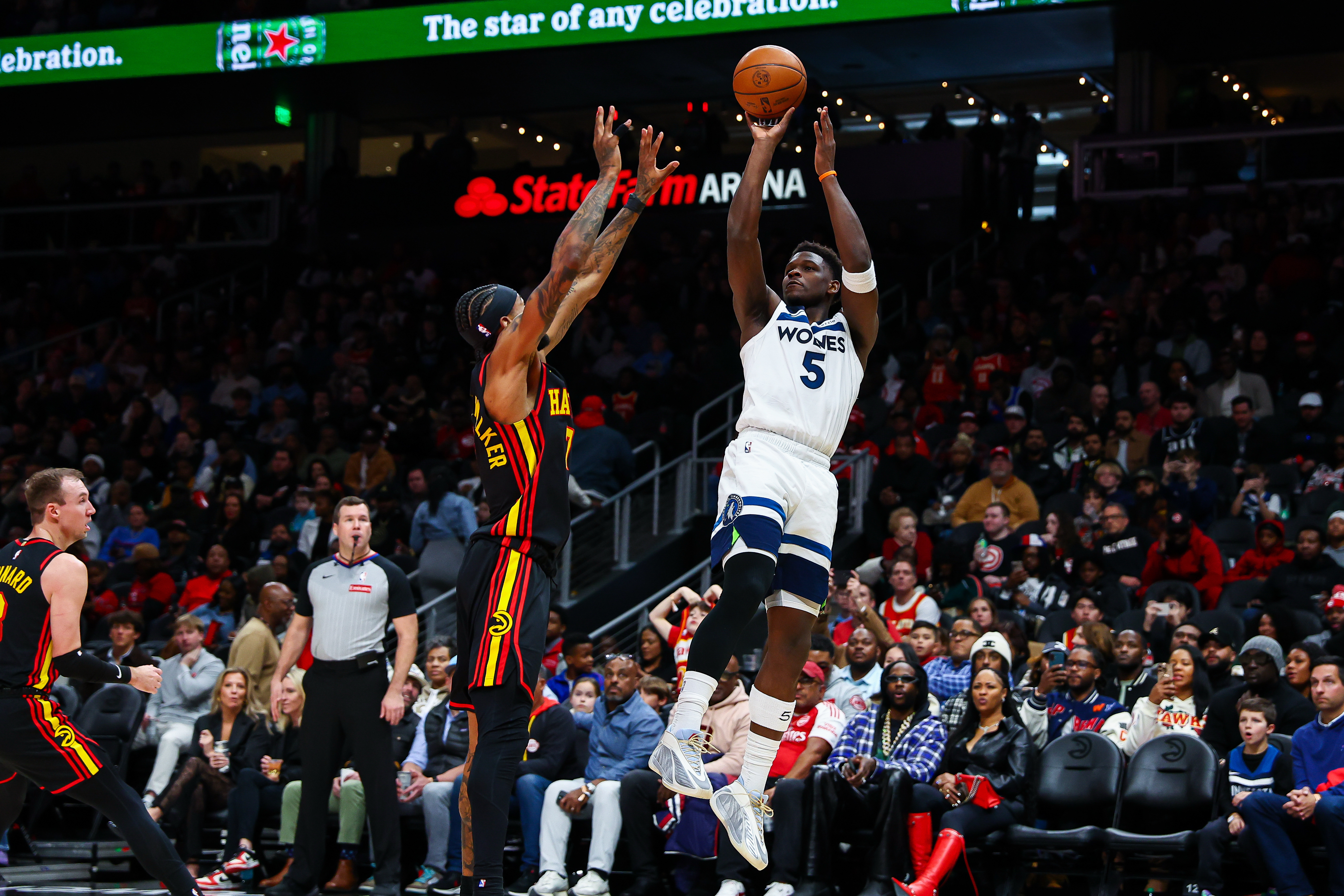
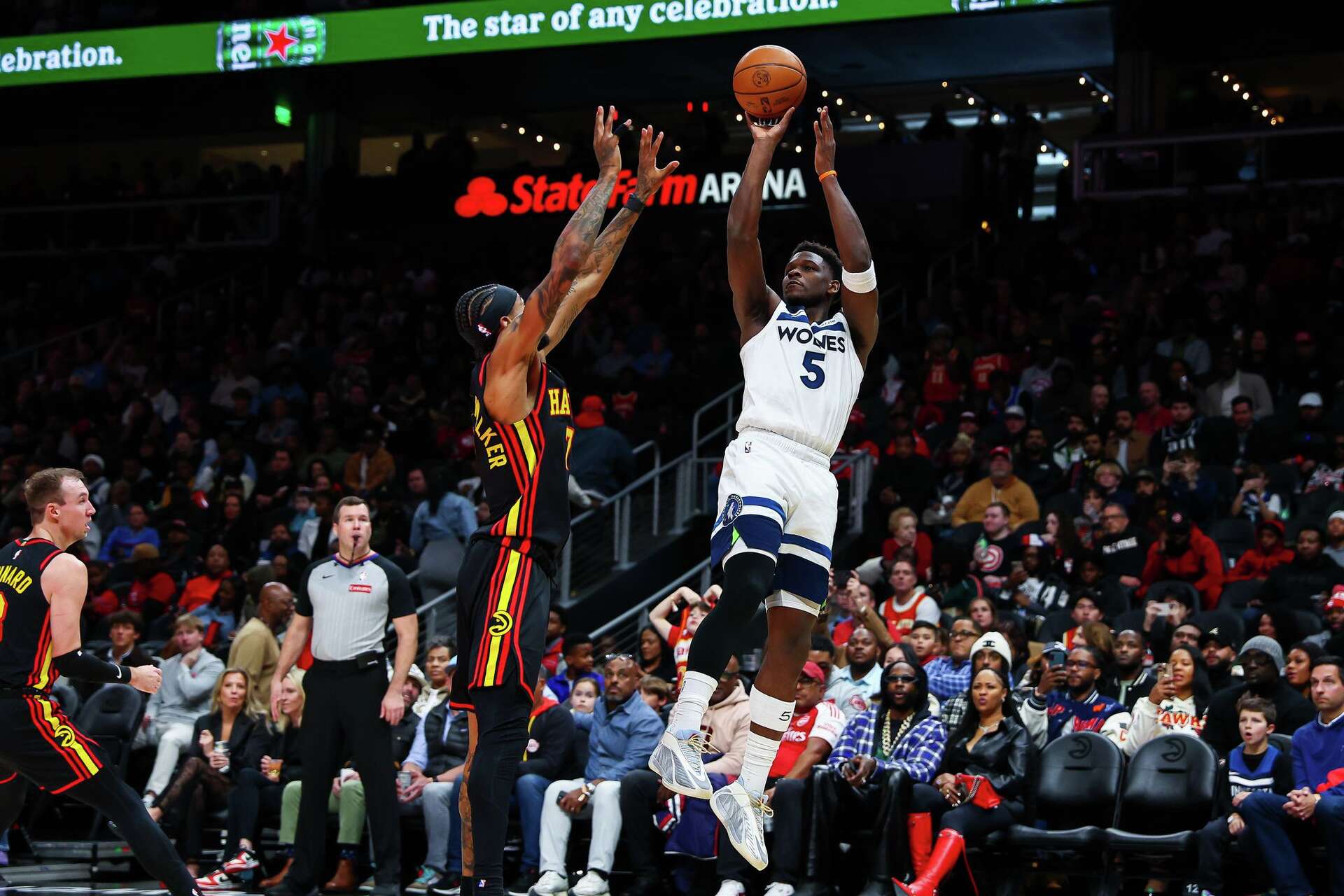
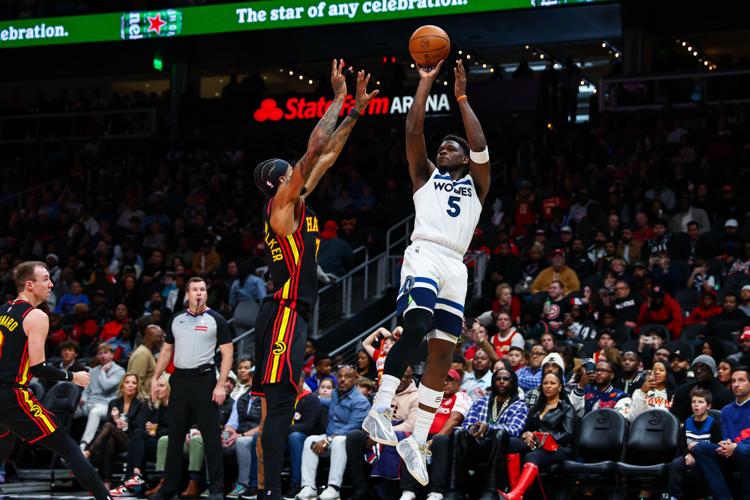
In the intricate world of professional basketball, the recent incident involving Anthony Edwards and the Minnesota Timberwolves offers a nuanced glimpse into the complex dynamics of team management and performance strategy. The game against the Atlanta Hawks, which resulted in a decisive 126-102 loss, provides more than just a scoreline—it reveals critical insights into how professional sports teams navigate competitive challenges.
Team Performance Management emerges as a key theme in this scenario. The decision to pull starters, symbolized by Edwards leaving the bench, represents a strategic approach to player preservation and long-term team health. This isn't merely about a single game's outcome, but about managing athlete workload, preventing potential injuries, and maintaining a broader competitive perspective.
Strategic Adaptability becomes evident through the team's willingness to make real-time decisions that prioritize player welfare over immediate game results. The 26-point margin suggests a moment where coaching staff determined that continuing to play key players would provide diminishing returns. Such decisions reflect a sophisticated understanding of athlete management that goes beyond traditional win-at-all-costs mentalities.
The broader implications extend beyond this single game. Professional sports teams are increasingly adopting data-driven, holistic approaches to player management. This involves carefully balancing immediate competitive performance with long-term team sustainability. Edwards' bench exit symbolizes a broader trend of intelligent resource allocation in high-stakes professional athletics.
For stakeholders and observers, this incident underscores the evolving nature of professional sports management. It's no longer just about winning a single game, but about creating sustainable performance ecosystems that protect athlete potential, manage competitive risks, and maintain strategic flexibility.
問題 3
Why did Edwards leave the bench during the game?
The decision appears to be part of a strategic team management approach, likely related to managing player workload, preventing potential injuries, and making pragmatic decisions when the game's outcome seemed predetermined.
What does pulling starters indicate about modern sports management?
It demonstrates a sophisticated, data-driven approach that prioritizes long-term athlete performance and team sustainability over winning a single game. This strategy protects player health and maintains competitive flexibility.