
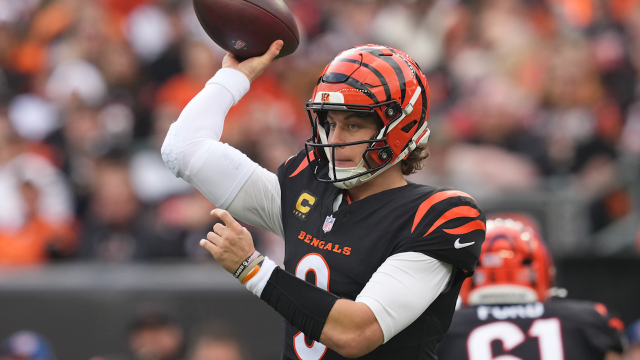


NFL Injury Dynamics Reveal Strategic Team Resilience in High-Stakes Week 18 Matchup
- Injury Reports Highlight Critical Player Management and Performance Adaptation Strategies


概览
The Week 18 NFL injury landscape presents a complex strategic chess match between the New England Patriots and Miami Dolphins, where player availability becomes a critical competitive differentiator. With multiple key players facing potential game-time decisions, these injury reports transcend mere medical updates and represent sophisticated organizational risk management.
Roster Resilience Dynamics emerge as the most compelling narrative. The Patriots, positioned at a strong 13-3 record, demonstrate remarkable adaptability despite significant injury challenges. Players like Christian Barmore (illness) and Hunter Henry (knee) represent pivotal uncertainty points that could dramatically influence game strategy. Notably, some players like Will Campbell and DeMario Douglas maintaining full practice participation signals the team's depth and strategic player rotation capabilities.
The Dolphins mirror this complexity, with critical players like De'Von Achane (shoulder), Jordyn Brooks (hamstring), and Jaylen Waddle (ribs) facing potential limitations. Minkah Fitzpatrick's calf injury and Chop Robinson's concussion protocol further underscore the high-stakes medical management required in professional sports. These injury reports reveal more than player status—they expose the sophisticated medical, strategic, and personnel management infrastructures behind elite athletic performance.
The comprehensive nature of these injury reports highlights a broader trend in professional sports: transparency, data-driven decision-making, and holistic player management have become as crucial as on-field performance. Teams are no longer just athletic organizations but complex human capital management systems that balance immediate competitive needs with long-term player health and organizational sustainability.
問題 3
What makes the Patriots' injury management approach notable?
The Patriots demonstrate exceptional roster depth by maintaining a 13-3 record despite multiple player injuries. Their ability to integrate backup players and maintain performance levels showcases sophisticated player development and strategic flexibility.
How do modern NFL teams approach player health management?
Contemporary NFL teams treat player health as a complex, data-driven process. This involves comprehensive medical monitoring, strategic rest protocols, and holistic performance management that balances immediate competitive needs with long-term athlete sustainability.