


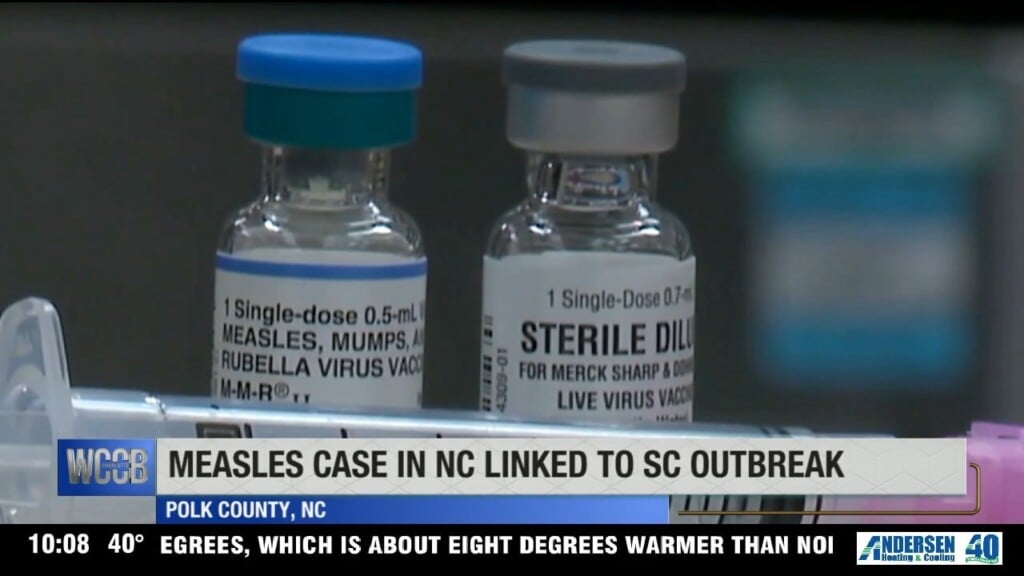



Cross-Border Disease Transmission Reveals Critical Public Health Vulnerabilities
- Unvaccinated Populations Create High-Risk Transmission Corridors Between States












概览
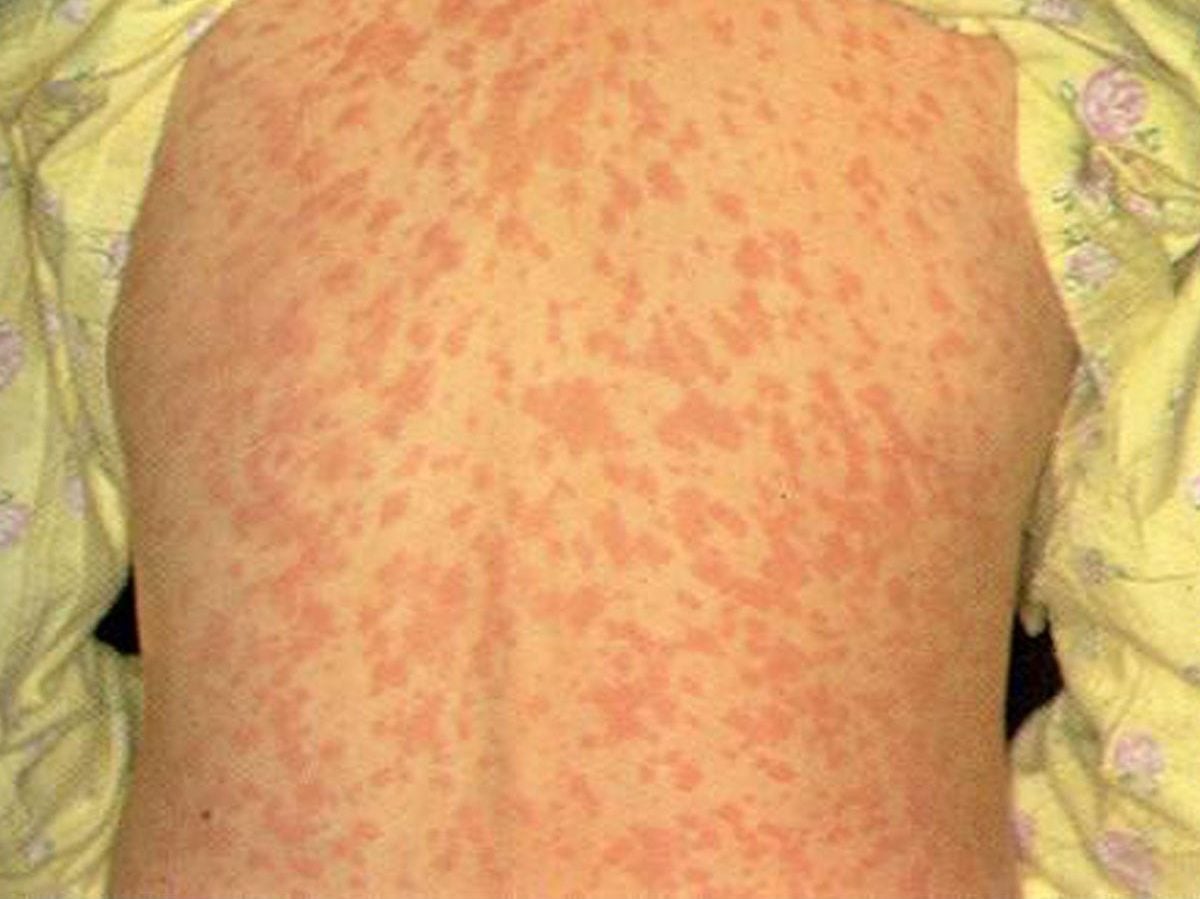
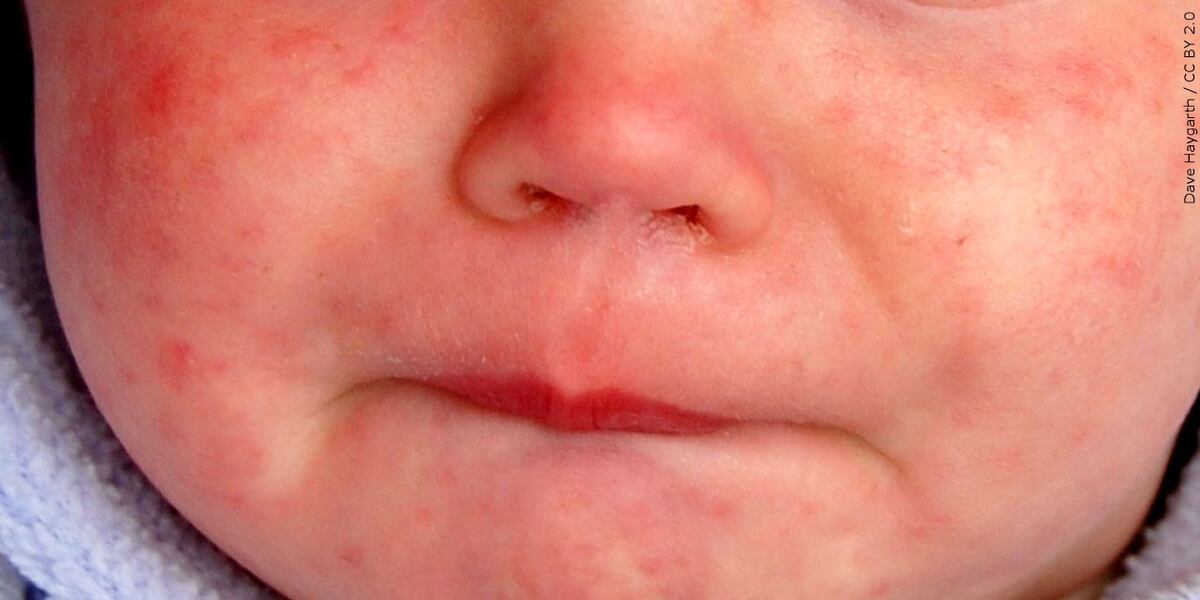
The emerging measles outbreak in North Carolina and South Carolina exposes critical systemic weaknesses in regional public health infrastructure, highlighting how cross-border disease transmission can rapidly escalate from isolated incidents to potential widespread health risks.
Vaccination gaps represent the most significant vulnerability in this scenario. The CDC's 2025 data reveals a stark landscape: 2,065 confirmed measles cases across 44 states, with 24 cases involving international travelers and 49 documented outbreaks. Critically, 88% of confirmed cases were associated with specific outbreak clusters, underscoring the concentrated nature of transmission risks.
The inter-state transmission pathway between North Carolina and South Carolina demonstrates how quickly infectious diseases can spread through unvaccinated populations. In this instance, an unvaccinated child traveling from Polk County to Spartanburg County became a potential vector, exposing multiple locations including Polk Central Elementary and Mercy Urgent Care Foothills. The incident reveals how travel-related health risks can transform local outbreaks into regional public health challenges.
Notably, the epidemiological response shows increasing sophistication. Health departments are now employing rapid tracing strategies, identifying specific exposure locations within days and proactively contacting potentially exposed individuals. The collaboration between North Carolina and South Carolina health authorities represents an emerging model of coordinated inter-state disease management.
The most alarming statistic is the disease severity: 11% of measles cases required hospitalization, with three fatalities recorded. This underscores that vaccination is not merely a preventive measure but a critical public safety intervention. State Epidemiologist Dr. Zack Moore's emphasis on immunization as the primary defense mechanism reflects a data-driven approach to managing infectious disease risks.
Strategic implications are clear: regions must develop more robust, interconnected public health monitoring systems that can quickly identify, trace, and mitigate cross-border transmission risks. Vaccination awareness and accessibility must become a priority, particularly in areas with demonstrated transmission vulnerabilities.
問題 3
How significant is the current measles outbreak in the United States?
The CDC reported 2,065 confirmed measles cases across 44 states in 2025, with 49 documented outbreaks. Critically, 88% of cases were linked to specific clusters, indicating concentrated transmission risks. 11% of cases required hospitalization, highlighting the serious public health implications.
What makes cross-border disease transmission particularly dangerous?
Cross-border transmission creates complex tracking challenges, as seen in the North Carolina-South Carolina case. Unvaccinated individuals can quickly become vectors, spreading infections across jurisdictional boundaries before health authorities can implement comprehensive containment strategies.