
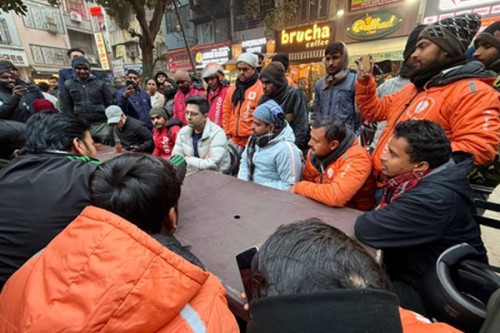
Gig Worker Uprising Exposes the Human Cost Behind Digital Platforms
- Emerging worker solidarity challenges the algorithmic foundation of digital service platforms
概览
The digital platform ecosystem is experiencing a critical inflection point as gig workers demand recognition beyond mere data points. The nationwide strike by delivery partners from platforms like Zomato, Swiggy, and Blinkit reveals a fundamental tension at the heart of platform-based labor models: the growing disconnect between algorithmic efficiency and human dignity.
Worker empowerment is emerging as a strategic imperative for digital platforms, driven by systemic issues that can no longer be ignored. The protest, involving thousands of delivery workers, highlights critical structural challenges: unpredictable pay structures, excessive working hours, and a complete lack of social safety nets. Raghav Chadha's powerful statement that platforms' success is built on human labor, not just algorithms, signals a profound shift in how digital labor should be conceptualized.
The implications extend far beyond a single protest. This movement represents a structural transformation in platform economics, where worker welfare is becoming a core competitive differentiator. For cross-border e-commerce sellers and platform operators, the message is clear: sustainable logistics models must prioritize human capital alongside operational efficiency. The strike's impact on New Year's Eve—causing widespread service disruptions—demonstrates the organizational capacity of gig workers and their ability to challenge existing power dynamics.
The emerging trend suggests that platforms can no longer treat workers as disposable resources. Instead, they must develop more holistic, human-centric approaches that balance technological optimization with genuine worker support. This represents not just a labor issue, but a fundamental reimagining of digital work infrastructure, where human dignity becomes a core design principle rather than an afterthought.
問題 3
What triggered the nationwide gig worker strike?
The strike was driven by systemic issues including unpredictable pay structures, excessive working hours, lack of social safety nets, and the mental and physical toll of ultra-fast delivery models. Delivery workers from platforms like Zomato, Swiggy, and Blinkit demanded fair wages and improved working conditions.
What are the broader implications for cross-border e-commerce sellers?
Cross-border sellers must now consider worker welfare as a critical component of their logistics strategy. The emerging trend suggests that sustainable, human-centric logistics models will become a competitive advantage, requiring more holistic approaches to gig worker management.