


Trump Escalates Immigration Barriers with Comprehensive Visa Bond Policy
- Restrictive immigration strategy creates substantial financial barriers for international travelers


)











概览
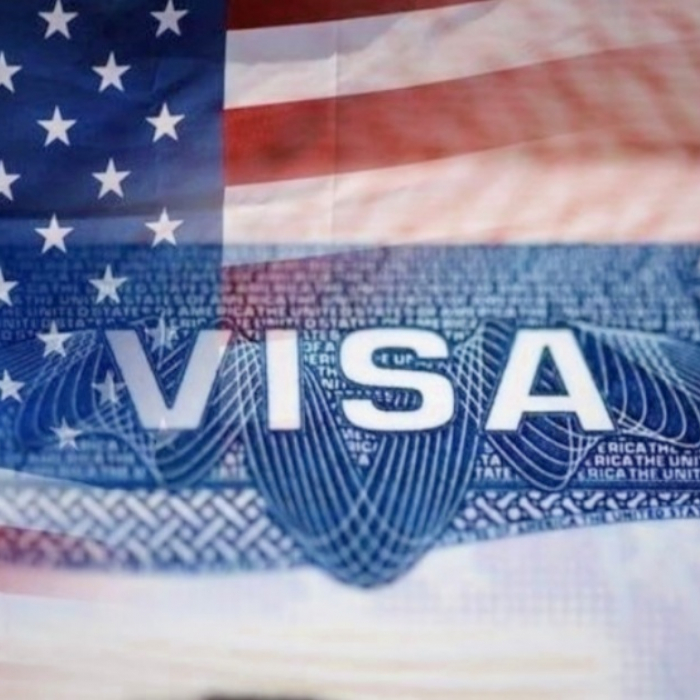
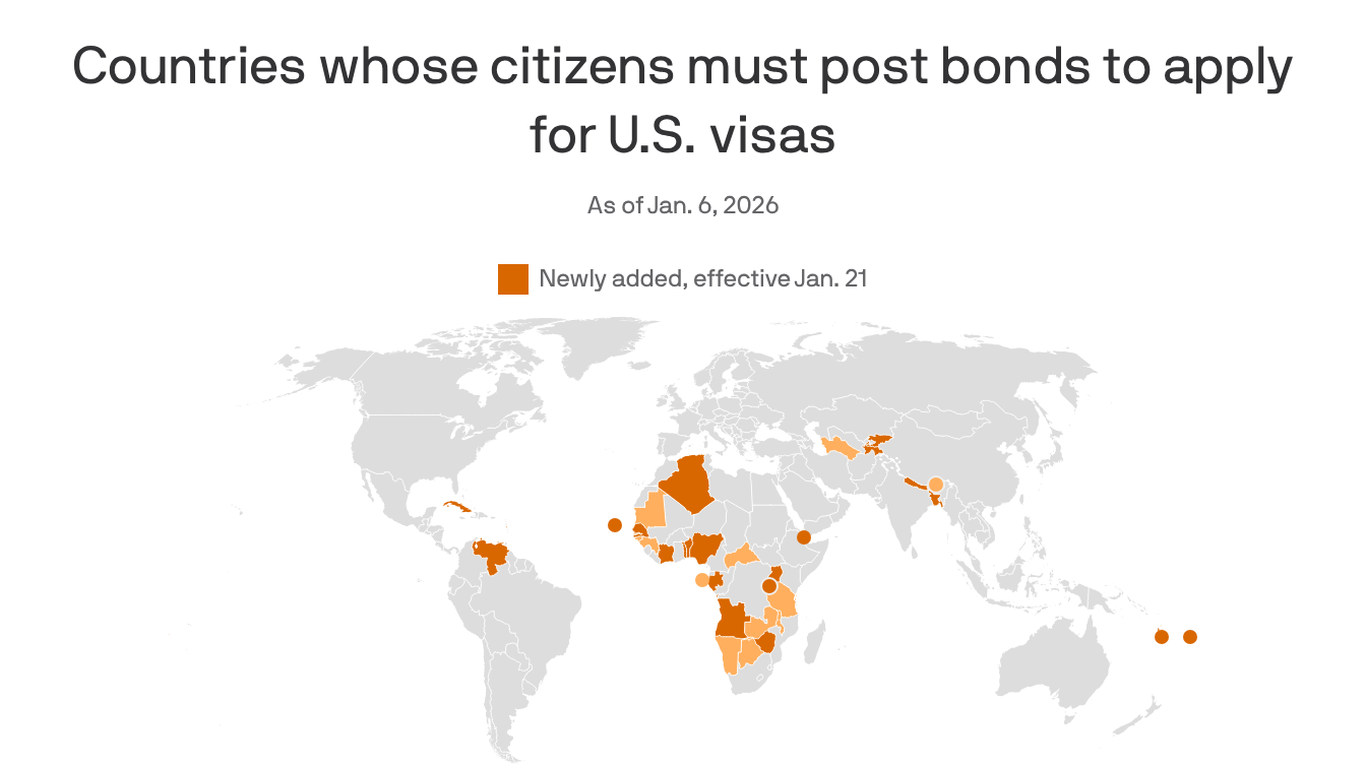
U.S. Immigration Policy Transformation marks a critical turning point in international travel regulations, with the Trump administration implementing an unprecedented visa bond requirement targeting 25 countries. The policy introduces significant financial and administrative barriers for international travelers, particularly from developing regions.
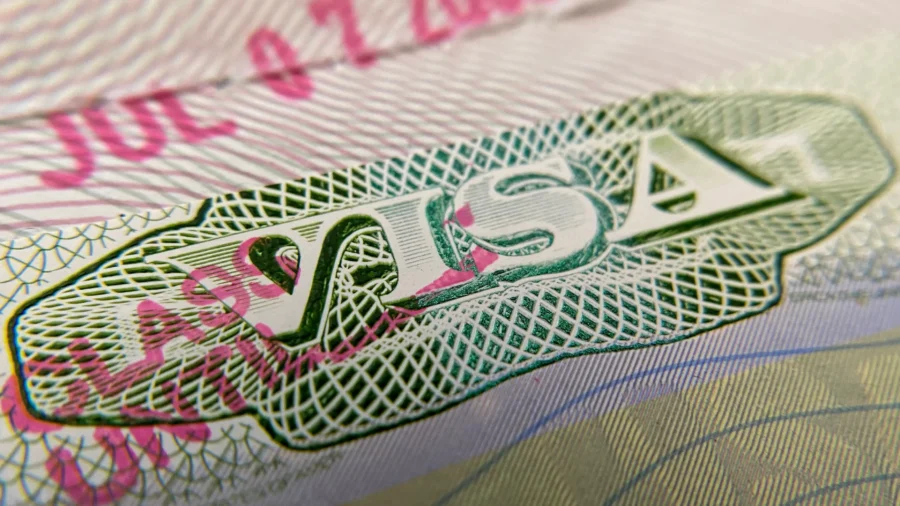
The Financial Deterrence Strategy centers on mandating visa applicants to post bonds ranging from $5,000 to $15,000, effectively creating a high-stakes financial filter for potential entrants. Specifically targeting countries with perceived high visa overstay rates, the policy strategically limits entry points to just three U.S. airports: Boston Logan, John F. Kennedy, and Washington Dulles International Airports. Critically, posting a bond does not guarantee visa approval, adding another layer of complexity for potential travelers.
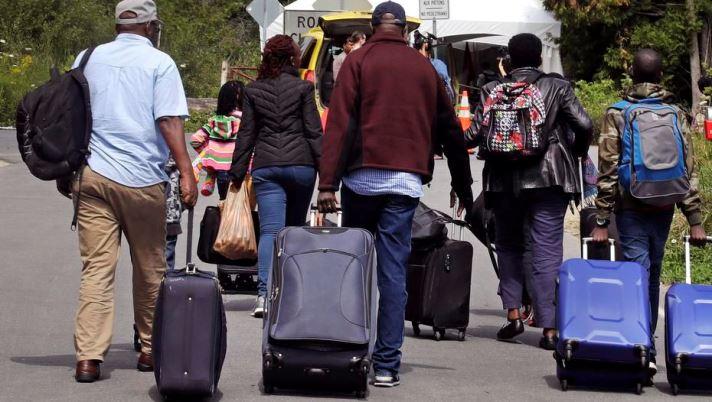
Cross-Border Business Implications are profound. Entrepreneurs and professionals from affected African, South American, and Asian nations will face substantially increased barriers to international business interactions. The policy introduces significant administrative challenges, potentially disrupting trade missions, collaborative opportunities, and professional exchanges. Venezuela and Cuba stand out as notable examples, with their inclusion suggesting broader geopolitical considerations beyond mere immigration control.
The broader context reveals an escalating trend of restrictive immigration policies with potential long-term economic and diplomatic repercussions. While ostensibly targeting unauthorized immigration, the policy may fundamentally reshape international mobility. Business leaders and professionals should monitor these developments closely, preparing for increased financial and administrative hurdles when engaging with U.S. immigration systems.
問題 5
Which countries are most affected by the new visa bond requirements?
The policy specifically impacts 25 countries, with Venezuela and Cuba prominently mentioned. The policy particularly affects nations in African, South American, and Asian regions, creating substantial travel and immigration complexities for their citizens.
What are the entry restrictions under this new policy?
Travelers from affected countries can only enter the United States through three specific airports: Boston Logan, John F. Kennedy, and Washington Dulles International Airports. Each traveler must navigate a complex visa interview process and potentially post a significant bond.