
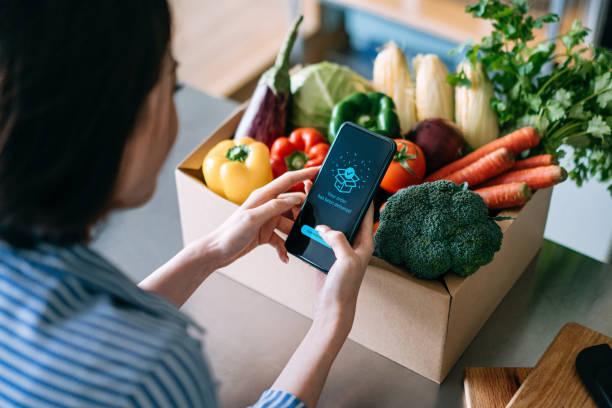
Digital Food Commerce Revolutionizes Global Supply Chain Dynamics
- Technological innovations driving unprecedented efficiency in food logistics and distribution
概览
The global food e-commerce supply chain is undergoing a radical transformation, driven by unprecedented technological innovations and changing consumer behaviors. With the market projected to grow from USD 343.31 Billion in 2024 to nearly USD 1,505.99 Billion by 2032, the supply chain ecosystem is being completely reimagined.
Technological advancements are revolutionizing supply chain efficiency through cutting-edge solutions like AI-powered demand forecasting and smart inventory management. These innovations are not just incremental improvements but fundamental restructuring of how food products move from source to consumer. Real-time order tracking and intelligent logistics are reducing food waste and creating more responsive, adaptive supply chain networks that can quickly adjust to market demands.
Sustainability has become a critical differentiator in modern food supply chains. Companies are now emphasizing eco-friendly packaging, developing sophisticated cold-chain logistics, and providing transparent sourcing information. This shift goes beyond traditional logistics, transforming supply chains into comprehensive digital food ecosystems that encompass cloud kitchens, hyperlocal sourcing, and direct-to-consumer food brands. The COVID-19 pandemic has accelerated these trends, fundamentally reshaping consumer purchasing behaviors and supply chain strategies.
Cross-border e-commerce sellers now have unprecedented opportunities to leverage these technological innovations. The convergence of rising smartphone usage, increasing digital payment trust, and advanced logistics technologies is creating a new paradigm for food distribution. Companies are investing heavily in last-mile delivery efficiency, forming strategic local vendor partnerships, and developing sophisticated customer loyalty programs that integrate seamlessly with advanced supply chain technologies.
Monitor these developments closely: the food e-commerce supply chain is no longer just about moving products, but about creating intelligent, sustainable, and hyper-personalized distribution ecosystems that can adapt in real-time to changing market dynamics.
問題 5
What opportunities exist for cross-border e-commerce sellers in food logistics?
Cross-border sellers can leverage technological innovations, personalized marketing, advanced logistics technologies, and the expanding digital food ecosystem to create more efficient, responsive, and customer-centric supply chain solutions.
What role did the COVID-19 pandemic play in food e-commerce supply chain evolution?
The pandemic dramatically accelerated digital food commerce adoption, forcing companies to invest in last-mile delivery efficiency, develop strategic local vendor partnerships, and create more flexible, technology-driven supply chain solutions.