


Hyundai Transforms Industrial Automation with Advanced AI Robotics Ecosystem
- Pioneering human-centered robotics through strategic AI and Boston Dynamics partnership


概览
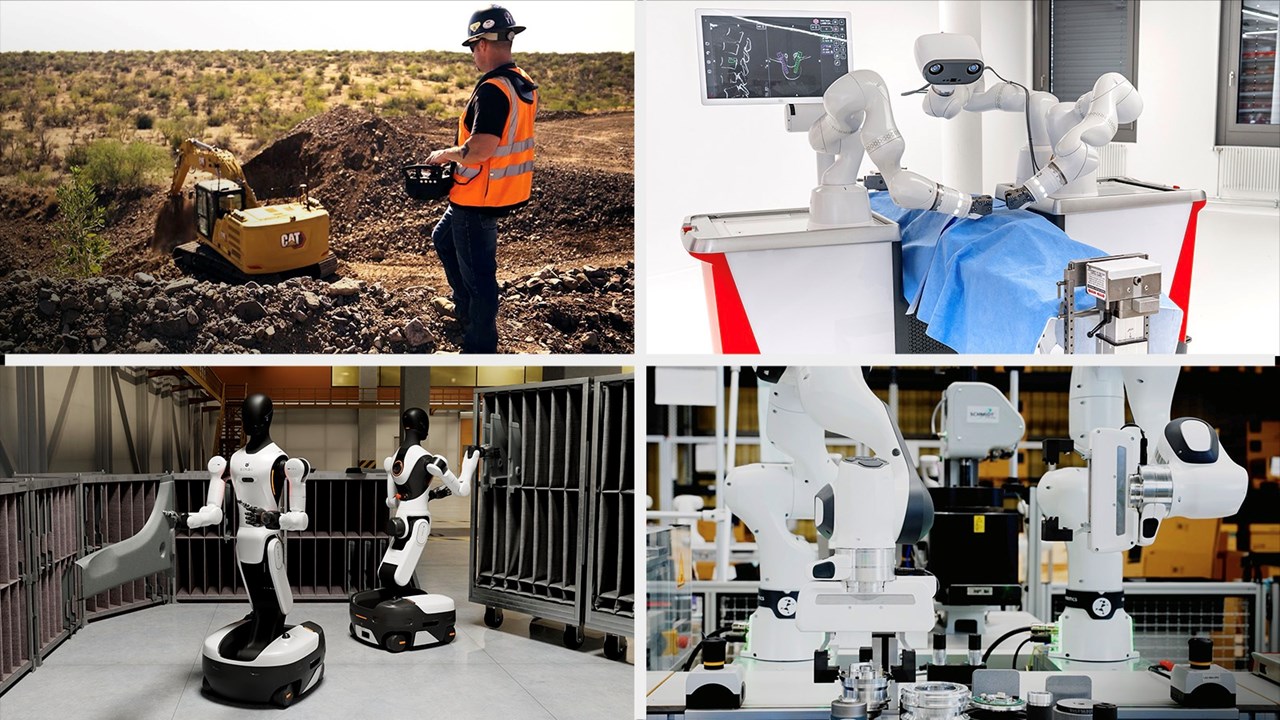
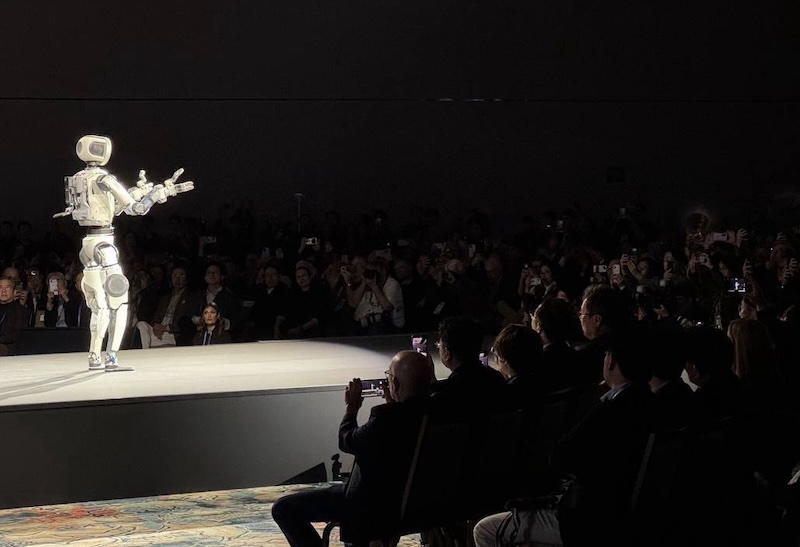
Hyundai is revolutionizing industrial robotics through a groundbreaking AI-driven strategy unveiled at CES 2026, signaling a transformative approach to human-robot collaboration. The company's bold vision centers on developing advanced humanoid robots that dramatically enhance workplace capabilities and efficiency.
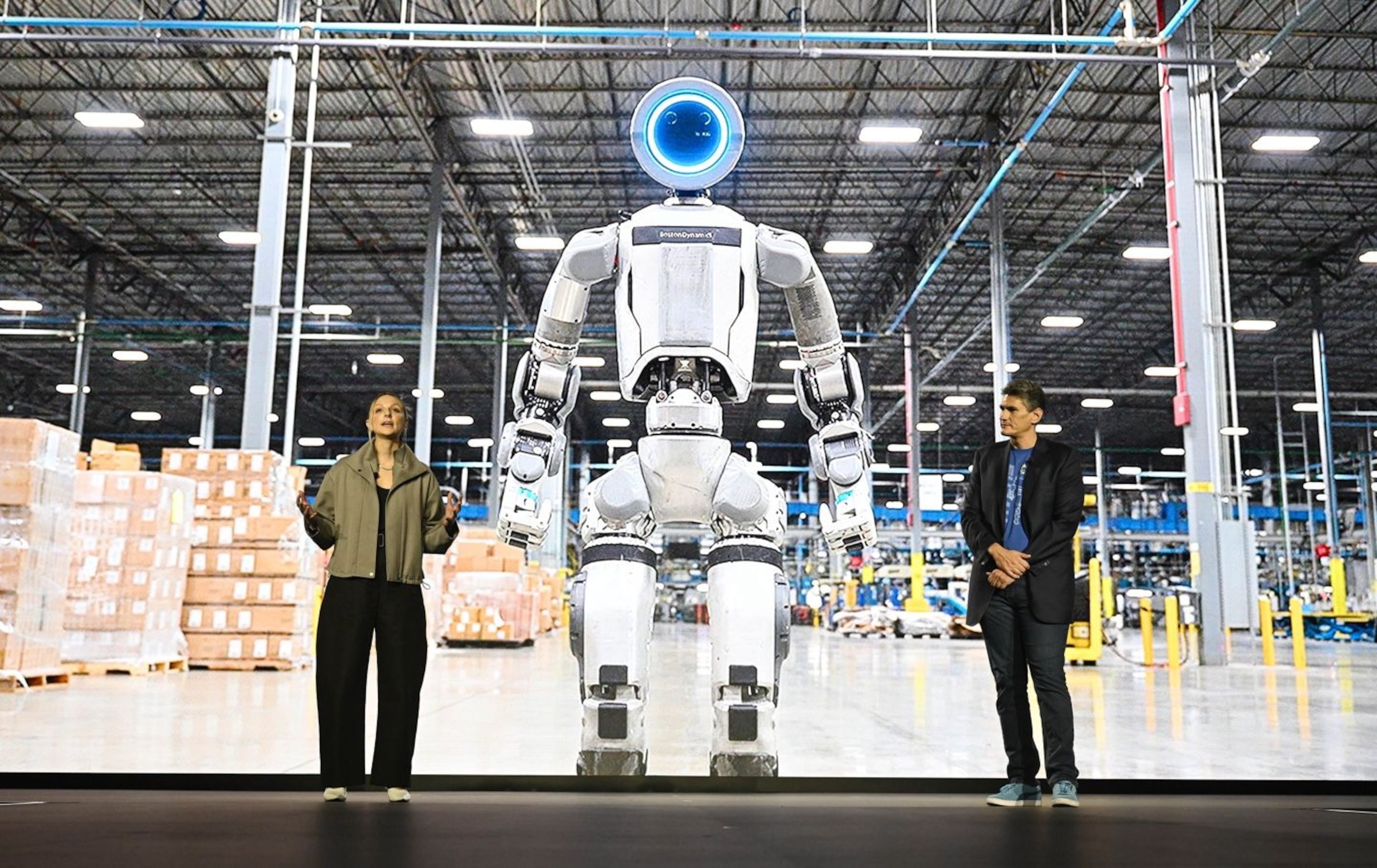
The core of Hyundai's robotics strategy lies in strategic partnerships and technological innovation. By collaborating with Boston Dynamics, Hyundai is positioning itself at the forefront of Physical AI development. The Atlas humanoid robot represents a breakthrough in industrial automation, featuring unprecedented capabilities that challenge traditional manufacturing limitations. With 56 degrees of freedom and advanced sensor technologies, Atlas can perform complex tasks with remarkable precision.
Key technological innovations distinguish Hyundai's approach to robotics. The Atlas robot demonstrates extraordinary versatility, capable of lifting up to 110 lbs and operating in extreme temperatures ranging from -4 to 104 degrees Fahrenheit. Perhaps most impressively, the robot can be trained for most tasks in under a day, representing a quantum leap in robotic adaptability. Boston Dynamics' Spot robot, already operational in over 40 countries, provides additional proof of the practical applications of advanced robotics in industrial settings.
The strategic implications for manufacturers and sellers are profound. Hyundai's approach signals a fundamental transformation in industrial workforce dynamics, where AI-driven robotics will significantly reduce physical labor burdens while enhancing workplace safety and operational efficiency. Building on its 2022 'Expanding Human Reach' theme, the company is transitioning from hardware-driven to AI-adaptive robotics, aiming to amplify human potential across various industries.
Sellers and manufacturers should closely monitor this technological evolution, preparing for an era of increased automation and intelligent robotic systems that will fundamentally reshape industrial production landscapes. The ability to integrate AI-powered robotics will likely become a critical competitive advantage in the coming decade.
問題 5
What makes Hyundai's Atlas robot unique in industrial robotics?
The Atlas robot features 56 degrees of freedom, can lift 110 lbs, operate in extreme temperatures (-4 to 104°F), and be trained for most tasks in under a day. Its advanced sensors and adaptability represent a significant breakthrough in humanoid robotic technology for industrial applications.
How is Hyundai transforming its approach to robotics?
Hyundai is transitioning from hardware-driven to AI-adaptive robotics by partnering with Boston Dynamics and focusing on human-centered robotic technologies. The strategy aims to amplify human potential through advanced robotic systems that can perform complex industrial tasks efficiently.