



French Cultural Icon Brigitte Bardot's Final Journey Marks End of an Era
- Iconic Actress and Activist's Funeral Reveals Complex Legacy of Transformation














概览
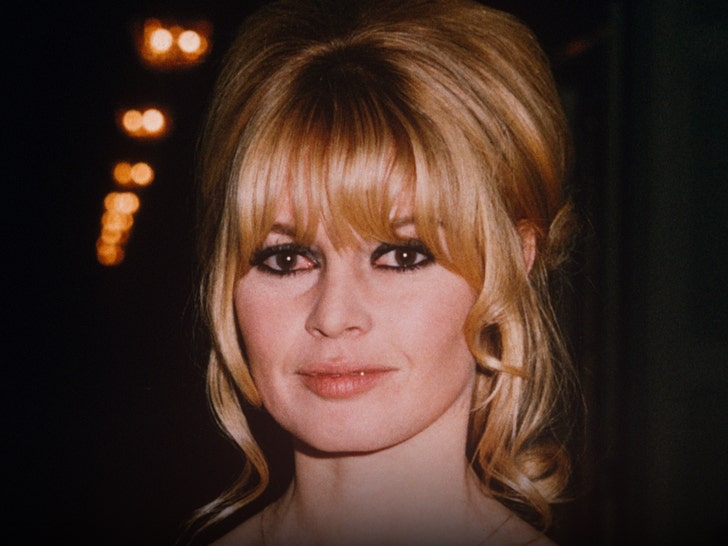
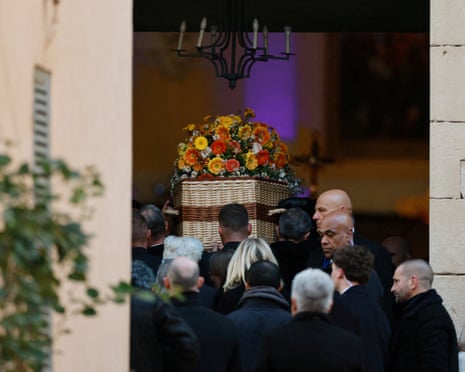
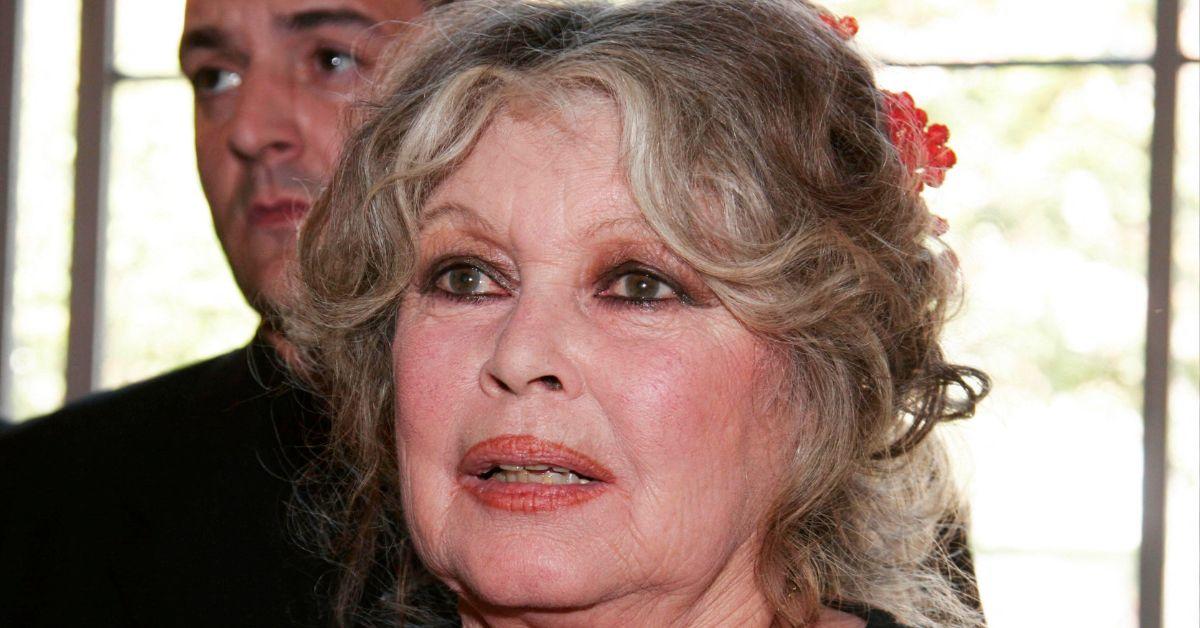
Brigitte Bardot's funeral in Saint-Tropez represents more than a farewell to a cinema legend - it symbolizes a profound narrative of personal reinvention and cultural transformation. At 91, Bardot's final public moment encapsulates her remarkable journey from international sex symbol to passionate animal rights activist.
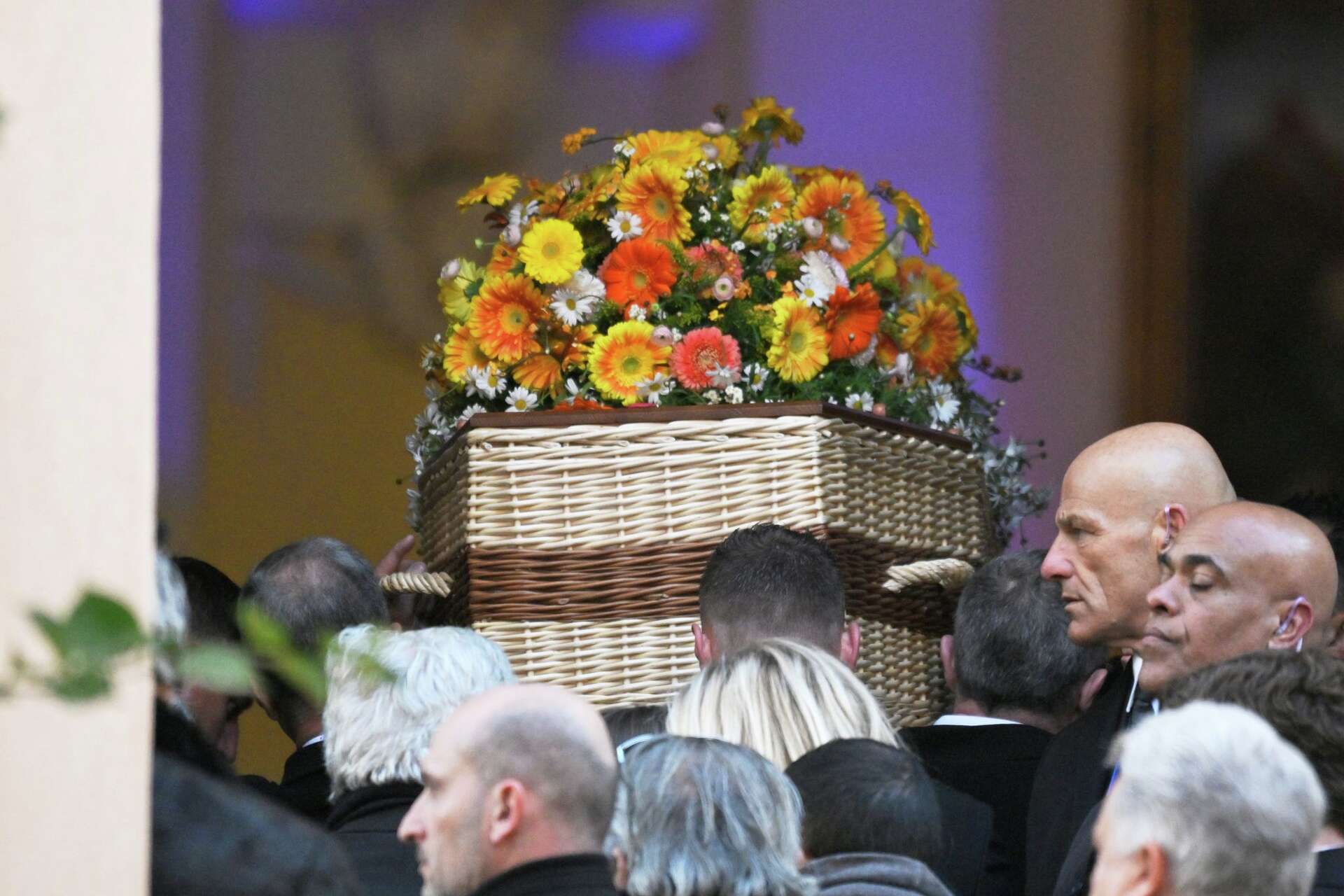
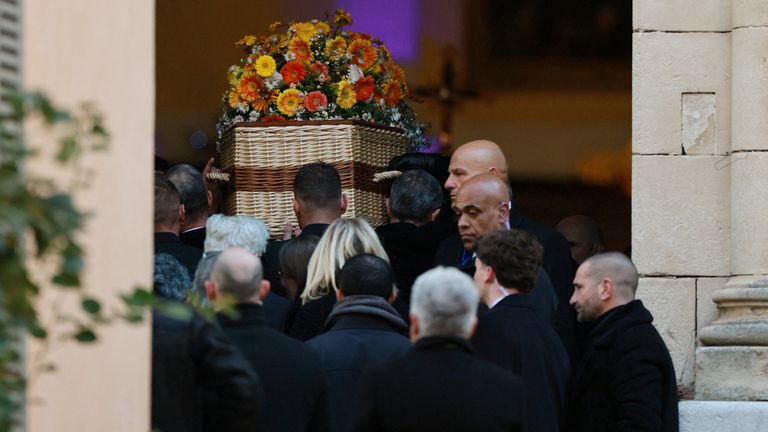
Public commemoration played a central role in her sendoff, with crowds lining the streets and the funeral broadcast across Saint-Tropez. Notable figures like far-right leader Marine Le Pen and singer Mireille Mathieu attended, underscoring Bardot's complex political and cultural significance. A poignant black-and-white photo of her hugging a baby seal symbolized her transition from cinema star to dedicated animal welfare advocate.
Bardot's legacy is fundamentally characterized by radical transformation. Rising to international fame in her early 20s through films like 'And God Created Woman', she dramatically pivoted from acting, making her last film in 1973. Her husband Bernard d'Ormale revealed she battled cancer, undergoing two surgeries before her peaceful passing at her home, La Madrague. This final chapter highlights her resilience and commitment to reinvention.
The funeral at Notre-Dame de l'Assomption church was more than a personal farewell - it was a public recognition of a figure who challenged and reshaped societal norms. From being the first celebrity to model for Marianne, the symbol of the French Republic, to becoming an outspoken activist with controversial political views, Bardot consistently defied expectations.
Sellers and brand strategists can draw profound lessons from Bardot's journey: the power of personal brand evolution, the importance of purpose-driven transformation, and the potential to redefine one's narrative beyond initial success. Her ability to transition from global sex symbol to passionate advocate demonstrates the potential for radical professional reinvention.
問題 5
Who was Brigitte Bardot and why was her funeral significant?
Brigitte Bardot was a legendary French actress and animal rights activist who transformed from an international cinema icon to a passionate advocate. Her funeral in Saint-Tropez was significant because it symbolized her complex legacy, drawing crowds and notable figures like Marine Le Pen, reflecting her cultural impact beyond entertainment.
How did Saint-Tropez contribute to Bardot's legacy?
Saint-Tropez was central to Bardot's later life, serving as her home and the location of her final farewell. The town honored her as a glamorous ambassador, and her funeral was broadcast locally, highlighting her deep connection to this iconic French Riviera destination.