


Leadership Crisis: Berlin's Mayor Faces Resignation Calls
- Political Fallout Impacts 45,000 Households During Infrastructure Vulnerability





)
概览
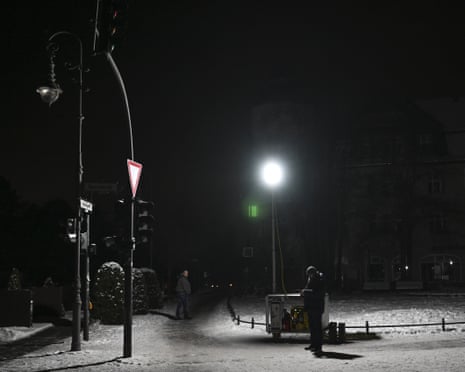
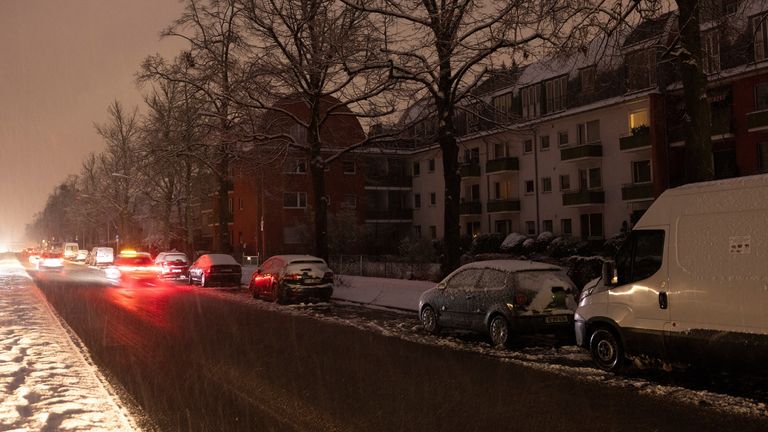
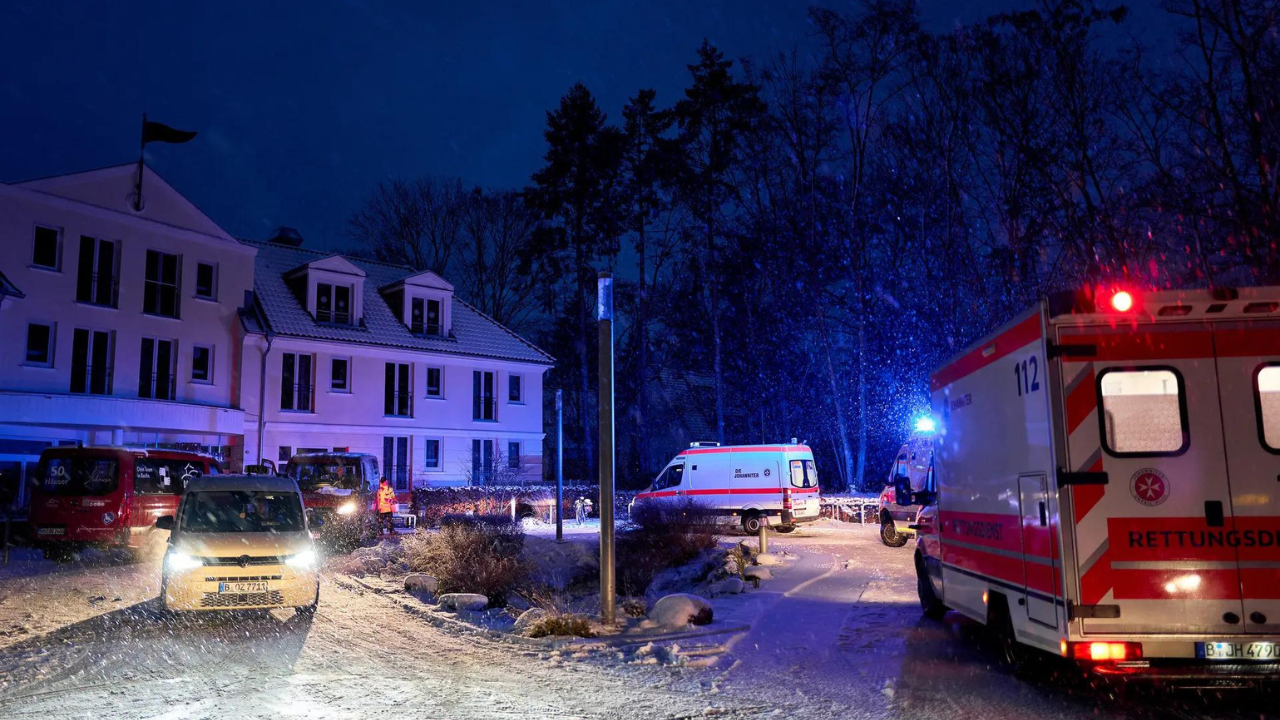
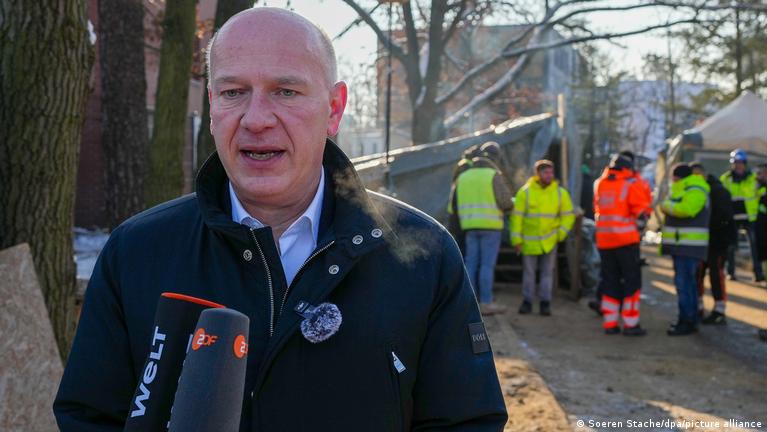
The Berlin mayoral crisis reveals critical leadership vulnerabilities during urban infrastructure emergencies. Mayor Kai Wegner's controversial decision to play tennis during a major city-wide power outage has exposed significant governance challenges and raised profound questions about municipal crisis management.
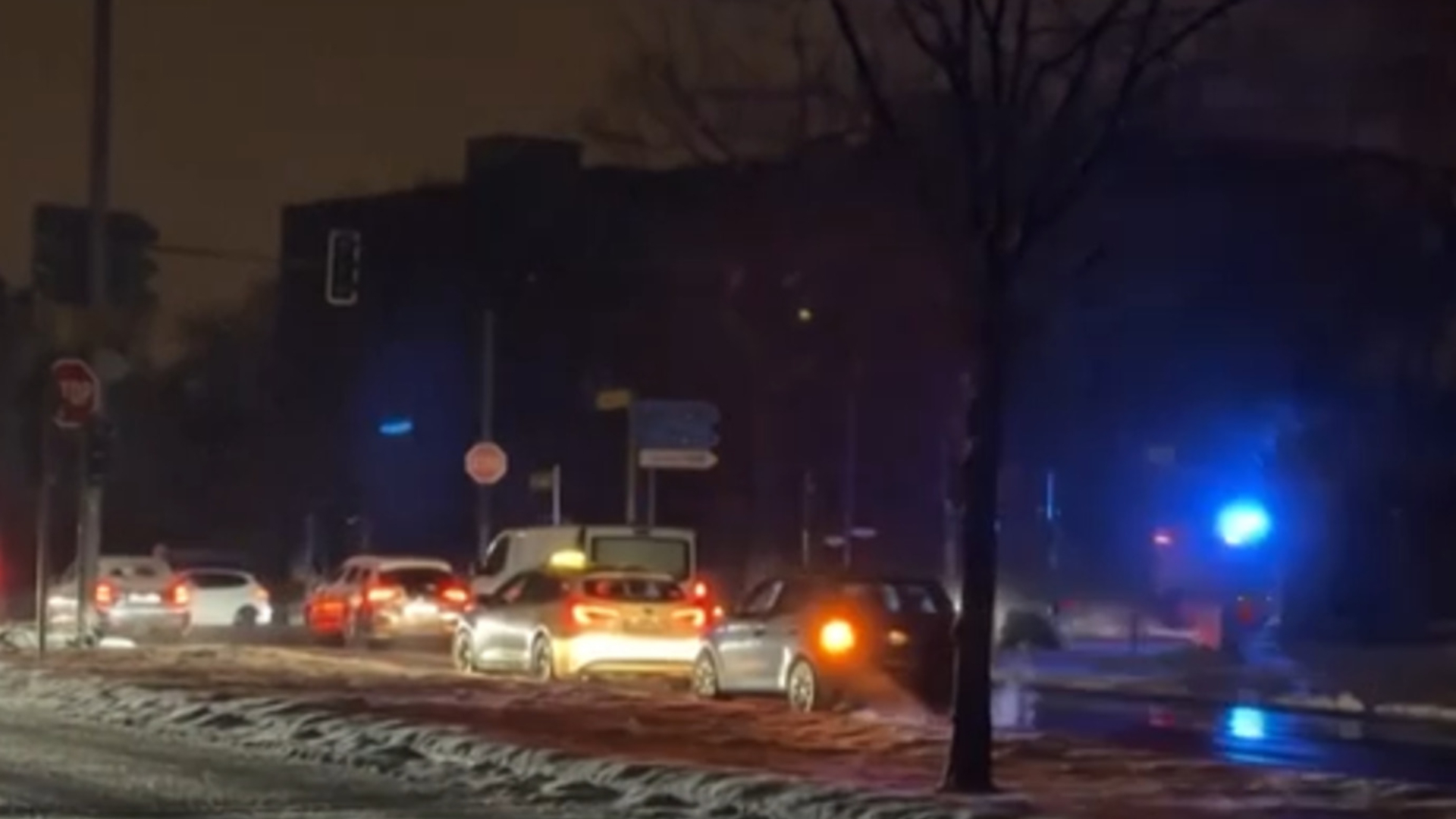
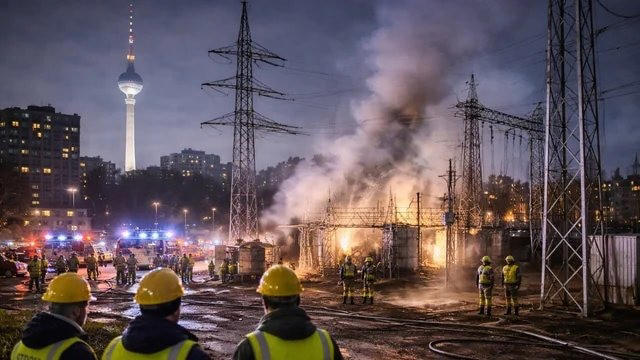
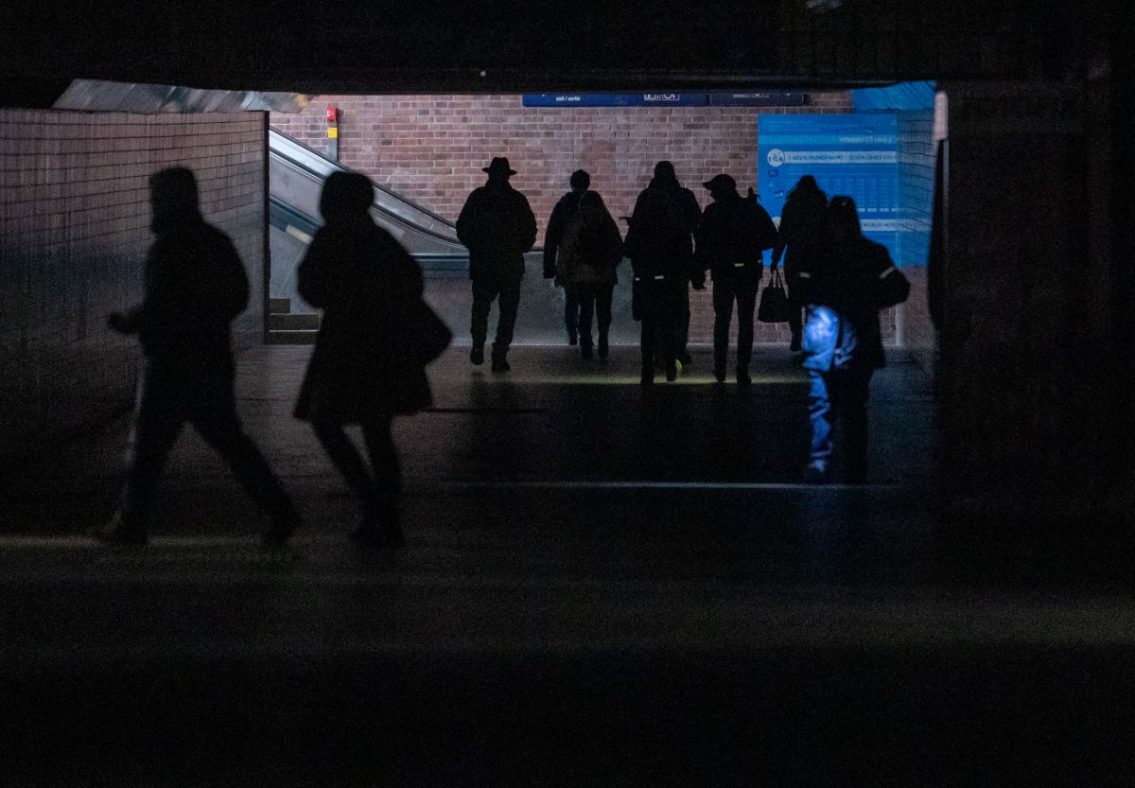
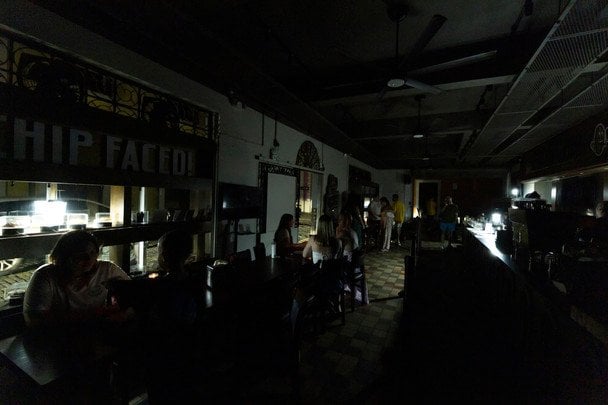
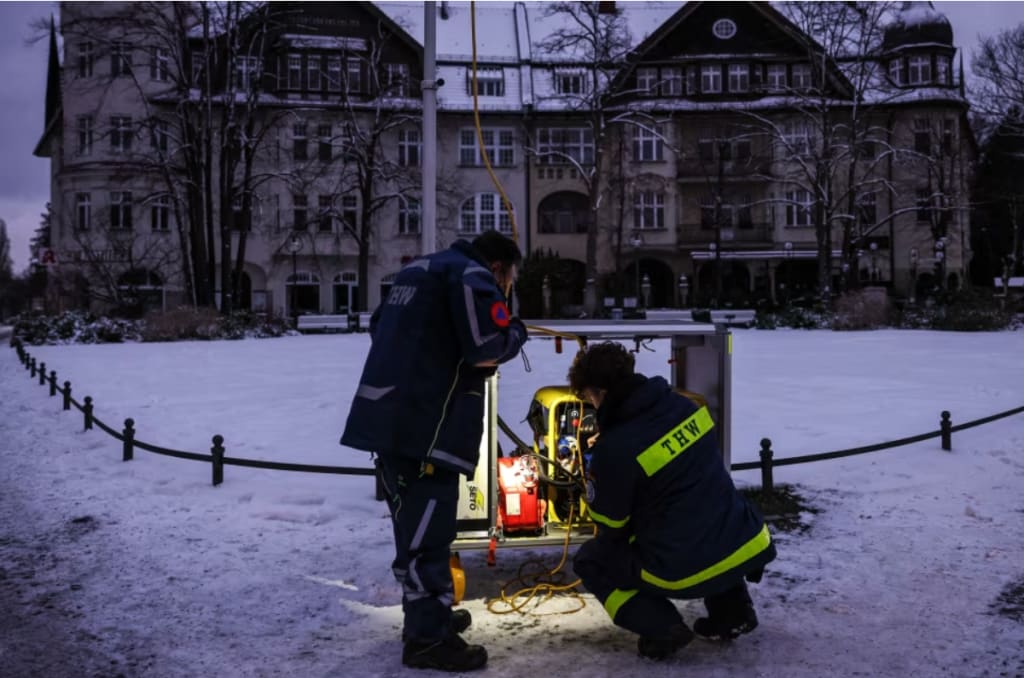
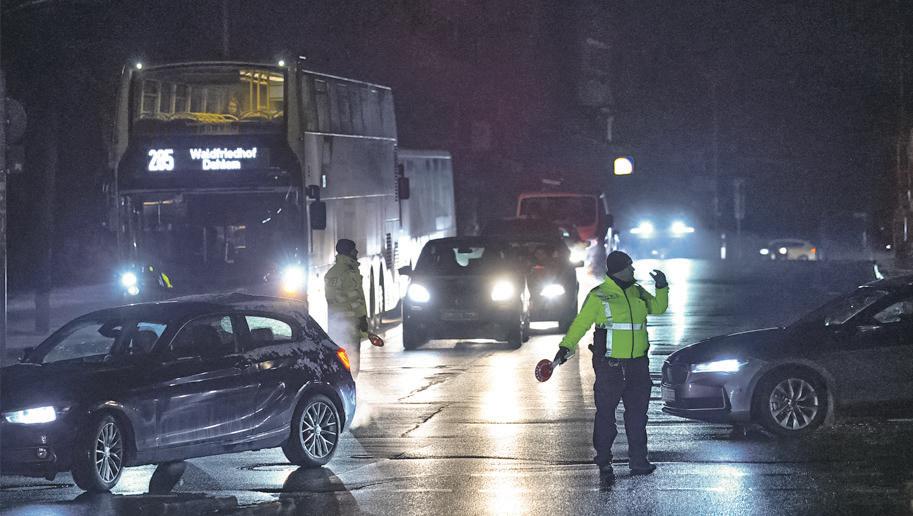
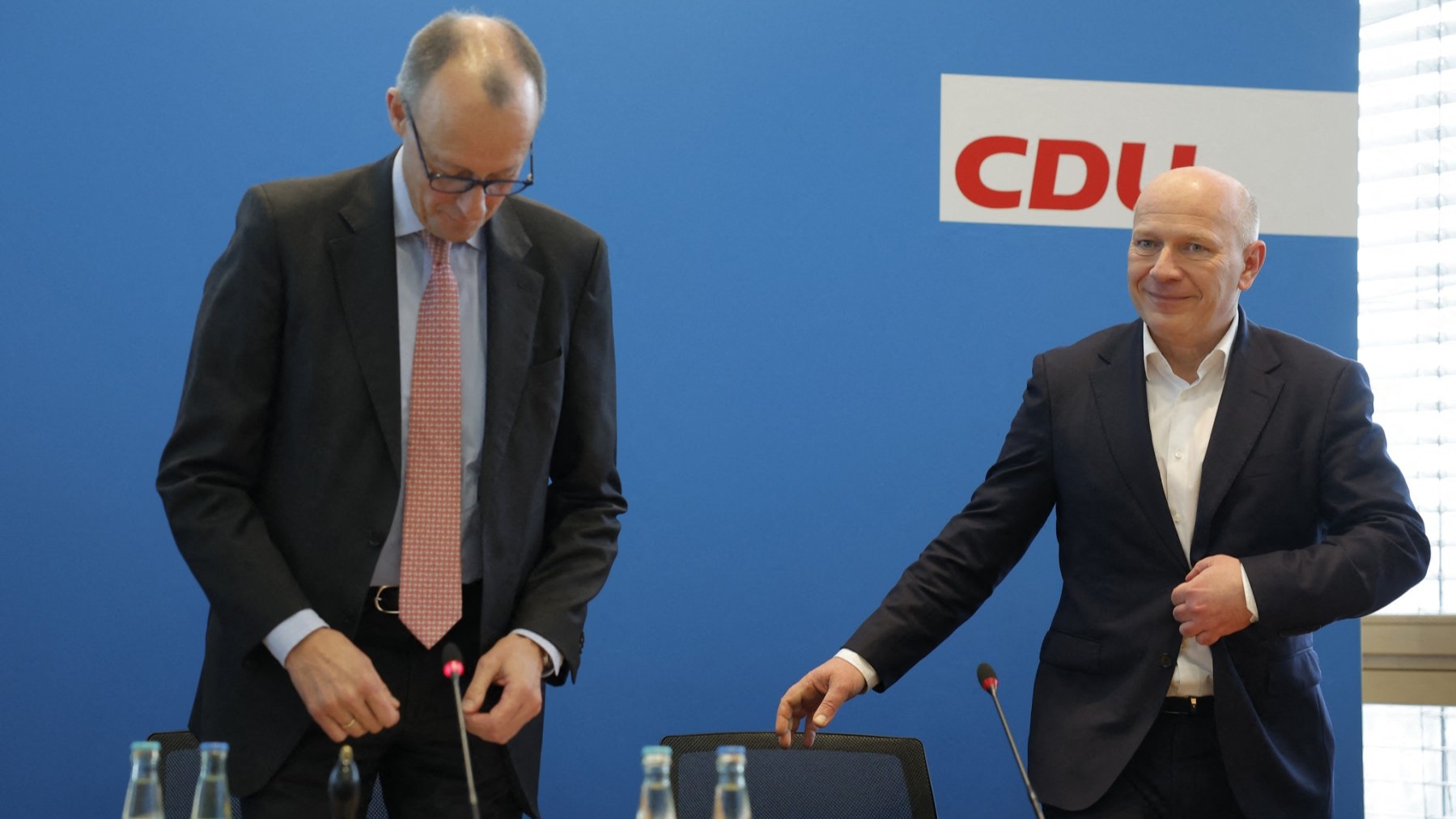
The incident, triggered by a deliberate sabotage attack, affected approximately 45,000 households and over 2,000 businesses, representing the longest power disruption since World War II. Wegner's initial claims of continuous coordination were undermined by his admission of taking a tennis break between 1-2pm, sparking widespread political criticism from multiple parties including the Alternative für Deutschland (AfD) and Social Democratic Party.
This leadership misstep follows a pattern of political accountability challenges seen in recent European governance scenarios, such as Carlos Mazón's resignation in Spain and Armin Laschet's controversial flood response. The "tennis-gate" nickname symbolizes a broader narrative of leadership disconnection during critical moments, potentially jeopardizing Wegner's political future with regional elections approaching in eight months.
The power outage has prompted crucial discussions about urban security infrastructure, emergency preparedness, and governmental response mechanisms. Wegner's attempts to manage the political fallout through party meetings and communication acknowledgments appear insufficient to fully address the underlying credibility concerns.
問題 5
What caused the Berlin power outage?
The power outage was triggered by a deliberate sabotage attack by left-wing militants, affecting approximately 45,000 households and over 2,000 businesses in Berlin.
How long was the power outage?
The power outage was described as the longest in Berlin since World War II, though the exact duration was not specified in the news report.