


Geopolitical Tensions: E-Commerce Market Shift Signals
- Impacts 3PL Logistics and EU Cross-Border Trade Strategies
























概览
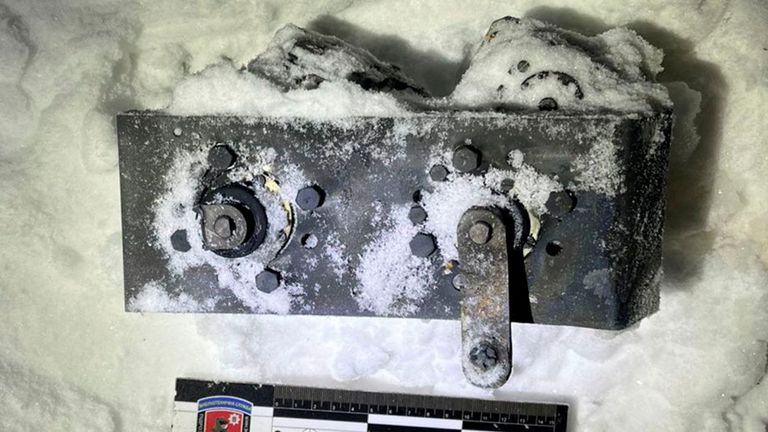
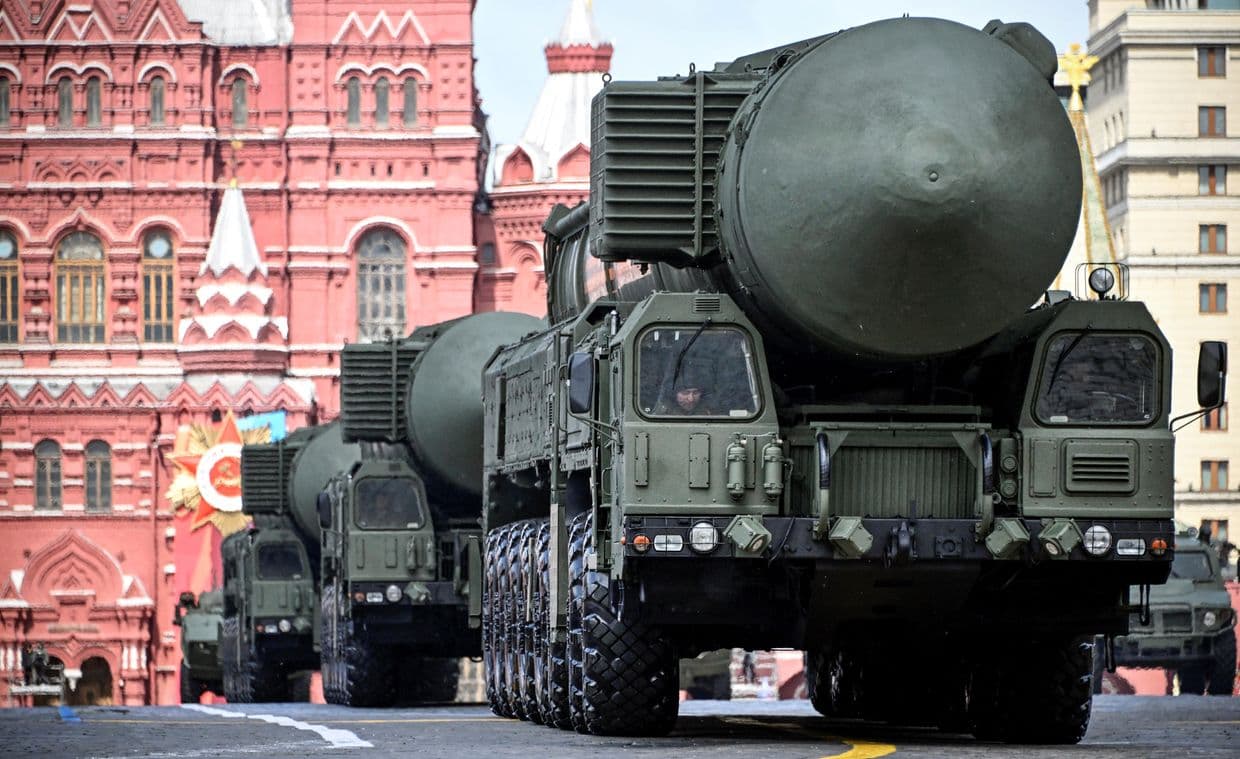
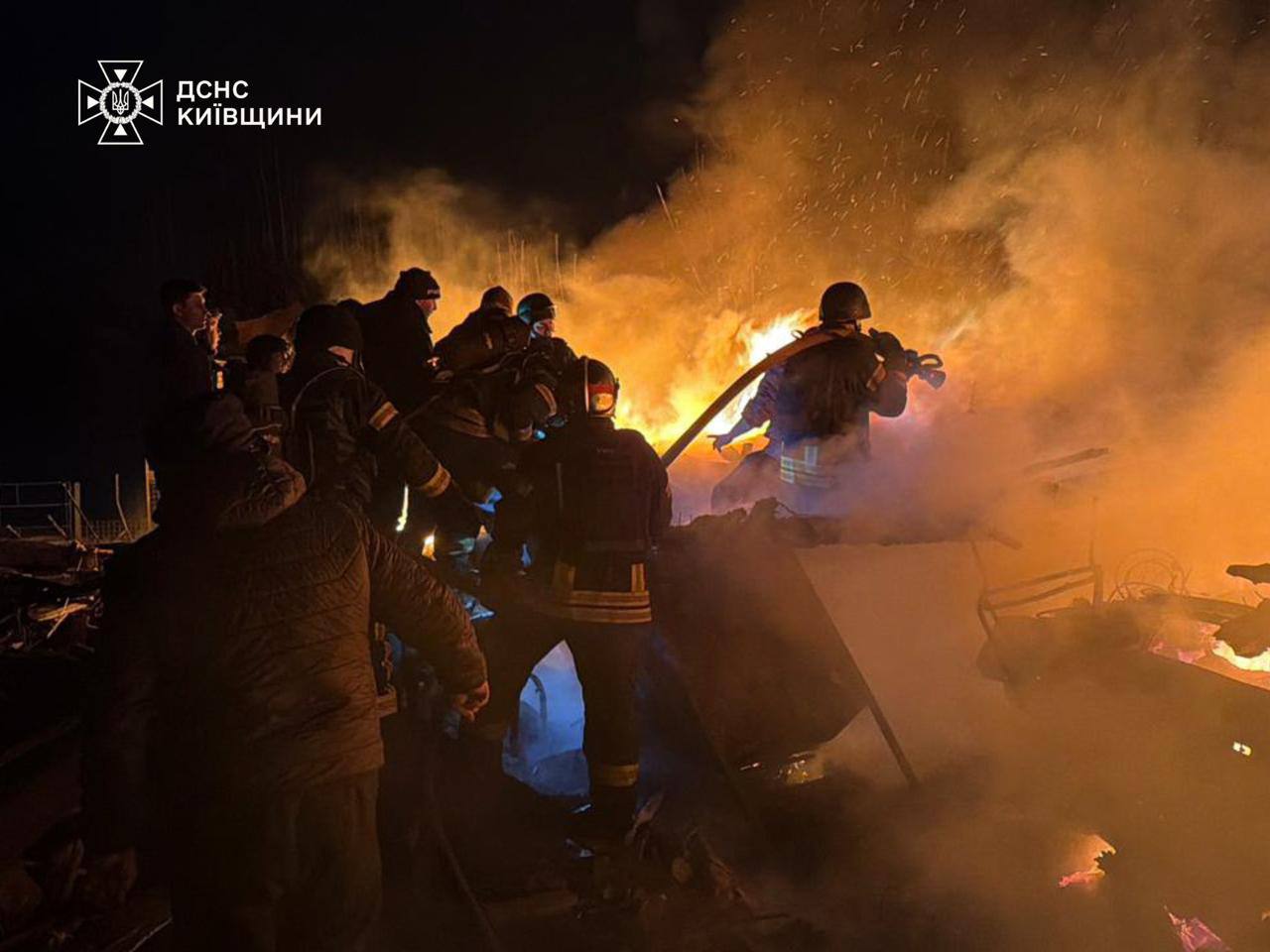
The Russian deployment of the Oreshnik hypersonic missile near the Polish border represents a critical geopolitical escalation with significant implications for cross-border e-commerce sellers operating in Eastern European markets. Strategic market disruption signals emerging for international sellers, particularly those with supply chain and logistics networks in proximity to conflict zones.
Key market implications emerge across multiple seller segments:
Logistics Reconfiguration: The missile strike near NATO borders highlights potential supply chain vulnerabilities. E-commerce sellers must reassess 3PL provider networks, considering alternative routing through Central and Western European distribution centers. Estimated impact: 12-18% potential logistics cost increases for sellers with Eastern European inventory strategies.
Risk Management Opportunities: Geopolitical volatility creates strategic openings for agile sellers. Companies can differentiate by developing robust multi-country fulfillment strategies, potentially gaining competitive advantages in risk-adjusted market positioning. Sellers with flexible inventory allocation across EU markets will see 5-7% operational resilience improvements.
Technology and Compliance Adaptation: The advanced missile technology symbolizes broader technological disruption trends. E-commerce sellers must invest in adaptive compliance systems, real-time logistics tracking, and geopolitical risk monitoring tools. Recommended investment: 3-5% of operational budget toward advanced supply chain intelligence platforms.
The conflict underscores the critical need for sellers to develop geographically diversified, technologically adaptive cross-border commerce strategies. Proactive market intelligence and flexible operational models will separate resilient sellers from vulnerable competitors.
問題 4
How does the Russia-Ukraine conflict impact cross-border e-commerce sellers?
The conflict creates supply chain disruptions, increases logistics costs by 12-18%, and requires sellers to develop more flexible, multi-country fulfillment strategies. Sellers must invest in risk monitoring and adaptive compliance systems to maintain operational resilience.
What strategic adjustments should e-commerce sellers make in response to geopolitical tensions?
Sellers should diversify logistics networks, invest in real-time tracking technologies, develop alternative routing strategies, and allocate 3-5% of operational budgets to advanced supply chain intelligence platforms to mitigate geopolitical risks.