




Cross-Border Agri-Trade Shift: EU-Mercosur Deal Impact
- Disrupts $12B Agricultural Export Market | Affects 50K+ EU Sellers





)


















概览
The EU-Mercosur trade deal represents a critical inflection point for cross-border agricultural commerce, signaling massive market restructuring with profound implications for international e-commerce sellers. The landmark agreement opens unprecedented market access between European and South American agricultural producers, creating a complex competitive landscape that will dramatically reshape global food and commodity trading.
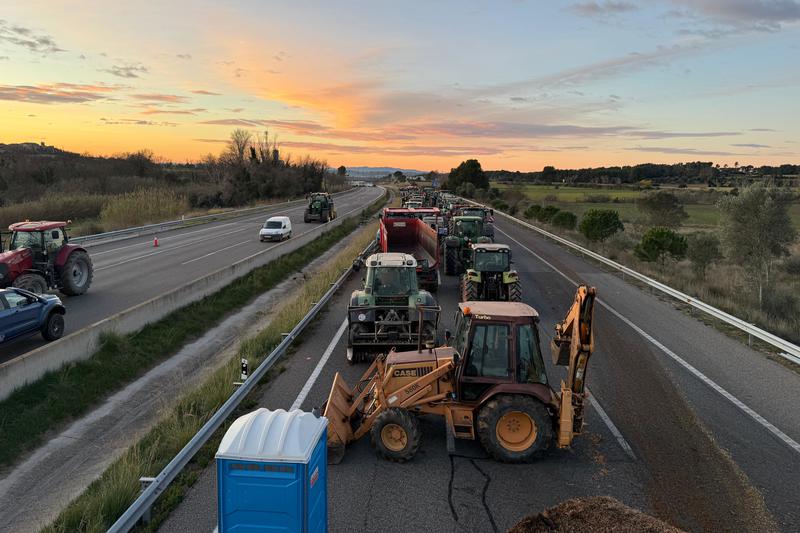
Strategic Market Transformation Signals: French farmers' intense protests reveal deep structural anxieties about competitive pressures. The deal threatens traditional European agricultural protection models, specifically targeting sectors like beef, chicken, sugar, ethanol, and honey production. For cross-border sellers, this translates into a significant market reconfiguration with potential margin compression and new sourcing opportunities.
Seller Opportunity Landscape:
- Emerging market entry points for South American agricultural exporters
- Potential 15-25% cost reduction in agricultural commodity imports
- New compliance requirements for cross-border food product registrations
- Increased competition in premium agricultural product categories
The geopolitical negotiation underscores a critical trend: trade agreements are no longer just political instruments but complex economic ecosystems that directly impact seller strategies. E-commerce platforms will need to rapidly adapt their categorization, compliance, and logistics frameworks to accommodate these emerging market dynamics.
Immediate seller actions include reassessing supply chain resilience, exploring new sourcing partnerships in Mercosur countries, and developing flexible product positioning strategies that can withstand increased international competition.
問題 4
Which agricultural sectors are most affected by this trade agreement?
Key impacted sectors include beef, chicken, sugar, ethanol, and honey production. French farmers have specifically highlighted these categories as most vulnerable to increased South American competition.
How will the EU-Mercosur trade deal impact agricultural e-commerce sellers?
The deal will create new market entry opportunities for South American producers, potentially reducing import costs by 15-25% and introducing more competitive agricultural product categories. Sellers must adapt supply chains and compliance strategies to leverage these changes.