



College Basketball Showdown: Gonzaga's Strategic Dominance Over UCLA Reveals Competitive Dynamics
- Performance Analysis Highlights Tactical Execution and Defensive Strategy in High-Stakes Collegiate Basketball Matchup






,fit(1200,675),quality(65))






概览
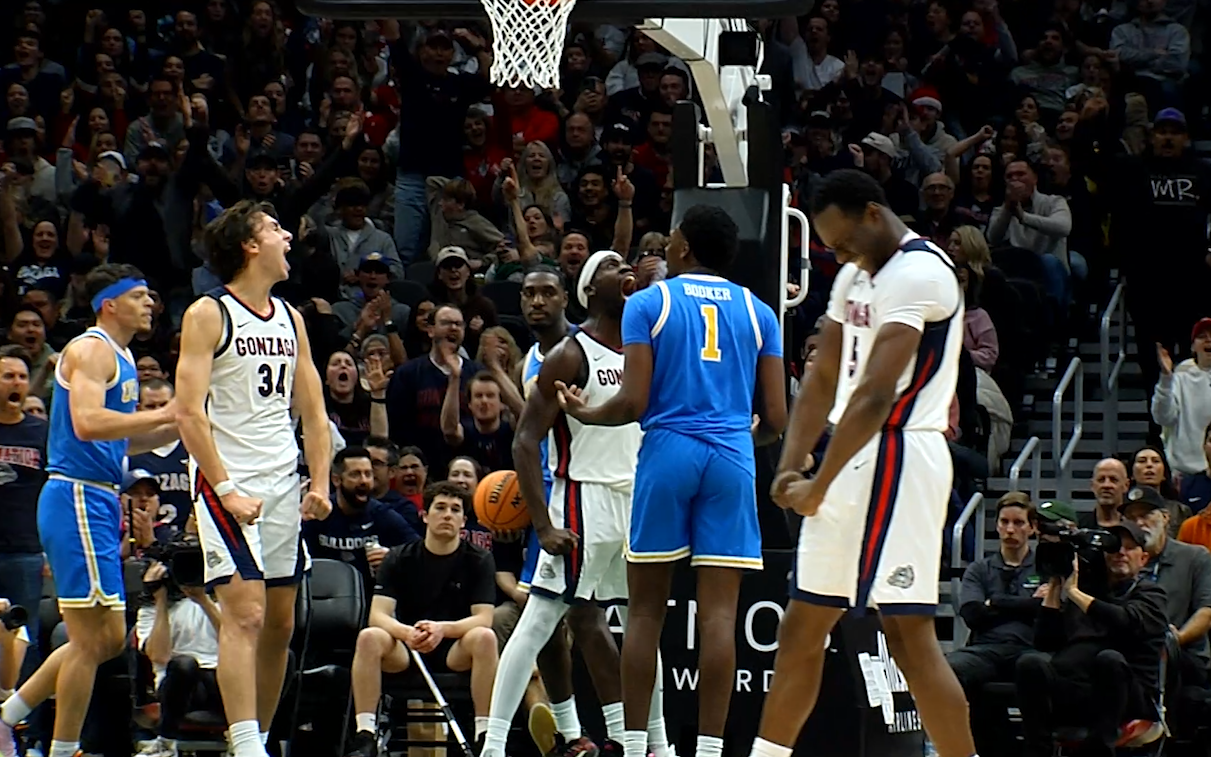
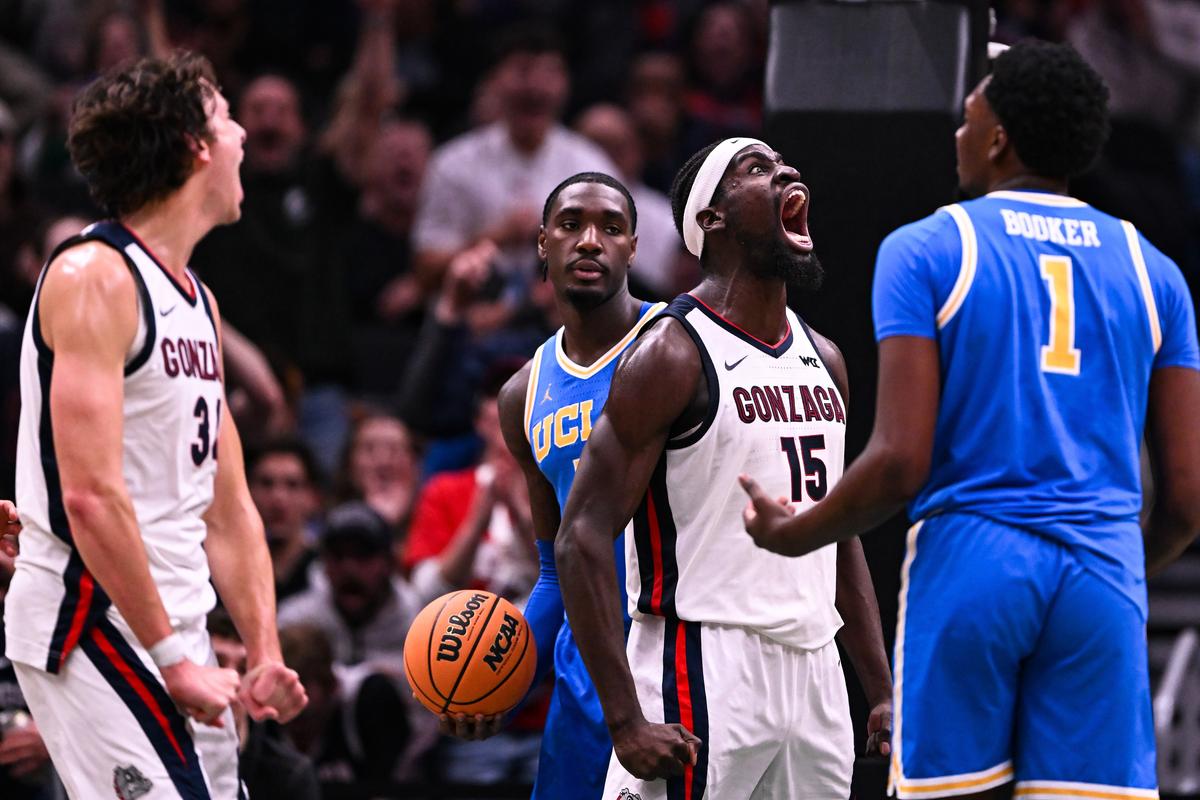
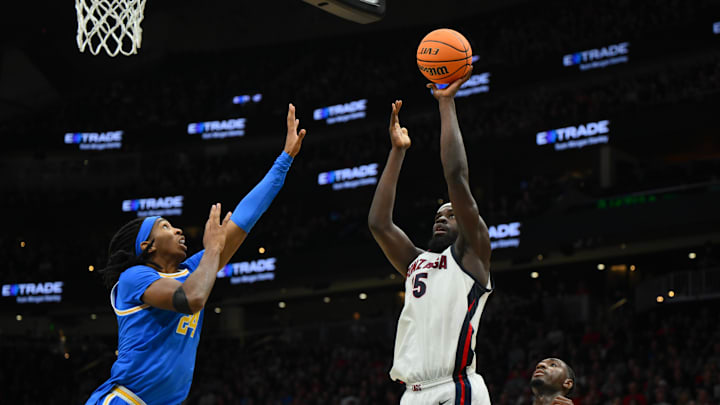
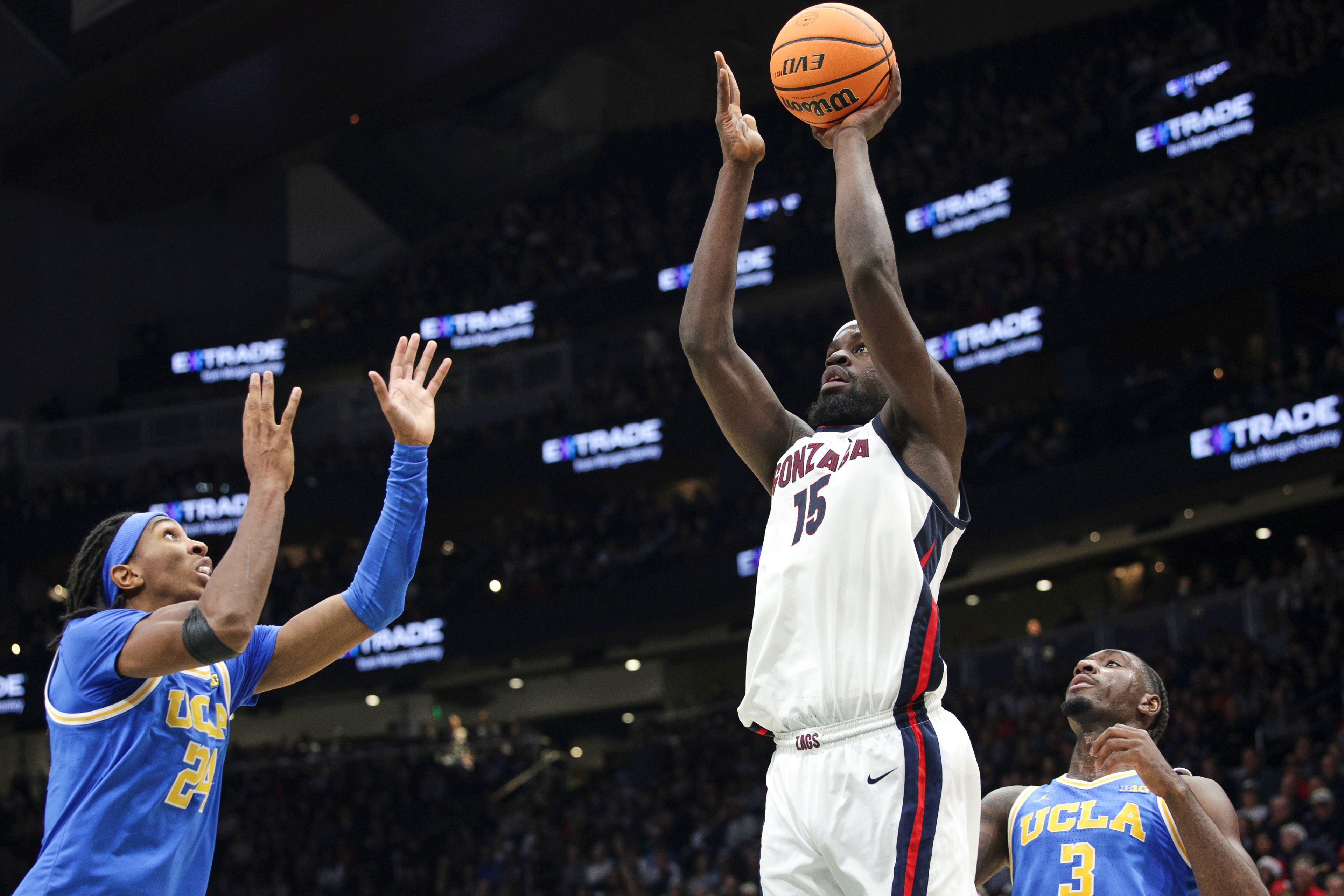
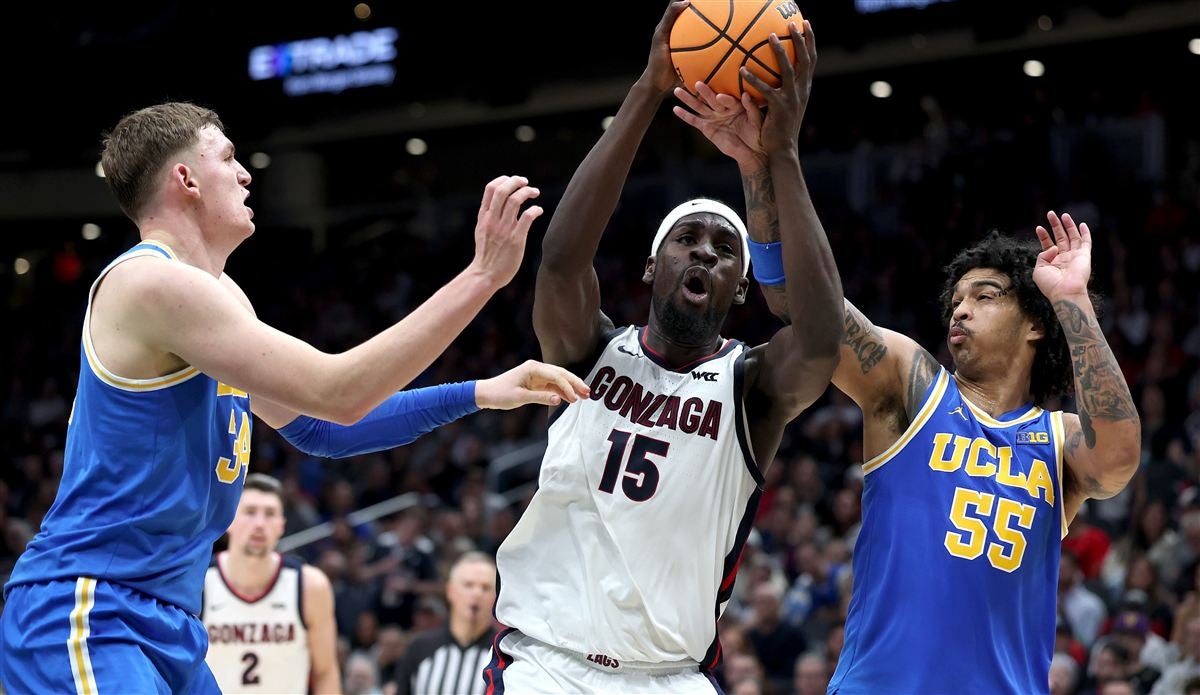
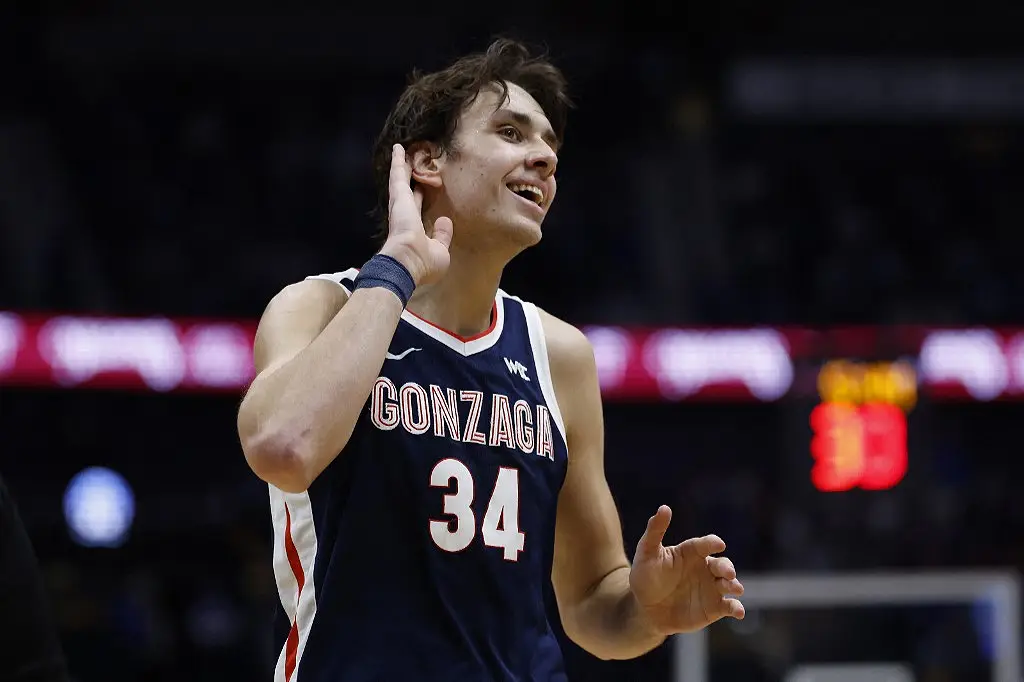
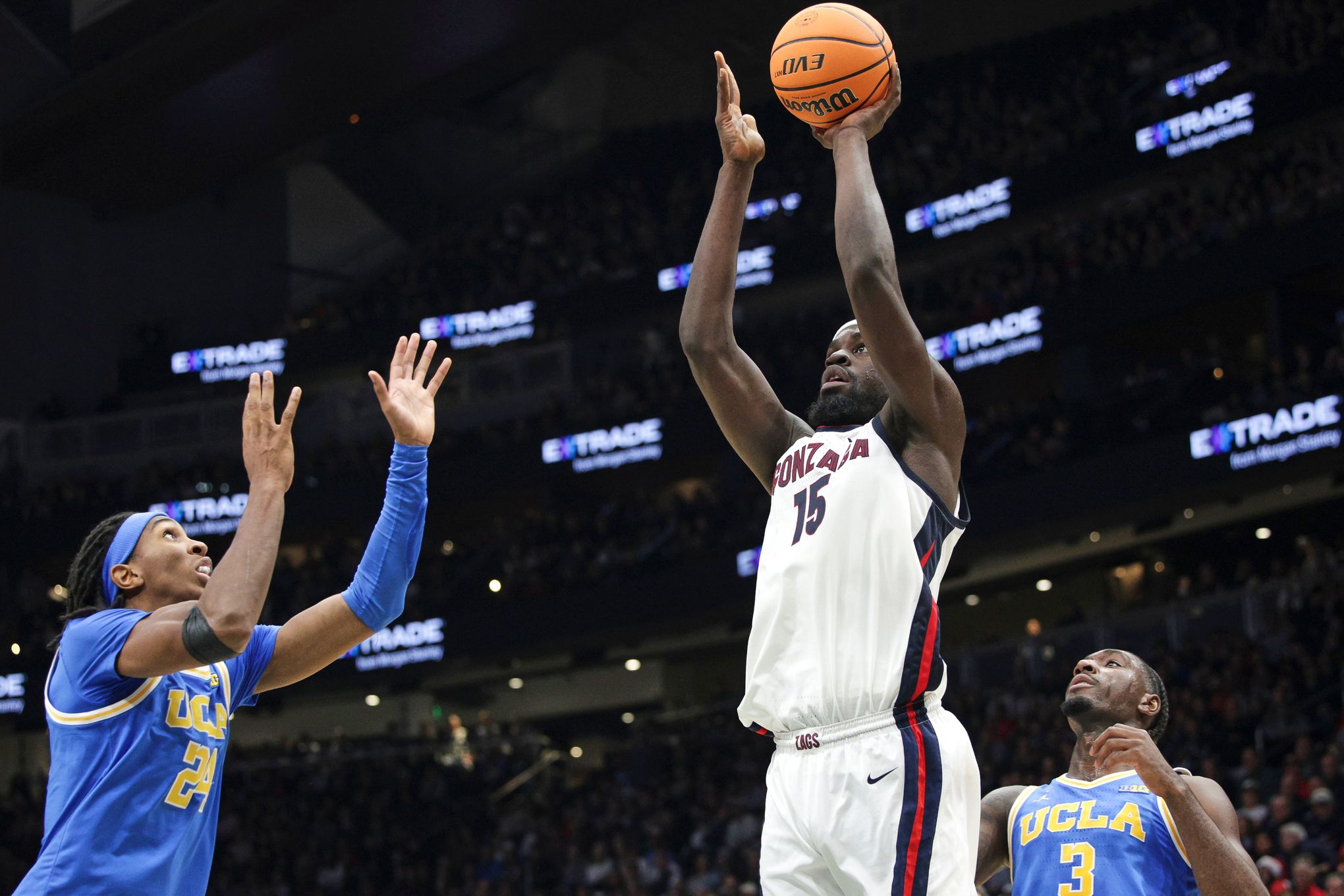
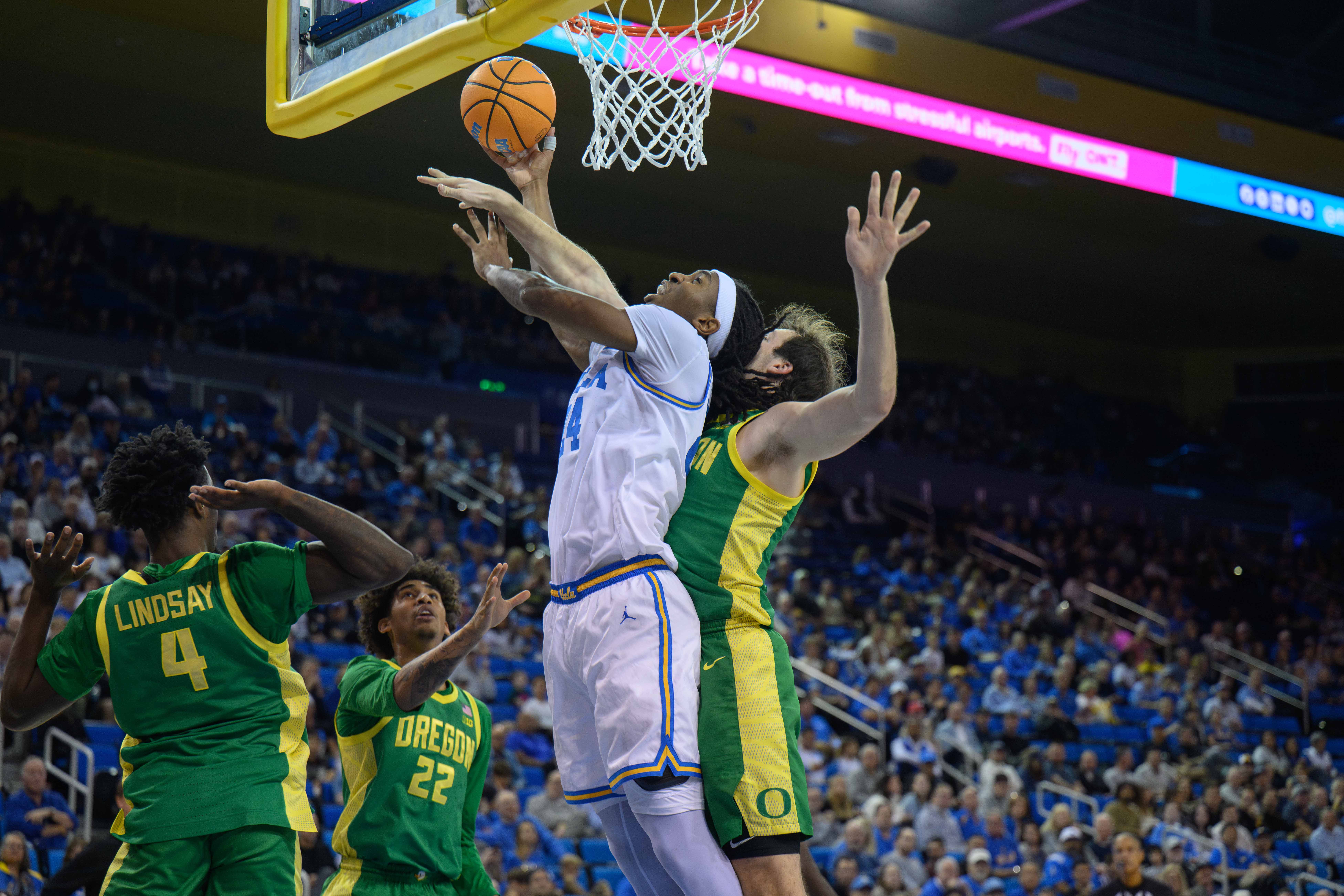
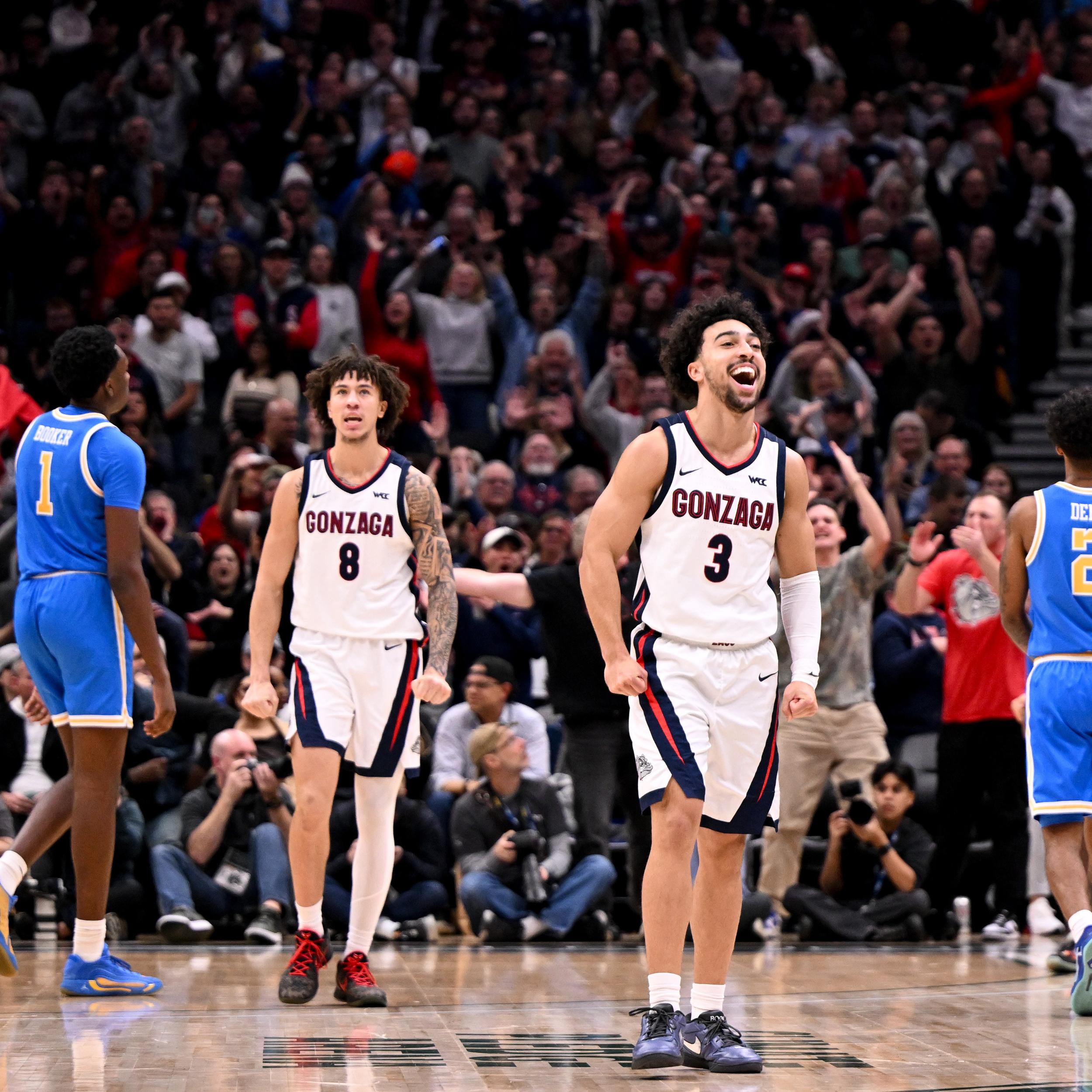
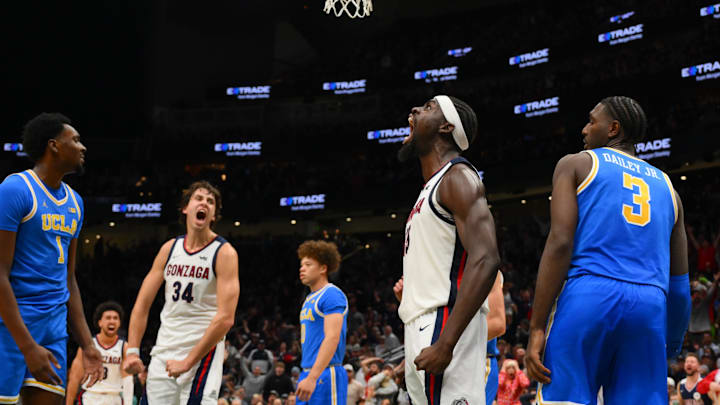
In a compelling display of collegiate athletic prowess, Gonzaga's basketball program demonstrated strategic superiority in its recent 82-72 victory over UCLA, revealing deeper insights into competitive performance dynamics. The match at Climate Pledge Arena was more than just a game—it was a masterclass in tactical execution and strategic resilience.
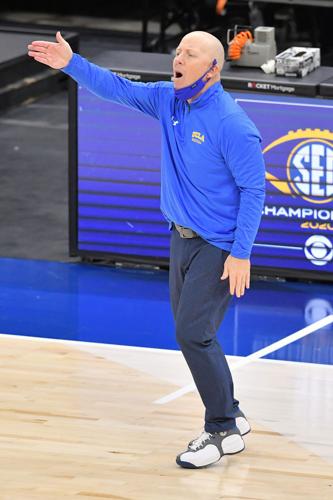
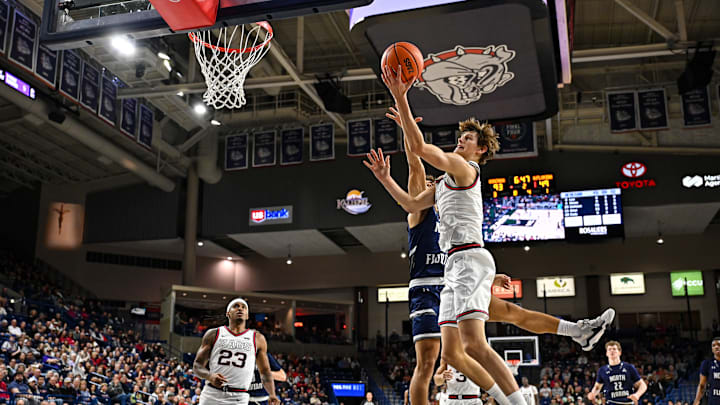
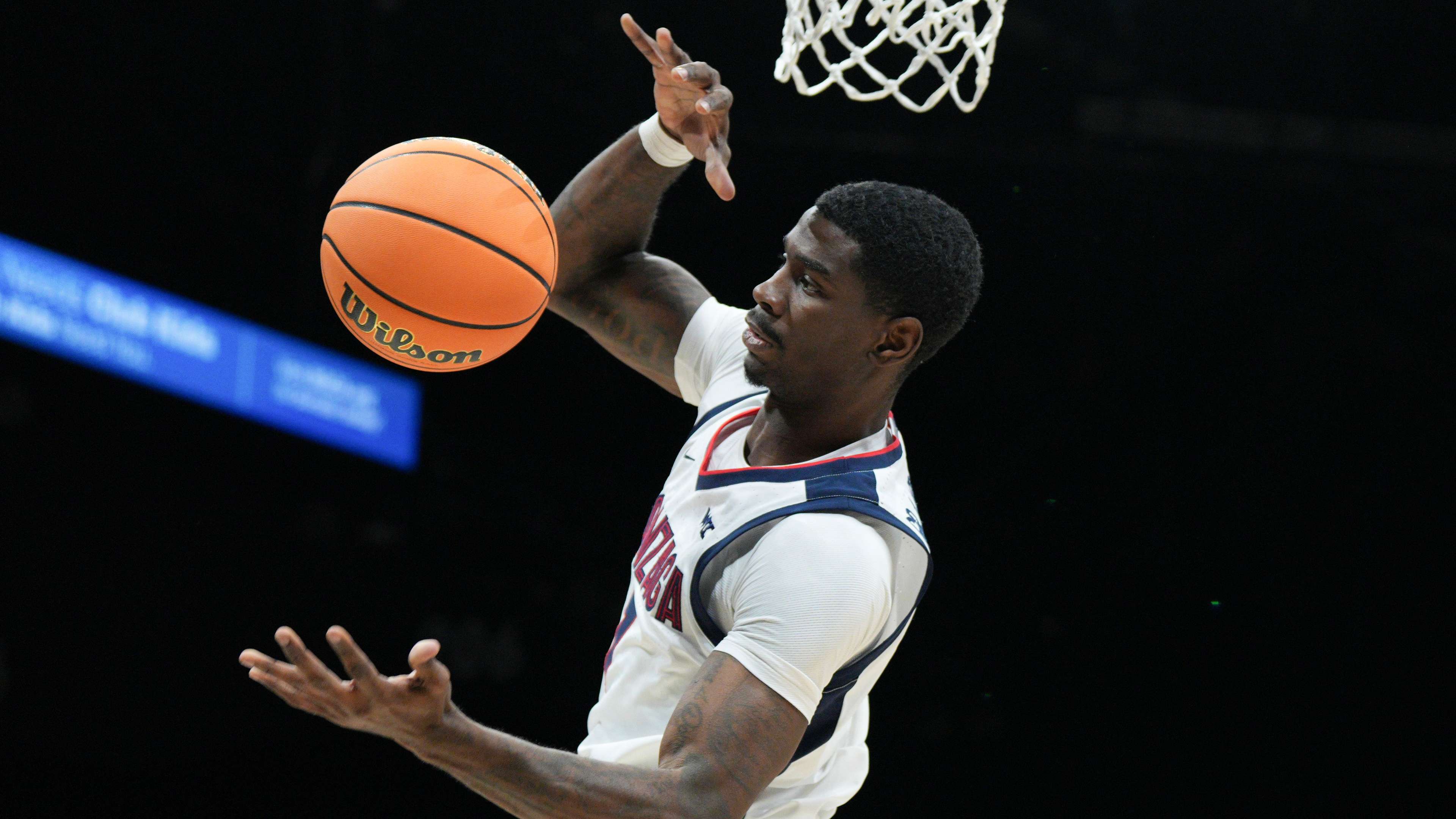
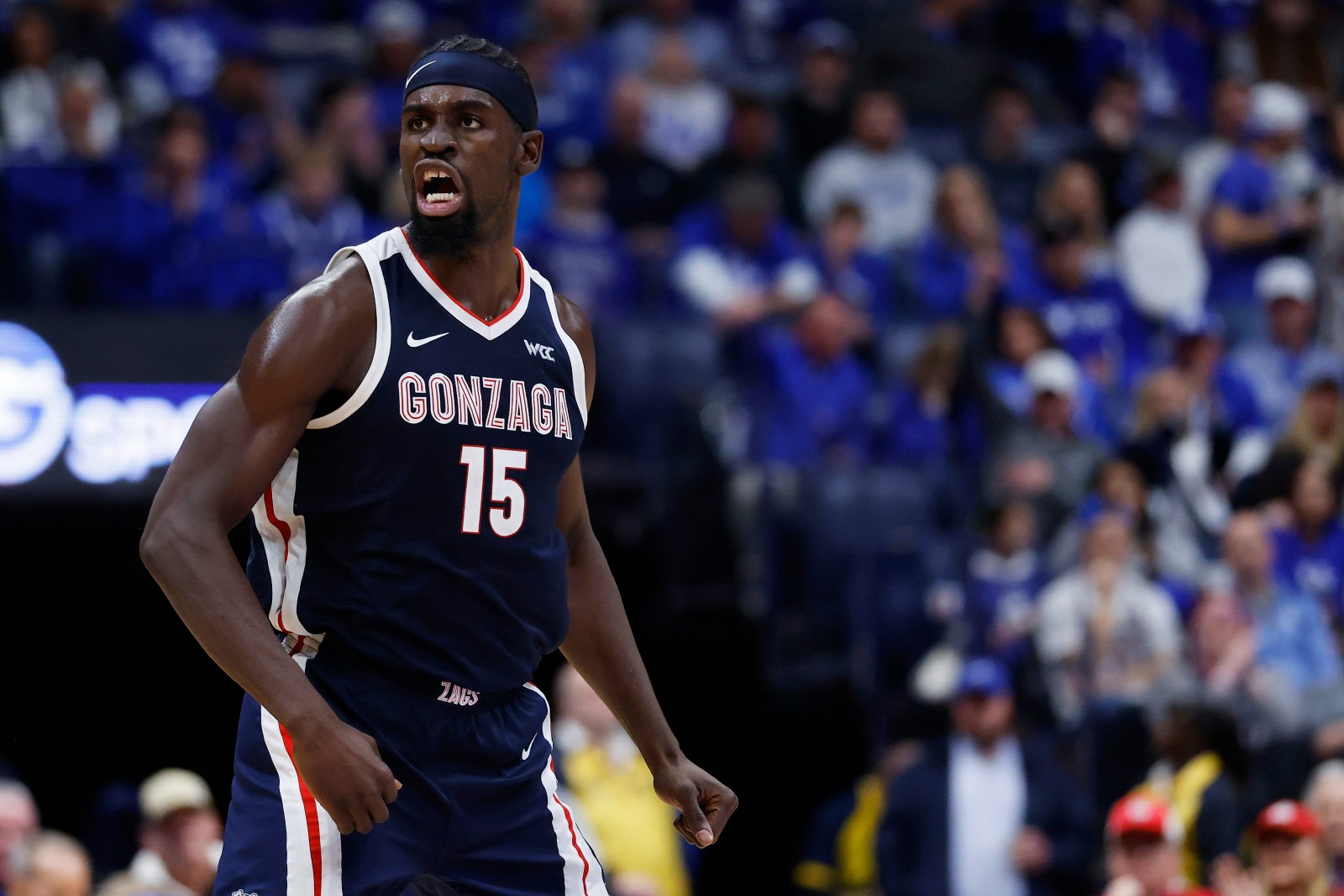
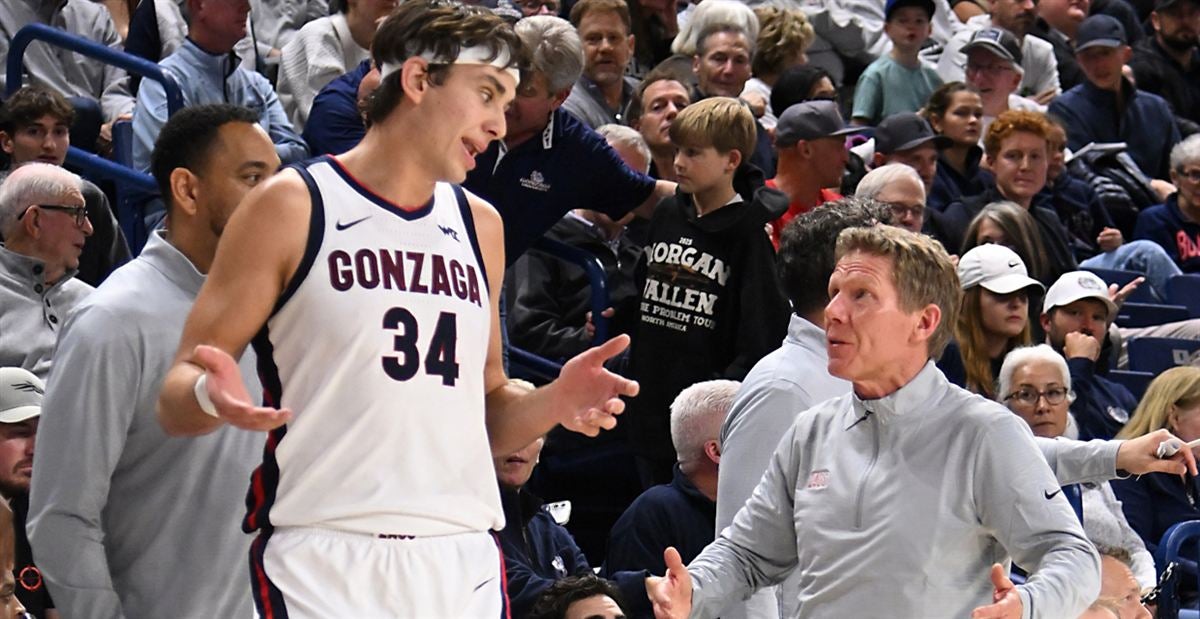
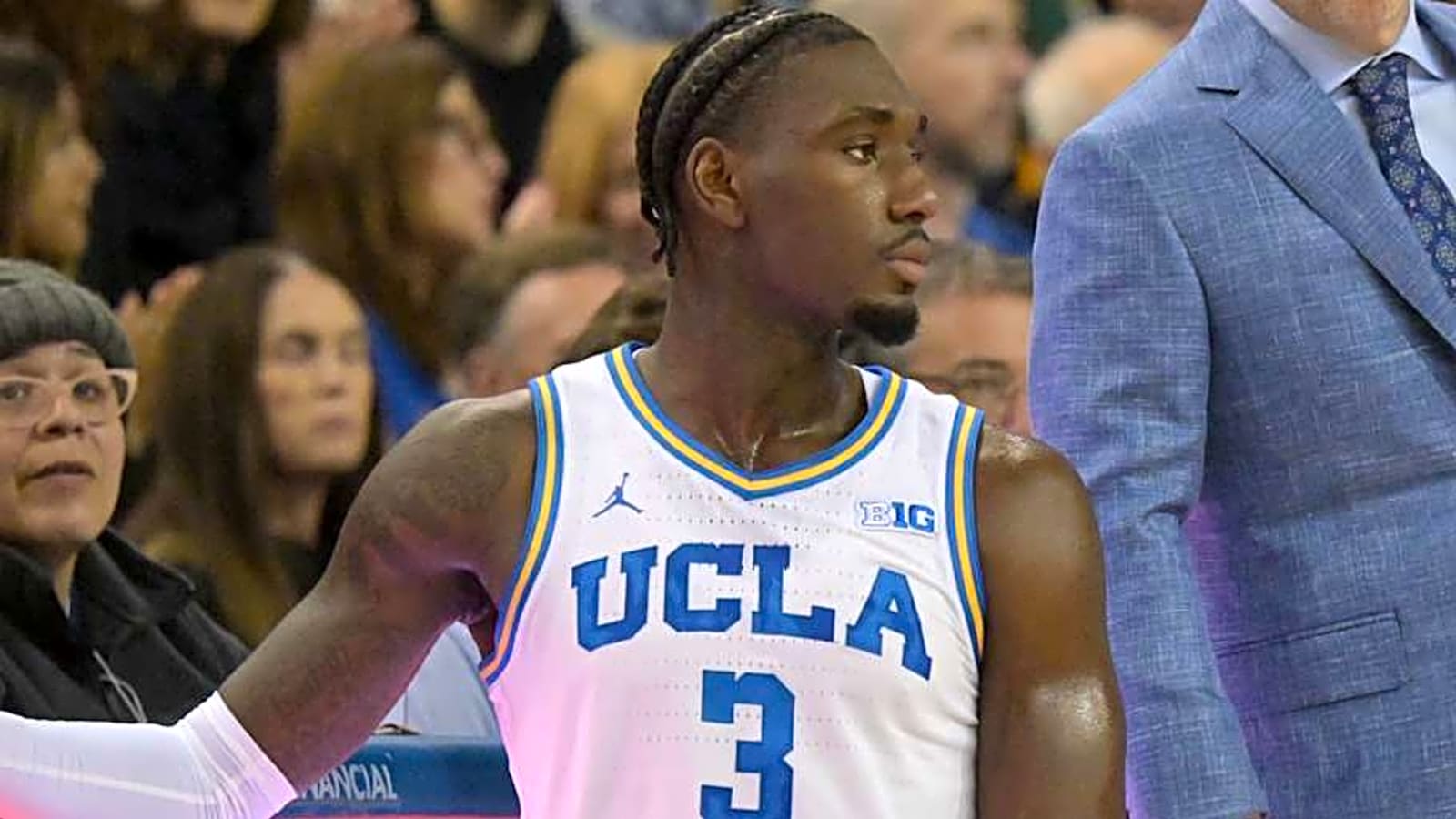
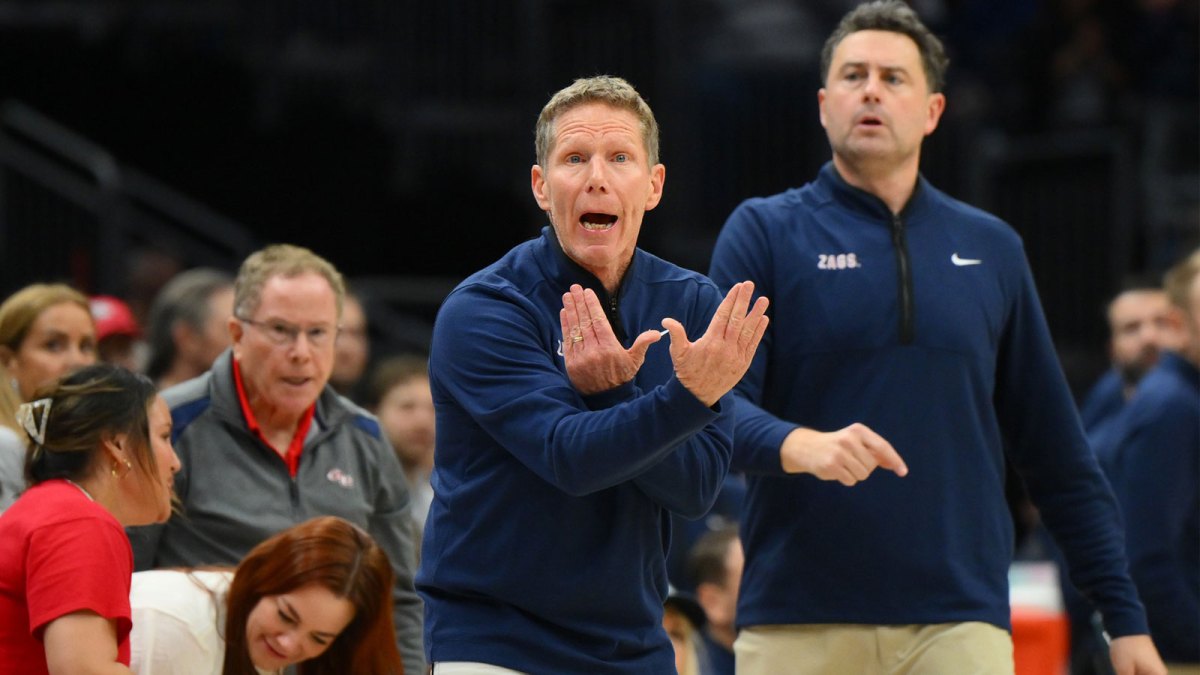
Gonzaga's guards and frontcourt players delivered a decisive performance, with Graham Ike scoring an impressive 25 points and Tyler Bilodeau contributing 22 points. This wasn't merely a statistical triumph but a comprehensive dismantling of UCLA's defensive strategies. Coach Mick Cronin's post-game critique highlighted the Bruins' fundamental challenge: an inability to effectively follow scouting reports and adapt to dynamic gameplay.
The game's narrative centered on defensive adaptability and strategic preparation. Gonzaga's players consistently outmaneuvered UCLA's defense, exploiting critical weaknesses in their opponent's game plan. This suggests that success in high-stakes competitions isn't just about individual talent, but about systematic preparation, tactical flexibility, and the ability to execute under pressure.
Key strategic indicators emerged throughout the match. Gonzaga's ability to maintain offensive momentum while neutralizing UCLA's defensive attempts demonstrates a sophisticated approach to competitive performance. The 82-72 final score was less about points and more about a comprehensive display of strategic superiority.
For competitive analysts, this match offers profound insights into performance optimization. It underscores the importance of:
- Rigorous pre-game preparation
- Adaptive in-game strategy
- Mental resilience under competitive pressure
- Systematic approach to exploiting opponent weaknesses
The broader implication extends beyond basketball: true competitive excellence emerges from a holistic, strategic approach that combines individual skill with collective tactical intelligence.
問題 3
What made Gonzaga's performance against UCLA strategically significant?
Gonzaga demonstrated superior tactical preparation by effectively neutralizing UCLA's defensive strategies. Graham Ike's 25-point performance and the team's consistent offensive pressure revealed a systematic approach to exploiting opponent weaknesses, showcasing how strategic execution trumps individual talent.
How did Coach Mick Cronin assess UCLA's performance?
Coach Cronin critically highlighted UCLA's failure to follow scouting reports and adapt to dynamic gameplay. His post-game comments suggested that the team struggled with tactical flexibility and strategic responsiveness, which were key factors in their 82-72 loss.